

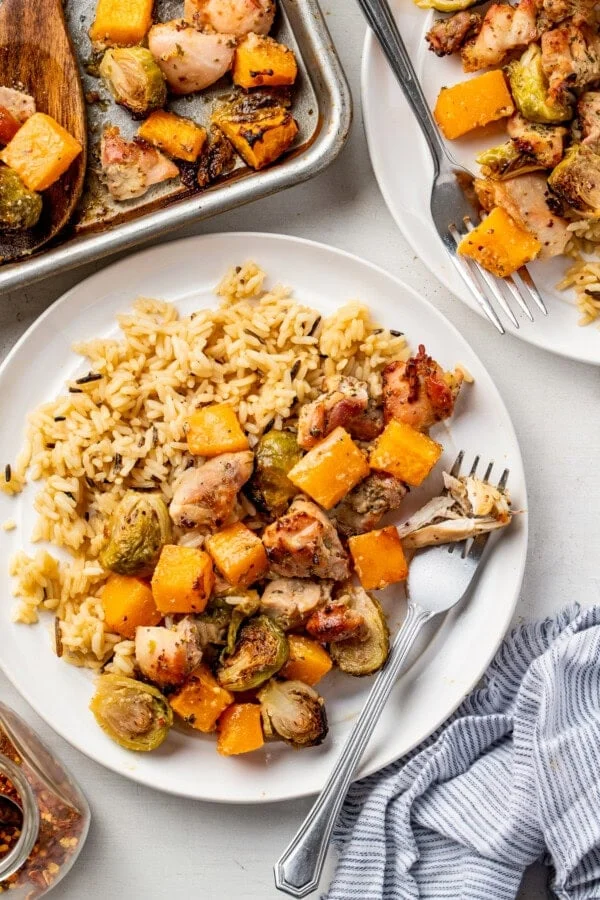
The introduction of the Maple Dijon Sheet Pan Chicken recipe, featuring boneless, skinless chicken thighs, caramelized Brussels sprouts, and tender butternut squash, all unified by a sweet and tangy maple-mustard sauce, marks a significant development in the realm of convenient and health-conscious home cooking. This particular dish, developed by a prominent culinary platform known for its focus on accessible, nutritious meals, underscores a growing trend towards simplified preparation methods that do not compromise on flavor or nutritional value. Designed for busy weeknights, this one-pan approach minimizes cleanup while delivering a balanced meal rich in protein and fiber, addressing common challenges faced by contemporary households in maintaining healthy eating habits amidst demanding schedules.
The Ascendance of Sheet Pan Dinners: A Paradigm Shift in Home Gastronomy
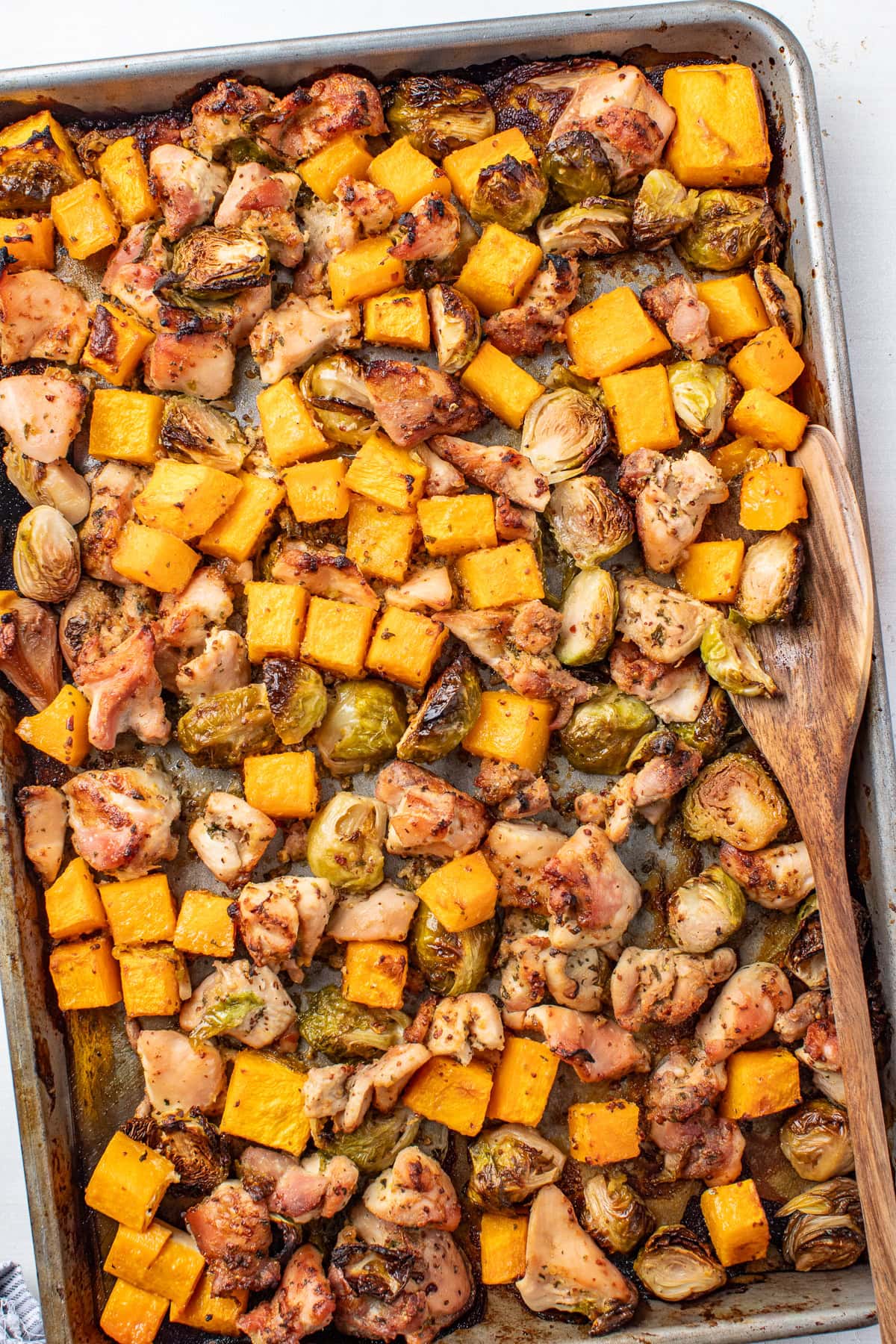
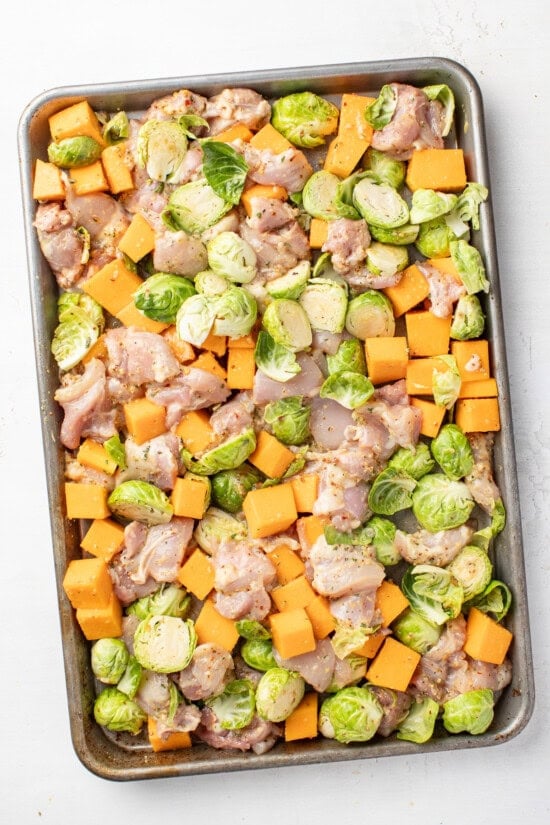
The concept of the sheet pan dinner has undergone a remarkable evolution, transitioning from a niche cooking method to a widespread culinary phenomenon. This trajectory can be traced back to the early 21st century, gaining substantial momentum in the last decade as consumers increasingly sought efficiency without sacrificing quality or health benefits. The underlying principle—cooking an entire meal on a single baking sheet—caters directly to the modern lifestyle characterized by time constraints and a desire for reduced kitchen labor. Prior to this popularization, multi-component meals often required several pots, pans, and intricate timing, rendering them less appealing for daily consumption. The innovation of the sheet pan dinner lies in its ability to synchronize the cooking times of diverse ingredients, often proteins and vegetables, allowing them to roast simultaneously to optimal doneness.
Industry analyses indicate that the surge in popularity of such streamlined cooking methods is not merely a fleeting trend but a fundamental shift in culinary practices. Data from consumer surveys consistently show a high preference for recipes that promise "one-pan," "one-pot," or "minimal cleanup." This demand has spurred numerous food bloggers and cookbook authors to dedicate entire collections to these simplified approaches. For instance, the creator of the Maple Dijon Sheet Pan Chicken, Gina Homolka of Skinnytaste, has notably championed this philosophy, authoring best-selling cookbooks such as "Skinnytaste One & Done," which specifically focuses on single-vessel cooking. Her previous success with dishes like the Sheet Pan Chicken Shawarma further exemplifies the public’s enthusiastic reception of these practical meal solutions, establishing a clear precedent for the anticipated success of new sheet pan offerings.
Flavor Harmonization and Seasonal Ingredient Integration: A Focus on Autumnal Bounty
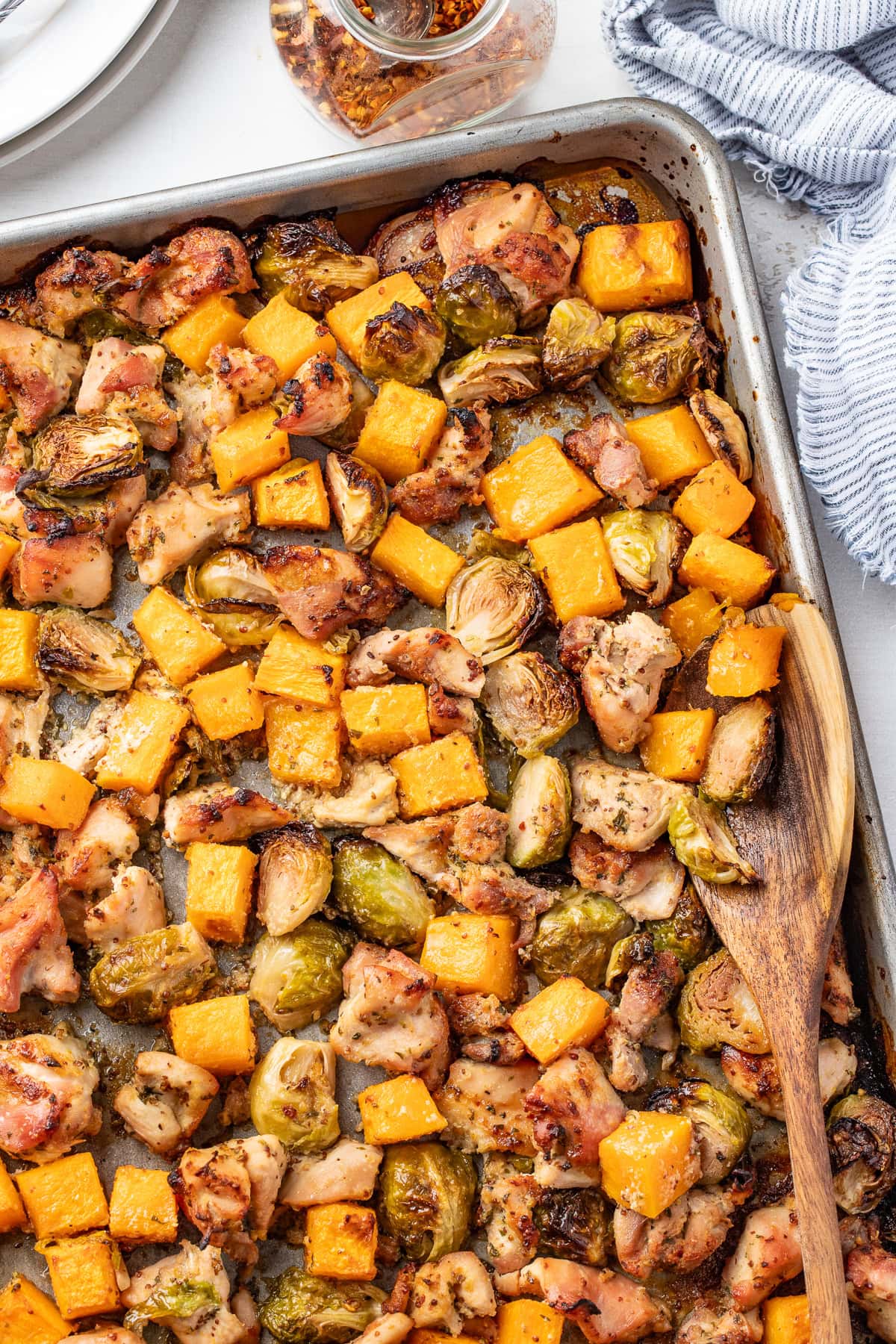
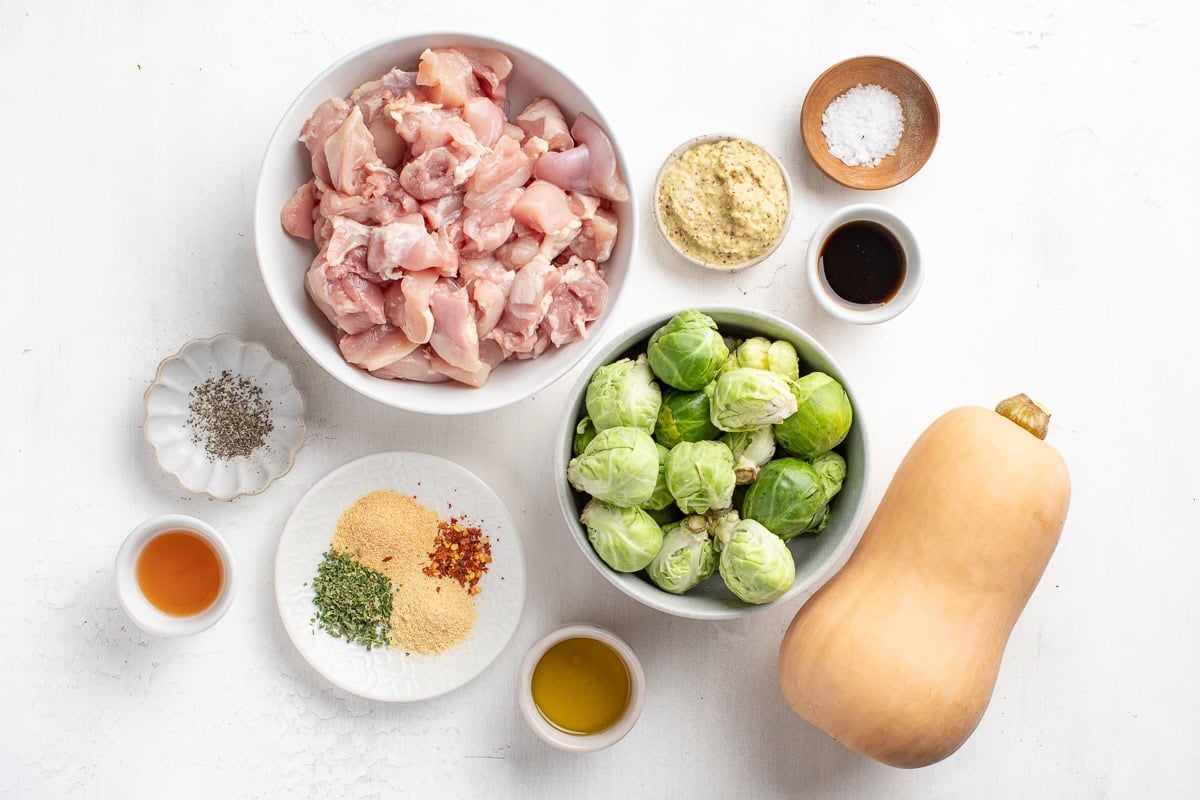
The Maple Dijon Sheet Pan Chicken recipe strategically utilizes ingredients that are both seasonally appropriate for fall and contribute robust flavors and significant nutritional benefits. Boneless, skinless chicken thighs are chosen for their inherent succulence and flavor retention during roasting, offering a lean yet tender protein source. Their uniform size, when cut into chunks, ensures even cooking alongside the vegetables. Brussels sprouts, a cruciferous vegetable renowned for its earthy flavor and crisp texture when caramelized, are a cornerstone of the autumnal vegetable palette. Butternut squash, with its naturally sweet profile and creamy texture, complements the savory and tangy elements of the dish while adding a vibrant color and a wealth of vitamins.
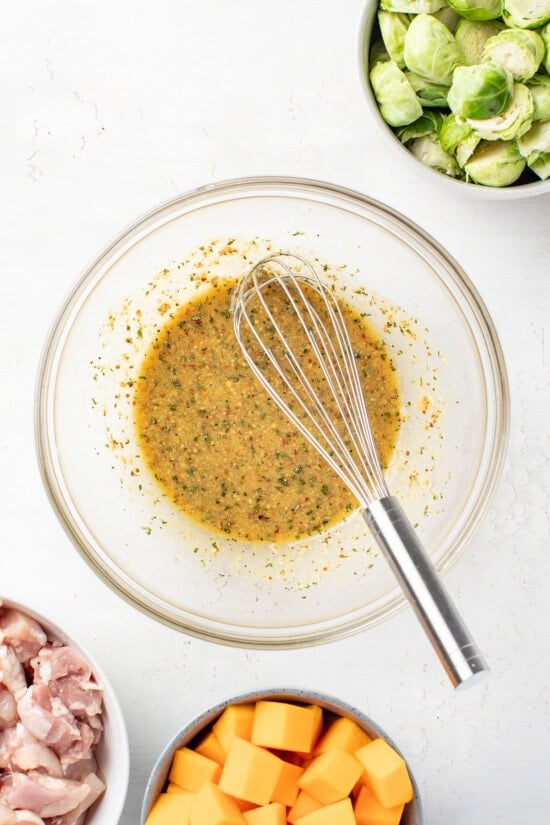
The maple-mustard sauce serves as the unifying element, coating each component to infuse a complex flavor profile. Maple syrup provides a natural sweetness, balancing the inherent bitterness of Brussels sprouts and enhancing the sweetness of the squash. Dijon mustard introduces a piquant, tangy note, while also acting as an emulsifier, helping the sauce adhere uniformly to the ingredients. This combination is not arbitrary; it represents a classic flavor pairing that resonates with many palates, particularly during cooler months when heartier, yet still fresh, flavors are sought after. The selection of these ingredients is not only for taste but also for their synergistic nutritional contributions, creating a meal that is both delicious and holistically beneficial.
Nutritional Profile and Health Implications: A Balanced Approach to Modern Diets

From a nutritional standpoint, the Maple Dijon Sheet Pan Chicken is designed to align with contemporary dietary recommendations focusing on balanced macronutrient intake and high fiber content. Each serving, approximately 1.5 cups, provides a substantial 361 kcal, making it a satiating meal. The protein content is particularly noteworthy at 37.5 grams per serving, primarily derived from the chicken thighs. This high protein count is crucial for muscle maintenance, satiety, and overall metabolic health, a factor frequently emphasized by nutritionists in promoting healthy eating.
Carbohydrates are present at 25.5 grams, with a significant 5 grams attributed to dietary fiber. This fiber content, largely from the Brussels sprouts and butternut squash, plays a vital role in digestive health, blood sugar regulation, and cholesterol management. The relatively low sugar content of 4 grams, mostly natural sugars from the maple syrup and squash, distinguishes it from many convenience meals that often contain excessive added sugars. Fat content stands at 14 grams, with 3 grams of saturated fat, indicating a moderate and generally healthy fat profile, especially when considering the beneficial fats present in chicken and the overall balance of the meal. The cholesterol at 160 mg and sodium at 866.5 mg per serving are within acceptable ranges for a main meal, particularly when prepared with fresh ingredients and controlled seasoning. This comprehensive nutritional breakdown positions the dish as an excellent option for individuals seeking high-protein, high-fiber, and well-balanced meals without excessive caloric density.
The Genesis of a Recipe: Crafting Culinary Solutions for the Home Cook

The development of a recipe like the Maple Dijon Sheet Pan Chicken involves a meticulous process that balances culinary creativity with practical considerations for the home cook. This "chronology" of recipe creation typically begins with an identification of a need or a gap in the existing culinary landscape—in this case, the perennial demand for quick, healthy, and easy weeknight dinners, especially those utilizing seasonal produce. The concept then moves to ingredient selection, focusing on items that are readily available, relatively inexpensive, and possess complementary flavors and textures. The choice of chicken thighs, Brussels sprouts, and butternut squash exemplifies this, offering a robust foundation.
The next phase involves sauce development, where the maple-Dijon combination is precisely calibrated for sweetness, tang, and viscosity to ensure it coats ingredients effectively and develops a desirable glaze during roasting. Testing is a crucial step, involving multiple iterations to refine cooking temperatures, times, and ingredient proportions to guarantee consistent results for a diverse range of home ovens. This iterative process also accounts for variables like vegetable cut size and chicken thickness to ensure everything finishes cooking simultaneously. Finally, the recipe is documented with clear, concise instructions, often accompanied by visual aids, to maximize user success. This systematic approach, characteristic of professional food content creation, ensures that the final recipe is not only appealing but also foolproof for the average cook, reflecting a commitment to reliable and high-quality culinary guidance.
Culinary Expert Perspectives and Market Responsiveness (Inferred)
While no direct statements from independent culinary experts or official bodies regarding this specific recipe have been released, its design and publication can be interpreted as a direct response to, and an affirmation of, prevailing culinary trends and consumer preferences. Food industry analysts consistently report a robust demand for "convenience cooking" solutions, particularly those that integrate whole, unprocessed ingredients. The emphasis on a single-sheet pan method directly addresses the desire for minimal cleanup, a frequently cited pain point in daily cooking routines.
Furthermore, the integration of seasonal vegetables like Brussels sprouts and butternut squash aligns with the growing consumer interest in seasonal eating and locally sourced produce. The choice of a classic flavor pairing like maple and Dijon mustard demonstrates an understanding of broad appeal, aiming to satisfy a wide demographic rather than a niche audience. The recipe’s nutritional transparency, with explicit calorie, protein, and fiber counts, caters to an increasingly health-aware populace that actively seeks detailed dietary information. The consistent positive reception of similar recipes from the same platform serves as an indirect validation, suggesting that this new offering is well-positioned to meet established consumer expectations for taste, health, and practicality. The inferred "reaction" from the market is one of anticipation and appreciation for solutions that simplify healthy eating.
Practical Implementation and Advanced Meal Preparation Strategies
The Maple Dijon Sheet Pan Chicken offers substantial advantages for practical implementation and advanced meal preparation. Its "one-and-done" nature makes it an ideal candidate for weekly meal planning. The entire dish can be prepared in advance, stored in airtight containers, and reheated, providing nutritious lunches or dinners for several days. This capability is particularly beneficial for individuals or families looking to streamline their food routines and avoid last-minute cooking decisions.
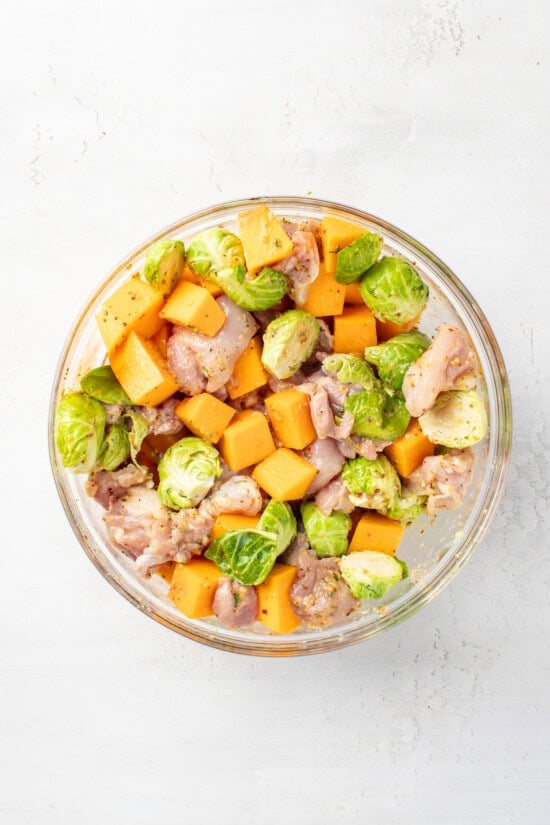
For optimal meal prep, the chicken and vegetables can be chopped and the sauce prepped the day before, significantly reducing active cooking time on the actual day of consumption. The components can be mixed together and spread on the sheet pan just before baking. When stored, the cooked dish typically maintains its quality for three to four days in the refrigerator. For reheating, a microwave can be used for quick warming, or the dish can be gently reheated in an oven or air fryer to help restore some of the caramelized texture of the vegetables and chicken. This adaptability makes the recipe a versatile tool for managing dietary goals and busy schedules, enhancing food security and reducing reliance on less healthy takeout options.
Broader Impact on Home Cooking and the Digital Culinary Landscape
The release of recipes such as the Maple Dijon Sheet Pan Chicken has a profound impact on both individual home cooking practices and the broader digital culinary landscape. For home cooks, it empowers them with practical skills and confidence, demonstrating that wholesome, flavorful meals do not require extensive culinary expertise or time. By providing a clear, replicable framework for a complete meal, it encourages experimentation and reduces the intimidation often associated with cooking from scratch. This fosters a healthier relationship with food preparation and consumption within households.
In the digital sphere, these types of recipes reinforce the value proposition of online food platforms and blogs. They demonstrate responsiveness to user needs, driving engagement and loyalty. The high shareability of visually appealing, easy-to-follow recipes contributes to viral trends and expands the reach of health-focused cooking. Furthermore, the detailed nutritional information accompanying the recipe sets a standard for transparency, contributing to a more informed culinary consumer base. This ongoing interaction between content creators and their audience drives innovation, pushing the boundaries of what constitutes accessible and healthy home cooking, thereby continually elevating the standard for digital culinary content.
Adaptability and Customization: Tailoring the Recipe to Individual Needs
While the Maple Dijon Sheet Pan Chicken offers a robust core recipe, its structure inherently allows for significant customization, enabling home cooks to tailor it to their preferences or available ingredients. For protein variations, chicken breast can be substituted for thighs, though cooking times may need slight adjustment to prevent drying. Pork tenderloin or even firm tofu could also be considered for different dietary needs. Vegetable substitutions are equally flexible; broccoli florets, cauliflower, sweet potatoes, or carrots can easily replace or supplement the Brussels sprouts and butternut squash, provided their cooking times are similar or adjusted accordingly. Harder vegetables might need to be cut smaller or given a head start in the oven.
To enhance the flavor profile further, a sprinkle of fresh herbs like thyme or rosemary can be added during the last few minutes of roasting. A touch of red pepper flakes can introduce a subtle heat for those who prefer a spicier kick. Serving suggestions also offer versatility; while a complete meal on its own, it pairs excellently with a simple side salad for added freshness, or a grain like wild rice, brown rice, or quinoa for increased satiety and complex carbohydrates. These customization options not only extend the recipe’s utility but also encourage culinary creativity, making it a staple that can be adapted to various tastes and circumstances.
In conclusion, the Maple Dijon Sheet Pan Chicken with Fall Vegetables represents more than just a recipe; it embodies a strategic response to the evolving demands of modern home cooking. Its core attributes—ease of preparation, minimal cleanup, robust flavor, and strong nutritional profile—position it as an exemplary model for healthy, convenient weeknight dining. By leveraging the popular sheet pan method and integrating seasonally appropriate, nutrient-dense ingredients, this dish provides a practical solution for individuals and families seeking to maintain balanced diets without sacrificing precious time. Its potential for meal preparation and adaptability further solidifies its role as a valuable contribution to the contemporary culinary landscape, reflecting an ongoing commitment to empowering home cooks with effective, wholesome meal solutions.
