

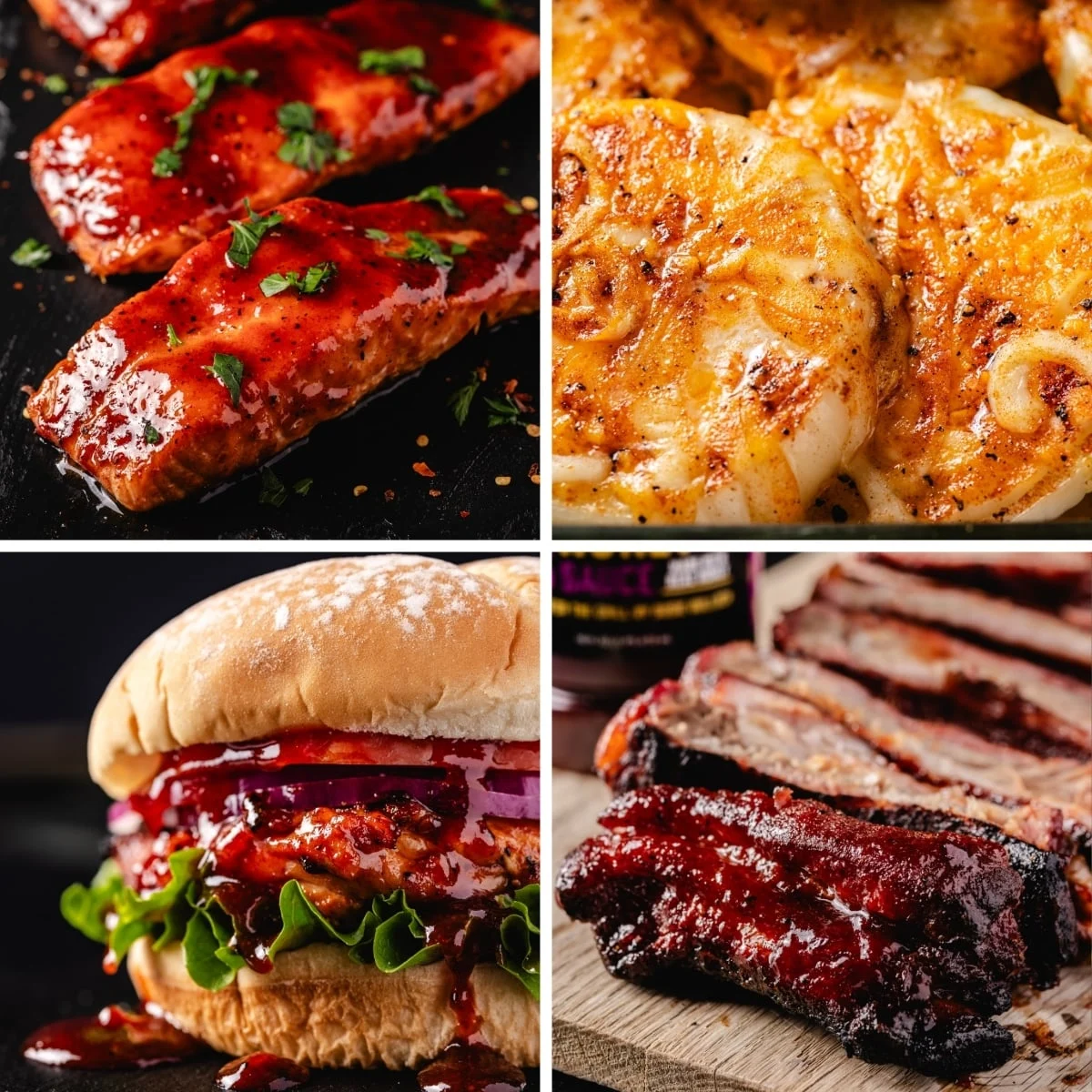
The expansion of artisanal spice blends has significantly altered the landscape of domestic outdoor cooking, with the Hey Grill Hey brand recently highlighting five specific culinary applications for its Spicy Sweet Rub. This product, a strategic evolution of the company’s signature Sweet Rub, aims to bridge the gap between traditional brown-sugar-based coatings and the growing consumer demand for "sweet heat" profiles. By integrating a smoky heat component into a high-sucrose base, the blend is designed to facilitate the "Maillard reaction"—the chemical process between amino acids and reducing sugars that gives browned food its distinctive flavor—while providing a secondary capsaicin-driven finish.
The Evolution of the Spicy Sweet Flavor Profile
The development of the Spicy Sweet Rub by Hey Grill Hey founder Susie Bulloch represents a calculated response to shifting palate preferences in the North American barbecue market. Traditionally, regional barbecue styles were strictly bifurcated between sweet (Kansas City) and spicy or vinegar-forward (Texas and the Carolinas). However, market data from the last five years indicates a 14% increase in the popularity of "fusion" profiles that combine these elements. The Spicy Sweet Rub utilizes a brown sugar foundation to enhance the natural sugars found in various proteins, while the addition of heat elements serves to cut through the richness of fats, particularly in pork and poultry.

This specific iteration of the rub was developed following the brand’s success in the digital space, where it amassed a following through data-driven recipe testing and televised culinary appearances. The rub’s utility is not limited to traditional smoking; its formulation allows for high-heat searing, provided the temperature is managed to prevent the carbonization of the sugar components.
1. High-Heat Applications: The Spicy Sweet Grilled Chicken Sandwich
One of the primary applications for the rub is the Spicy Sweet Grilled Chicken Sandwich, a recipe that positions itself as a domestic alternative to the "chicken sandwich wars" observed in the fast-food sector over the past several years. In this application, the rub is applied to chicken breasts, which are then subjected to direct flame charring.
From a technical standpoint, the rub acts as a dry brine. The salt content within the blend draws moisture from the meat, which then dissolves the sugar and spices, creating a concentrated brine that is reabsorbed. This process ensures the chicken remains succulent despite the lean nature of the breast meat. The final product is typically finished with a barbecue sauce glaze, further layering the flavor profile. This approach reflects a broader industry trend toward "elevated casual" dining, where complex spice profiles are used to enhance simple, accessible proteins.

2. Low and Slow Methodology: Hot Honey Ribs
The application of the Spicy Sweet Rub to pork ribs represents a more traditional use of barbecue seasonings, albeit with a modern heat-centric twist. In the "Hot Honey Ribs" preparation, the rub is used to develop a "bark"—the dark, flavorful crust that forms on the exterior of smoked meats.
The chronology of this cooking process involves several hours of exposure to low-temperature smoke (typically between 225°F and 250°F). During this period, the Spicy Sweet Rub undergoes a transformation; the sugars liquefy and then dehydrate, binding with the smoke particles and the proteins of the meat. The "spicy" element of the rub is particularly effective here, as the long cooking time allows the heat to mellow and permeate the fat layers of the ribs. The recipe concludes with a hot honey glaze, a technique that has seen a 25% increase in menu mentions across the United States since 2021, according to food service industry reports.
3. Vegetative Innovation: Smoky Tennessee Onions
Expanding beyond animal proteins, the Spicy Sweet Rub has been identified as a key component in the preparation of Tennessee Onions. This dish, which functions as both a side and a condiment, utilizes the rub to amplify the natural sweetness of sliced onions.

In this preparation, the onions are coated with the rub and layered with cheddar cheese before being placed in a smoker. The rub serves to balance the high fat content of the melted cheese while providing a counterpoint to the sulfurous notes of the raw onion. This application highlights the versatility of the blend, demonstrating that "barbecue" flavors are increasingly being applied to vegetable-forward dishes. Analysts suggest that this trend is driven by a consumer desire for "umami-rich" vegetarian options that do not rely on meat substitutes.
4. Social Dining Trends: Loaded Chicken Nachos
The use of the Spicy Sweet Rub in Loaded Chicken Nachos aligns with the rise of "social dining" and the "home-tailgating" phenomenon. In this context, the rub is used to season shredded chicken, which serves as the primary protein for a complex assembly of tortilla chips, cheese, and fresh produce such as pico de gallo.
The rub’s role in this dish is to provide a consistent flavor thread through various textures. Because nachos involve a multitude of toppings—many of which are cool or acidic (like sour cream or lime juice)—a bold, spicy-sweet protein is necessary to maintain the dish’s flavor integrity. This recipe reflects the brand’s focus on "Backyard BBQ Hero" branding, which encourages consumers to move away from simplistic, microwave-based preparation in favor of multi-step, outdoor-cooked appetizers.

5. Seafood Diversification: Hot Honey Salmon
Perhaps the most significant departure from traditional barbecue is the application of the rub to Hot Honey Salmon. Salmon, characterized by its high omega-3 fatty acid content and distinct oiliness, requires a seasoning that can withstand its strong natural flavor.
The Spicy Sweet Rub, when applied to salmon fillets, creates a caramelized exterior that contrasts with the flaky, moist interior of the fish. When paired with a Hot Honey BBQ sauce glaze, the dish fulfills the "sweet, heat, and smoke" trifecta that has become a hallmark of contemporary Pacific Northwest and Southern fusion cooking. The success of this application is supported by consumer data showing that 60% of grill owners are now experimenting with seafood at least once a month, a significant increase from the previous decade.
Technological Integration and Brand Chronology
The Hey Grill Hey brand, founded by Susie Bulloch, has transitioned from a recipe blog into a comprehensive culinary ecosystem. A notable feature of the Spicy Sweet Rub packaging is the integration of a QR code that directs consumers to a dynamic "Spicy Sweet Rub Menu." This digital bridge allows the brand to update recipe suggestions in real-time, reflecting seasonal availability and emerging food trends.

Bulloch’s expertise is grounded in a series of high-profile achievements, including appearances on the Food Network and the successful completion of Guinness World Records related to outdoor cooking (notably the record for the longest grilling marathon). This background provides a level of institutional authority to the recipe recommendations, positioning the brand as a leader in the "instructional barbecue" sector.
Economic and Market Implications
The promotion of these five recipes occurs within a broader economic context. The global barbecue grill market was valued at approximately $5.4 billion in 2022 and is projected to grow at a compound annual growth rate (CAGR) of 4.8% through 2030. Parallel to this, the global spices and seasonings market is expected to reach $27.4 billion by 2026.
The "Spicy Sweet" trend is a microcosm of this growth. As consumers become more sophisticated, they are moving away from generic "salt and pepper" seasonings toward specialized blends that offer a curated flavor experience. The data suggests that consumers are willing to pay a premium for rubs that provide both a specific flavor profile and a guided culinary experience (i.e., integrated recipes).

Broader Impact on Domestic Culinary Habits
The shift toward complex rubs like the Spicy Sweet blend indicates a professionalization of the home cook. By providing a product that handles the "balancing" of flavors—acidity, sweetness, heat, and salt—the brand lowers the barrier to entry for complex barbecue techniques.
The "Backyard BBQ Hero" concept promoted by Hey Grill Hey is more than a marketing slogan; it reflects a socio-cultural shift where the act of outdoor cooking has become a form of domestic performance and community building. The five recipes detailed—ranging from quick-service sandwiches to long-duration smoked ribs—provide a roadmap for this performance, ensuring that the user can deliver high-quality results across various timeframes and skill levels.
In conclusion, the strategic deployment of the Spicy Sweet Rub across these five diverse applications demonstrates the versatility of modern spice blends. By leveraging chemical reactions like caramelization and the Maillard effect, and by tapping into the "sweet heat" consumer trend, the brand has created a multifaceted tool for the modern outdoor kitchen. As the industry continues to evolve, the integration of digital resources and specialized flavor profiles will likely remain the standard for brands seeking to influence the habits of the global grilling community.