

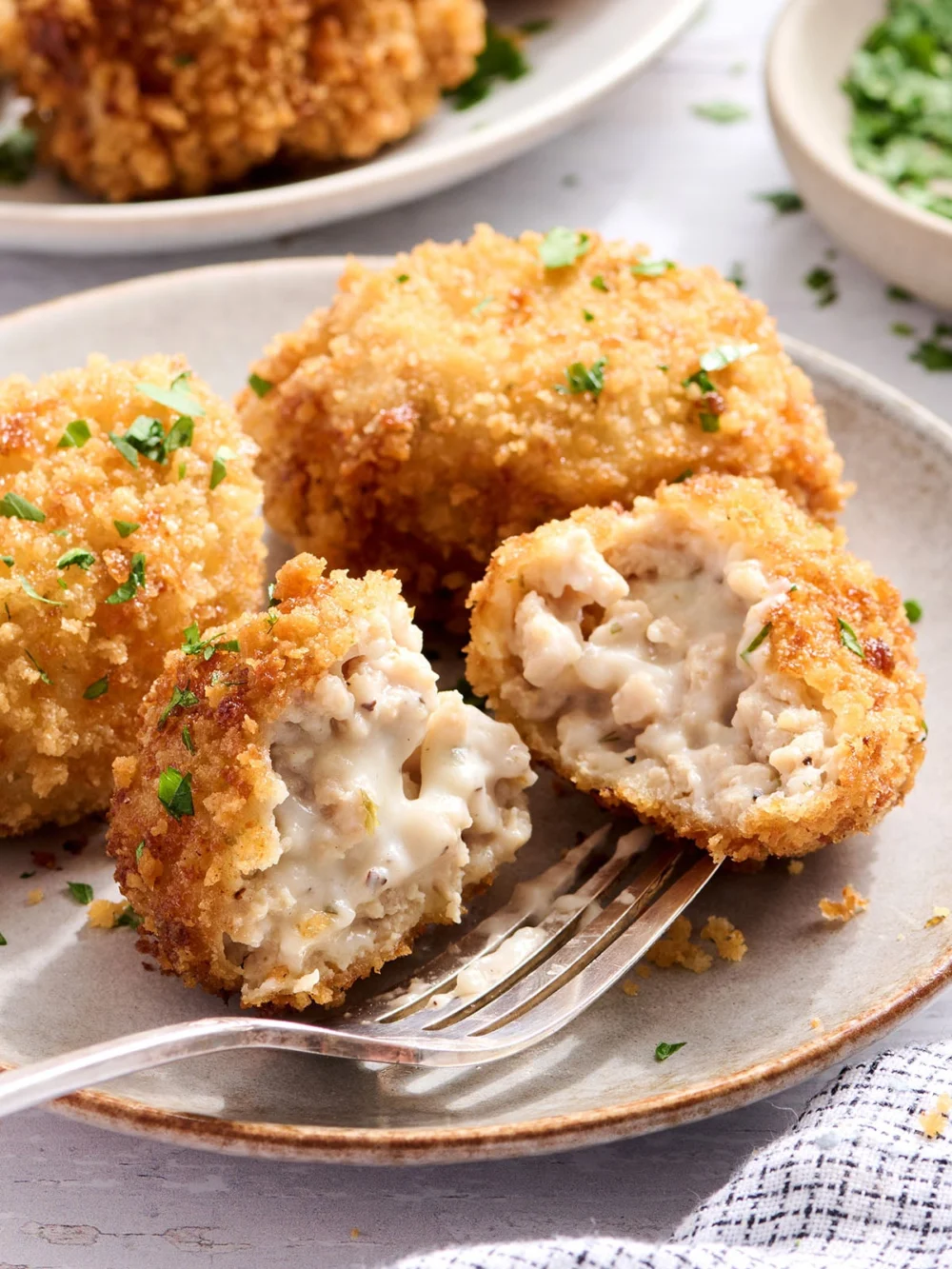
The chicken croquette, a staple of European culinary tradition that has found a renewed purpose in the modern budget-conscious kitchen, represents a sophisticated intersection of resourcefulness and gastronomic technique. Often described as a refined relative of the contemporary chicken nugget, the croquette is defined by its distinctive contrast between a crisp, golden-brown exterior and a rich, creamy interior. Recent data from culinary test kitchens, including the Nashville-based Budget Bytes facility, suggests that this dish remains one of the most cost-effective ways to utilize pantry staples while maintaining high standards of flavor and texture. By combining well-seasoned poultry with a traditional béchamel sauce, the croquette serves as a prime example of "thrifty gourmet" cooking, a trend gaining traction as global food prices continue to fluctuate.
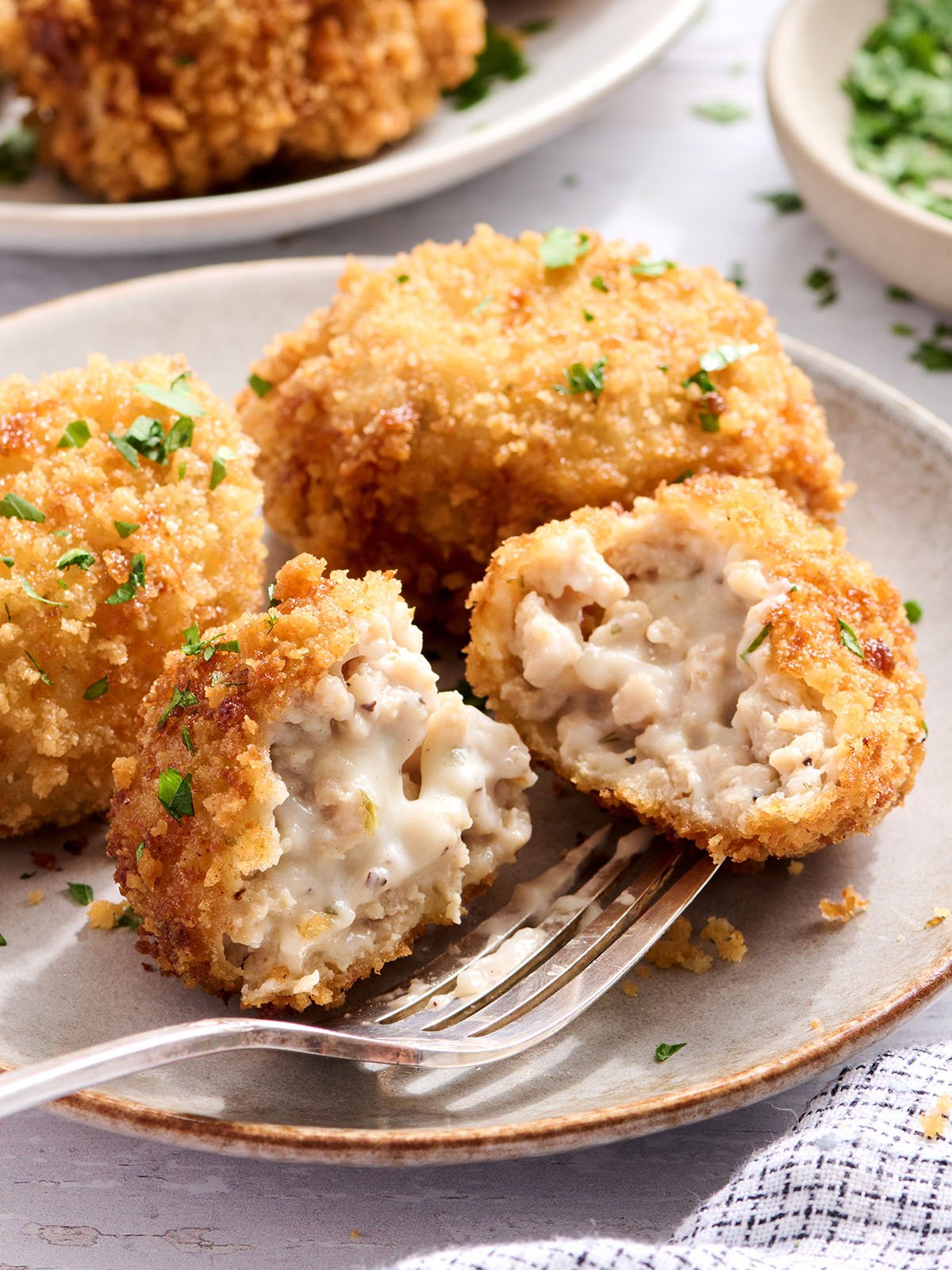
Historically, the croquette is a product of French ingenuity, deriving its name from the verb croquer, which translates to "to crunch." While its exact origins are debated, the first recorded recipes date back to the 17th century, where they were served in the royal courts of France. Originally designed as a method to repurpose leftover roasted meats, the dish evolved through the centuries, traveling across borders to Spain, where it became the beloved croqueta. In the Spanish tradition, the filling often shifted to include jamón (ham) or salt cod, and in some regions, mashed potatoes replaced the flour-based binder. However, the classic chicken variety remains a benchmark for culinary students and home cooks alike, prized for its accessibility and the technical discipline required to master its delicate structural integrity.

Technical Methodology and the Science of the Emulsion
The primary challenge in croquette preparation is preventing what professional chefs term "structural failure"—the tendency of the creamy filling to leak or burst through the breading during the frying process. To combat this, culinary developers emphasize a rigorous "chill-and-freeze" protocol. This method requires the mixture of cooked chicken and thickened béchamel to be refrigerated for a minimum of 30 minutes to stabilize the fats and proteins, followed by a secondary freezing phase once the croquettes are shaped.
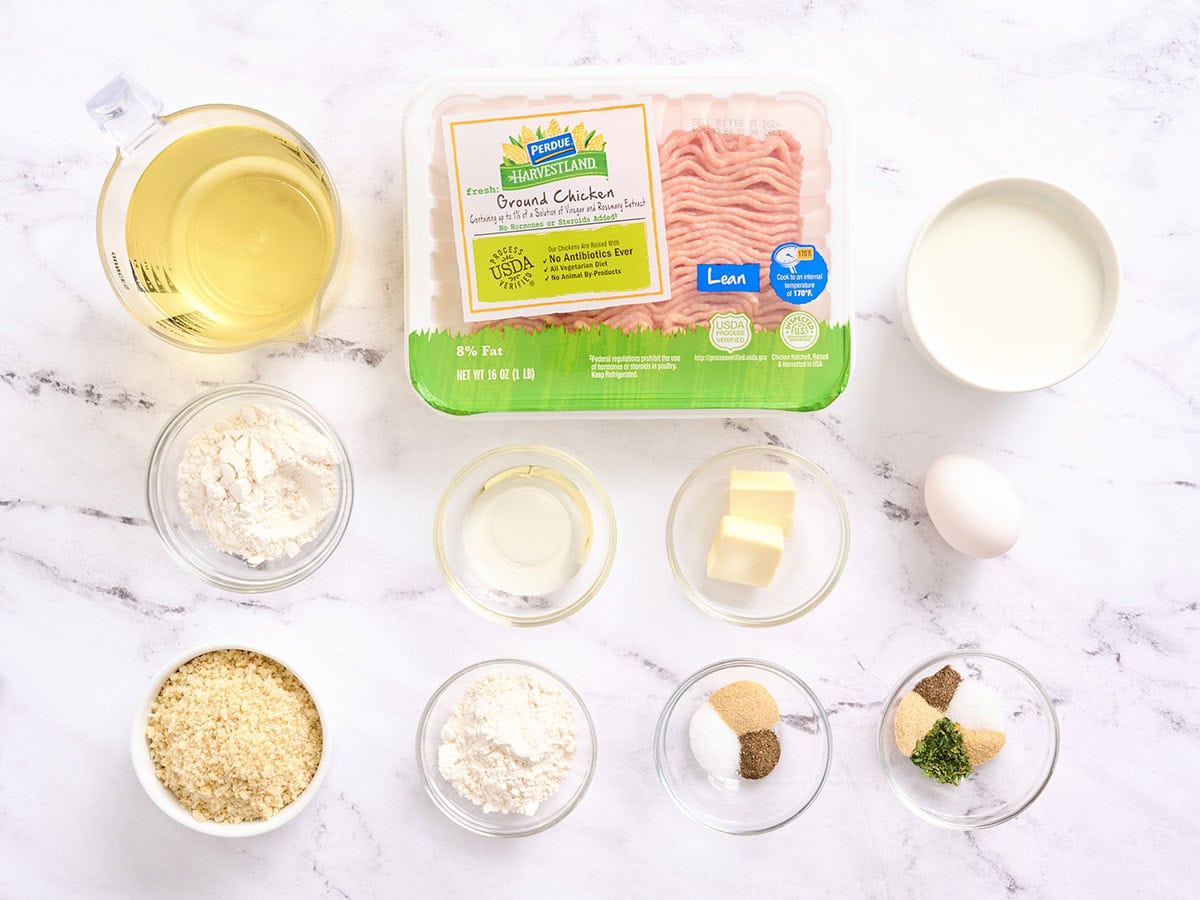
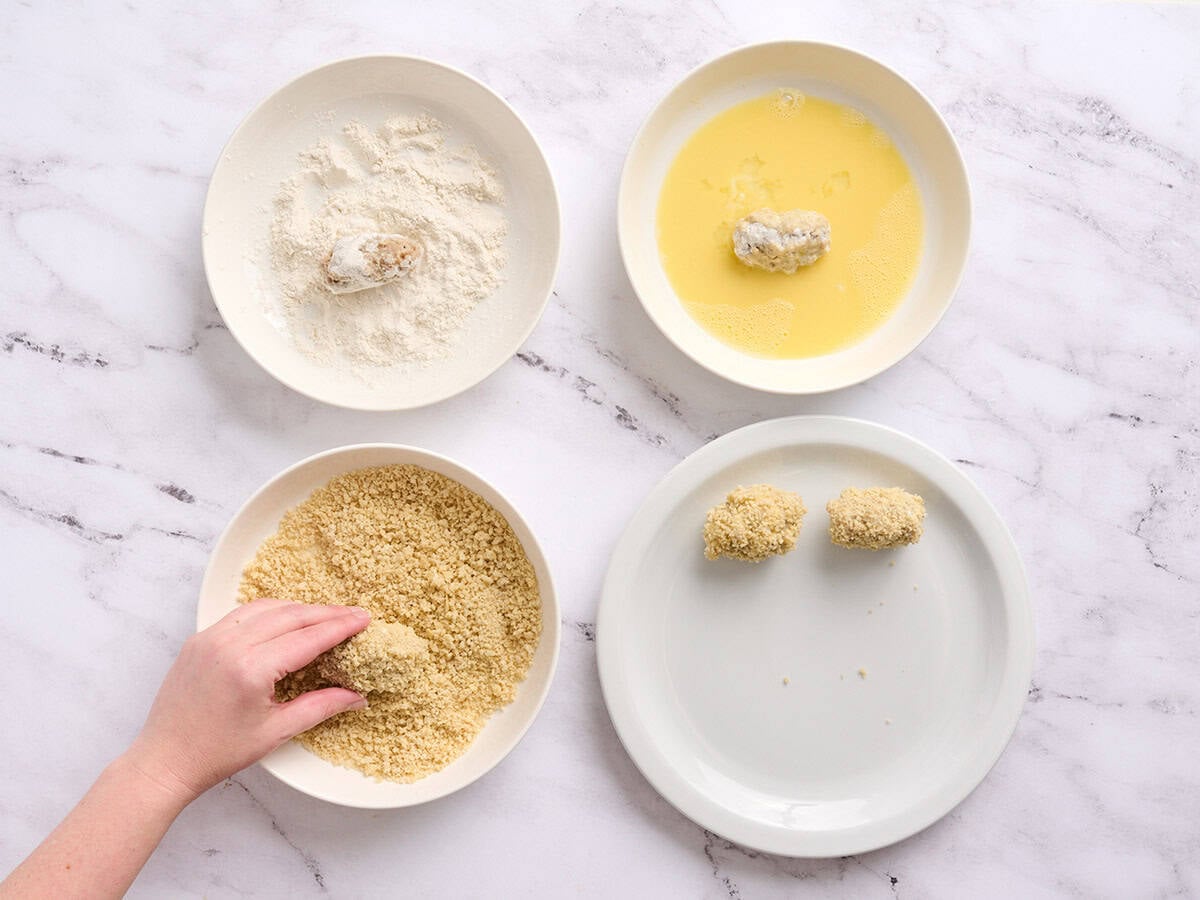
According to technical specifications from the Budget Bytes Nashville Test Kitchen, the ideal internal binder is a quick béchamel sauce. This involves a roux—a cooked mixture of equal parts fat and flour—to which milk is slowly integrated. The resulting sauce must be thick enough to hold the weight of the finely chopped or ground chicken. In the modern iteration developed by Chef Melissa Nolan, 8% fat lean ground chicken is utilized for its balance of moisture and structural density. The science behind the crunch relies on a three-stage dredging station: an initial coating of all-purpose flour to absorb surface moisture, an egg wash to act as an adhesive, and a final layer of Panko breadcrumbs. Panko, a Japanese-style breadcrumb, is preferred by industry professionals for its larger, airier flakes, which provide a superior surface area for browning compared to traditional fine breadcrumbs.
Chronology of Preparation and Standard Operating Procedures
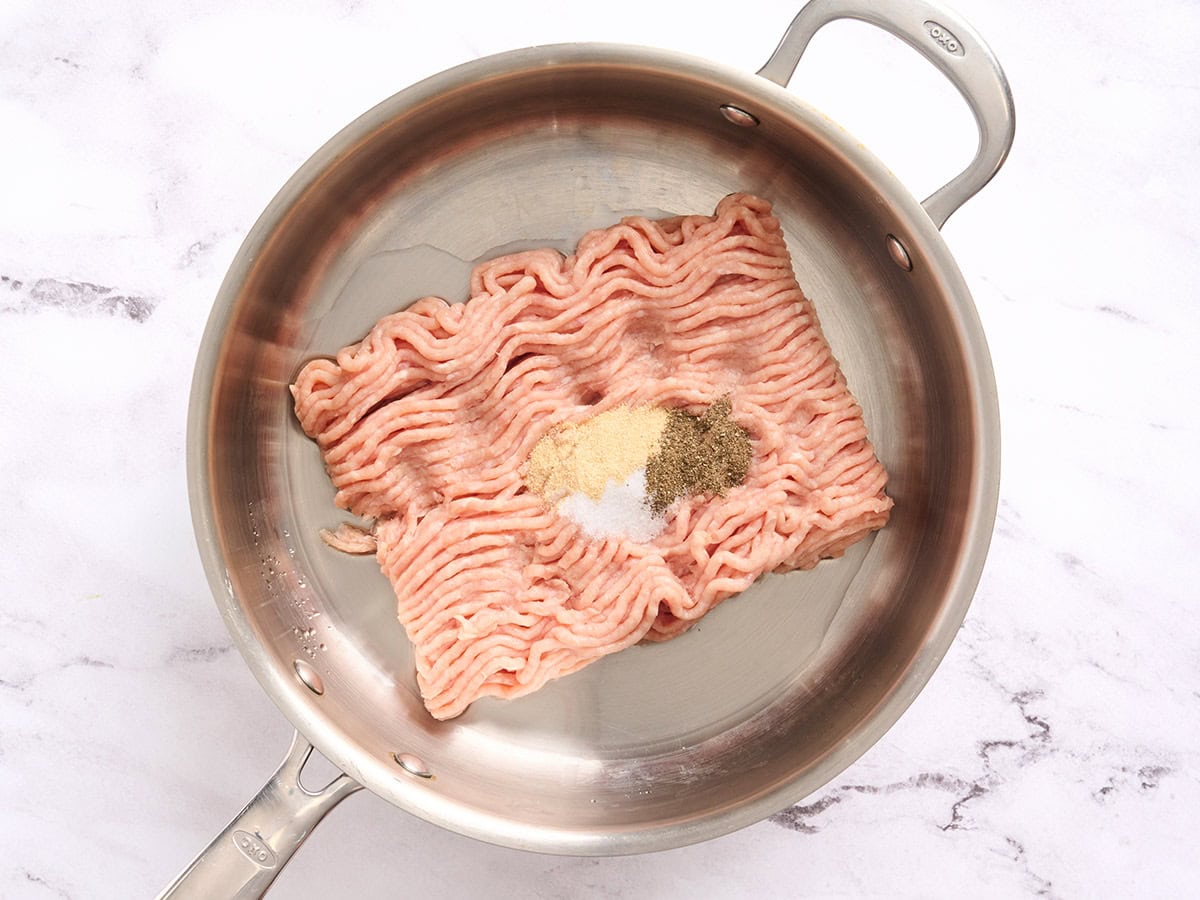
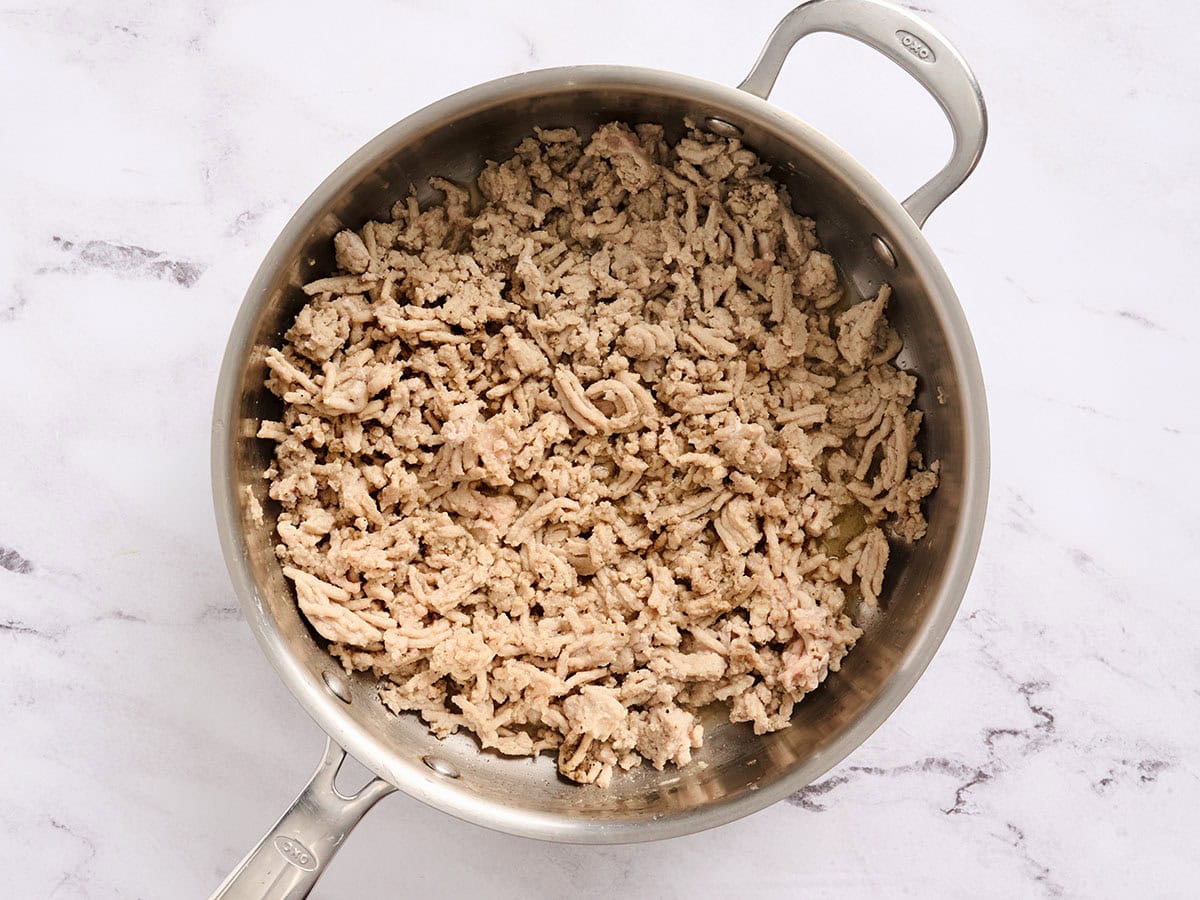
The production of high-quality chicken croquettes follows a precise timeline to ensure food safety and textural consistency. The process begins with the seasoning and browning of the poultry. In a controlled kitchen environment, one pound of ground chicken is typically seasoned with salt, black pepper, and garlic powder, then cooked for approximately eight minutes until all traces of pinkness are removed.
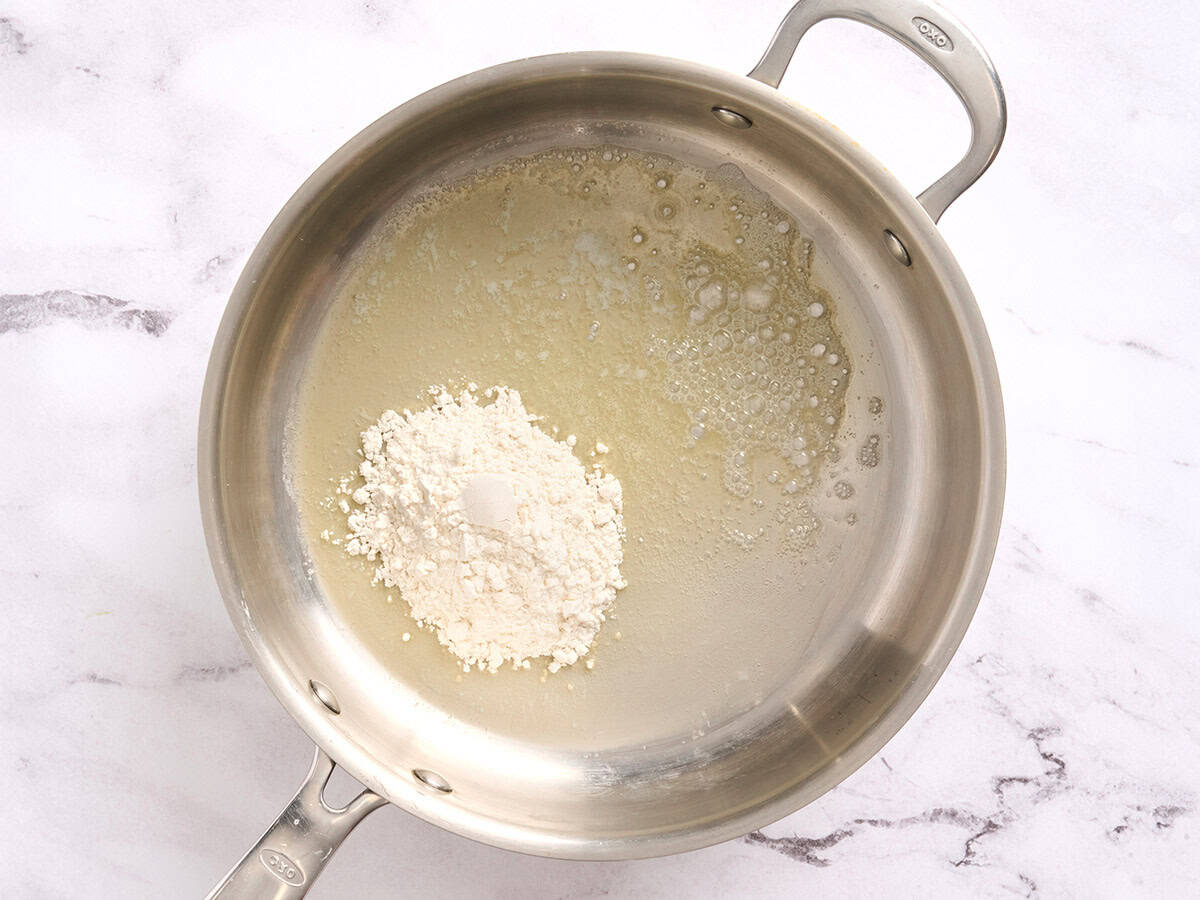
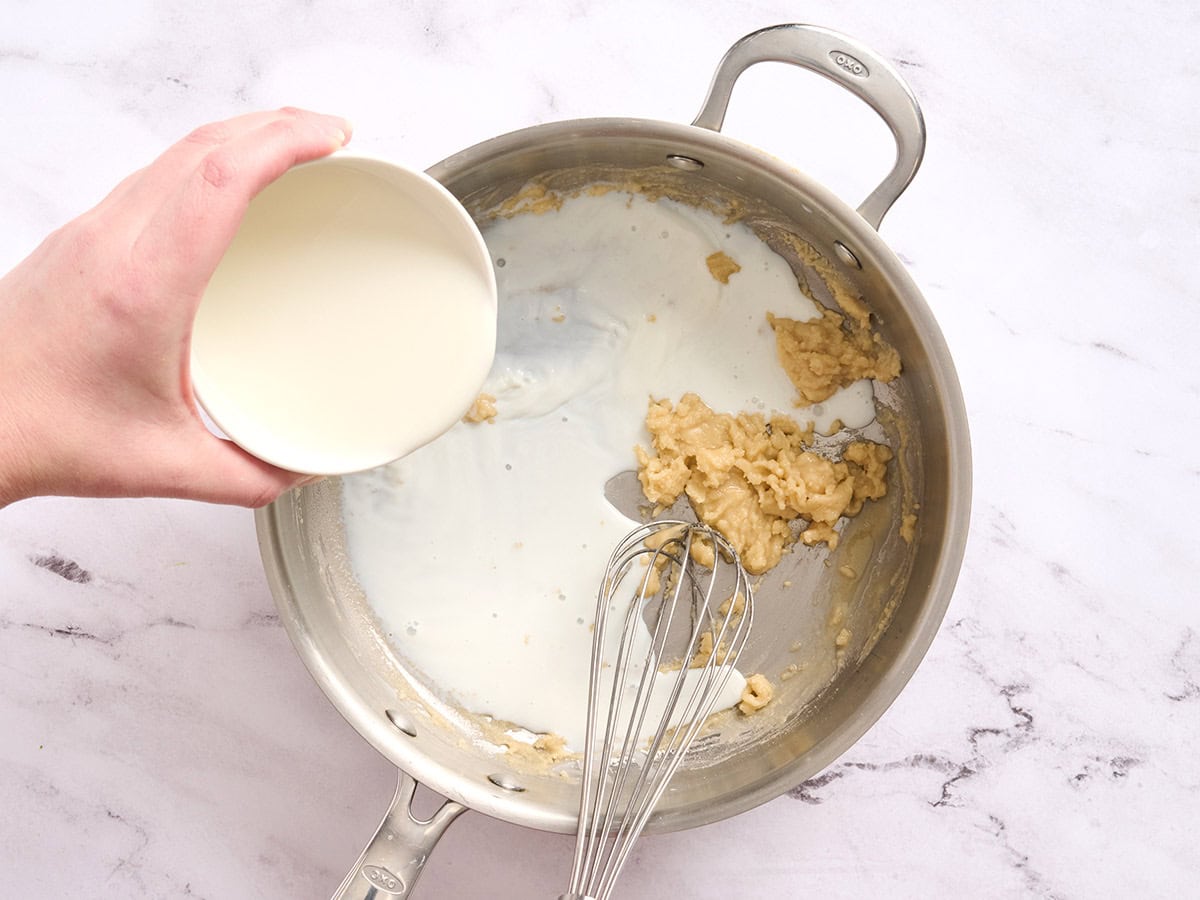
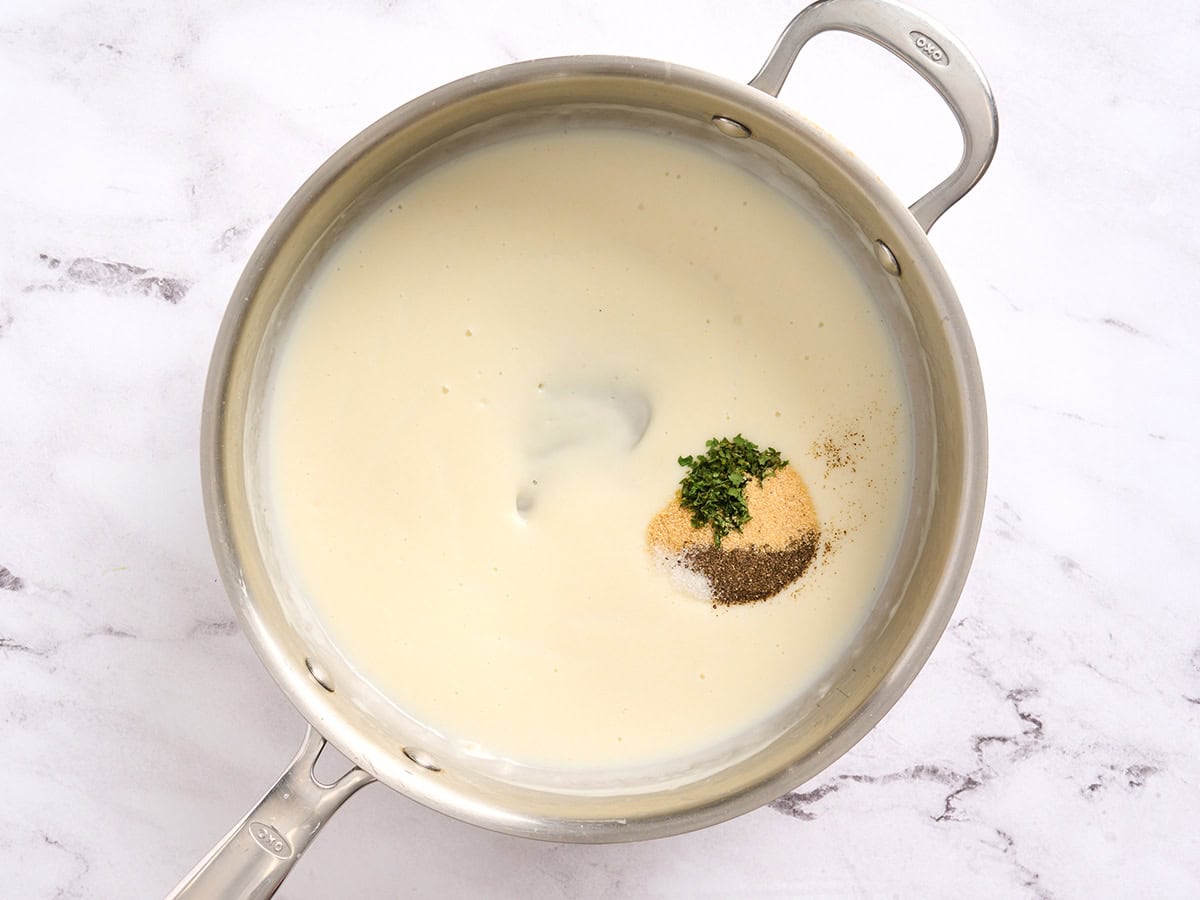
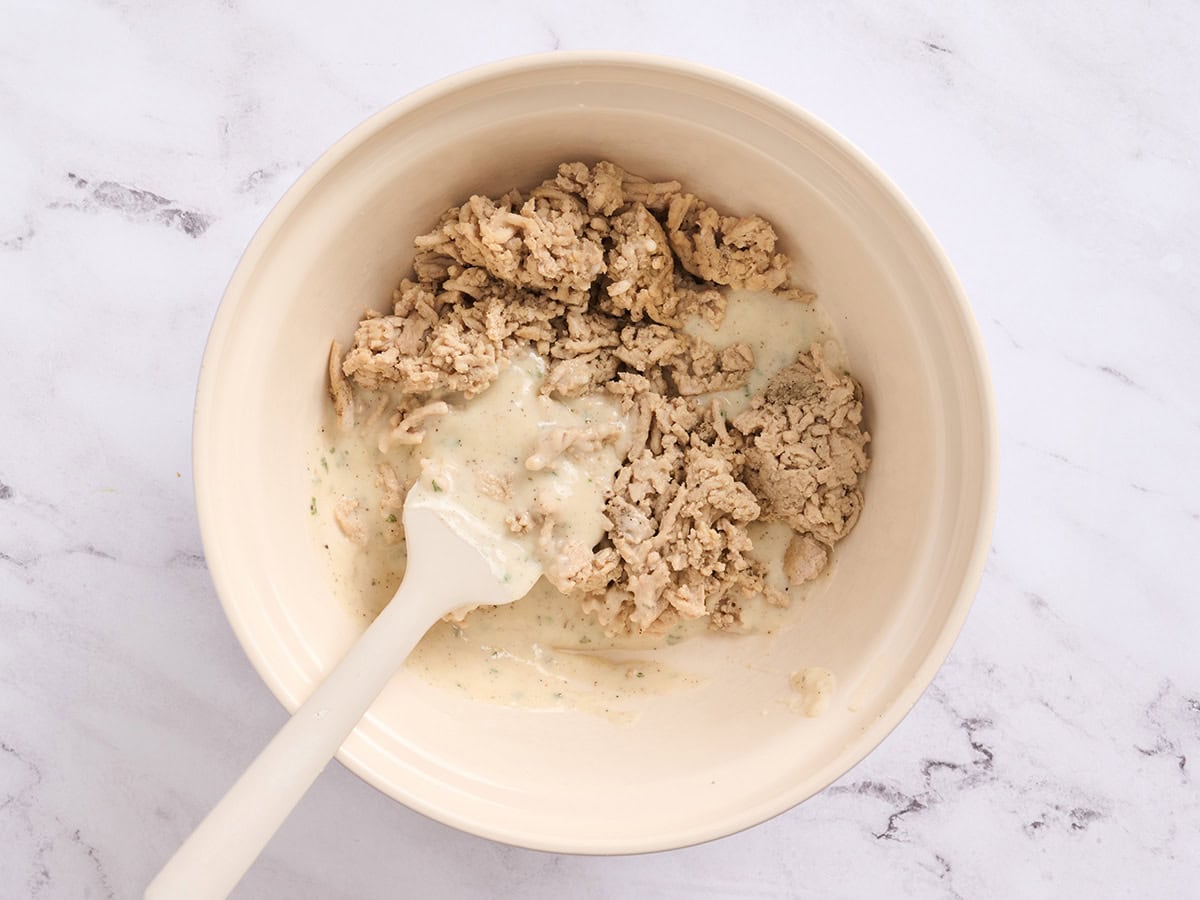
Once the chicken is prepared, the focus shifts to the creation of the roux. Two tablespoons of butter are melted over medium heat, followed by the addition of three tablespoons of flour. This mixture is cooked for exactly 60 seconds to remove the "raw" taste of the flour without darkening the roux. One cup of milk is then whisked into the mixture for approximately two minutes until a smooth, heavy emulsion is formed. The final filling is achieved by folding the cooked chicken into the seasoned sauce.
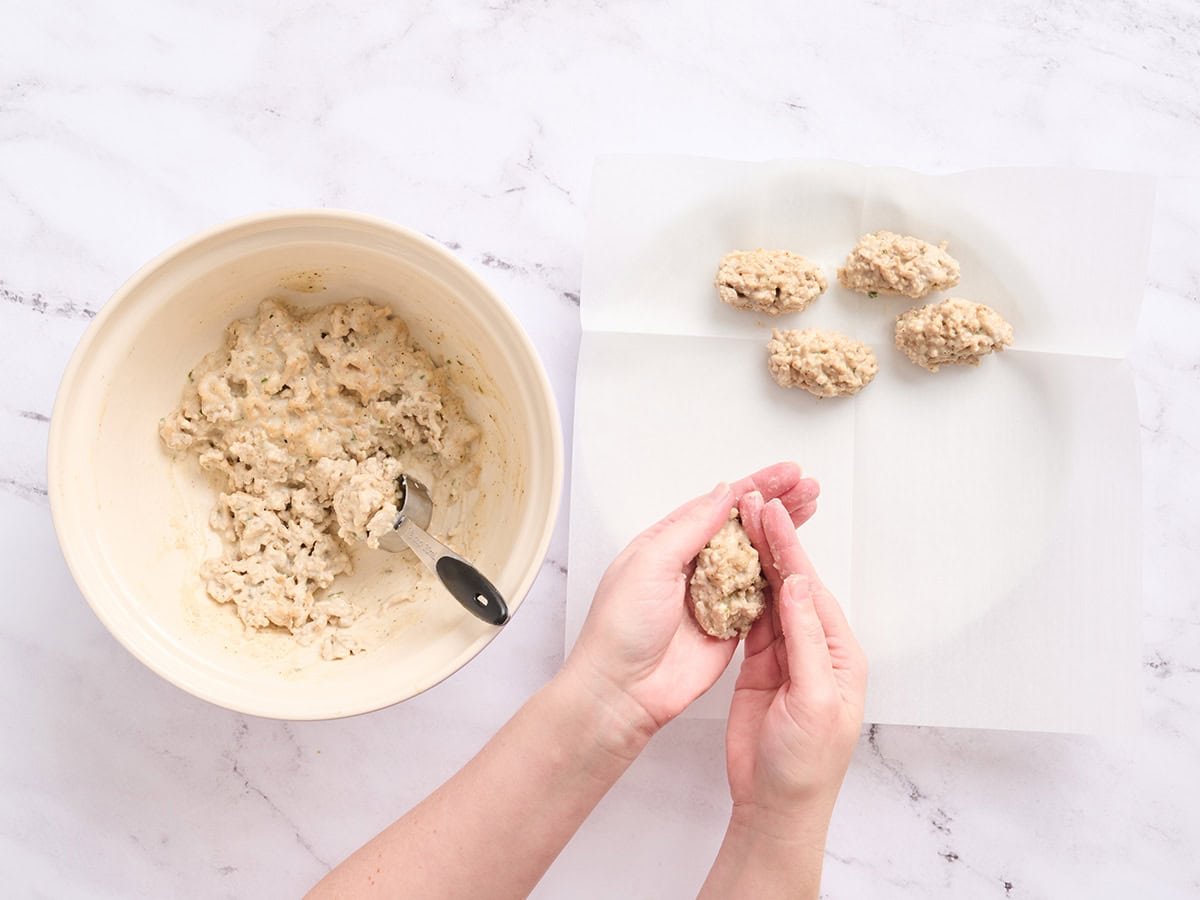
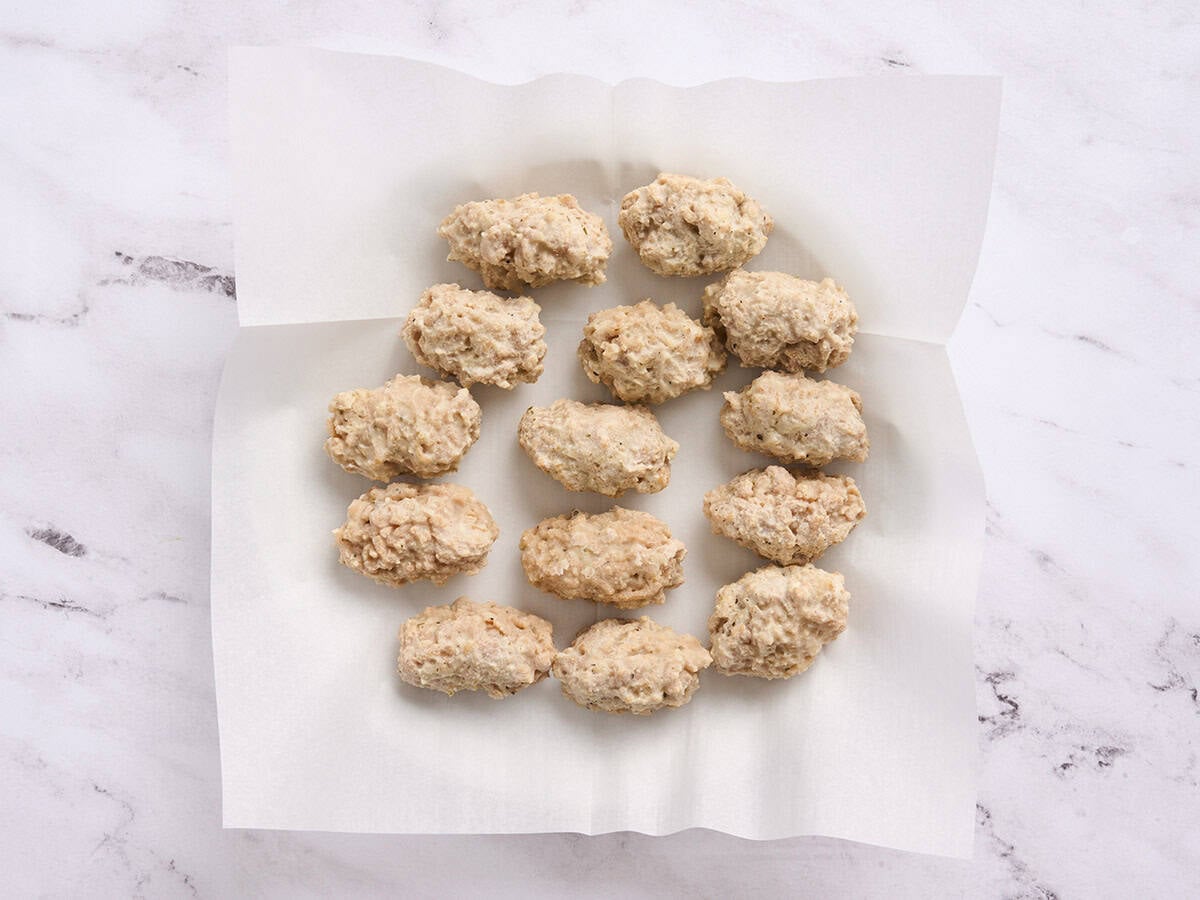
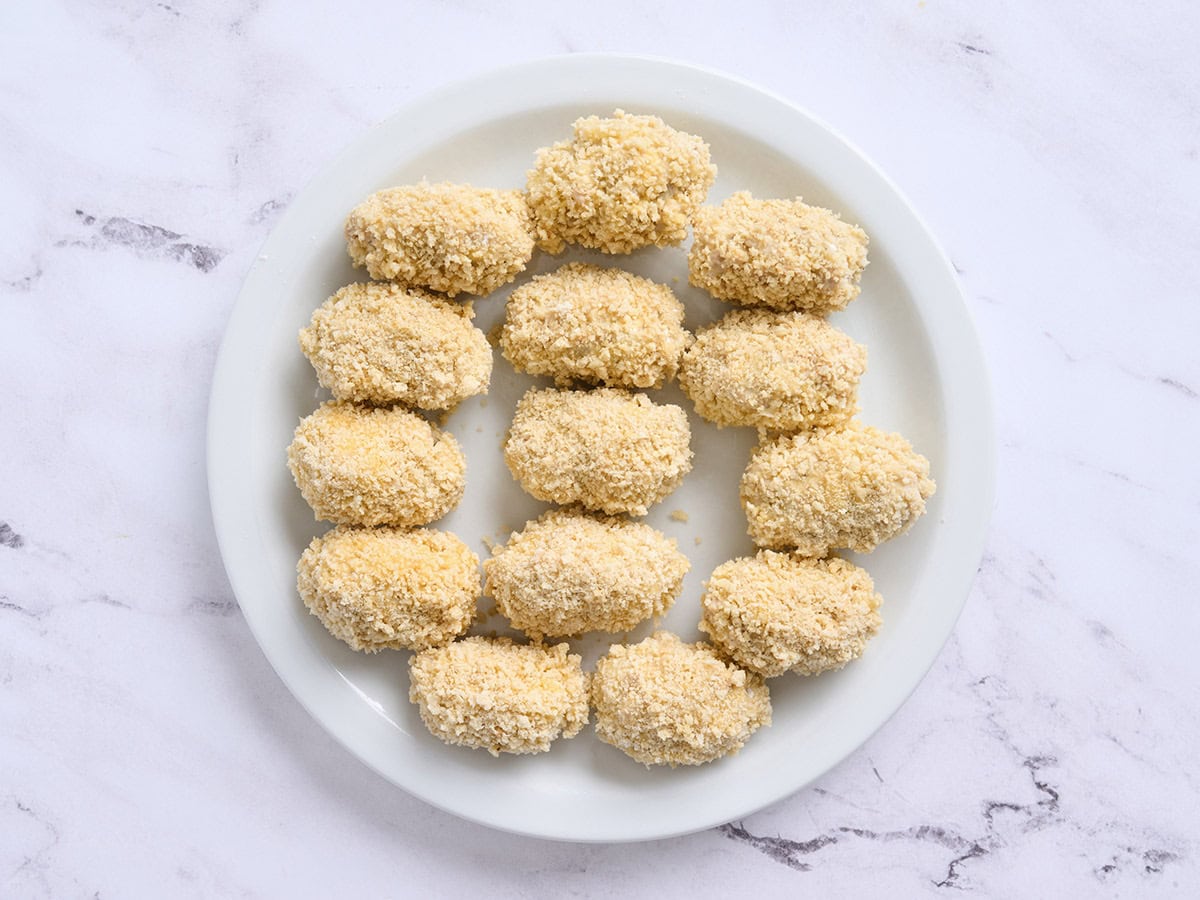
The most critical stage in the chronology is the stabilization period. The mixture is refrigerated to allow the béchamel to set, after which it is portioned into 14 oval-shaped units. These units are then frozen for a minimum of two hours. This freezing step is not merely for convenience; it is a functional requirement. By frying the croquettes from a frozen or semi-frozen state, the exterior breading has sufficient time to reach a golden-brown state of "crunch" before the internal temperature causes the béchamel to liquefy and expand, which would otherwise lead to the aforementioned "oozy mess."
Economic Analysis and Value Proposition
From a financial perspective, the chicken croquette is an outlier in the category of high-flavor appetizers. Current market analysis of the recipe indicates a total production cost of approximately $6.48 for a batch of 14, which translates to a per-serving cost of $1.62. This pricing model places the dish well below the average cost of commercially processed frozen chicken products or restaurant-grade appetizers.
The affordability of the dish is driven by its reliance on low-cost pantry staples:
- Proteins: Ground chicken or repurposed rotisserie leftovers ($3.00 – $4.00 range).
- Dairy and Grains: Milk, butter, and flour (estimated at less than $1.00 per batch).
- Breading: Panko and eggs (estimated at $1.00).
- Frying Medium: Vegetable, canola, or peanut oil, chosen for their high smoke points (350°F and above).
The nutritional profile of a single chicken croquette is approximately 156 calories, with 8 grams of protein and 7 grams of carbohydrates. While the frying process adds fat content (11 grams per unit), the use of lean chicken and a controlled breading process keeps the sodium levels relatively low at 241 mg, or 10% of the recommended daily value. For consumers looking to further reduce caloric intake, recent test kitchen data suggests that these croquettes can be successfully reheated or even initially cooked in an air fryer at 350°F, although the traditional deep-fry method remains the standard for achieving the authentic French "crunch."
Industry Reactions and Culinary Impact
Culinary educators and food scientists have noted a resurgence of interest in dishes like the croquette as "comfort food" becomes more sophisticated. Chef Melissa Nolan, a graduate of Johnson and Wales University and a former intern at the prestigious Per Se in New York City, highlights the dish as a bridge between high-end culinary training and everyday home cooking. "It was a thrifty way to use up leftovers," Nolan notes, pointing to the historical necessity that birthed the recipe.
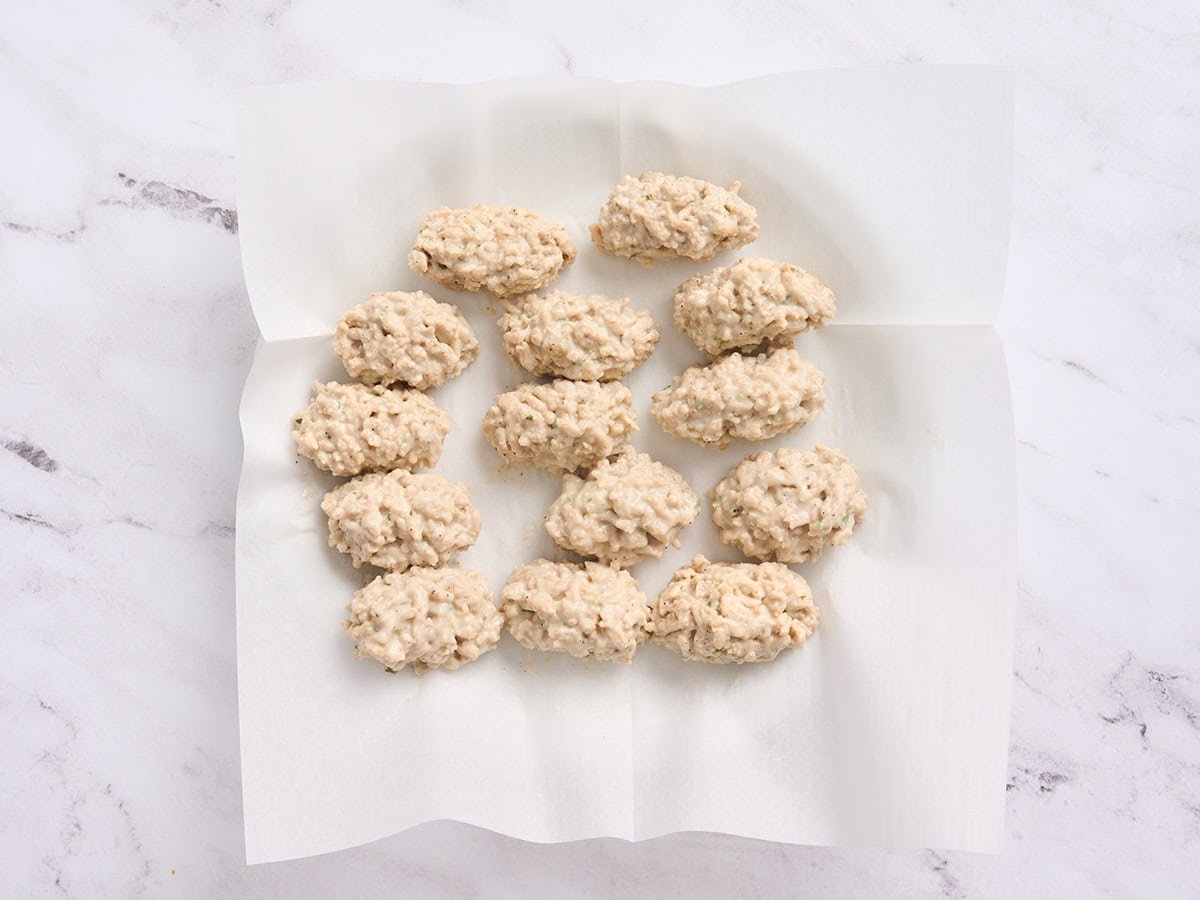
Market observers suggest that the popularity of the chicken croquette is also tied to the "make-ahead" food movement. Because the units must be frozen before frying, they are an ideal candidate for bulk preparation. Home cooks can prepare large quantities and store them in airtight containers for up to three months, frying only what is needed for a single meal. This reduces food waste and provides a high-quality alternative to ultra-processed convenience foods.
Broader Implications for the Modern Kitchen
The success of the chicken croquette in the contemporary culinary landscape reflects a broader shift toward "slow food" techniques applied to "fast food" concepts. While the chicken nugget is often viewed as a symbol of industrial food production, the croquette reclaims the concept of breaded poultry as a craft. The inclusion of ingredients like dried parsley, onion powder, and garlic powder allows for a depth of flavor that transcends the bland profiles often associated with budget meals.
Furthermore, the versatility of the croquette allows it to serve as a centerpiece for various meal structures. While traditionally an appetizer, it is increasingly paired with side dishes such as roasted broccoli, cucumber salads, or garlic-infused mashed potatoes to create a balanced dinner. The addition of dipping sauces—ranging from traditional remoulade and honey mustard to modern garlic aioli—allows the dish to be customized to a wide variety of regional palates.
In conclusion, the chicken croquette stands as a testament to the enduring power of classic French technique. By transforming humble ingredients through the application of temperature control and specific ratios of fat to flour, the dish provides a high-value, nutrient-dense option for the modern consumer. As the Nashville Test Kitchen and other culinary institutions continue to refine these "budget-friendly" classics, the chicken croquette is likely to remain a permanent fixture in the repertoire of the informed home cook, proving that elegance and economy are not mutually exclusive in the world of gastronomy.