

The Evolution of the Digital Barbecue Landscape
The success of these top 11 recipes is situated within a broader "Barbecue Renaissance" in the United States. Over the last decade, the accessibility of high-quality smoking equipment—specifically the rise of pellet grills and digital temperature controllers—has democratized the art of the "low and slow" cooking method. Industry data suggests that the outdoor grill market is projected to reach approximately $7 billion by 2027, driven largely by consumer interest in authentic wood-fired flavors and artisanal techniques previously reserved for professional pitmasters.

The 50 million "uses" cited by the Hey Grill Hey platform represent a significant data point in digital food media. It reflects a shift in consumer behavior where home cooks prioritize "fail-proof" methodologies for expensive cuts of meat, such as brisket and prime rib. By analyzing these 11 recipes, industry observers can identify the specific culinary trends that have defined the last decade of backyard grilling.
Analysis of Top-Tier Seasonings and Flavor Profiles
At the forefront of the collection is the "Best Dry Rub for Ribs," which has secured its position as the most popular entry on the platform. The popularity of this seasoning highlights a consumer preference for balanced flavor profiles that combine sweetness, salinity, and mild heat. In professional barbecue, the "rub" serves as the foundation for the "bark"—the highly sought-after caramelized exterior of smoked meat.

A secondary seasoning entry, "The Best Homemade Sweet Rub," further underscores the market demand for versatile, brown-sugar-based blends. These recipes function as "entry-point" content; they allow consumers to achieve professional results with minimal financial risk, which often leads to the purchase of pre-bottled proprietary blends. The commercialization of these rubs represents a significant revenue stream in the specialty food sector, where consumers are increasingly willing to pay a premium for convenience and consistency.
The Technical Core: Beef and the Mastery of Brisket
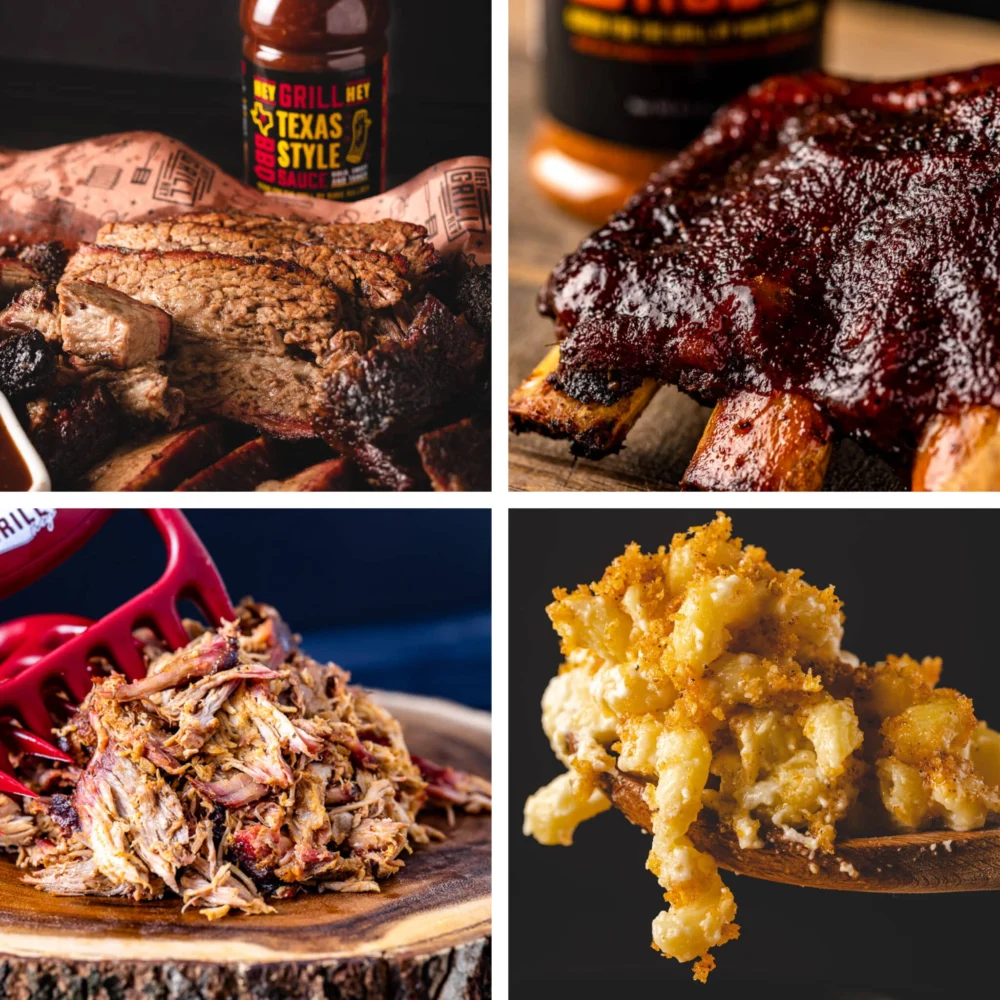
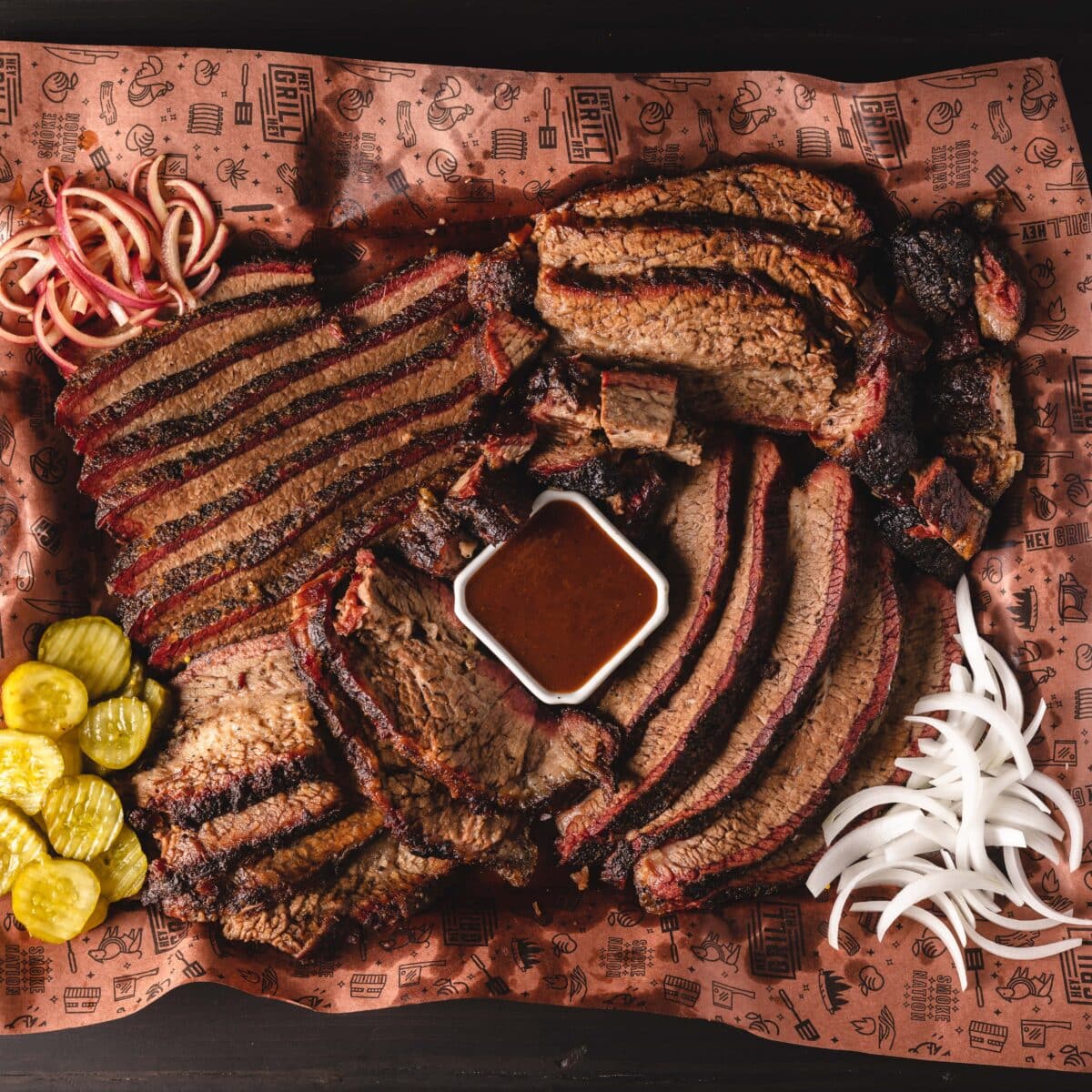
The "Texas-Style Smoked Beef Brisket" remains the quintessential challenge for outdoor cooks and ranks as the second most critical recipe in the Hey Grill Hey decade-long catalog. The methodology emphasizes a minimalist approach, utilizing only salt and pepper—a hallmark of Central Texas barbecue popularized by legendary pitmasters. This "purist" trend has dominated the industry for the past several years, emphasizing the quality of the meat and the management of the fire over heavy sauces.

Complementing the brisket are two innovative beef entries: "Poor Man’s Burnt Ends" and "Smoked Tri-Tip." The former, which utilizes chuck roast as a cost-effective alternative to brisket point, reflects a socio-economic trend in the barbecue community. As brisket prices saw significant volatility between 2020 and 2024, home cooks sought "burnt end" flavors without the investment required for a full packer brisket. Similarly, the "Smoked Tri-Tip" highlights the regional expansion of California’s Santa Maria-style barbecue into the national mainstream, prized for its shorter cook time and steak-like texture.
Methodological Innovations: The 3-2-1 Rib Technique
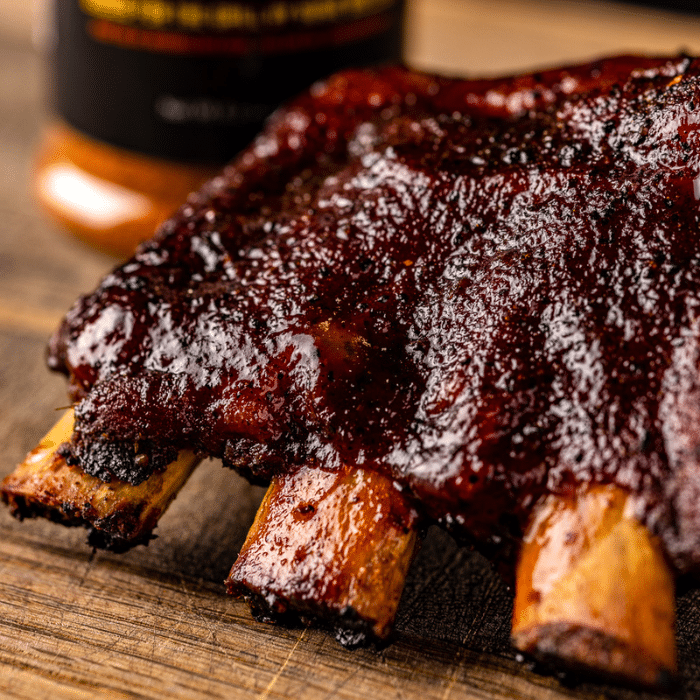
The "321 Ribs" method ranks as a transformative entry in the list, representing a specific era of barbecue instruction. This chronological approach—three hours of smoke, two hours of wrapping in foil with liquid, and one hour of glazing—provided a rigid structure for beginners. While some traditionalists argue that this method can overcook the meat, its overwhelming popularity (confirmed by millions of successful applications) demonstrates that consistency and "fall-off-the-bone" tenderness are the primary goals for the average backyard cook.
Diversification of the Smoker: Poultry and Side Dishes
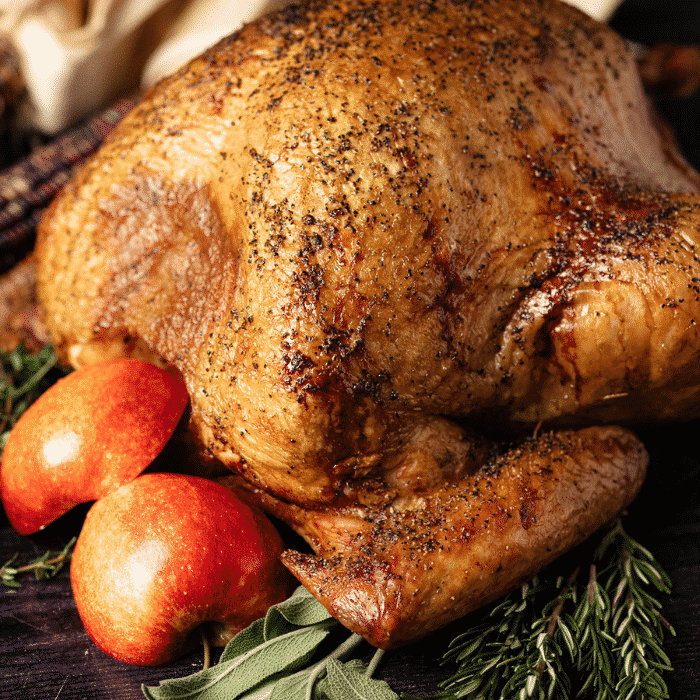
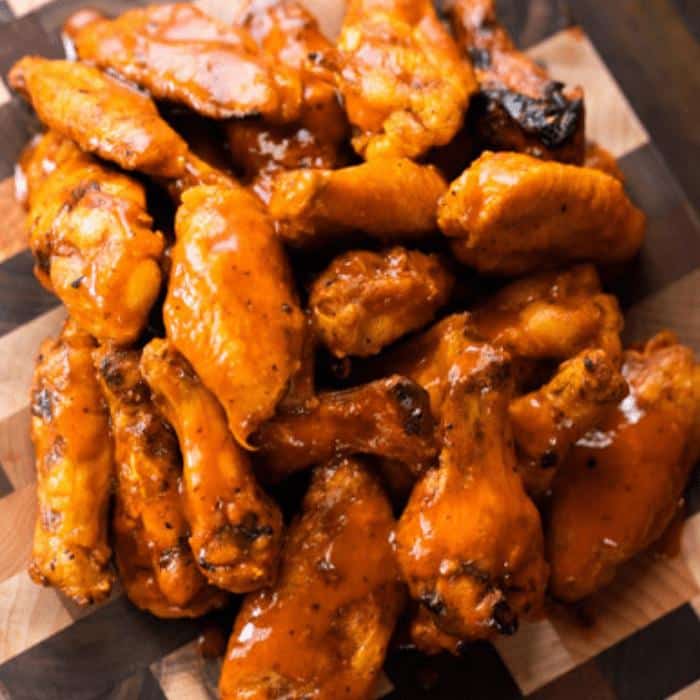
The inclusion of "The Best Smoked Turkey" and "Crispy Smoked Chicken Wings" in the top 11 indicates the year-round utility of modern smokers. The smoked turkey recipe, in particular, has become a seasonal staple, challenging the dominance of the traditional oven-roasted bird during the Thanksgiving holiday. This shift is supported by data from the hearth and patio industry, which shows a marked increase in winter grilling and smoking activities over the last decade.
Furthermore, the "Smoked Mac and Cheese" entry represents the essential role of "sides" in the barbecue ecosystem. The integration of high-fat, creamy components with wood smoke creates a complex flavor profile that has become a requirement for modern barbecue menus. This recipe’s success highlights the "complete meal" approach that has allowed Hey Grill Hey to capture a broader demographic beyond traditional meat enthusiasts.
Luxury Smoking and Special Occasions
The "Smoked Prime Rib Roast" represents the high-end segment of the barbecue market. Typically reserved for holidays or major celebrations, the application of smoke to a premium primal cut demonstrates the growing confidence of the "Backyard BBQ Hero." This trend suggests that consumers now trust digital instructional content enough to manage high-stakes, expensive culinary projects that were once the exclusive domain of high-end steakhouses.
Community Impact and Consumer Sentiment
The metrics provided by the Hey Grill Hey platform are reinforced by qualitative data in the form of community feedback. Statements from users such as Rosanne L. and James W. indicate that these recipes often serve as a catalyst for social validation. The transition from a novice cook to someone who is told they "should start a food truck" is a recurring theme in the barbecue community. This psychological aspect of "mastery" is a key driver behind the 50 million interactions cited by the brand.
From a journalistic perspective, the feedback loop between the creator and the consumer has fundamentally changed how recipes are developed. Bulloch’s "tried-and-true" approach relies on high-volume testing and community troubleshooting, which creates a level of trust that traditional cookbooks struggle to replicate in a fast-paced digital environment.
Chronology of the Hey Grill Hey Brand (2014–2025)
The timeline of the brand’s development provides context for its current market position:
- 2014–2016: Launch and initial growth. Focus on foundational recipes like the Rib Rub and Simple Pulled Pork.
- 2017–2019: Expansion into video content and the launch of the "3-2-1 Ribs" and "Texas-Style Brisket" guides. This period saw the brand’s first major viral successes.
- 2020–2022: A surge in home cooking during the global pandemic led to a massive increase in traffic. The "Poor Man’s Burnt Ends" became a critical resource for budget-conscious cooks.
- 2023–2025: Consolidation of the brand. Launch of the Grill Squad and expansion into national retail for sauces and rubs.
Broader Implications for the Food Industry
The success of Susie Bulloch and the Hey Grill Hey platform serves as a case study for the "creator economy" within the culinary arts. It demonstrates that professional-grade expertise, when paired with accessible instructional design, can disrupt traditional food media. The fact that a single digital platform can influence the cooking habits of millions suggests a decentralization of culinary authority.
Moreover, the popularity of these 11 recipes reflects a permanent shift in the American palate toward smoked and wood-fired flavors. As more consumers invest in outdoor cooking technology, the demand for high-quality, data-backed instructional content is expected to grow. The "top 11" list is not merely a collection of food items; it is a historical record of the techniques and flavors that defined a decade of outdoor cooking.
In conclusion, the first 11 years of Hey Grill Hey have established a framework for modern barbecue education. By focusing on repeatable results and community-validated methods, the brand has moved the "low and slow" tradition from the smokehouse to the suburban backyard. As the platform enters its second decade, the data suggests that the "Backyard BBQ Hero" is no longer an amateur enthusiast but a skilled practitioner of a complex and celebrated American art form.