

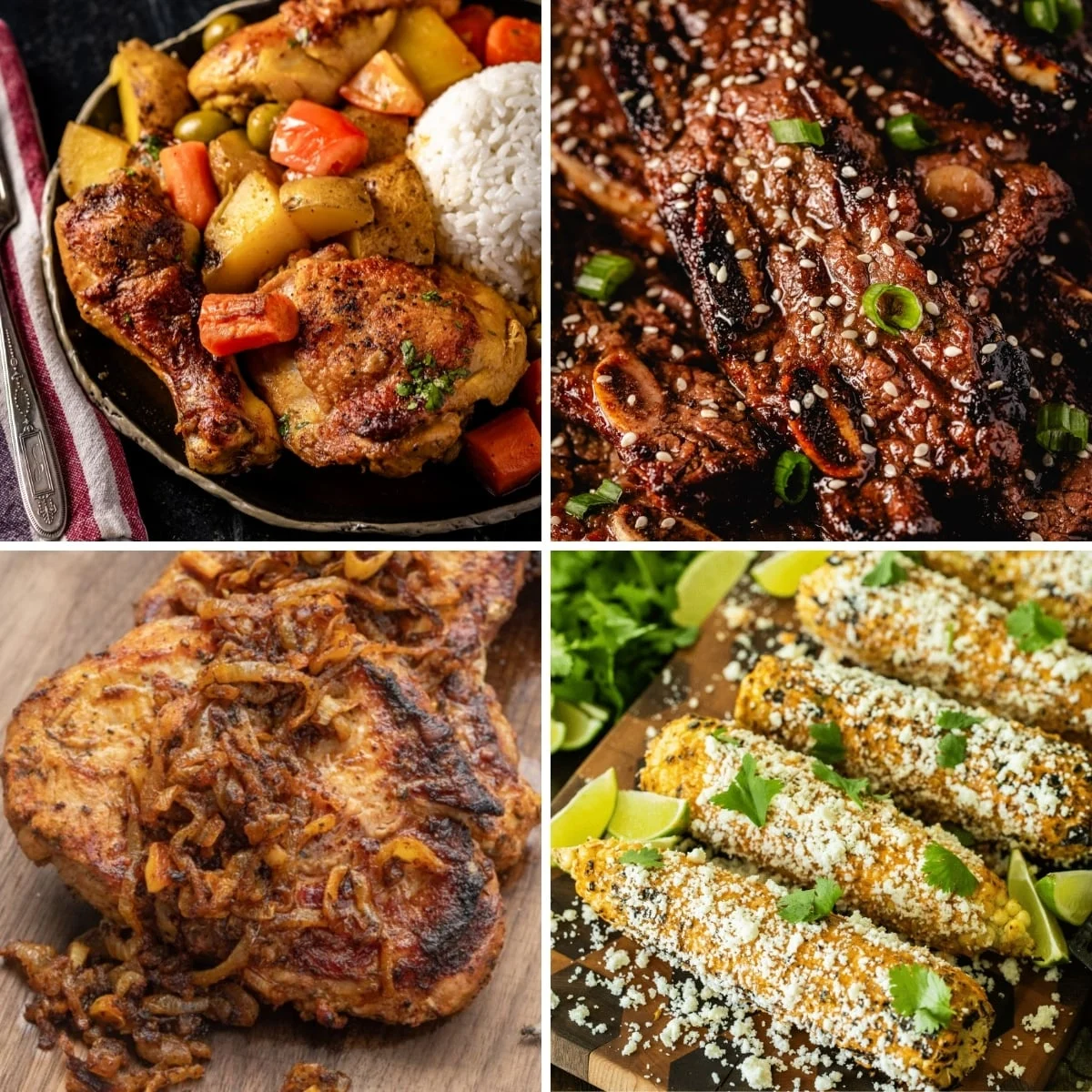
The global culinary landscape is currently witnessing a significant shift toward the integration of diverse international flavors into domestic outdoor cooking. While traditional American barbecue—characterized by low-and-slow smoking of briskets and ribs—remains a staple of the culinary identity in the United States, a growing movement of backyard enthusiasts is looking toward global horizons to diversify their menus. This evolution is spearheaded by culinary experts like Susie Bulloch, founder of Hey Grill Hey, who has curated a selection of six international recipes designed to bridge the gap between traditional heritage and modern backyard convenience. These dishes, ranging from Korean short ribs to German pork chops, represent a broader trend of "culinary tourism at home," where the grill serves as a tool for cultural exploration.
The Historical Context of Open-Fire Cooking
The act of cooking meat over fire is a universal human tradition, dating back approximately 1.8 million years to the early use of fire by Homo erectus. While the terminology varies—barbecue in the Americas, braai in South Africa, asado in Argentina, and yakitori in Japan—the fundamental principle remains the same: the application of heat to protein to enhance flavor, safety, and digestibility.

In the modern era, barbecue has evolved into a sophisticated discipline. The transition from survival-based cooking to recreational gastronomy has allowed for the cross-pollination of ingredients. The recent rise in popularity of international barbecue styles in the West can be attributed to increased global connectivity and the accessibility of specialized ingredients, such as miso paste, gochujang, and sumac, in local grocery stores.
Technical Analysis of Global Barbecue Variations
1. The Korean Influence: Kalbi Short Ribs
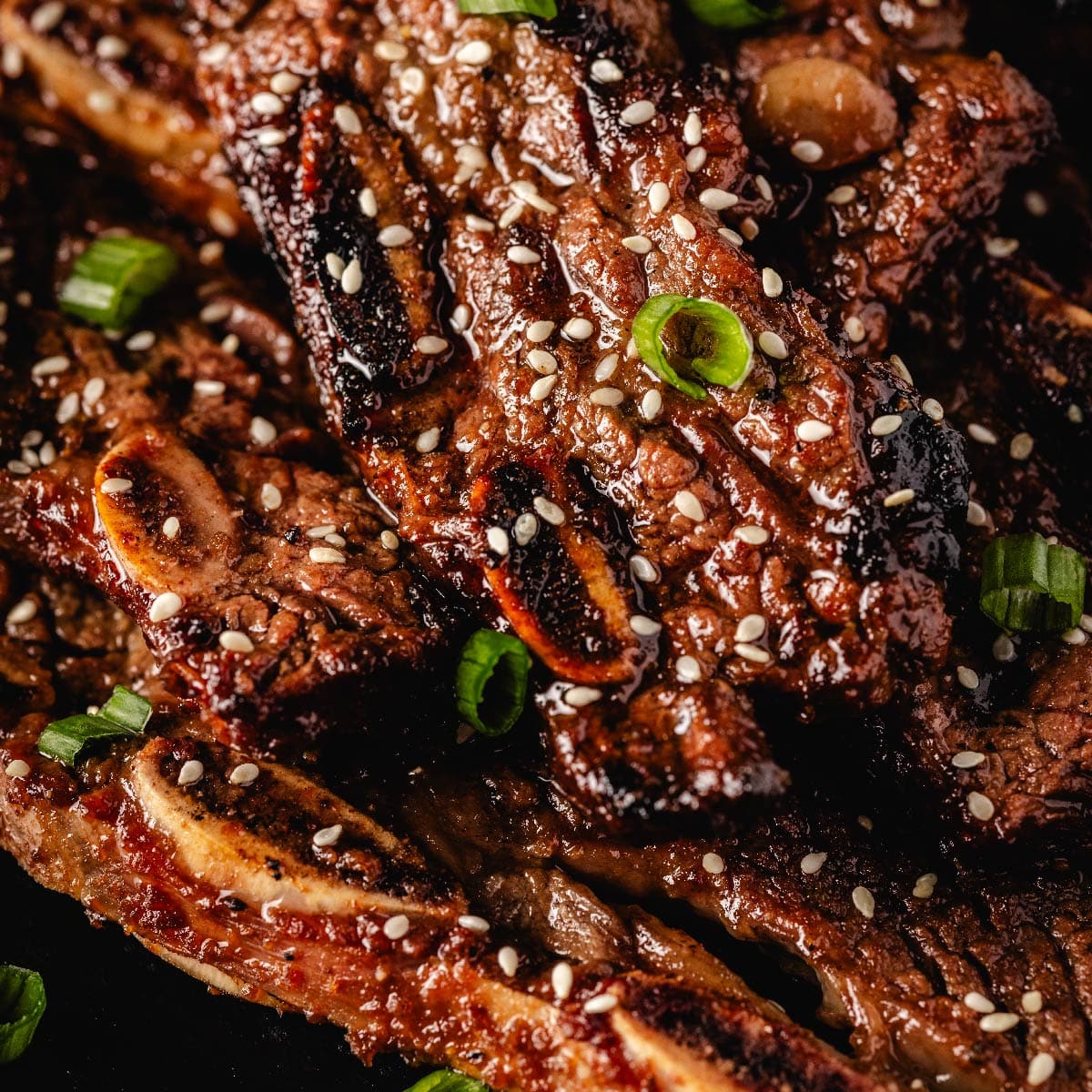
Korean barbecue, or gogi-gu-i, is a cornerstone of East Asian fire-based cooking. The specific preparation of Kalbi (or Galbi) involves the flanken-style cut of beef short ribs, which are sliced across the bone into thin strips. This cut is particularly suited for high-heat grilling, a departure from the traditional American approach to ribs which requires hours of rendering.
The technical brilliance of Kalbi lies in its marinade. Unlike acidic Western marinades that rely heavily on vinegar or citrus, Korean recipes frequently utilize fruit enzymes. Ingredients such as Asian pear, Fuji apple, and kiwi contain proteolytic enzymes (like calpain and actinidin) that break down tough muscle fibers, resulting in a tender texture without the need for prolonged cooking. The inclusion of soy sauce, ginger, and garlic provides a savory-sweet profile that caramelizes under direct flame, creating the characteristic charred exterior known as the Maillard reaction.

2. Caribbean Comfort: Pollo Guisado
While barbecue often focuses on dry heat, the Caribbean tradition of Pollo Guisado (Puerto Rican chicken stew) demonstrates the versatility of the outdoor kitchen. Adapting this dish for the backyard involves the use of heavy-duty cookware, such as a Dutch oven, placed directly on the grill or over coals.
The flavor profile is anchored by Sazón, a seasoning blend typically containing coriander, cumin, achiote, and garlic. The addition of olives and capers introduces a Mediterranean influence, reflective of the island’s colonial history. From a journalistic perspective, this dish highlights the hybridization of global cuisines—combining indigenous Caribbean ingredients with Spanish culinary techniques.
3. German Precision: Schwenkbraten
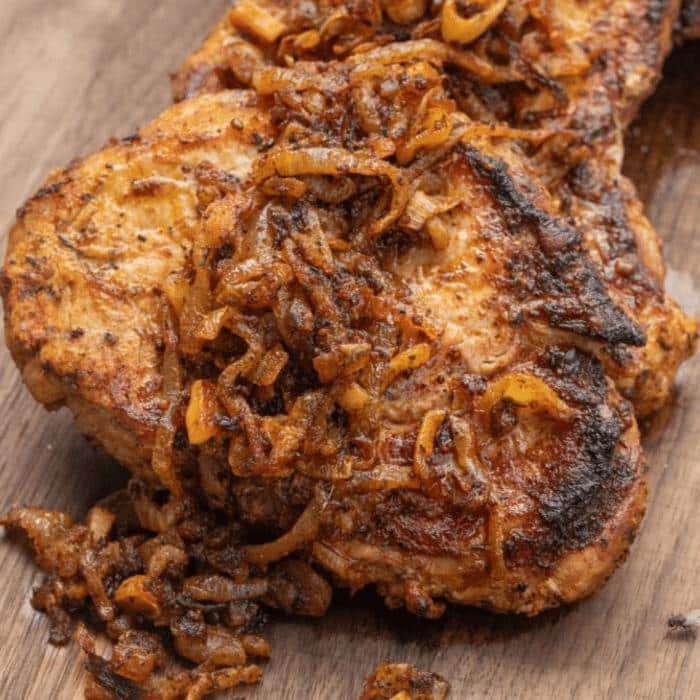
In the Saarland region of Southwestern Germany, the Schwenker is both the name of the grill, the meat being cooked, and the person doing the cooking. The Schwenkbraten consists of pork neck or chops marinated in a complex mixture of juniper berries, stone-ground mustard, and smoked paprika.
The tradition utilizes a swinging tripod grill, which allows the meat to move constantly over an open beechwood fire. This movement prevents flare-ups and ensures even heat distribution. For the modern backyard cook, the recipe serves as an introduction to the use of aromatics like juniper, which provides a piney, floral note that complements the natural smokiness of the pork.
4. Cantonese Smoked Traditions: Char Siu Pork
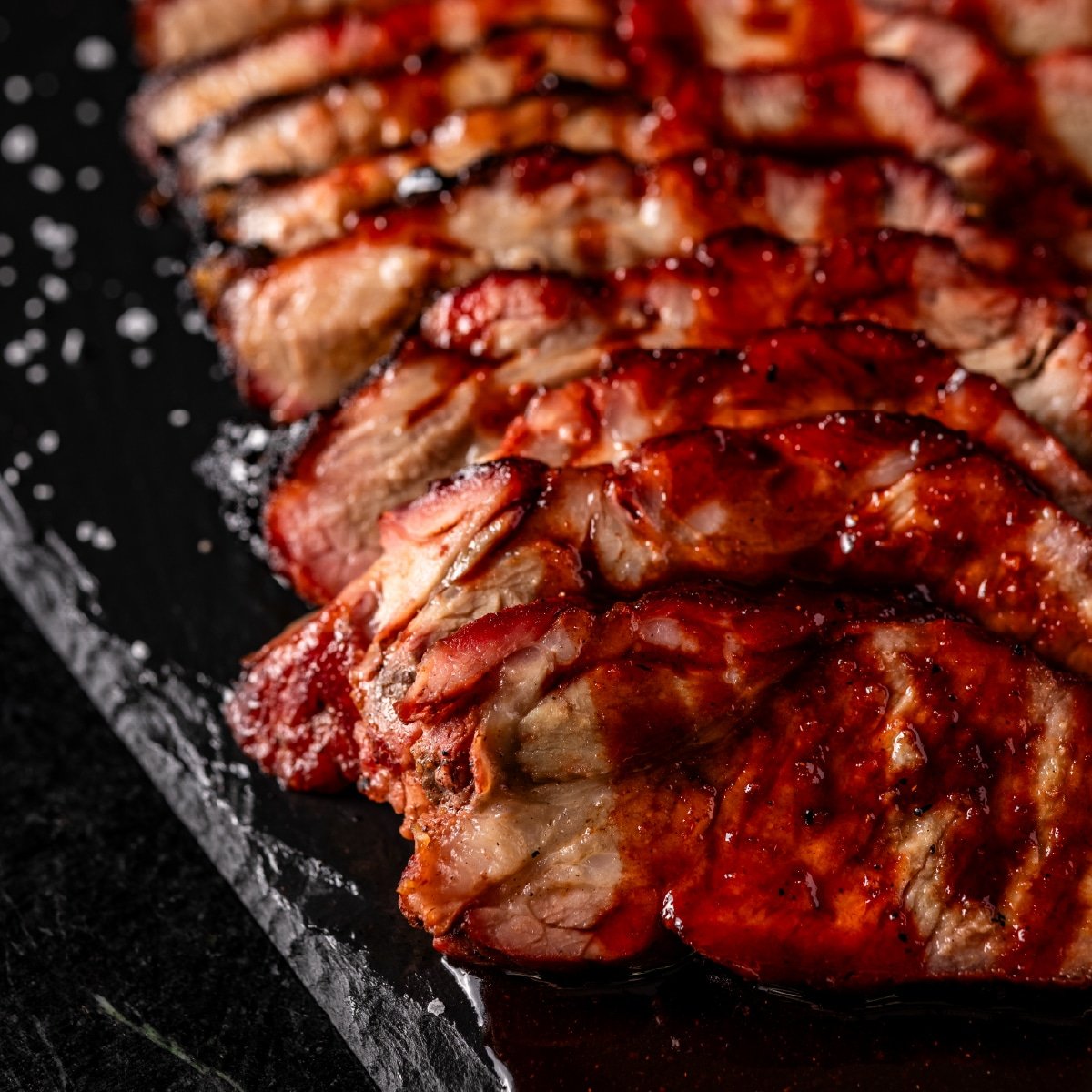
Char Siu, literally meaning "fork roasted," is a staple of Cantonese cuisine. Traditionally roasted in specialized ovens, the adaptation of this dish for the backyard smoker represents a fusion of Eastern flavors and Western smoking technology.
The hallmark of Char Siu is its vibrant red glaze and sweet-savory balance. This is achieved through a combination of hoisin sauce, honey, and red miso paste. The use of Chinese Five Spice—a blend of star anise, cloves, Chinese cinnamon, Sichuan pepper, and fennel seeds—adds a layer of complexity that distinguishes it from the molasses-based sauces of the American South. The smoking process adds a layer of depth that traditional roasting lacks, demonstrating how modern equipment can enhance ancestral recipes.

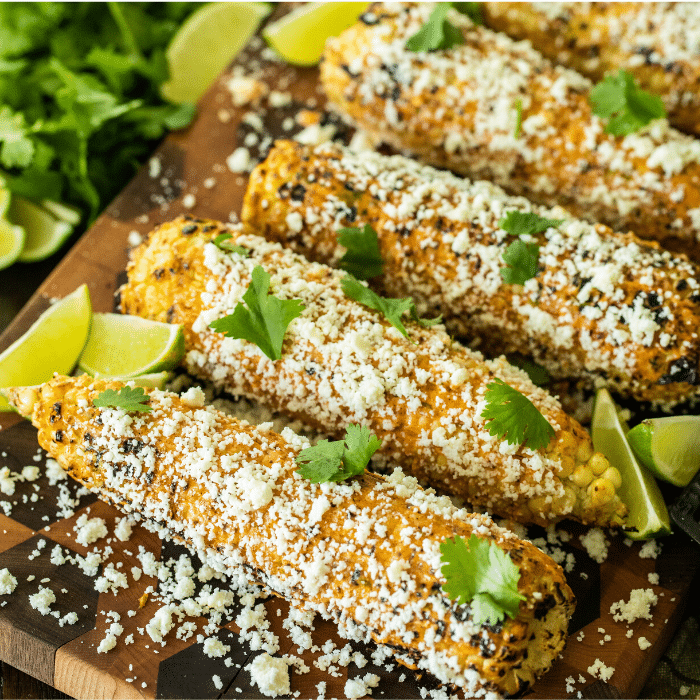
5. Mexican Street Food: Elote
As a side dish, Elote (Mexican street corn) has become a global phenomenon. It represents the "Antojitos" (little cravings) culture of Mexico. The preparation involves grilling corn until charred, then coating it in a mixture of crema or mayonnaise, chili powder, and lime juice, finished with a layer of Cotija cheese.
The popularity of Elote in backyard settings signifies a shift toward vegetable-centric barbecue. It utilizes the grill to caramelize the natural sugars in the corn, while the creamy and acidic toppings provide a counterpoint to the smoky flavor.
6. British Heritage: Beer Battered Fish and Chips
Though often associated with indoor deep-frying, the preparation of Fish and Chips in an outdoor setting is gaining traction as a "backyard hero" dish. The technical challenge lies in the batter. The use of beer introduces carbon dioxide and alcohol, which evaporate faster than water, creating a light, aerated crust.
Journalistic analysis of this trend suggests that the inclusion of rice flour—as seen in the Hey Grill Hey method—is a strategic move to ensure crispness. Rice flour does not develop gluten in the same way wheat flour does, preventing the batter from becoming "bready" or soggy, a common pitfall in home preparation.
Market Trends and Consumer Data
The rise of international barbecue recipes coincides with significant growth in the outdoor cooking industry. According to data from the Hearth, Patio & Barbecue Association (HPBA), over 70% of American households own a grill or smoker. Furthermore, a 2023 market analysis indicated that the global barbecue grill market is expected to reach an estimated $7.23 billion by 2030, growing at a CAGR of 4.8%.
This growth is not merely in hardware but in "flavor infrastructure." Consumers are increasingly purchasing global spice rubs and specialized fuels (such as fruitwoods or lump charcoal) to replicate international flavors. The "premiumization" of the backyard experience has led to a demand for high-quality, authentic recipes that move beyond burgers and hot dogs.
The Role of Digital Platforms in Culinary Education
The democratization of professional cooking techniques has been largely driven by digital platforms. The Hey Grill Hey App and similar digital tools have transformed the way home cooks approach complex tasks. By providing integrated shopping lists, meal planners, and step-by-step video tutorials, these platforms have lowered the barrier to entry for international cuisine.
Industry experts note that the "instructional economy" is a vital component of the modern barbecue scene. Home cooks are no longer reliant on family hand-me-down recipes; they are instead part of a global community where a cook in Utah can master a Cantonese pork recipe using data-driven smoking temperatures and digital meat probes.
Broader Impact and Implications
The integration of international BBQ recipes into the domestic repertoire has several broader implications:
- Cultural Appreciation: By engaging with the specific spices and techniques of other nations, home cooks develop a deeper understanding of global heritages. Barbecue serves as a "universal language" that fosters connection.
- Nutritional Diversity: Moving toward recipes like Pollo Guisado or Elote introduces a wider variety of vegetables and lean proteins into the diet compared to traditional heavy-meat barbecue.
- Economic Shift: Local grocery stores are adjusting their inventory to meet the demand for global ingredients, reflecting a change in the American pantry.
Conclusion: The Future of the Backyard Kitchen
As the boundaries between global cuisines continue to blur, the backyard grill will remain a primary site for culinary innovation. The 6 recipes highlighted—Kalbi, Pollo Guisado, Schwenkbraten, Char Siu, Elote, and Fish and Chips—are more than just meals; they are entries into a broader dialogue about how we eat and how we share our cultures.
The transition from a "Backyard BBQ Hero" to a "Global Gastronome" is facilitated by the availability of information and the willingness of the modern cook to experiment. As Susie Bulloch and other industry leaders continue to refine these methods, the neighborhood cookout is likely to remain a destination for bold, international flavors for years to come. The future of barbecue is not found in a single region, but in the collective fire-based traditions of the world.