


The culinary landscape of the post-holiday season is frequently defined by the strategic utilization of surplus proteins, a practice that has evolved from simple necessity into a sophisticated branch of domestic meal planning. Among these strategies, the preparation of Ham Tetrazzini has emerged as a prominent fixture in American households, particularly following the Easter and Christmas seasons. Modern iterations of this classic Italian-American casserole, such as those refined in professional test kitchens in Nashville, Tennessee, represent a shift toward from-scratch cooking methods that prioritize both fiscal responsibility and nutritional transparency. By moving away from the mid-century reliance on condensed canned soups and embracing fundamental French-inspired techniques like the roux, contemporary recipe developers are redefining the "leftover economy" for a new generation of cost-conscious consumers.

Historical Context and the Origin of the Tetrazzini
To understand the significance of the modern Ham Tetrazzini, one must examine its origins, which are rooted in the early 20th-century American luxury dining scene. The dish is widely believed to have been named after the Italian opera star Luisa Tetrazzini, a world-renowned soprano who made her American debut in San Francisco in the early 1900s. While the exact inventor remains a subject of debate among culinary historians, with both the Palace Hotel in San Francisco and the Knickerbocker Hotel in New York City laying claim to its creation, the original composition was a sophisticated arrangement of poultry or seafood, pasta, and a cream sauce enriched with sherry and parmesan.
As the decades progressed, particularly during the 1950s and 1960s, the dish underwent a dramatic transformation. The rise of processed "convenience foods" led to the popularization of the casserole format, where canned "cream of mushroom" or "cream of chicken" soups replaced the traditional velouté or béchamel bases. During this era, the dish transitioned from an elite hotel offering to a suburban household staple. The substitution of ham for the traditional chicken or turkey became common practice following large family gatherings, effectively turning the Tetrazzini into a primary vehicle for managing holiday food waste.

The Economic Impact of the Leftover Economy
In the current economic climate, characterized by fluctuating grocery indices and heightened food inflation, the efficiency of meal planning has become a critical focus for many households. Data provided by recent culinary analysis suggests that the cost-effectiveness of the Ham Tetrazzini is substantial. With a total recipe cost estimated at $7.65 and a per-serving cost of approximately $1.28, the dish provides a high-protein, calorie-dense meal at a fraction of the cost of contemporary fast-casual dining, which currently averages between $12 and $18 per person.
The "Budget Bytes" model, which underpins the Nashville Test Kitchen’s research, emphasizes the reduction of financial barriers to high-quality nutrition. By utilizing leftover ham—a protein that has already been accounted for in a previous holiday budget—the incremental cost of the meal is limited to pantry staples like spaghetti, flour, butter, and frozen vegetables. This approach aligns with broader sustainability goals, as reducing food waste at the consumer level is identified by environmental agencies as a key factor in reducing the carbon footprint of the domestic food supply chain.

Technical Methodology and Culinary Standards
The modern refinement of Ham Tetrazzini involves a rigorous testing process to ensure consistency and accessibility. In the Nashville Test Kitchen, recipe developers like Melissa Nolan—a graduate of Johnson and Wales University with experience at high-profile establishments such as New York’s Per Se—have sought to elevate the dish’s structural integrity. The primary technical adjustment in contemporary versions is the abandonment of canned stabilizers in favor of a traditional roux.
The Roux-Based Emulsification Process
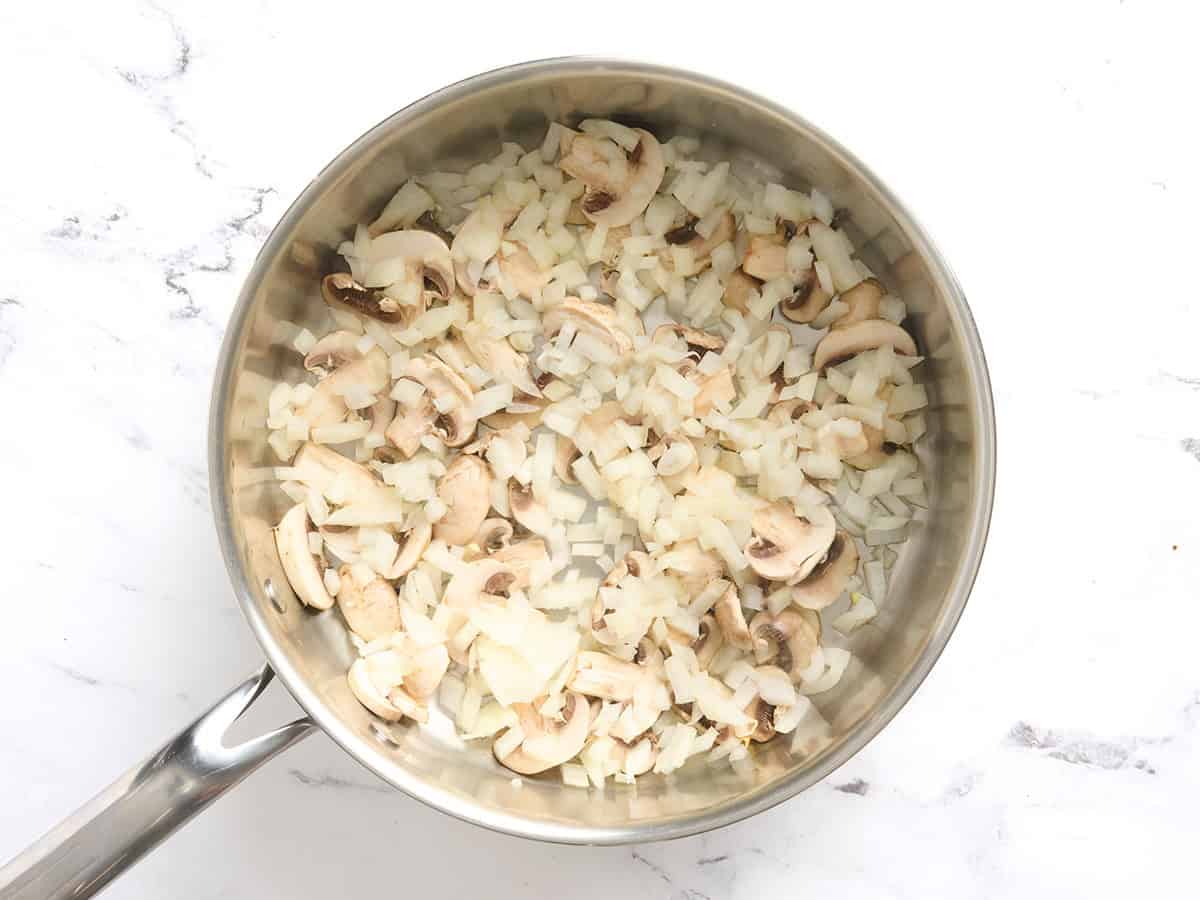
The process begins with the creation of a roux, a mixture of equal parts fat and flour. By melting butter and whisking in all-purpose flour, the cook creates a base that, when combined with chicken broth and milk, results in a velvety béchamel sauce. This method allows for greater control over sodium levels and flavor profiles compared to pre-packaged alternatives. The integration of aromatics, specifically diced onions and sliced mushrooms, provides a foundational umami layer that complements the saltiness of the cured ham.

Ingredient Composition and Substitutions
The standard composition of the modern Ham Tetrazzini includes:
- Protein: Two cups of diced cooked ham, which can range from leftover baked ham to fully cooked ham steaks.
- Starch: Eight ounces of spaghetti, cooked to an al dente state to prevent mushiness during the secondary baking phase.
- Vegetables: Frozen peas and mushrooms, which provide textural contrast and essential vitamins.
- Dairy: A combination of milk and shredded cheddar cheese. While parmesan was the historical standard, cheddar has become a preferred alternative in many American regions for its superior melting properties and sharp flavor profile.
Chronology of Preparation and Thermal Processing
The preparation of Ham Tetrazzini follows a logical progression designed to maximize efficiency and food safety. The timeline typically involves 20 minutes of active preparation followed by 25 to 30 minutes of thermal processing in a preheated oven at 375°F (190°C).

- Preparation Phase: The oven is preheated, and the casserole dish is prepared with non-stick agents.
- Boiling Phase: Spaghetti is boiled until just tender. Crucially, it is rinsed briefly to halt the cooking process, ensuring it retains its structure when later subjected to the creamy sauce and oven heat.
- Sauté Phase: Aromatics and fungi are softened in vegetable oil, creating the flavor base.
- Sauce Construction: The roux is formed, and liquids are integrated gradually to ensure a smooth emulsion without clumping.
- Integration Phase: The cooked pasta, ham, and vegetables are tossed within the sauce to ensure even distribution of ingredients.
- Baking Phase: The assembly is topped with cheese and baked until the internal temperature reaches a safe level and the surface achieves a bubbly, golden-brown state.
Nutritional Analysis and Dietary Considerations
From a nutritional standpoint, a single serving of Ham Tetrazzini provides approximately 494 calories, making it a substantial main course. The macronutrient breakdown reflects a balanced profile for a comfort-food dish:
- Protein: 24 grams (48% of the daily value), largely derived from the ham and dairy components.
- Carbohydrates: 43 grams, provided by the pasta and flour.
- Fats: 25 grams, primarily from the butter and cheese.
- Sodium: 1314 milligrams. This figure is significant and reflects the inherent salt content of cured ham and chicken broth. Analysts suggest that consumers monitoring their sodium intake utilize low-sodium broths or "Better Than Bouillon" concentrates to manage these levels more effectively.
Broader Implications and Consumer Reactions
The resurgence of the Tetrazzini reflects a broader trend in the American culinary consciousness: the "New Comfort Food" movement. This movement seeks to reconcile the nostalgia of mid-century "Mom’s cooking" with modern demands for "cleaner" ingredient lists and financial pragmatism.
Industry analysts observe that dishes like Ham Tetrazzini serve as a psychological and fiscal bridge for families during the transition from holiday excess to the routine of the working week. Reactions from domestic cooks indicate a high level of satisfaction with the dish’s versatility. It is noted for its ability to be frozen and reheated, fitting the requirements of the growing "meal prep" demographic. Furthermore, the ability to substitute proteins—using turkey, chicken, or even canned tuna—ensures the recipe’s longevity beyond the specific window of the Easter ham.
Conclusion and Future Outlook
As the domestic sphere continues to adapt to a rapidly changing economic environment, the role of the test kitchen in providing validated, low-cost recipes becomes increasingly vital. The Nashville Test Kitchen’s work on the Ham Tetrazzini demonstrates that culinary tradition is not static; it is a living process of adaptation and improvement. By applying professional standards to humble ingredients, developers are ensuring that the Tetrazzini remains a relevant and beloved solution for managing resources in the modern home.

The future of such dishes likely involves further experimentation with alternative grains and plant-based proteins, but the core principle remains unchanged: the creation of a cohesive, comforting, and cost-effective meal that honors the history of the dish while serving the practical needs of the present. Through rigorous testing and a focus on fundamental techniques, the Ham Tetrazzini has successfully transitioned from a high-society luxury to a pillar of the modern budget-friendly kitchen.