

The landscape of the global gin market underwent a fundamental shift in 1999 with the introduction of Hendrick’s Gin. Produced by William Grant & Sons at the Girvan distillery in Scotland, the brand departed from the centuries-old London Dry tradition by introducing a flavor profile defined by Bulgarian Rosa Damascena and specially selected cucumbers. This "unusual" approach not only carved out a new sub-category often referred to as New Western Dry Gin but also established a foundation for what would eventually become the "Cabinet of Curiosities." Under the direction of Master Distiller Lesley Gracie, this experimental line has released a series of limited-edition expressions that attempt to push the boundaries of botanical infusion. As of late 2024, the collection has grown significantly, inviting a rigorous analysis of which releases have successfully captured the brand’s eccentric spirit and which have faltered under the weight of their own complexity.
The Genesis and Distillation Architecture of Hendrick’s
To understand the Cabinet of Curiosities, one must first understand the technical specifications of the Hendrick’s base. Unlike standard gins produced in a single still, Hendrick’s utilizes a combination of two distinct spirits. The first is produced in a Bennett still, a traditional copper pot still dating back to 1860, which yields a heavy, oily spirit with deep botanical complexity. The second is produced in a rare Carter-Head still, which uses a vapor-infusion basket to create a lighter, more delicate floral spirit.
The marriage of these two distillates, further enhanced by the post-distillation essence of rose and cucumber, provides the canvas for Lesley Gracie’s experiments. The Cabinet of Curiosities was officially inaugurated to allow Gracie the freedom to explore seasonal inspirations and rare botanicals without altering the core identity of the flagship product. This initiative aligns with broader industry trends where premium gin sales have seen a compound annual growth rate (CAGR) of approximately 5% over the last decade, driven largely by consumer interest in "limited-run" and "artisanal" flavor profiles.
A Chronological Analysis of the Cabinet of Curiosities Rankings
The following evaluation ranks the Hendrick’s portfolio from the least successful experimental release to the definitive flagship, based on botanical balance, mixability, and adherence to the brand’s core identity.
8 Hendrick’s Flora Adora (2023)
Introduced in early 2023, Flora Adora was marketed as a celebration of the "enticing flowers that entice nectar-loving insects." While the concept was philosophically aligned with the brand’s garden-centric imagery, the execution was met with mixed critical reception. The gin incorporates a secret bouquet of botanicals including lavender, rose, and hibiscus.
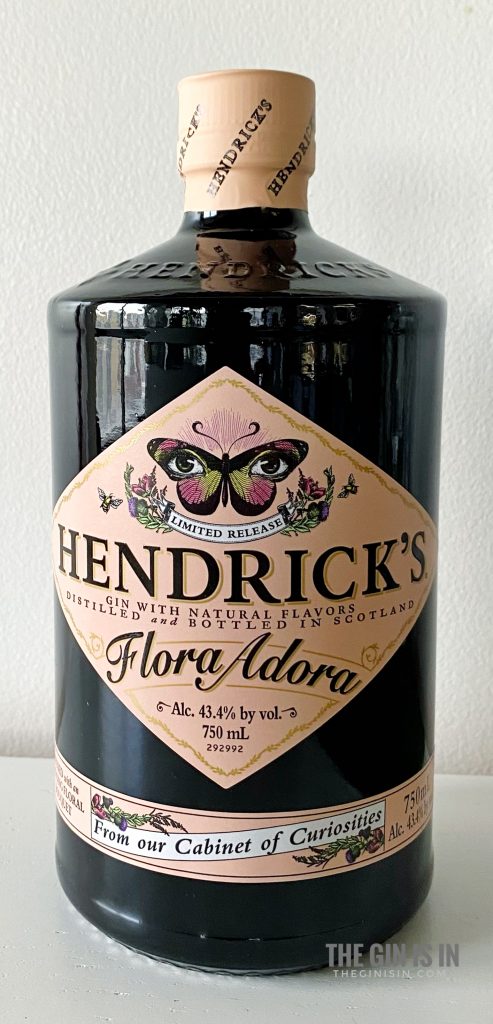
Analytically, the spirit presents a high concentration of floral esters that many industry tasters found overwhelming. On the palate, the dominant notes of honeysuckle and tuberose frequently transition into a "soapy" texture, a common risk when lavender and lilac are used in high concentrations. While it performs adequately in the "Wildgarden Cup"—a signature serve involving fresh mint and cucumber—it lacks the versatility required for classic cocktails like the Martini or the Negroni, where its perfume-like qualities can clash with vermouth or bitter liqueurs.
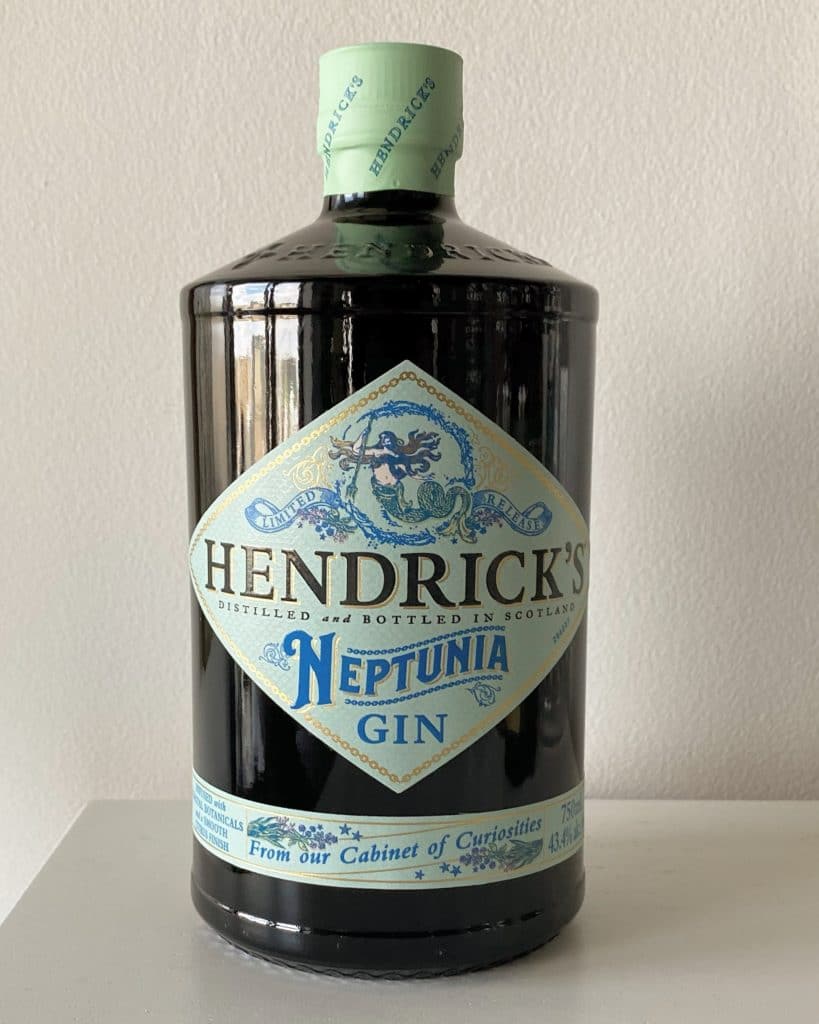
7 Hendrick’s Neptunia (2022)
Neptunia represented the brand’s foray into the "maritime gin" trend, inspired by the rugged coastline of Ayrshire, Scotland. Released in 2022, it aimed to capture the essence of sea spray and coastal botanicals. The flavor profile is characterized by a briny, savory undertone that suggests the influence of Mediterranean-style gins like Gin Mare.
Data from consumer feedback loops suggests that while Neptunia is a competent spirit, it suffers from a lack of cohesion. The transition from heady citrus to a piney, herbal finish is described by some critics as "cacophonous." In a market where savory gins are becoming more specialized, Neptunia’s attempt to remain "distinctly Hendrick’s" while simultaneously being "distinctly coastal" results in a profile that feels somewhat unbalanced.
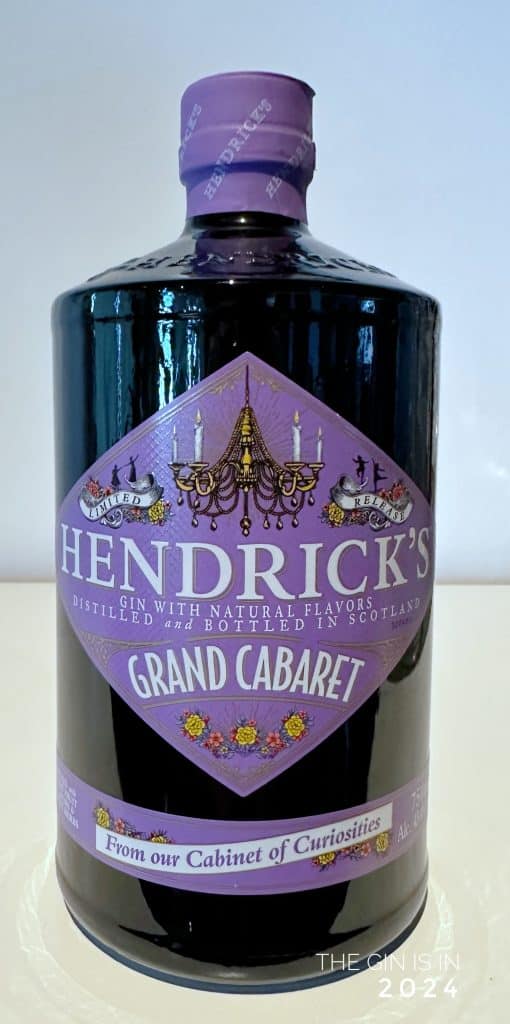
6 Hendrick’s Amazonia (Global Travel Retail Exclusive)
Amazonia was born from Lesley Gracie’s 2013 expedition to the Venezuelan Amazon. Though it features high-quality botanicals such as tonka bean and pink peppercorn—both of which are highly regarded in modern distillation—the final product leans heavily into tropical fruit territory.
The emphasis on pineapple and passionfruit notes makes Amazonia an outlier in the Hendrick’s lineup. While it serves as an excellent base for Tiki-style drinks or fruit-forward long drinks, it loses the juniper-forward structural integrity that defines the category. In the hierarchy of the Cabinet, it is viewed as a novelty rather than a staple, overshadowed by more balanced fruit-forward releases like Grand Cabaret.
5 Hendrick’s Lunar (2021)
Released during the height of the global pandemic in 2021, Lunar was inspired by the "nocturnal ambiance" of the distillery’s botanical gardens. This expression moved away from the bright florals of previous releases, opting for a spice-led profile.
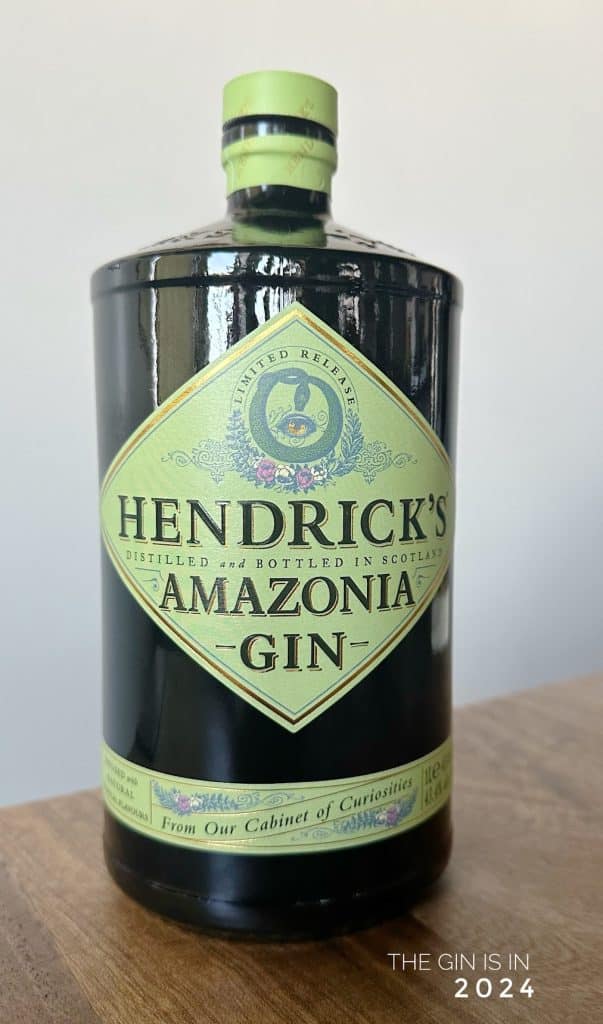
Lunar features a moderate floral nose of violet and jasmine but is grounded by black peppercorns and coriander. This shift toward warmth and spice makes it a more versatile mixer than Flora Adora or Neptunia. It integrates well into a Negroni, where the spice notes complement the herbal complexity of Campari. However, for purists who seek the crispness of a traditional gin, the "warmth" of Lunar may feel slightly at odds with the refreshing reputation of the brand.
4 Hendrick’s Orbium (2017/2018)
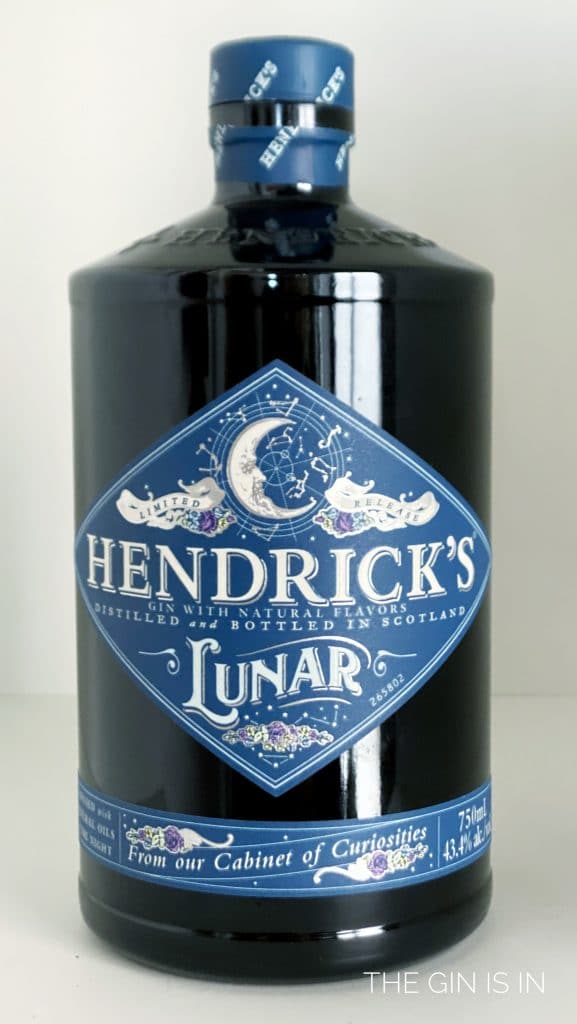
Orbium is perhaps the most intellectually stimulating release in the collection. It was designed to be a "deconstructed" version of a Gin and Tonic or a Martini, incorporating quinine, wormwood, and lotus blossom.
The addition of wormwood provides a bitter herbal profile reminiscent of vermouth, while the quinine echoes the flavor of tonic water. This makes Orbium a polarizing but highly effective spirit for "wet" Martinis and bitter cocktails. It represents a sophisticated evolution of the Hendrick’s DNA, appealing to a demographic that favors dry, complex, and slightly medicinal flavor profiles.
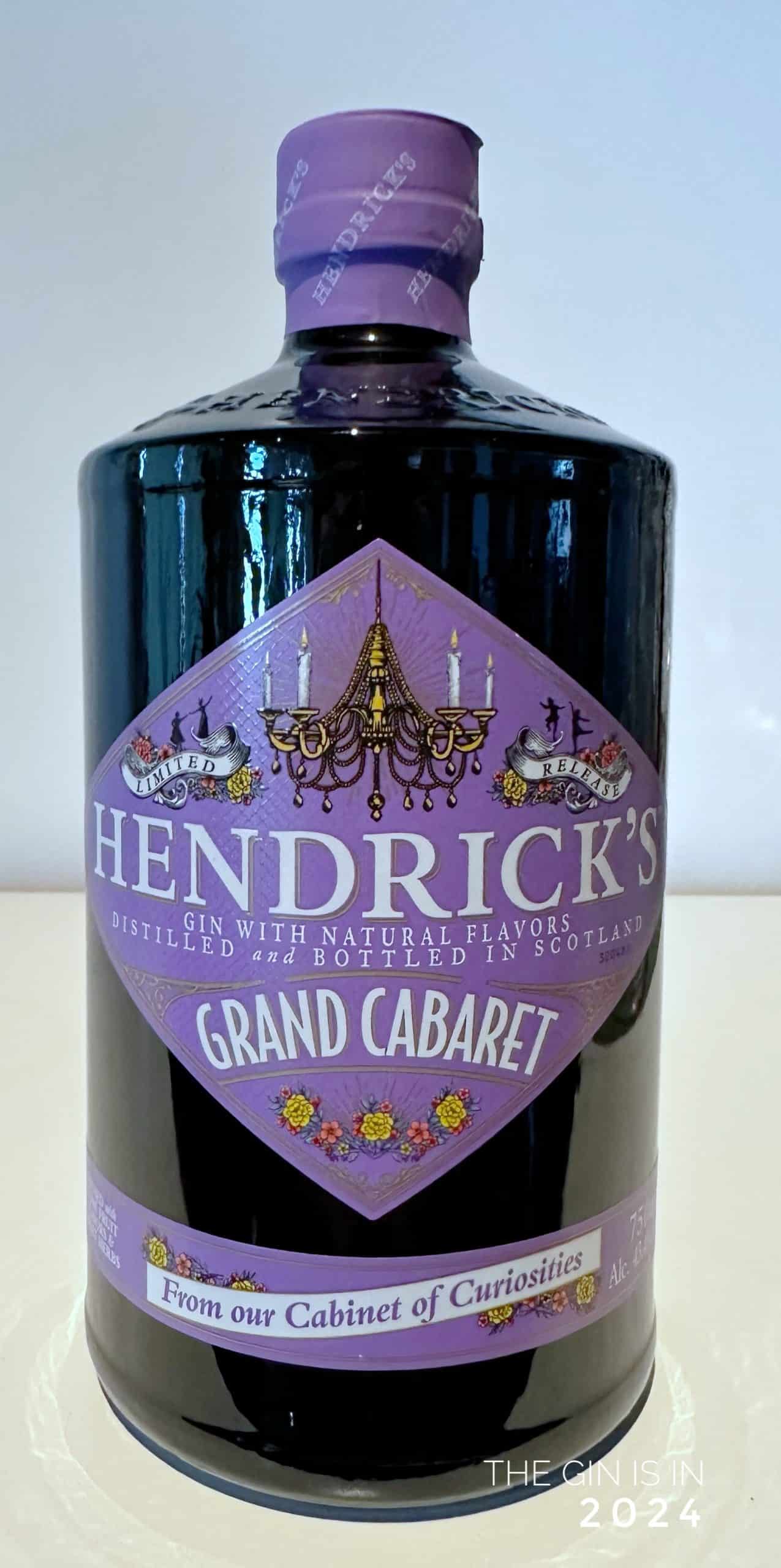
3 Hendrick’s Grand Cabaret (2024)
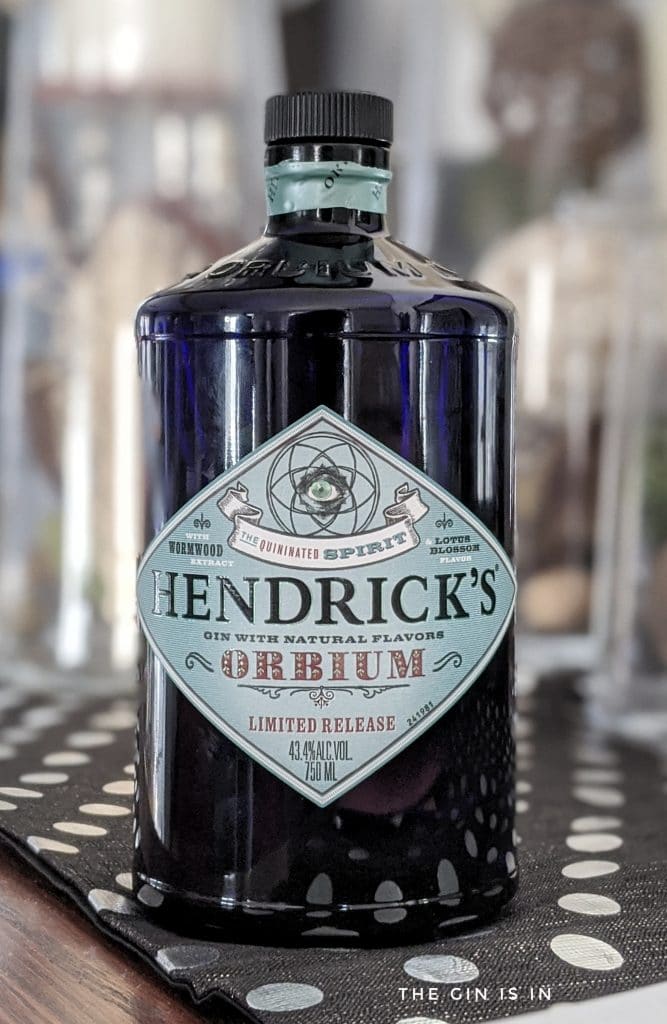
The newest addition to the lineup as of 2024, Grand Cabaret, draws inspiration from 17th-century French stone fruit distillates. Focusing on apricots and mirabelle plums, this release manages to balance fruitiness with the structural requirements of gin.
Unlike Amazonia, which feels somewhat disjointed, Grand Cabaret maintains a clear juniper presence that acts as a trellis for the honeyed notes of stone fruit. It reflects a growing trend in the spirits industry toward "nostalgic" and "heritage" flavors. While it is less suitable for bitter drinks, it excels in simple highballs with lemonade or premium tonic, making it one of the most accessible and successful limited editions in years.
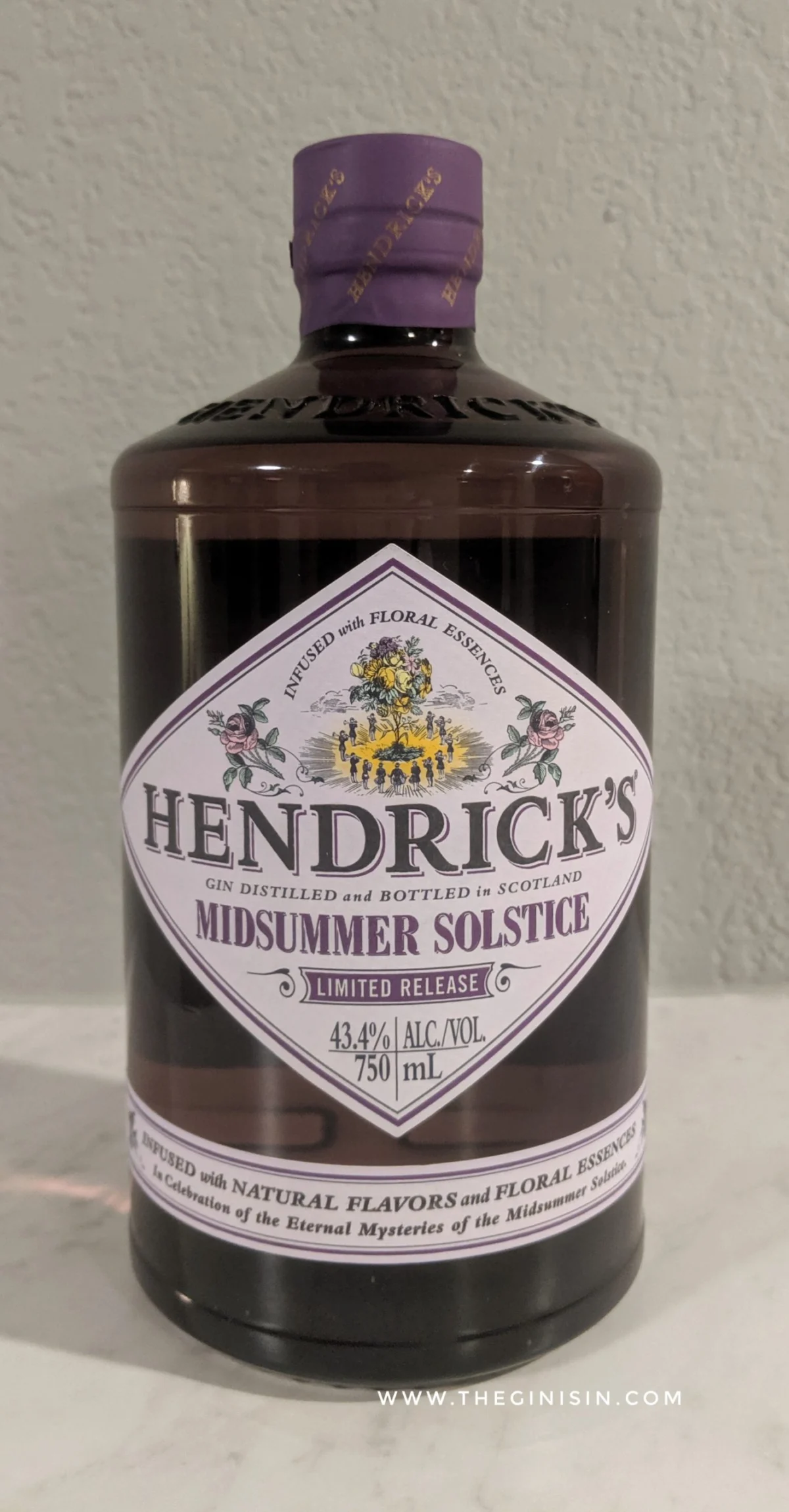
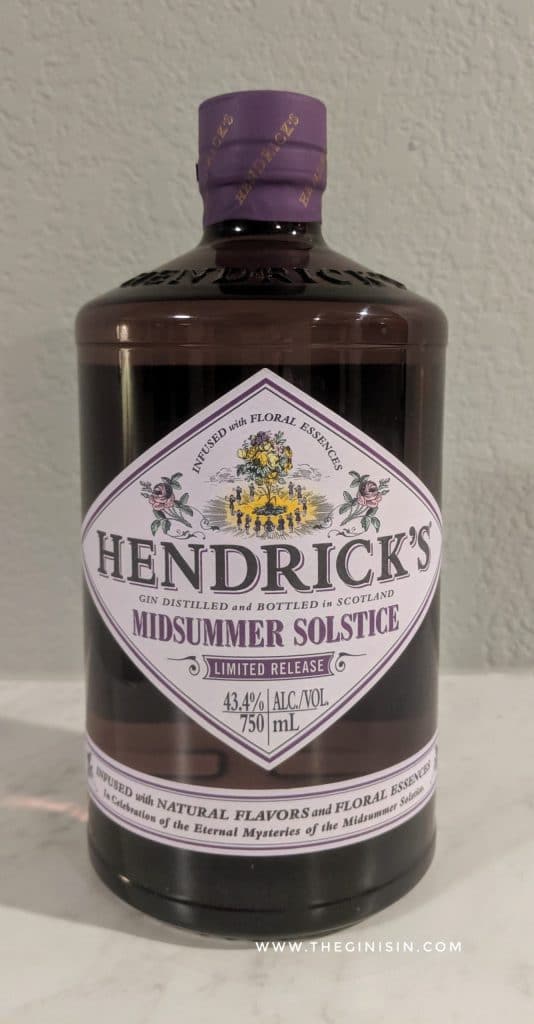
2 Hendrick’s Midsummer Solstice (2019)
Midsummer Solstice remains a benchmark for how to execute a floral gin without descending into "perfume" territory. Launched in 2019 to celebrate the peak of the summer season, it utilized natural floral essences to create a profile that was both sweet and zesty.
The inclusion of raspberry and strawberry notes, balanced by a crisp juniper finish, allowed Midsummer Solstice to compete in the "pink gin" category without relying on artificial coloring or excessive sugar. Its commercial success was significant, often cited by retailers as the release that proved the long-term viability of the Cabinet of Curiosities as a recurring revenue stream for William Grant & Sons.
1 Hendrick’s Flagship (Original)
Despite the innovation found in the experimental releases, the original Hendrick’s Gin remains the pinnacle of the product line. Launched in 1999, it solved a problem that many modern gins still struggle with: how to be "different" without being "gimmicky."
The balance of the 11 core botanicals—including coriander, juniper, lemon peel, and angelica—combined with the post-distillation infusion of rose and cucumber, creates a flavor profile that is both iconic and inimitable. The flagship’s versatility remains unmatched, performing with equal excellence in a Gin and Tonic, a Gimlet, or a Dirty Martini. Its historical significance as the "pioneer of the gin renaissance" ensures its place at the top of the ranking.
Market Context and Industry Implications
The strategy behind the Cabinet of Curiosities reflects a broader shift in the spirits industry toward "premiumization" and "collectibility." According to data from the IWSR (International Wine and Spirits Record), the premium gin segment has remained resilient even as the standard gin market has fluctuated. Limited editions allow a legacy brand like Hendrick’s to remain relevant in a market saturated with thousands of new craft distilleries.
Furthermore, the "unusual" branding of Hendrick’s has had a tangible impact on the agricultural sector. The demand for high-quality cucumbers and specific rose varieties for distillation has created specialized supply chains that did not exist 25 years ago.
Official Stance and Future Outlook
Master Distiller Lesley Gracie has often stated that the Cabinet of Curiosities is not merely a marketing tool but a genuine reflection of her laboratory work. "Each release is a liquid memory," Gracie has remarked in various industry briefings. This commitment to narrative-driven distillation has allowed Hendrick’s to maintain a 10% share of the global premium gin market.
As the industry moves toward 2025, analysts expect Hendrick’s to continue exploring hyper-regional botanicals and historical recipes. The success of Grand Cabaret suggests that there is still significant consumer appetite for fruit-forward yet sophisticated gins. While not every "curiosity" hits the mark, the collective body of work produced by the Girvan distillery remains a vital component of the modern cocktail era, ensuring that the "unusual" stays at the forefront of the global spirits conversation.
