

The New Economic Landscape of the American Kitchen
The current pricing crisis at the checkout counter is no longer a simple byproduct of post-pandemic recovery or general monetary inflation. Instead, market analysts point to a "triple threat" of economic pressures: high import duties on raw produce, aggressive tariffs on metal packaging materials, and increased logistics costs driven by global energy volatility. For the average consumer, this manifests in the "breakfast table surcharge"—a phenomenon where basic staples like coffee, orange juice, and canned proteins are subject to multiple layers of taxation before they reach the shelf.
In 2024, grocery inflation had largely flattened to a predictable baseline. However, the subsequent years saw a reversal of this trend. Recent comparative cost analyses of popular household recipes conducted in July 2026 reveal price jumps ranging from 27% to 46%. These increases are not uniform; they are specifically concentrated in items that rely on international supply chains or metal-based preservation methods.
Chronology of Trade Volatility: 2024 to 2026
To understand the current state of the American grocery budget, one must examine the legislative and judicial timeline that shaped the last 24 months.
2024: The Period of Stabilization
Following the chaotic price spikes of 2022 and 2023, the 2024 fiscal year was marked by a return to normalcy. Supply chains had largely corrected, and the Consumer Price Index (CPI) for food-at-home remained steady.
Mid-2025: The Implementation of Broad Tariffs
In an effort to bolster domestic manufacturing and respond to international trade imbalances, the administration introduced a series of aggressive tariffs. This included a notable 17% duty on imported Mexican tomatoes following the withdrawal from the U.S.-Mexico Tomato Suspension Agreement. Simultaneously, steep duties were placed on green coffee imports from Brazil and Colombia.

February 2026: Judicial Intervention
The United States Supreme Court ruled that several of the administration’s emergency tariff frameworks were legally overreaching. This provided a brief, temporary reprieve for certain commodities, most notably coffee and bananas, which are not grown in commercial quantities within the United States.
July 2026: The "New Baseline" Tariffs
In response to the judicial setbacks, the administration pursued alternative legal avenues to implement a fresh round of trade measures. This included baseline tariffs of 10% to 12.5% targeting 60 trading partners. More severe measures were enacted against specific nations, including 50% tariffs on Canadian imports and 25% on Brazilian goods, citing national security and domestic industry protections.
The "Can Tax": Understanding the Impact of Metal Tariffs
One of the most pervasive drivers of grocery inflation in 2026 is not the food itself, but its container. Canned goods, traditionally the refuge of the budget-conscious shopper, have become one of the most volatile categories in the supermarket.
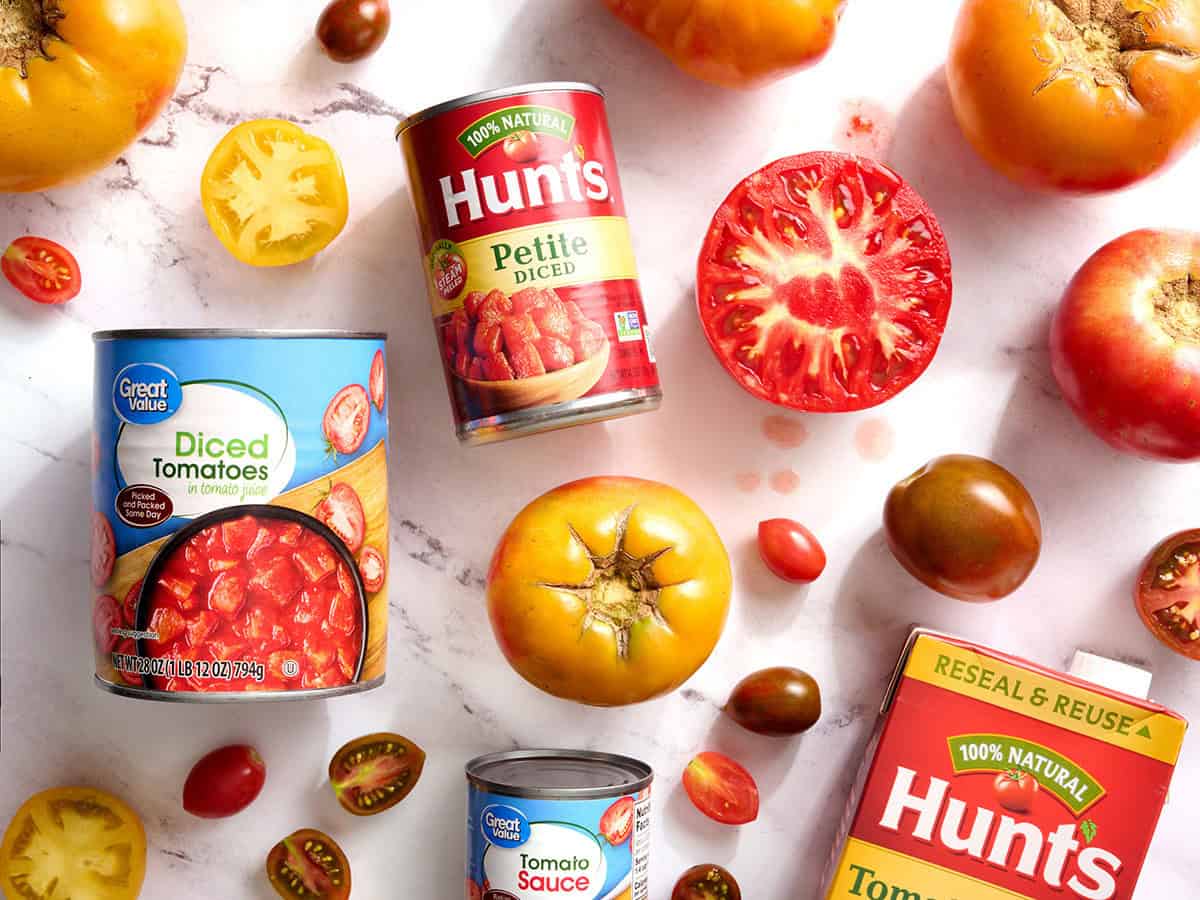
The primary culprit is the sustained tariff on food-grade tinplate steel and aluminum. Because a significant portion of the aluminum used in American canning is sourced from foreign markets, Section 232 tariff orders have remained a permanent fixture of the cost structure. Importers pay these taxes at the port of entry, passing the cost to food processors, who in turn pass them to retailers. By the time a can of beans or diced tomatoes reaches the consumer, the "packaging tax" can represent up to 20% of the item’s retail price.
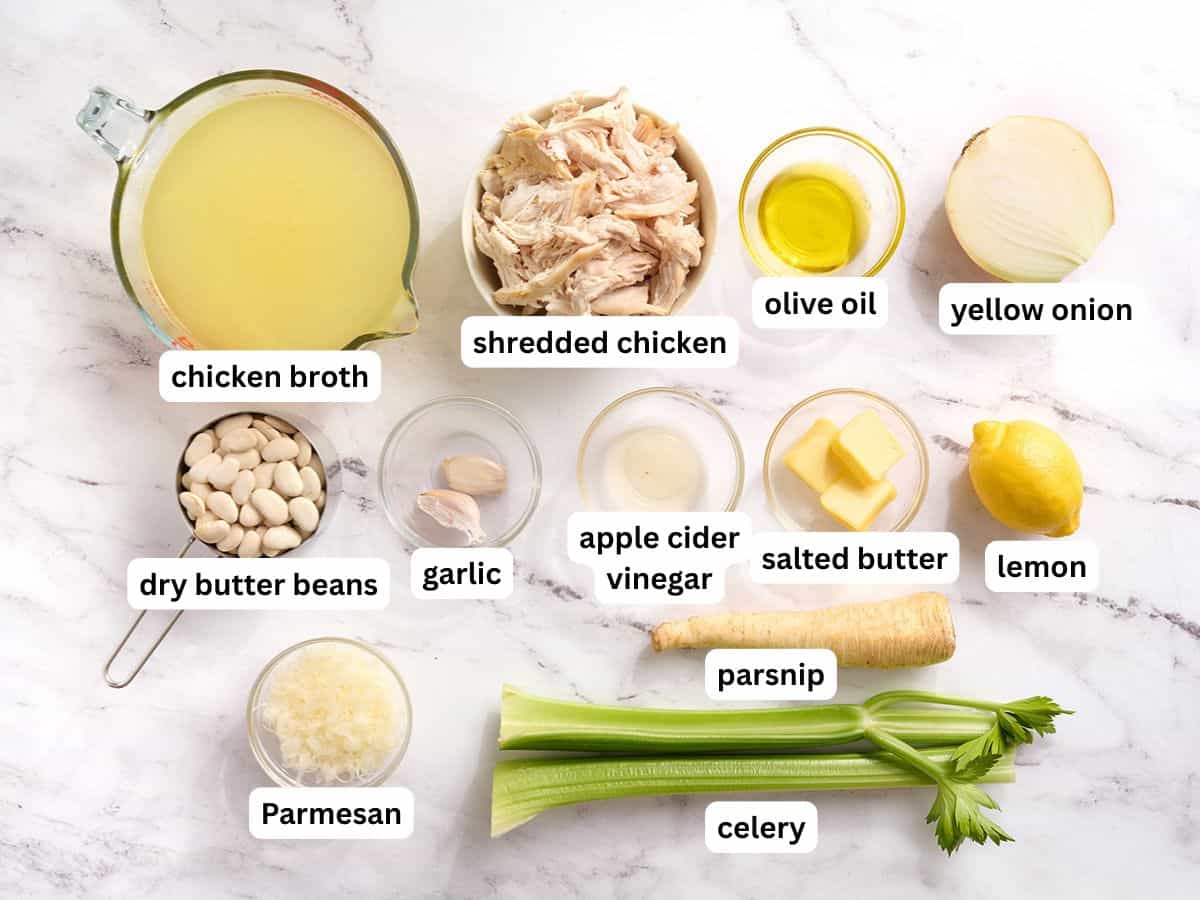
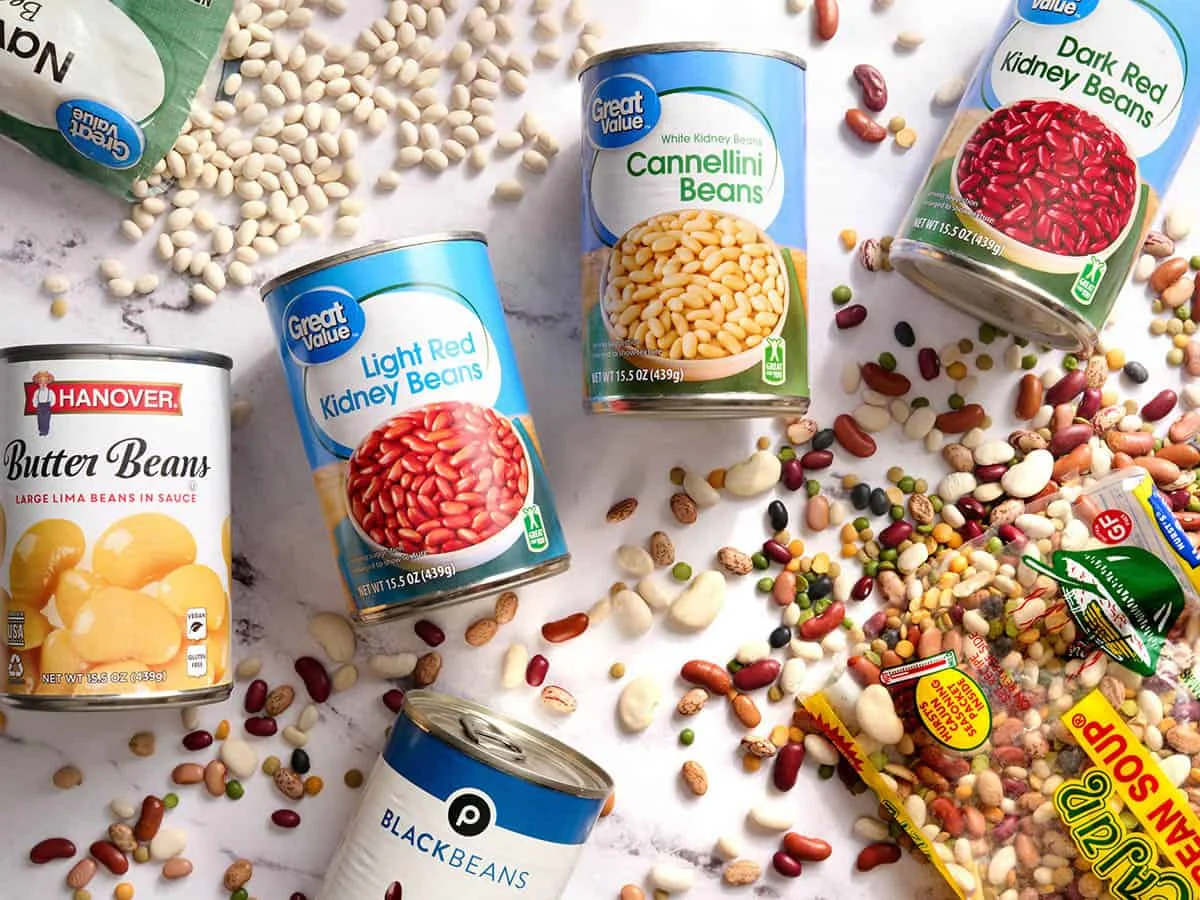
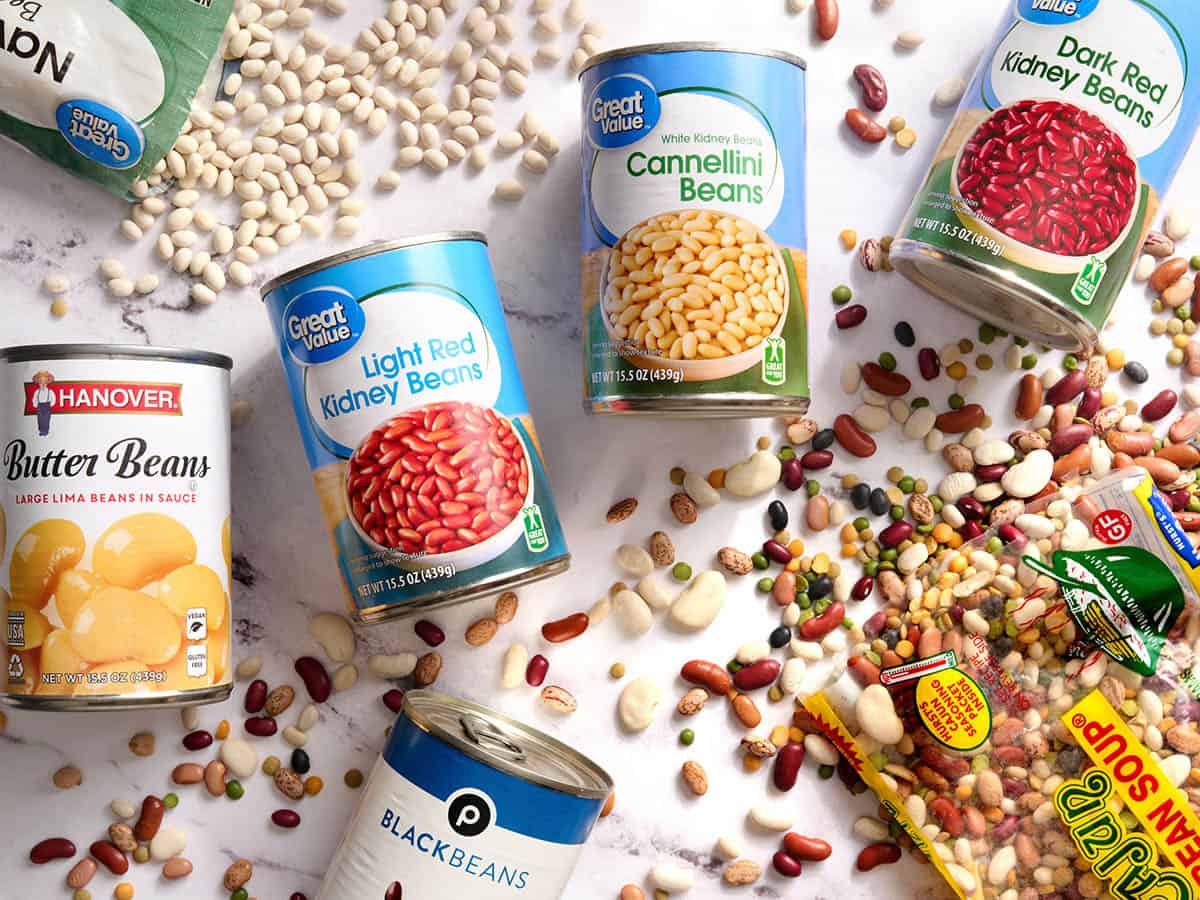
Market data indicates that while the cost of growing legumes or corn may remain stable, the cost of the metal can has increased by nearly 40% since 2024. This has led to a significant market shift, with consumers increasingly opting for "dry" alternatives or cardboard-boxed "Tetra Pak" packaging, which often bypasses these specific metal-centric duties.
Comparative Analysis: Recipe Cost Projections
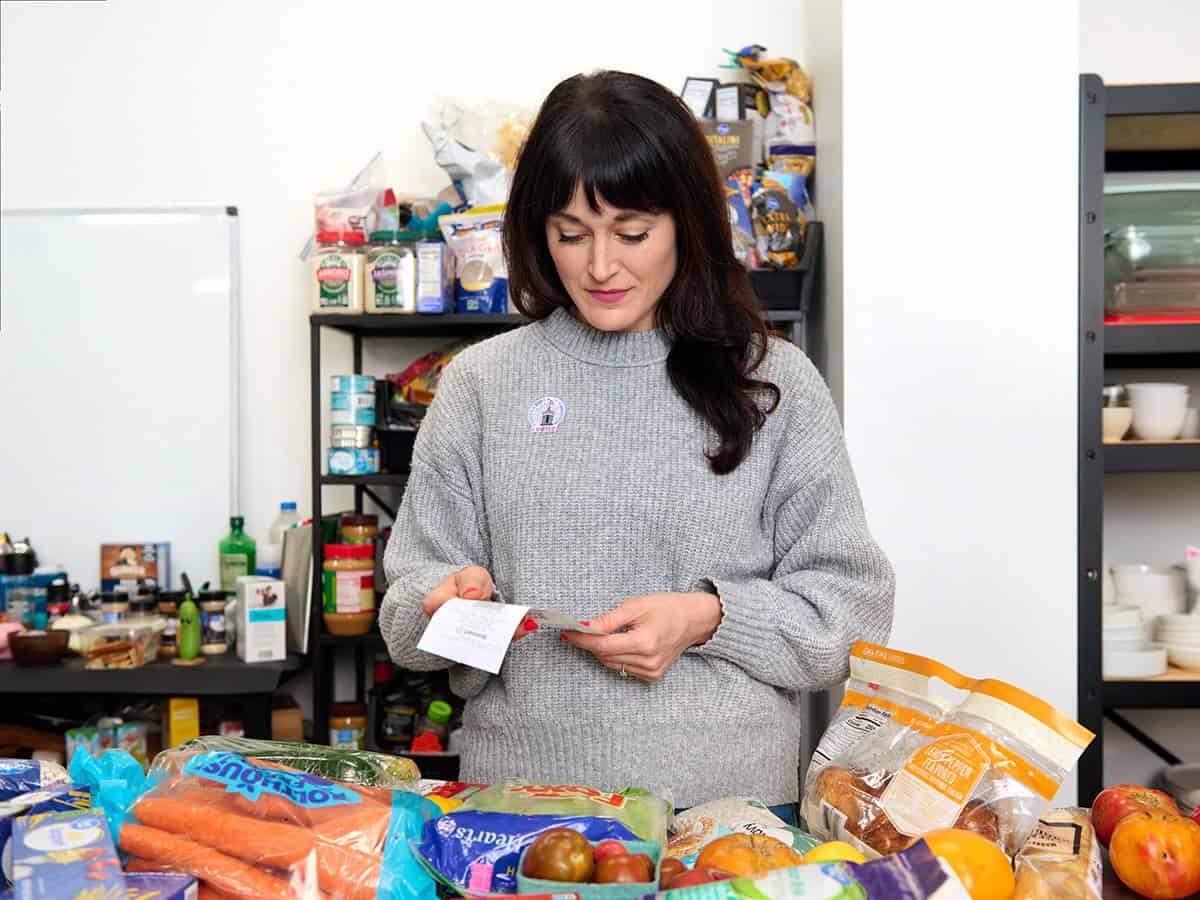
To illustrate the granular impact of these policies, economists have utilized "recipe re-costing" to track how specific trade markups hit the dinner plate. Three primary examples from July 2026 highlight the disparity:
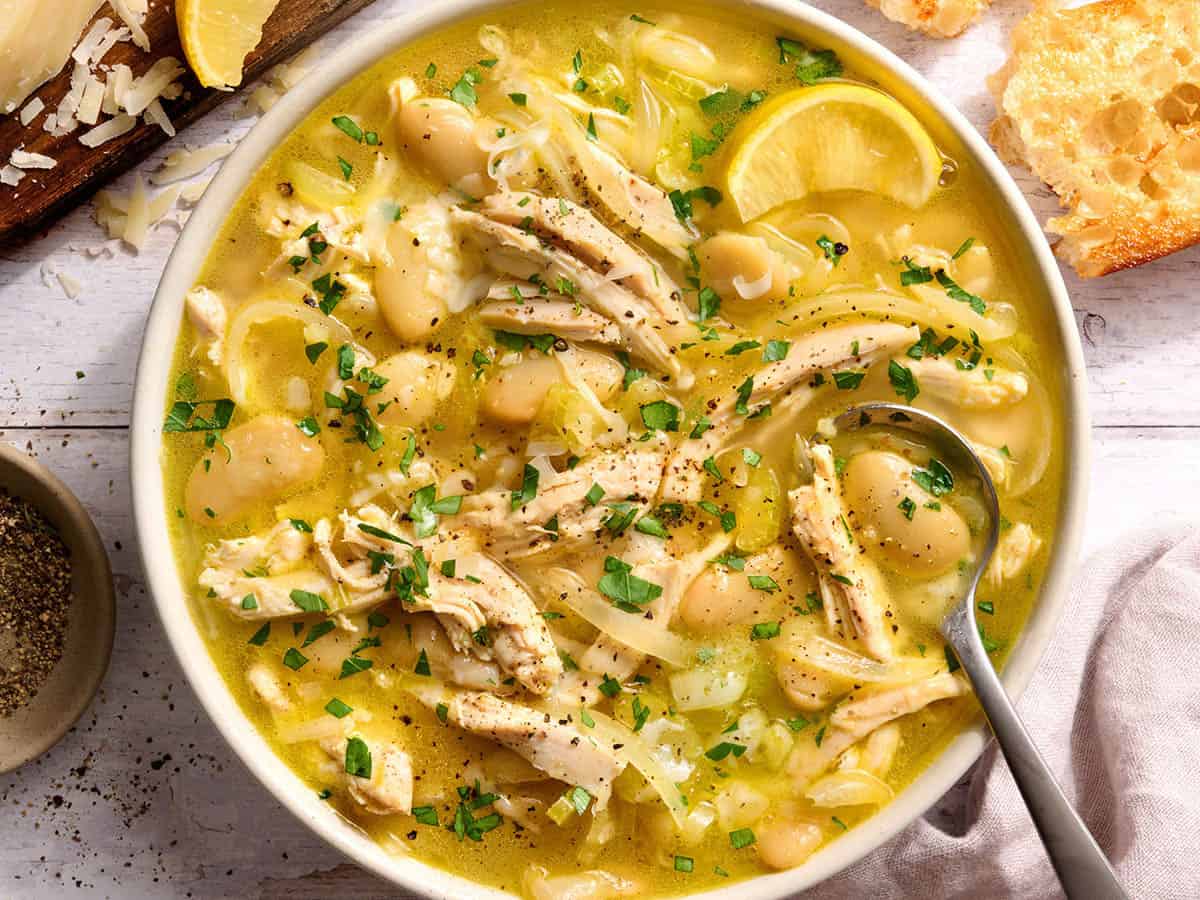
- Seafood and Legume-Based Meals: A standard shrimp and white bean stew that cost approximately $11.22 in 2024 now retails for $15.69, a 39.84% increase. The data shows that 1lb of shrimp—90% of which is imported in the U.S.—rose by 23% due to port tariffs and refrigerated transport surcharges. Furthermore, the two cans of beans required for the recipe jumped by $1.62, almost entirely due to metal packaging duties.
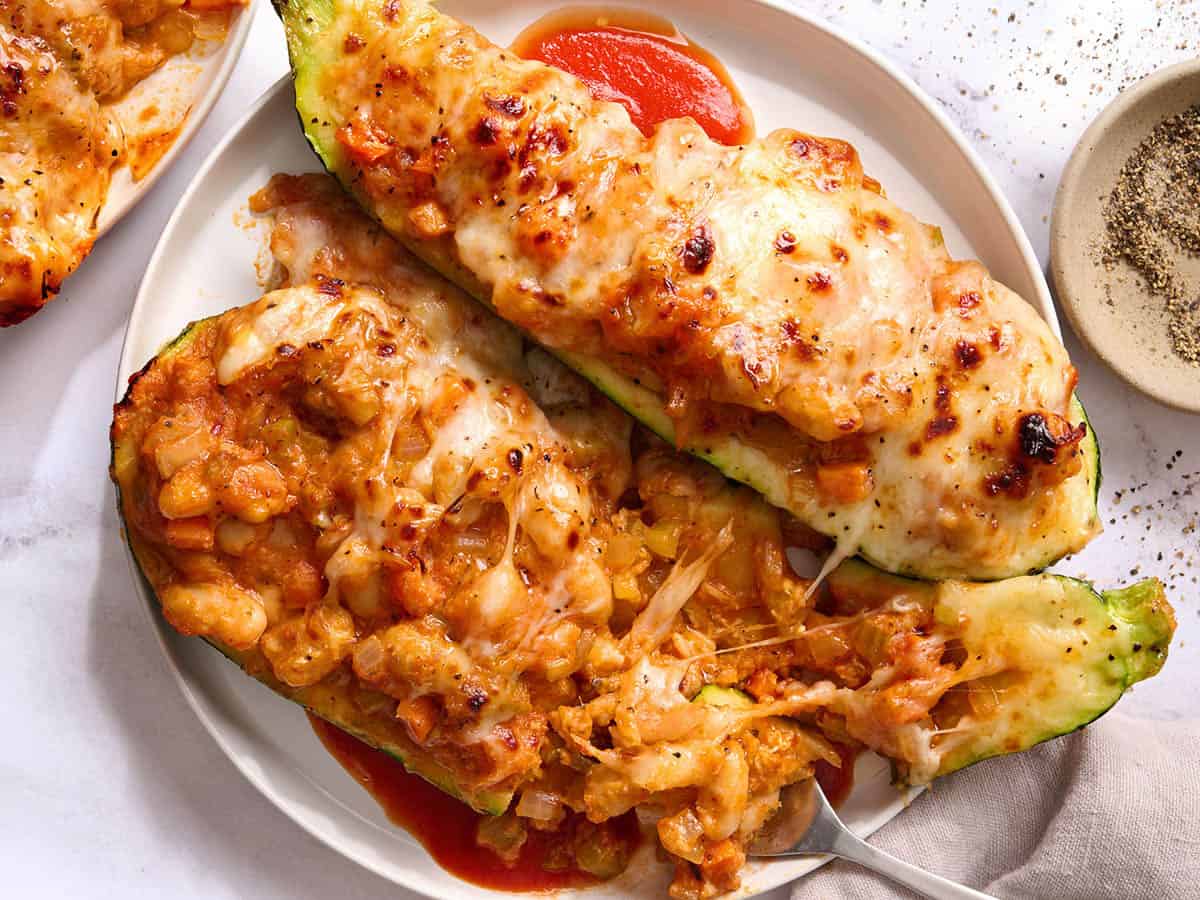
- Produce-Heavy Entrees: Stuffed tomato recipes have seen the sharpest increase, with costs rising 46.28%. The 17% tariff on Mexican tomatoes, which supply 70% of the U.S. market, has turned a summer staple into a luxury item. When combined with higher fertilizer costs and diesel freight surcharges, the cost of fresh produce has outpaced almost every other category.
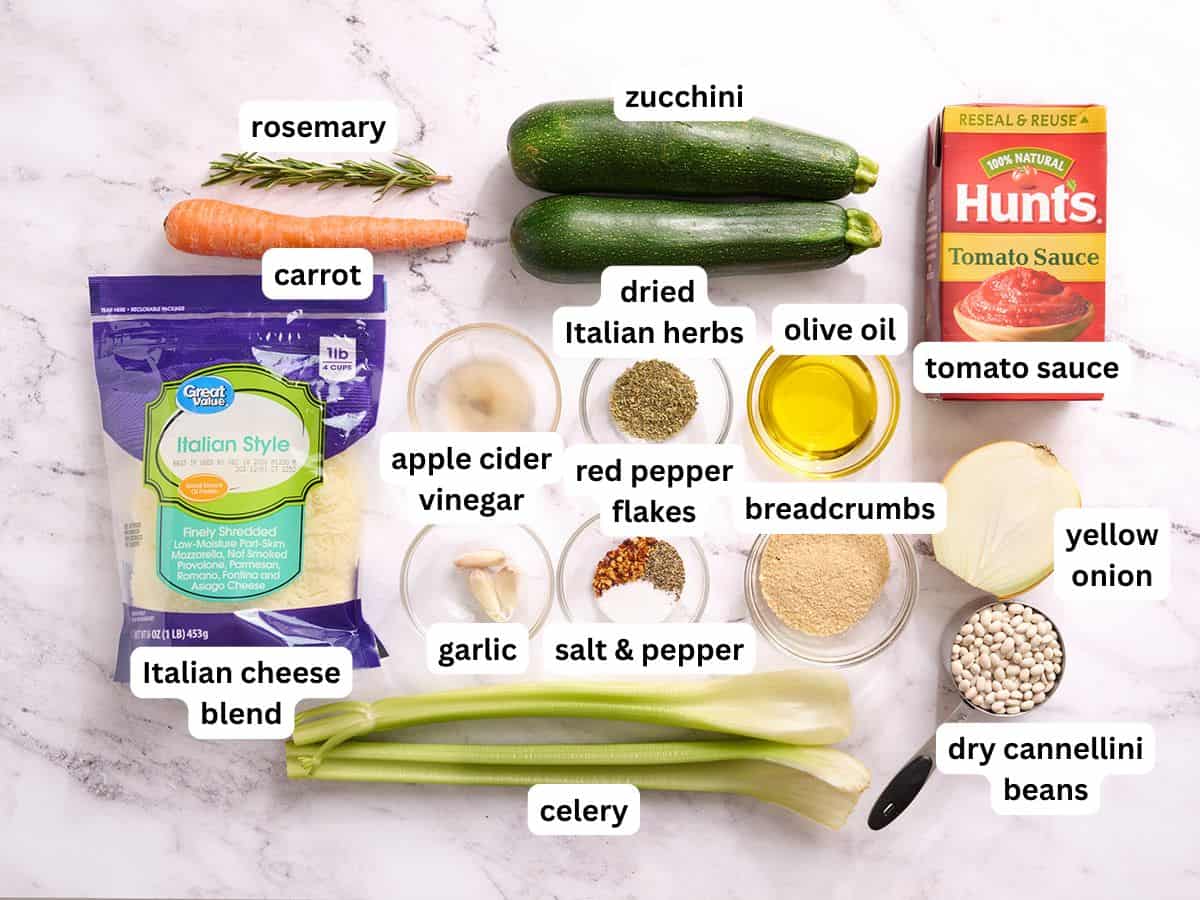
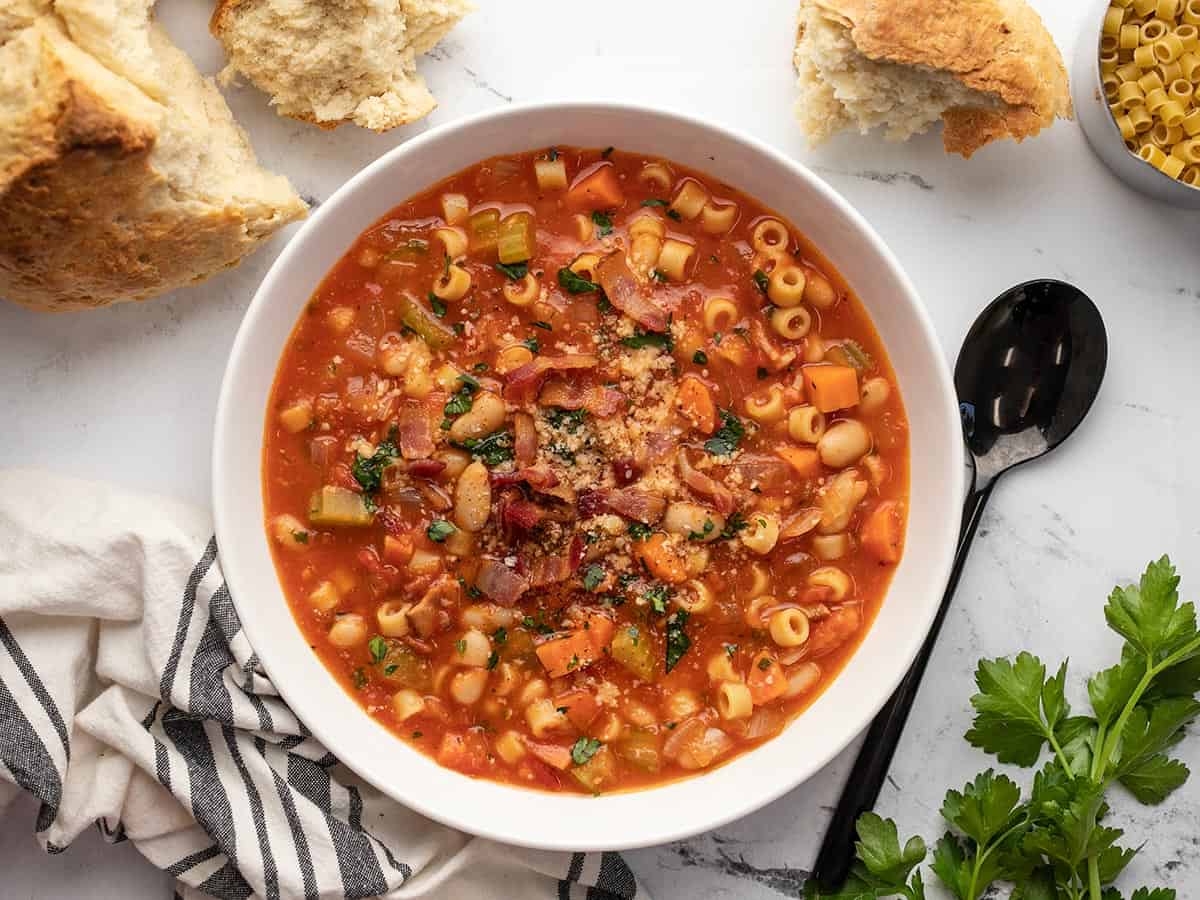
- Pasta and Pantry Staples: Pasta-based meals have shown more resilience, with a 27.57% increase. This lower rate of inflation is attributed to the use of domestic durum wheat and the avoidance of metal packaging. However, the inclusion of canned tomato bases or imported cheeses still pulls the overall cost upward.
Commodity-Specific Disruptions: From Beef to Seafood
The impact of current trade policy is highly segmented across different food groups, as evidenced by the latest USDA monthly updates:
- Beef: The United States currently faces a historic domestic cattle shortage. To meet demand for ground beef, the industry relies on lean beef trimmings from Australia and Brazil. High import tariffs on these trimmings, combined with low domestic supply, have driven retail ground beef prices to record highs.
- Seafood: With 80% to 90% of seafood consumed in the U.S. being imported, the sector remains highly vulnerable to anti-dumping tariffs and Section 301 trade measures. Countries like Vietnam, India, and Indonesia remain under heavy scrutiny, ensuring that seafood inflation continues to outpace long-term baselines.
- Confectionery: Sugar, chocolate, and sweets from Europe and Canada face elevated costs due to high sugar tariffs and supply chain restrictions. While cocoa was recently exempted from certain reciprocal tariffs, import allowance limits on sugar keep domestic manufacturing costs high.
- Frozen Goods: Products like frozen fries, heavily imported from Canada and Belgium, are exposed to standard bilateral tariffs and logistical overhead, keeping wholesale and retail costs elevated.
The "Middleman Effect" and Distribution Surcharges
A critical, often overlooked component of grocery inflation is the American middleman distribution system. Unlike direct-to-consumer models, the vast majority of grocery items pass through multiple warehouses and third-party logistics providers.
When a tariff is applied at the port, it is not merely a flat tax added to the final price. Instead, each entity in the supply chain—from the importer to the regional distributor to the retailer—often applies a percentage-based markup to their total cost, which now includes the tariff. This creates a compounding effect where a 10% tariff at the border can result in a 20% or 30% increase in the final shelf price. Furthermore, the "war in Iran" and subsequent regional instability have led to sustained diesel surcharges, further inflating the cost of moving goods from ports to inland grocery hubs.
Policy Implications and the Legislative Response
The persistence of high grocery prices has become a central theme in Congressional debate. Since 2025, Congress has voted numerous times to support and continue the current administration’s tariff policies, citing the need to protect American farmers and manufacturers from foreign subsidies.
However, the legislative record shows a growing divide. While some officials advocate for the total rejection of cost-raising tariffs on essential neighbors like Canada, others argue that these duties are necessary leverage in broader geopolitical negotiations. As the 2026 midterm elections approach, the voting records of elected officials regarding trade policy are under increased scrutiny by consumer advocacy groups, such as the Campaign for a Family Friendly Economy and Michigan Families for Fair Care.
Economic Outlook: Strategies for Budget Resiliency
As the trade war shows no signs of an immediate resolution, market experts suggest that the "tariff-proof" pantry will become a staple of American household management. This involves a strategic shift toward domestic staples and alternative packaging.
Key Adaptive Strategies Include:
- The Transition to Dry Goods: Bypassing the "metal packaging tax" by purchasing beans, grains, and legumes in bags rather than cans.
- Prioritizing Domestic Store Brands: Opting for retailer-owned brands (such as Walmart’s Great Value or Kroger’s Heritage Farm) that utilize 100% domestic supply chains, thereby incurring $0 in import tariffs.
- Seasonal and Local Sourcing: Utilizing local farmers’ markets to bypass the regional distribution networks and international trade duties that affect large supermarket chains.
- Protein Pivoting: Shifting away from tariff-heavy imports like shrimp or foreign-blended beef in favor of domestic poultry and pork, which remain more insulated from international trade volatility.
In conclusion, the grocery landscape of late 2026 is defined by a shift from broad-based inflation to policy-driven price escalations. While the macro-economic goal of these tariffs remains the protection of domestic industry, the immediate micro-economic reality for the American family is a significantly higher cost of living. Understanding the origin of these costs—whether in a metal can or a port in Mexico—remains the consumer’s primary tool for navigating an increasingly expensive food market.
