

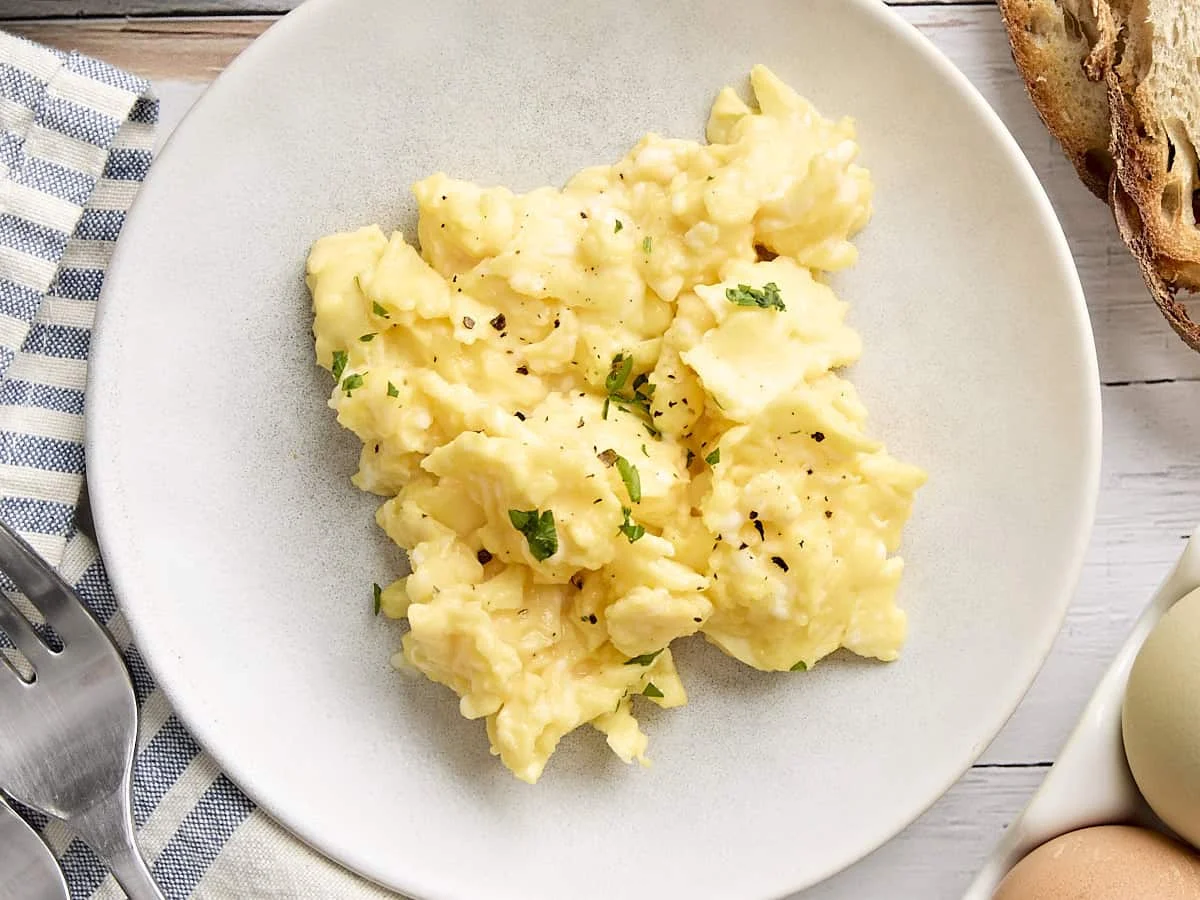
The domestic chicken egg has emerged as a critical focal point of global food security, nutritional science, and consumer economics, serving as one of the few high-quality protein sources that remains accessible across diverse socioeconomic strata. As inflationary pressures and supply chain disruptions have impacted global food markets over the last several years, the egg has maintained its status as a primary refrigerator staple. This resilience is attributed not only to its relatively low cost per gram of protein but also to its extraordinary culinary adaptability. From the foundational techniques of boiling and frying to the integration of modern kitchen technology like the air fryer, the egg represents a unique intersection of traditional gastronomy and contemporary convenience.

Data from the United States Department of Agriculture (USDA) and various international food agencies highlight the egg’s role as a "gold standard" for protein quality, containing all nine essential amino acids required by the human body. Beyond protein, eggs provide significant amounts of choline, lutein, and zeaxanthin, which are critical for brain health and vision. As consumers increasingly seek nutrient-dense foods that fit within tightening household budgets, the culinary industry has responded with a renewed focus on egg-centric meal planning, moving the ingredient beyond the traditional breakfast window into lunch, dinner, and portable meal-prep solutions.
Market Dynamics and Economic Context
The economic landscape for eggs has faced significant volatility since 2022. According to the Bureau of Labor Statistics (BLS), the Consumer Price Index for eggs saw unprecedented spikes due to outbreaks of Highly Pathogenic Avian Influenza (HPAI), which forced the culling of millions of commercial layers. Despite these temporary price surges, eggs have remained significantly more affordable than beef, poultry, or pork on a per-serving basis. This cost-efficiency has driven a surge in "egg-flation" discourse, eventually leading to a market stabilization where eggs once again serve as the bedrock of the "budget-friendly" kitchen.

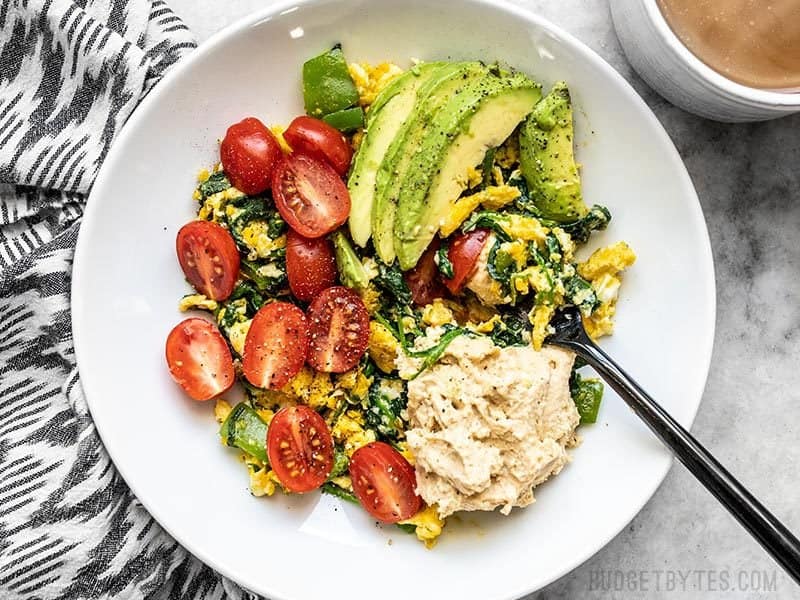
Culinary research conducted in facilities such as the Nashville Test Kitchen emphasizes that the affordability of eggs is maximized when they are used as a "stretching" agent. By incorporating inexpensive bulk ingredients such as spinach, potatoes, and black beans, a single carton of eggs can be transformed into multiple high-volume meals. This strategy has become a cornerstone of modern home economics, allowing families to maintain nutritional standards while reducing overall grocery expenditures.

A Chronology of Culinary Technique: From Tradition to Innovation
The history of egg preparation is a timeline of human innovation in heat management and texture control. The evolution of these techniques reflects broader shifts in kitchen technology and lifestyle demands.
Foundational Thermal Processing
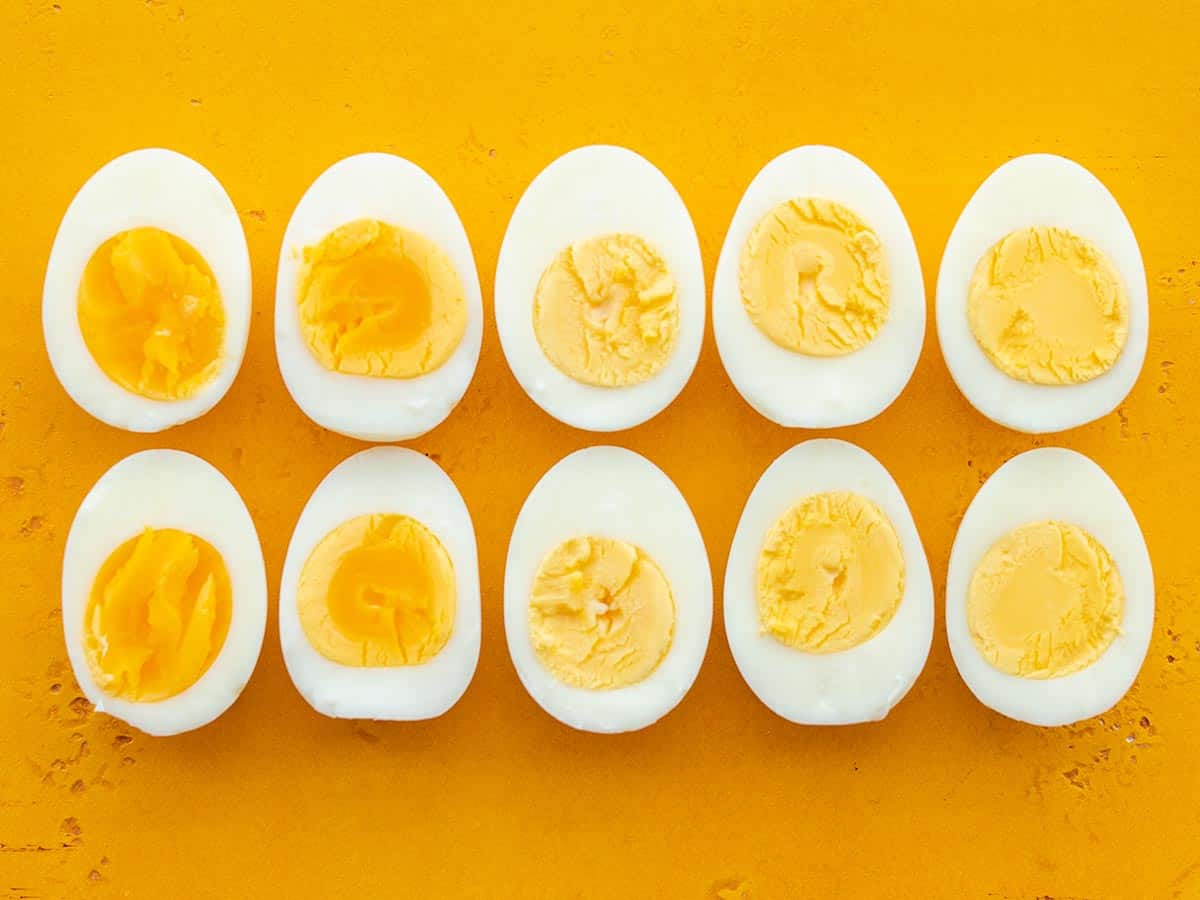
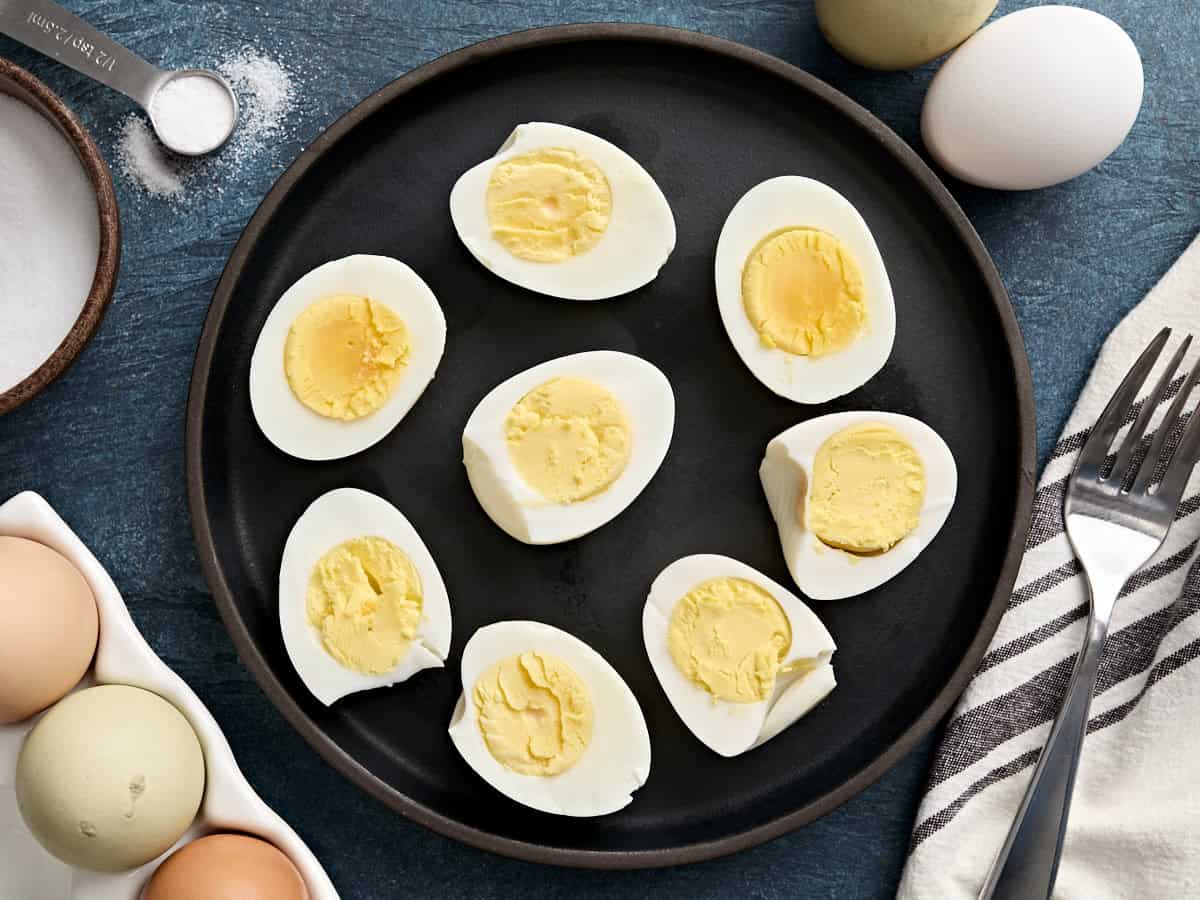
The most ancient methods—boiling and frying—remain the most prevalent. Technical analysis of the "perfect" soft-boiled egg reveals a precise six-minute window where the albumen (egg white) reaches a firm set while the vitellus (yolk) remains in a liquid state. Conversely, the hard-boiling process has been refined to include a "hot-water bath" method, which utilizes residual heat to cook the yolk gently, thereby preventing the formation of ferrous sulfide—the greenish ring often found in overcooked eggs.
The Rise of the Air Fryer and Microwave
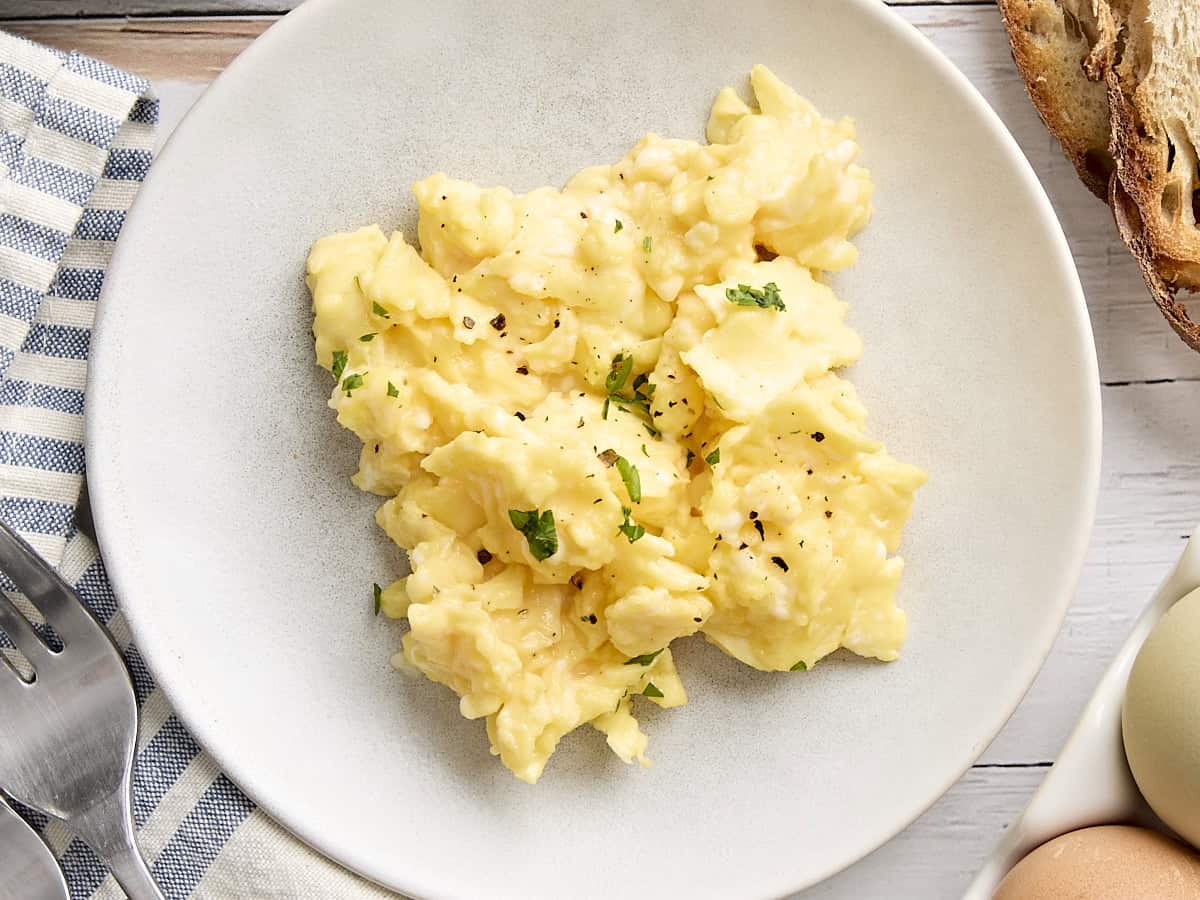
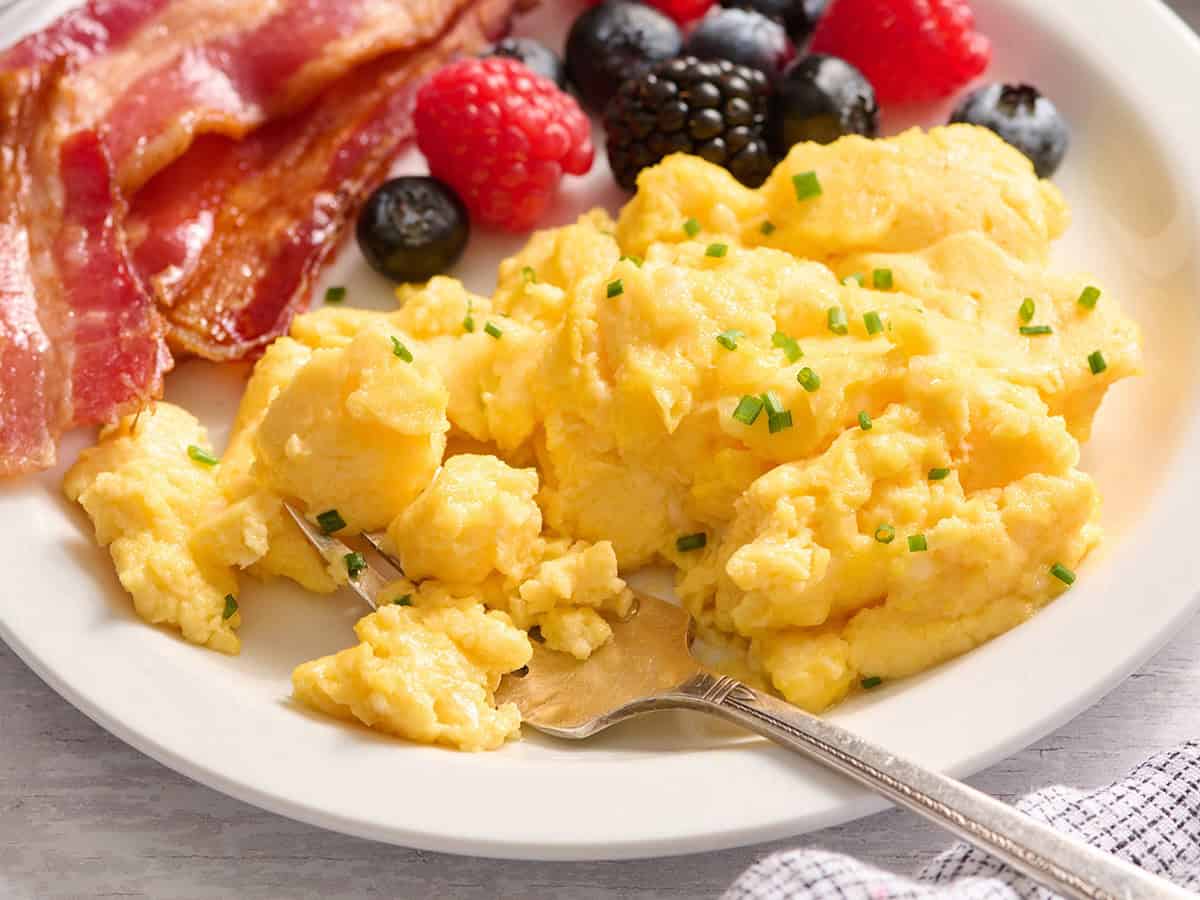
In the 21st century, the chronology of egg preparation shifted toward speed and energy efficiency. The air fryer has been repurposed as a dry-heat "boiler," capable of producing hard-cooked eggs in approximately 17 minutes without the need for water submersion. Similarly, the microwave has transitioned from a reheating tool to a primary cooking vessel for "breakfast mugs" and "scrambles," catering to the needs of students and busy professionals who require high-protein meals in under five minutes.
Liquid Poaching and the Vortex Method
Poaching represents a higher tier of culinary precision, requiring the stabilization of egg proteins in a simmering liquid. The use of a gentle vortex and a splash of vinegar—which acts as a catalyst for protein coagulation—allows for a clean, restaurant-quality presentation. This method, once reserved for high-end brunch establishments, has been democratized through digital culinary education, making dishes like Eggs Benedict or avocado-topped poached eggs a common home-cooked reality.
International Integration and Global Flavors
The globalization of the palate has seen traditional regional egg dishes move into the mainstream Western market. This integration provides consumers with a variety of flavor profiles that utilize the same basic, inexpensive ingredient.

- Menemen (Turkey): This traditional Turkish dish highlights the synergy between eggs and stewed vegetables. By cooking eggs until they are just barely set within a base of tomatoes, peppers, and onions, the dish creates a soft, dip-like consistency that is both nutritious and economical.
- Shakshuka (North Africa/Middle East): Similar to Menemen but featuring poached eggs in a spiced tomato sauce, Shakshuka has become a global phenomenon. Its one-pan preparation and use of pantry staples like cumin and paprika make it an ideal "breakfast-for-dinner" candidate.
- Chinese Steamed Eggs: Representing the pinnacle of delicate texture, this dish uses a specific ratio of egg to water and a steaming process to create a custard-like consistency. It serves as a case study in how simple ingredients can achieve sophisticated results through controlled heat.
Supporting Data: Nutritional and Functional Analysis
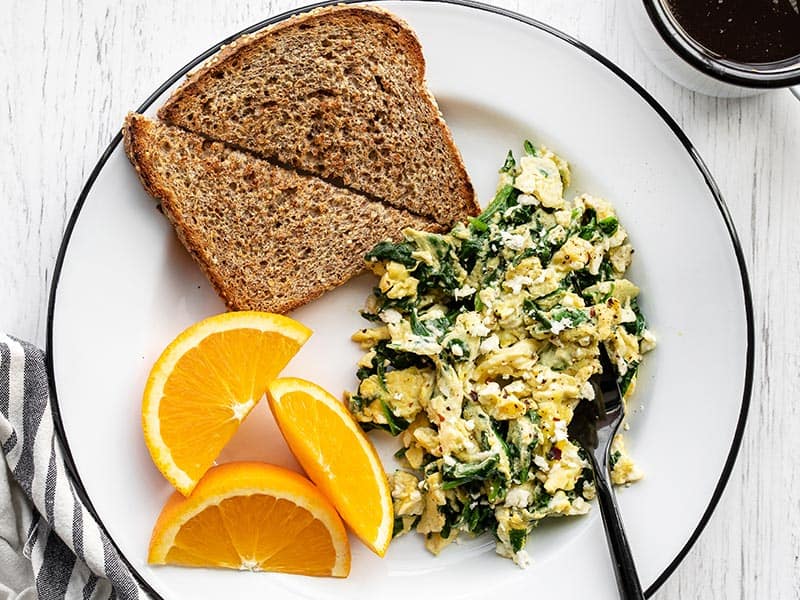
Nutritional analysts point to the versatility of eggs in specialized diets. In low-carb and ketogenic frameworks, the egg is an indispensable source of fat and protein. In vegetarian diets, it serves as a primary animal-protein substitute.
| Method | Protein (Approx) | Key Benefit |
|---|---|---|
| Scrambled with Cottage Cheese | 11g-14g | High protein, creamy texture |
| Crustless Quiche | 8g-10g per slice | Low-carb, vegetable-heavy |
| Egg Salad | 6g-7g per serving | Portable, prep-ahead |
| Poached over Black Beans | 12g-15g | Fiber-rich, filling dinner |
Furthermore, the functional properties of eggs—such as emulsification, leavening, and binding—allow them to be used in complex structures like Quiche Lorraine, where the egg custard must support the weight of heavy inclusions like Swiss cheese and bacon while maintaining a silky mouthfeel.

The Shift Toward Portability and Meal Prep
As the "grab-and-go" culture intensifies, the egg has been adapted into various portable formats. The "Egg Muffin," a baked savory custard often fortified with cottage cheese for added protein, has replaced processed cereal bars for many health-conscious consumers. These muffins, along with freezer-friendly breakfast burritos and quesadillas, represent a strategic response to the time-poverty experienced by the modern workforce.

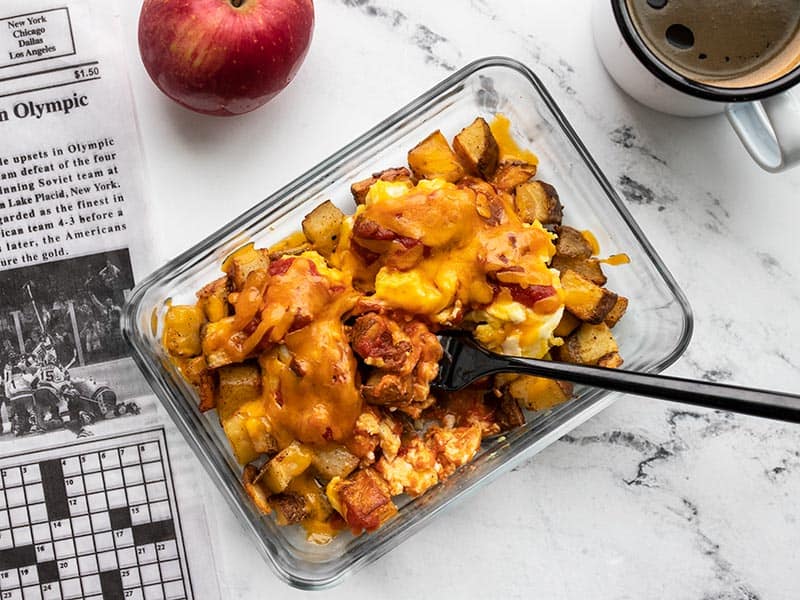
The "Country Breakfast Bowl," a combination of roasted potatoes, scrambled eggs, and salsa, has been identified by culinary economists as a premier meal-prep option. These bowls can be produced in bulk on a Sunday and reheated throughout the week, ensuring that the consumer avoids the "convenience tax" of fast-food alternatives while maintaining a consistent nutritional intake.
Official Responses and Public Health Perspectives
Public health organizations have revised their stance on eggs over the last decade. While earlier decades saw eggs vilified for their cholesterol content, the American Heart Association and other bodies now generally agree that eggs can be part of a healthy diet for most people. Statements from nutritional researchers suggest that the dietary cholesterol in eggs has a much smaller impact on blood cholesterol levels than previously thought, especially when compared to saturated and trans fats.

In response to consumer demand for transparency, the egg industry has also seen a shift toward "cage-free," "free-range," and "pasture-raised" labeling. While these options come at a premium price, the "standard" egg remains the primary focus for organizations dedicated to fighting food insecurity. The affordability of the egg makes it a frequent recommendation in government-subsidized food programs like WIC (Women, Infants, and Children) and SNAP (Supplemental Nutrition Assistance Program).

Broader Impact and Implications for the Future
The enduring popularity of the egg is a testament to its status as a foundational element of human civilization. As the global population continues to grow and the demand for sustainable protein increases, the egg is likely to remain at the forefront of the food industry. Its low environmental footprint relative to larger livestock makes it a more sustainable choice for the environmentally conscious consumer.

In conclusion, the egg is far more than a simple breakfast food; it is a versatile, resilient, and nutrient-dense commodity that bridges the gap between traditional cooking and modern efficiency. Whether it is being used to create a 10-minute microwave scramble or a sophisticated Quiche Lorraine, the egg continues to prove its worth as the ultimate refrigerator staple. As culinary techniques continue to evolve and global flavors continue to merge, the egg will undoubtedly remain a central figure in the kitchens of the future, providing a reliable source of nutrition and comfort in an ever-changing economic landscape.
