

The evolution of home-based culinary practices continues to shift toward a synthesis of economic efficiency and high-density nutrition, as evidenced by recent developments in the Nashville-based culinary research sector. Lead researcher and Chef Professor Jess Rice has released a refined protocol for Potato Leek Soup, a staple of seasonal comfort gastronomy that addresses modern concerns regarding food inflation and dietary accessibility. This development comes at a critical juncture where consumers are increasingly seeking "stick-to-your-bones" meals that maintain a low cost-per-serving threshold without sacrificing the organoleptic qualities associated with professional-grade cuisine. The following report details the technical specifications, economic impact, and nutritional profile of this updated culinary framework.

Technical Specifications and Procedural Innovation
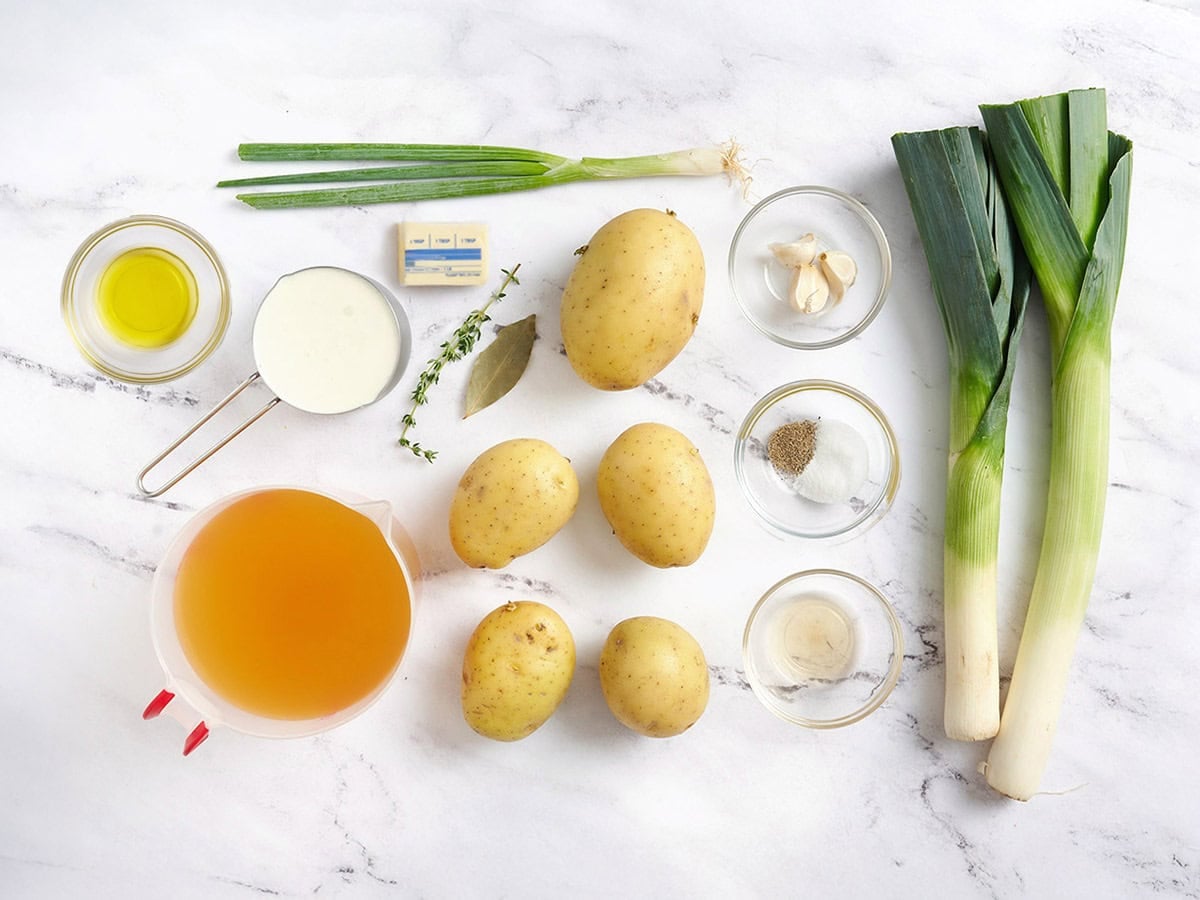
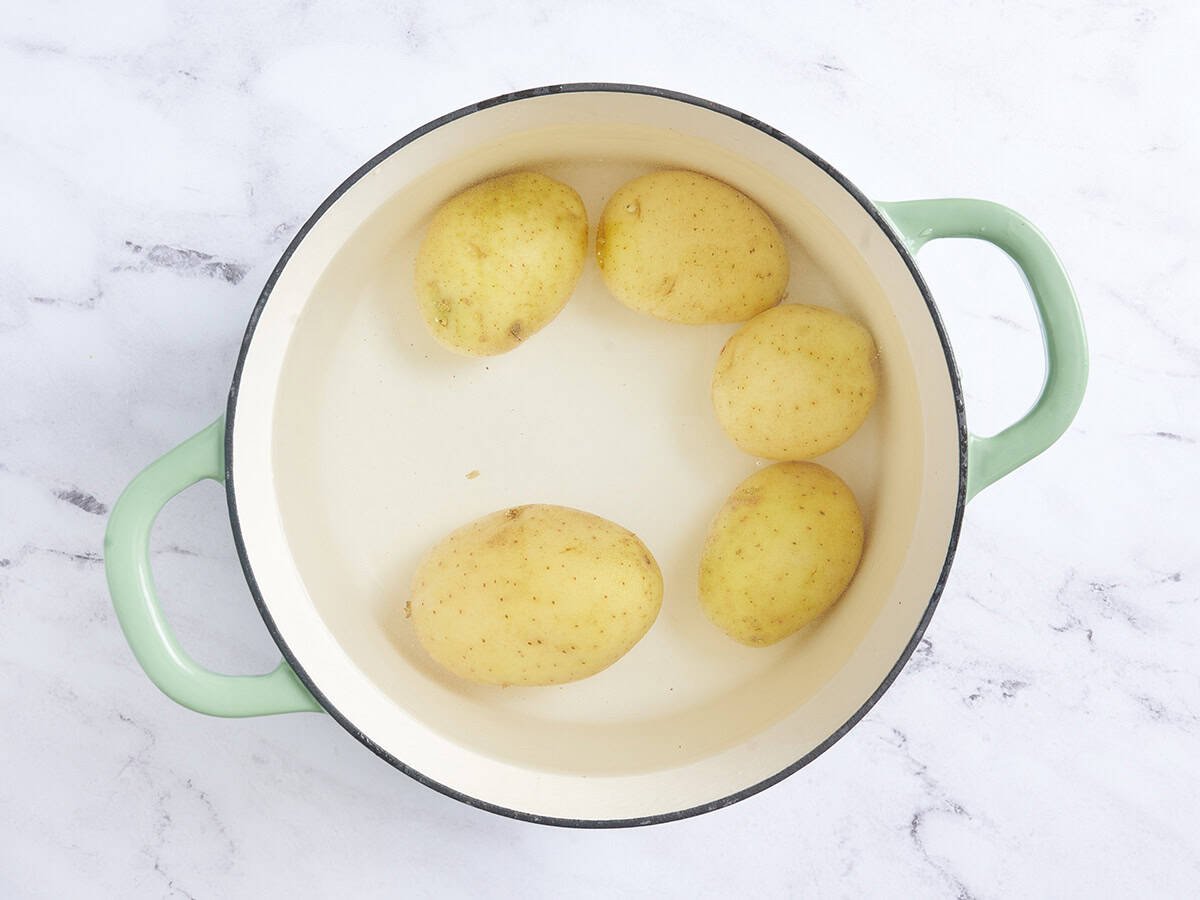
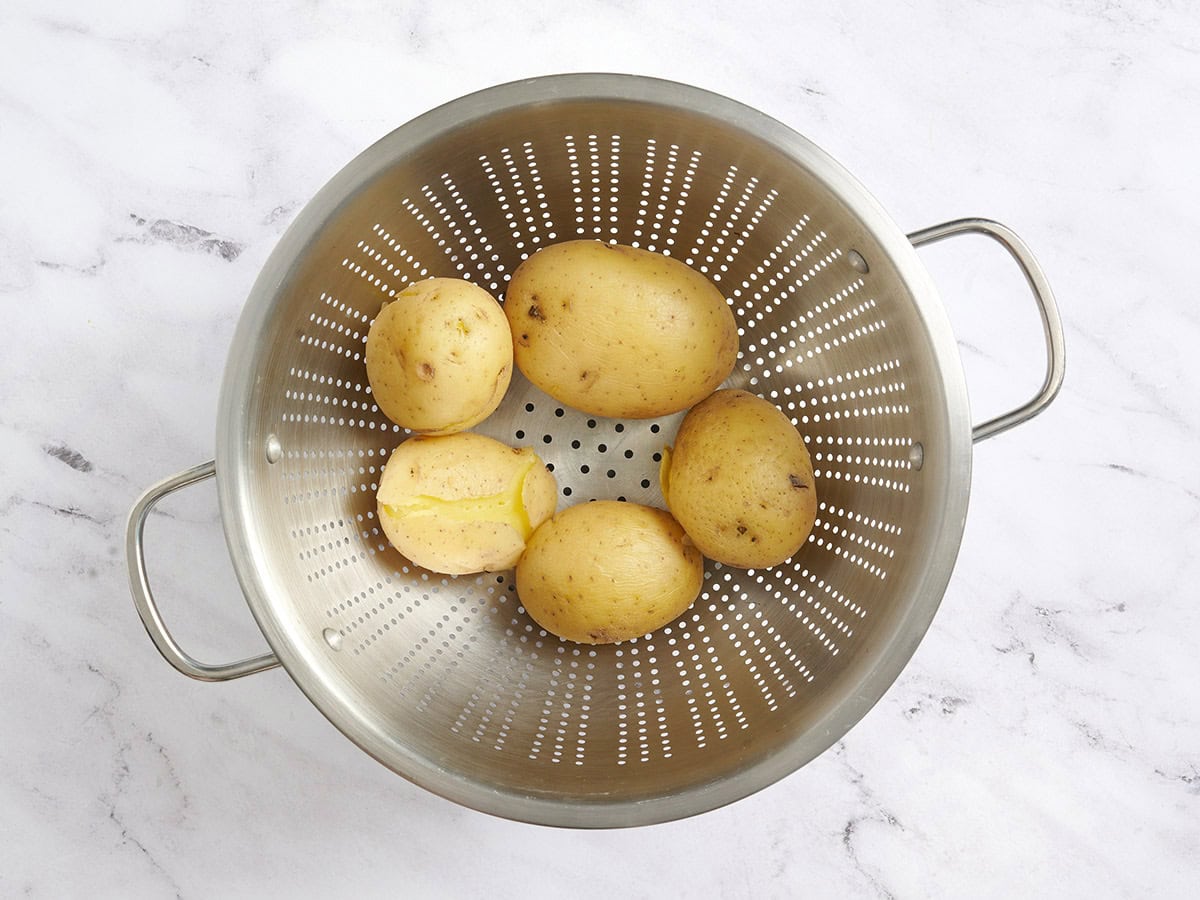
The core of the Nashville Test Kitchen’s latest research focuses on the optimization of texture and flavor retention in tuber-based soups. Traditional potato soup formulations often suffer from "gumminess"—a result of excessive starch release during the mechanical processing of diced, overboiled potatoes. To counteract this, the Rice protocol introduces a whole-boil methodology. By boiling approximately 2.5 pounds of Yukon Gold potatoes whole and with the integument (skin) intact, the internal starches are gelatinized within the protective barrier of the peel. This prevents the absorption of excess water, which typically dilutes flavor and compromises the structural integrity of the potato cells.

Following the boiling phase, which lasts between 15 and 20 minutes depending on the diameter of the specimens, a multi-modal texturing approach is employed. The protocol dictates that a portion of the potatoes be reserved and diced into half-inch cubes to provide a "bite," while the remainder is mashed directly into the vegetable broth base. This hybrid technique is finalized through partial emulsification in a high-speed blender, resulting in a three-tiered textural profile: a silky liquid base, a creamy mashed suspension, and solid tender chunks.
The Botanical and Chemical Role of Aromatics
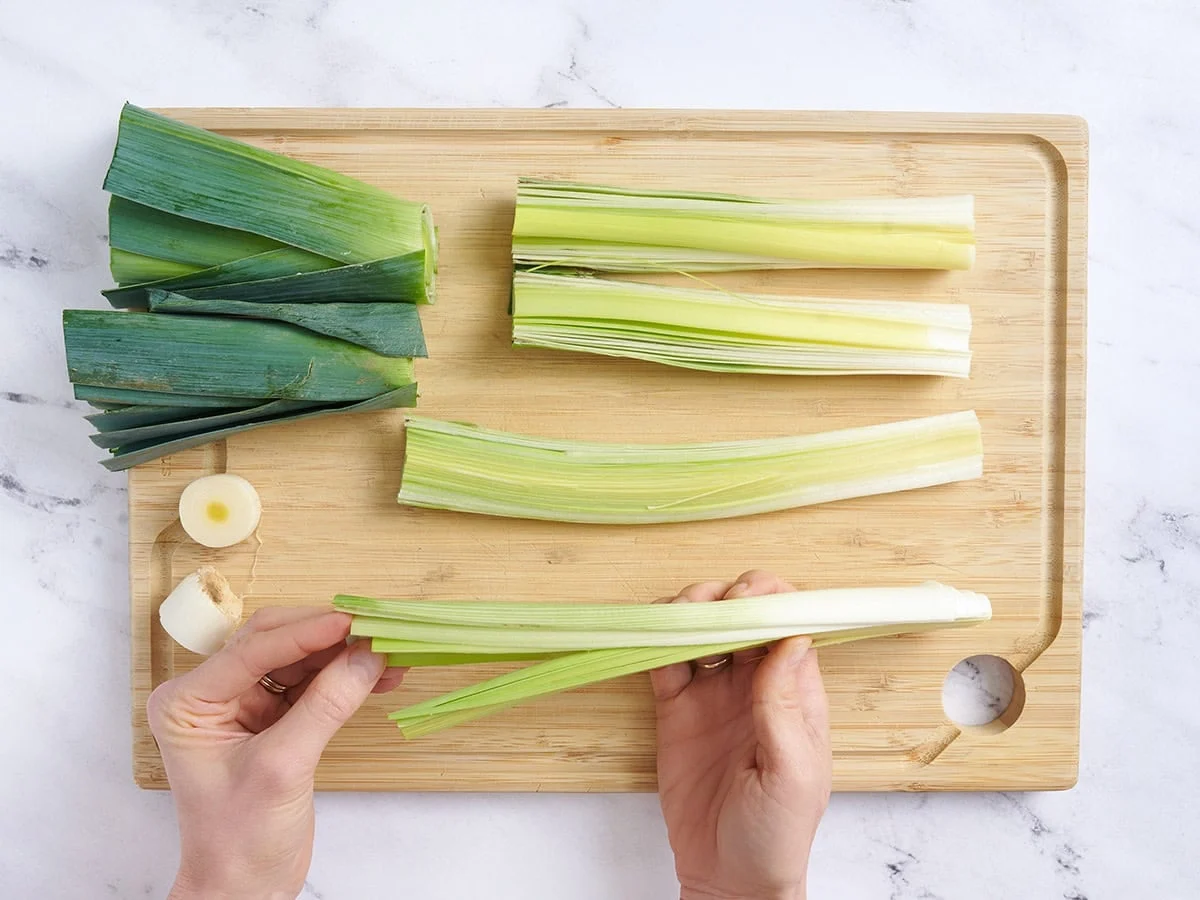
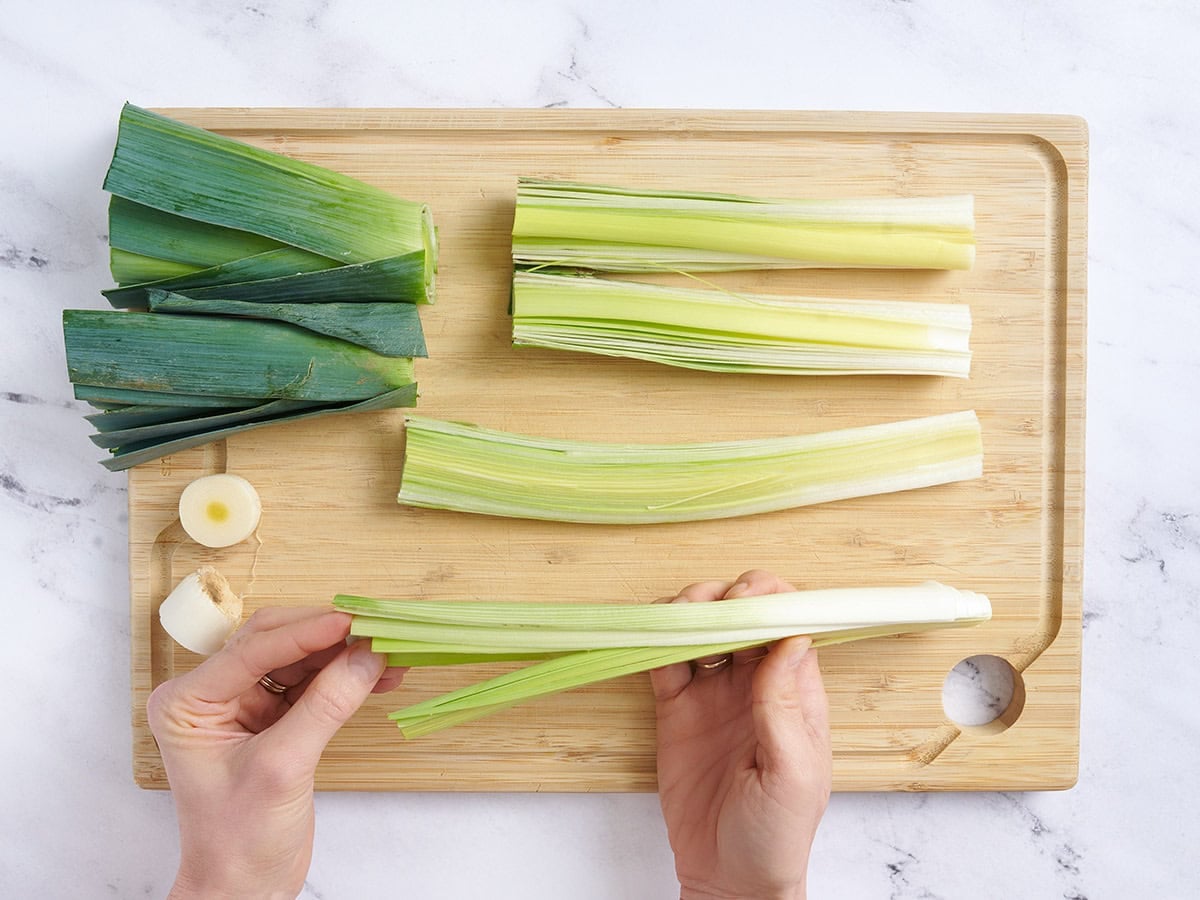
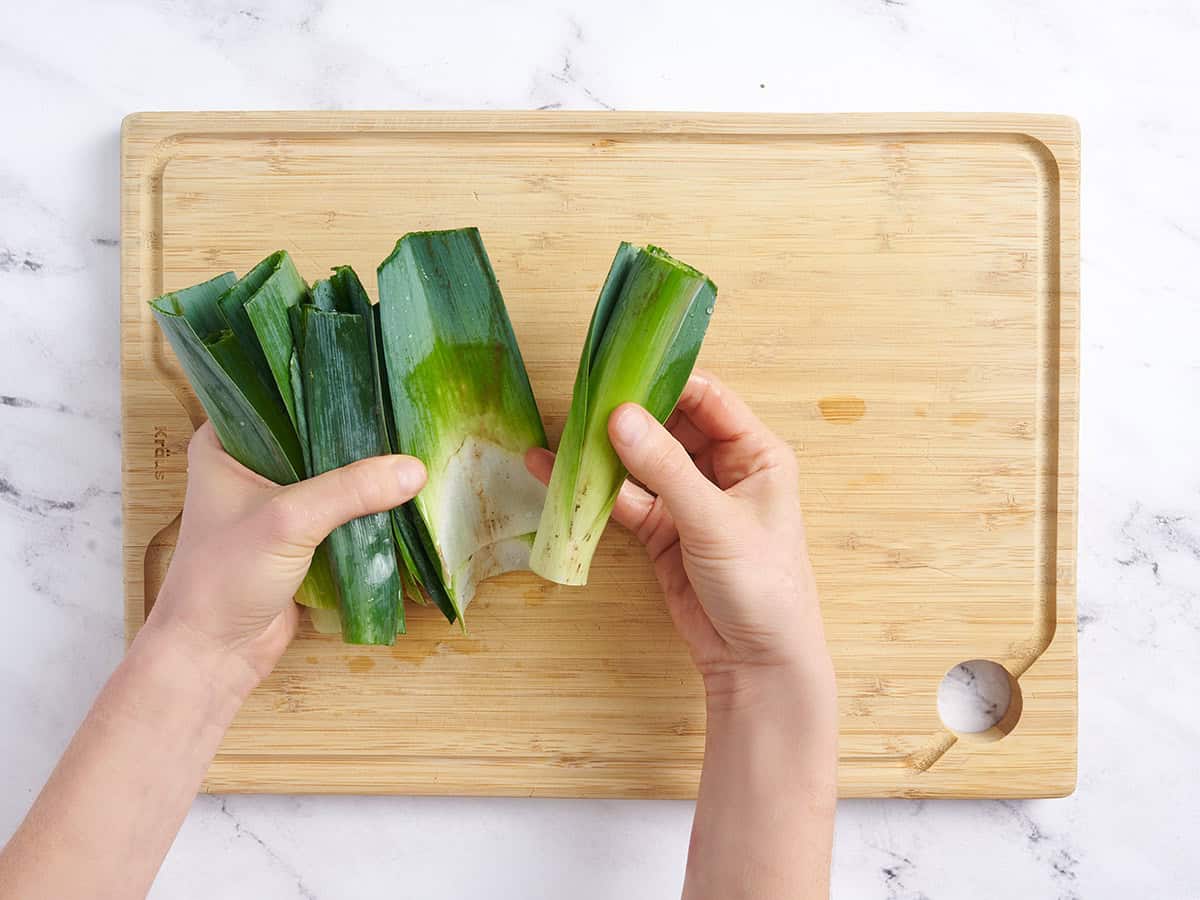
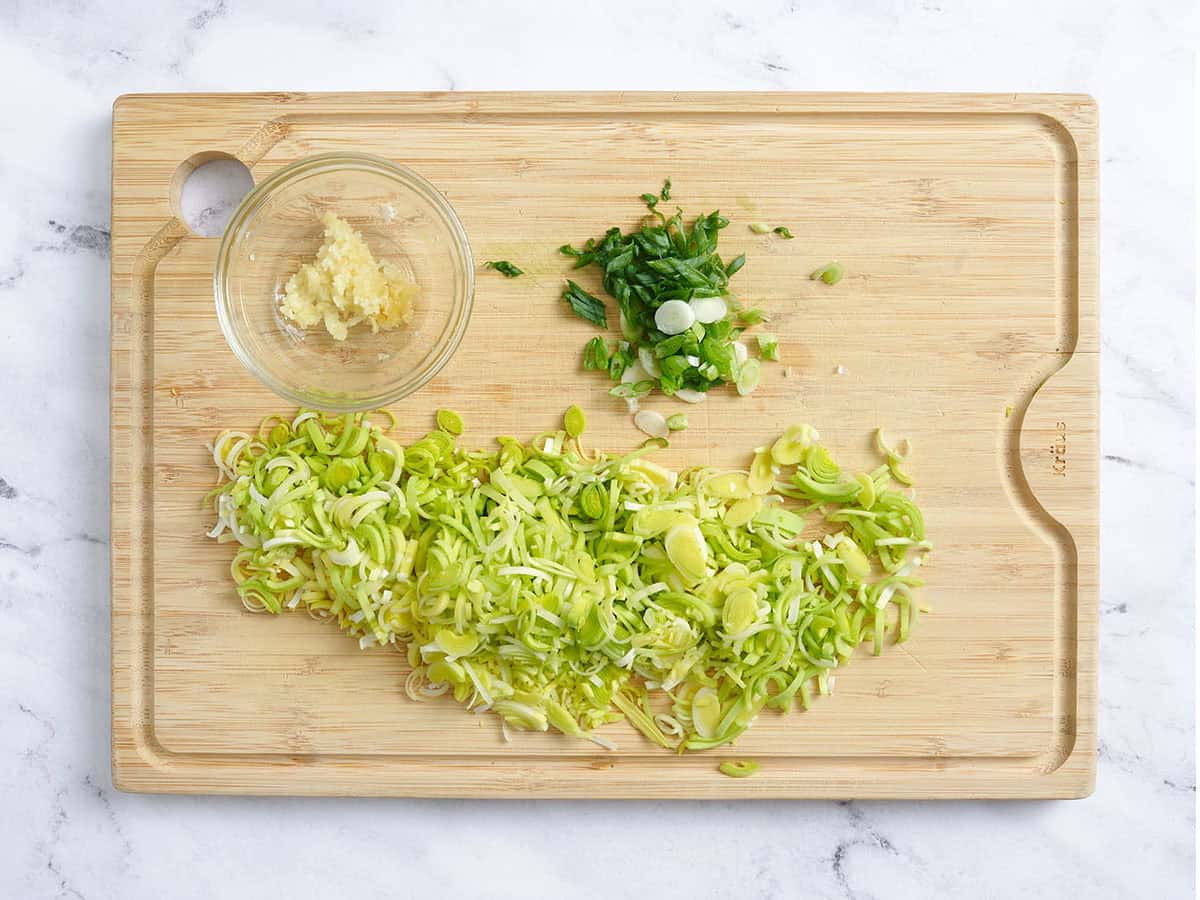
The inclusion of leeks (Allium ampeloprasum) serves as the primary aromatic driver in this formulation. Unlike the more pungent yellow or red onion varieties, leeks offer a mild, buttery flavor profile that undergoes a significant chemical transformation when sautéed in a lipid medium. The Rice protocol specifies a 1.5-pound untrimmed weight for the leeks, utilizing only the tender inner layers for the soup base.
In the sauté phase, the interaction between the leeks, minced garlic, and a combination of salted butter and olive oil facilitates the Maillard reaction at a low temperature, ensuring the sugars in the leeks soften into a mellow sweetness rather than caramelizing into a sharp or bitter notes. The addition of a single teaspoon of apple cider vinegar acts as a chemical brightener; the acetic acid provides a necessary counterpoint to the heavy starch and lipid content, elevating the overall flavor profile through pH adjustment.
Economic Analysis and Cost-Per-Serving Data
A significant portion of the Nashville research was dedicated to the financial viability of the recipe. In an era of fluctuating grocery prices, the Potato Leek Soup remains a benchmark for affordability. The total cost for a full batch, which yields eight servings, is calculated at approximately $8.46. This brings the cost-per-serving to $1.05, significantly lower than the average cost of commercially processed canned soups or quick-service restaurant alternatives.
Key cost-saving measures identified in the report include:
- The Use of Concentrated Bouillon: By utilizing products such as Better Than Bouillon instead of pre-packaged liquid stocks, the cost of the liquid base is reduced by an estimated 60% per quart.
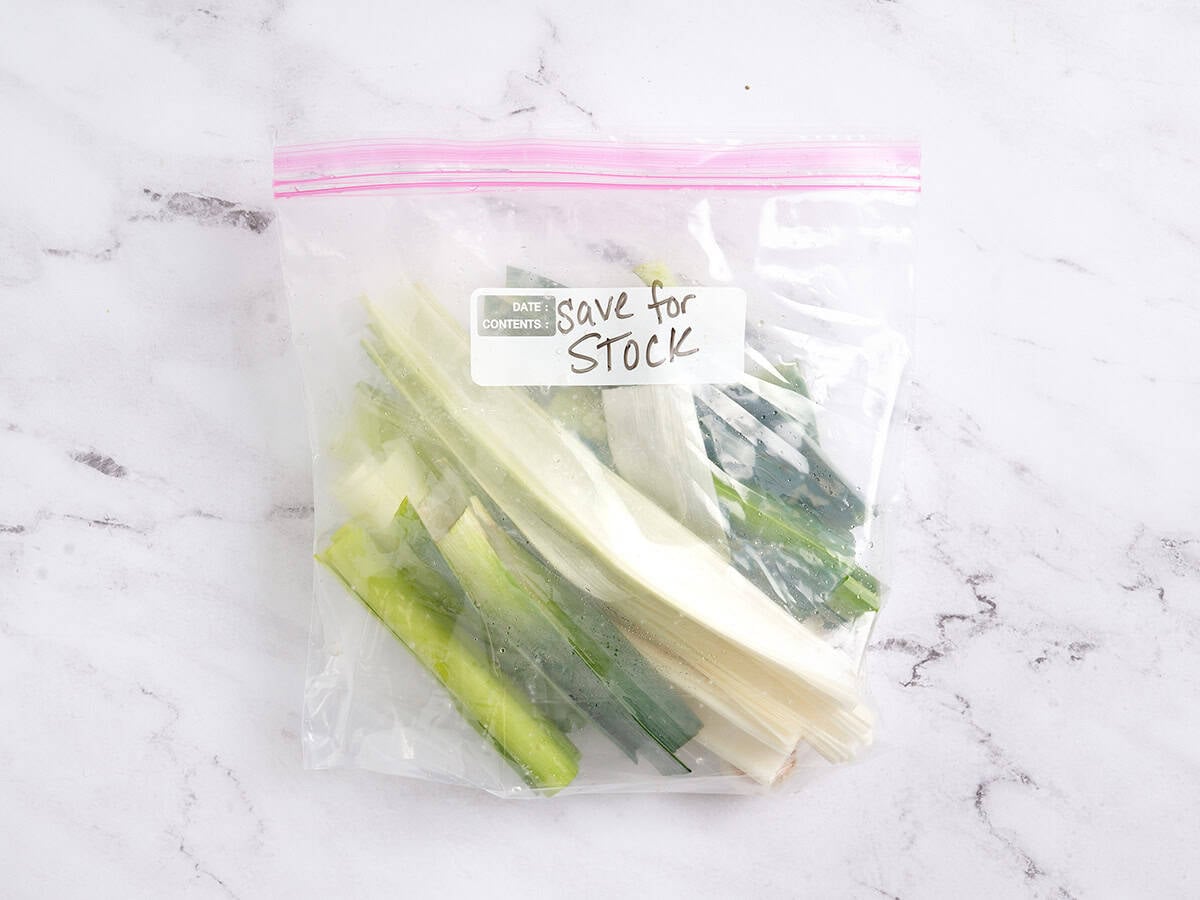
- Waste Mitigation Protocols: The protocol encourages the collection and freezing of leek trimmings—the tough green tops and root ends—to be used in future stock production, effectively extracting 100% of the value from the raw material.
- Starch-Based Thickening: While the recipe allows for a cornstarch slurry, the natural starch from the Yukon Gold potatoes is usually sufficient to achieve the desired viscosity, eliminating the need for additional thickening agents.
Nutritional Profile and Dietary Implications
The nutritional analysis of the soup confirms its status as a balanced vegetarian meal. Each serving contains approximately 289 calories, with a macronutrient breakdown that emphasizes complex carbohydrates (32g) for sustained energy release during colder months. The fat content (17g) is largely derived from the heavy cream and butter, providing the necessary satiety signals to the brain, while the 4g of fiber supports digestive health.
From a dietary standpoint, the recipe is inherently gluten-free and egg-free, making it a versatile option for diverse household needs. However, the sodium content is noted at 1051mg per serving (46% of the daily recommended value), a figure largely attributed to the vegetable broth and salted butter. Analysts suggest that consumers monitoring hypertension may opt for low-sodium broth alternatives to mitigate this impact.
Chronology of Development
The development of the Potato Leek Soup protocol followed a rigorous timeline within the Nashville Test Kitchen:

- Phase I: Ingredient Selection (Winter 2025): Testing various potato varieties. Yukon Gold was selected over Russet due to its thin skin and naturally creamy texture.
- Phase II: Textural Experimentation (January 2026): Comparison of fully pureed vs. chunky versions. The "partial blend" method was established as the optimal standard.
- Phase III: Stabilization Testing (February 2026): Investigating the effects of dairy integration. The "tempering" step—slowly adding hot broth to room-temperature cream—was formalized to prevent protein denaturation and "splitting" of the soup.
- Phase IV: Final Documentation (February 2026): Publication of the findings by Chef Jess Rice.
Official Responses and Culinary Expert Analysis
Culinary professionals have noted that the Rice protocol’s emphasis on "tempering" the cream is a critical instruction for home cooks. "The most common failure in cream-based soups is the curdling of dairy proteins when exposed to sudden temperature shifts," says a Nashville-based culinary consultant. "By formalizing the tempering process, this recipe bridges the gap between amateur home cooking and professional saucier techniques."
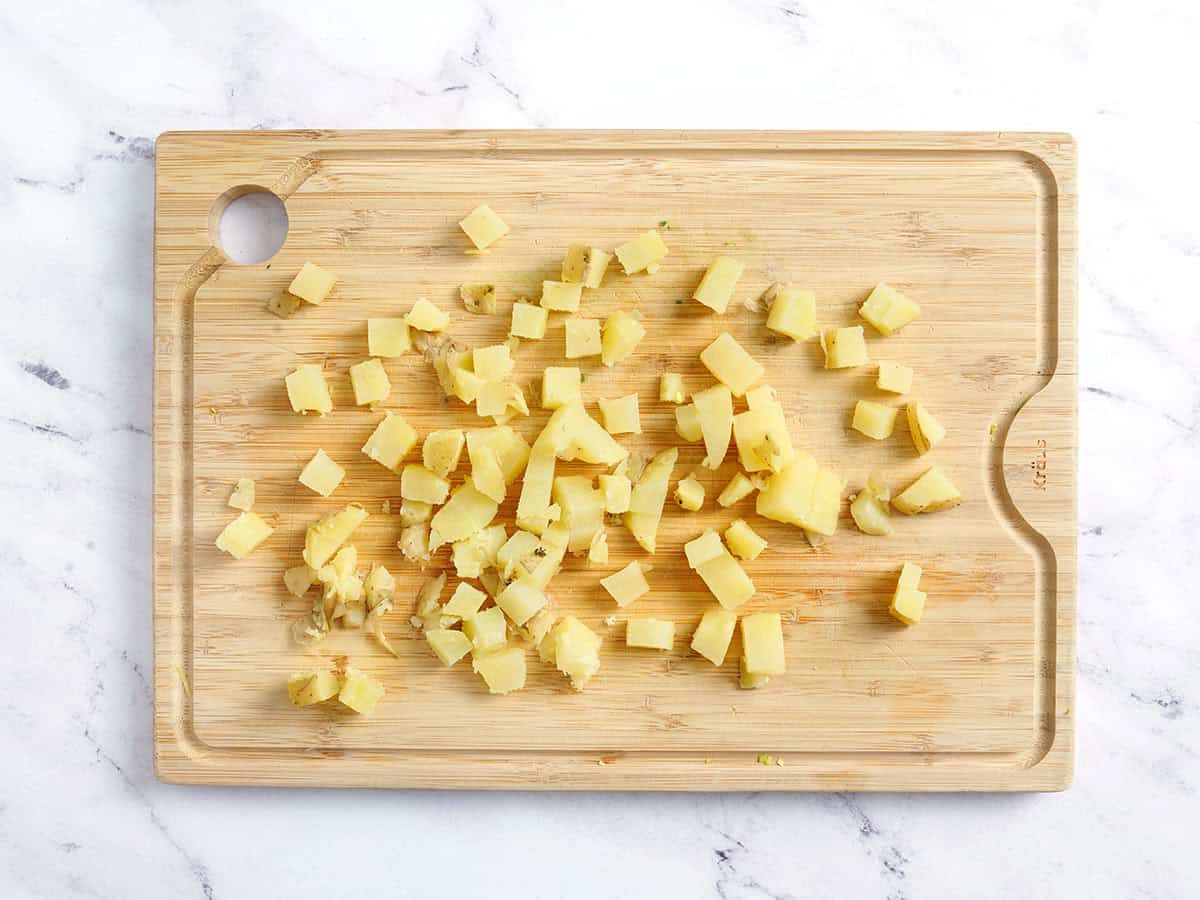
Furthermore, the decision to leave the skins on the potatoes has received positive feedback from nutritional advocates. The potato skin contains a significant portion of the vegetable’s potassium and vitamin C. By retaining the skin, the Nashville Test Kitchen has successfully increased the micronutrient density of the meal without increasing the cost.

Broader Impact on Home Food Security
The implications of this research extend beyond simple meal preparation. As food insecurity remains a global concern, the dissemination of "Budget-Friendly Meal Prep" recipes provides a tool for economic resilience. The Potato Leek Soup is categorized as a "Vegetarian Meal Prep" staple, designed to be cooked in large batches and consumed over a 3-to-4-day period.

However, the report includes a cautionary note regarding storage. Due to the cellular structure of cooked potatoes and the delicate nature of heavy cream, freezing the soup is not recommended. The expansion of water crystals during freezing can cause the potatoes to become grainy and the cream to separate upon thawing. This emphasizes the importance of the "reheat-only" fridge storage method, which maintains the integrity of the emulsion for up to 96 hours.

Future Implications and Seasonal Trends
As the culinary world moves toward the latter half of the 2020s, there is a clear trend toward "simple and intentional" cooking. The Potato Leek Soup represents a move away from the "loaded" soup trends of previous decades, which often relied on excessive toppings like cheese and bacon to provide flavor. By focusing on the "delicate and simple" flavor profile of buttery leeks and tender tubers, the Nashville Test Kitchen encourages a more sophisticated palate while maintaining a strict budget.

This research serves as a blueprint for future seasonal recipe development, proving that comfort food can be both a scientific endeavor and an accessible daily reality for the modern consumer. The success of the Potato Leek Soup protocol suggests a growing market for recipes that prioritize technique over expensive ingredients, potentially influencing how grocery chains market seasonal produce like leeks and root vegetables in the coming years.
