

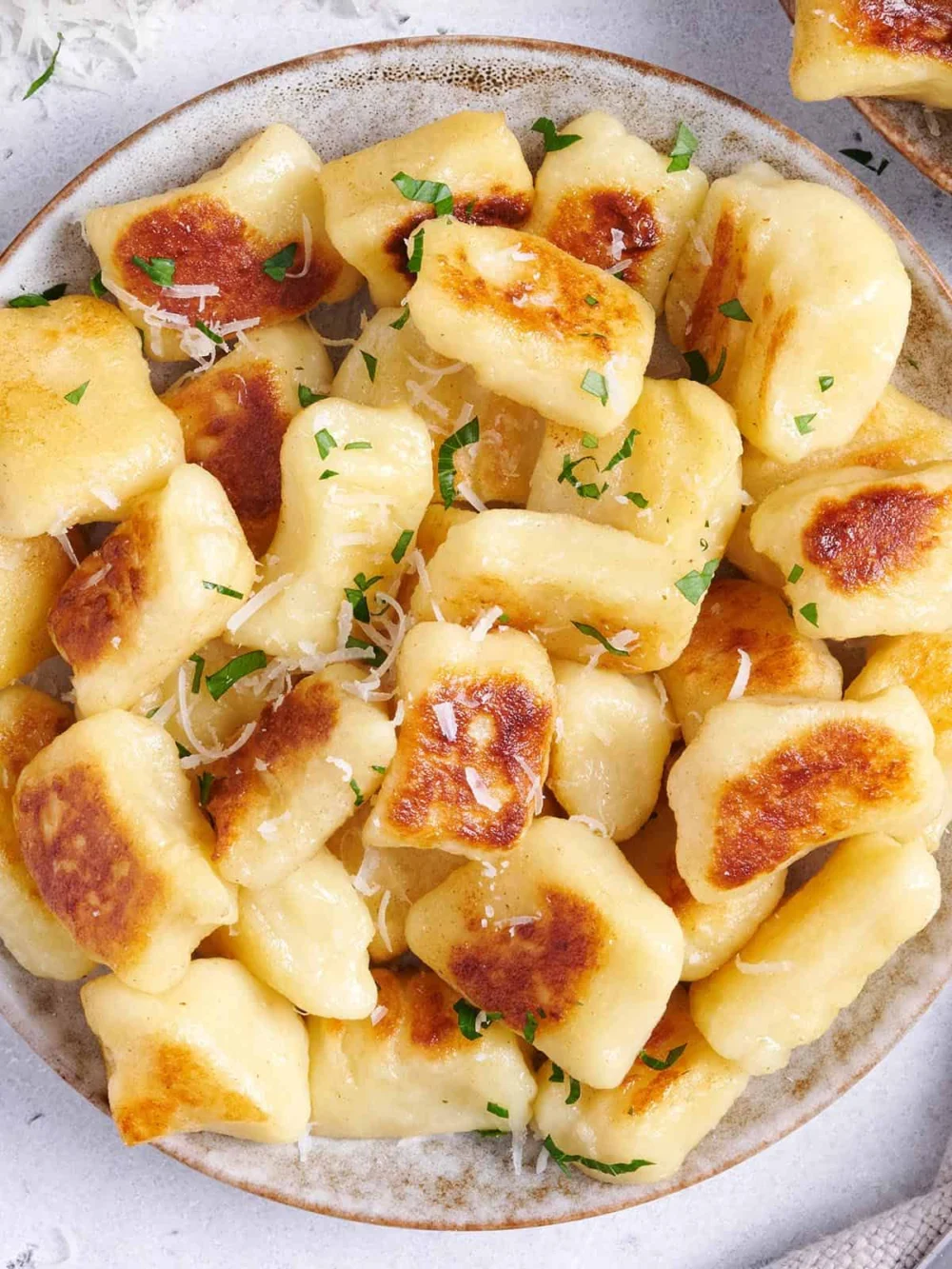
The production of potato gnocchi represents a sophisticated intersection of culinary tradition, chemistry, and economic practicality. While often perceived as a daunting task for the amateur cook, the process relies on a foundational understanding of ingredient interactions and precise technique rather than complex equipment. Traditionally defined as small dumplings of Italian origin, gnocchi serves as a versatile staple in Mediterranean cuisine. The modern iteration of the dish, specifically the potato-based variety, is celebrated for its "pillowy" texture and ability to serve as a canvas for various sauces, ranging from simple brown butter and sage to complex ragùs.
Historical Context and Culinary Evolution
The history of gnocchi predates the introduction of the potato to Europe. Early versions were typically made from flour, breadcrumbs, or semolina. It was not until the 16th and 17th centuries, following the arrival of the potato from the Americas to the Italian peninsula, that the "gnocchi di patate" became a regional specialty, particularly in Northern Italy where the climate was conducive to potato cultivation.
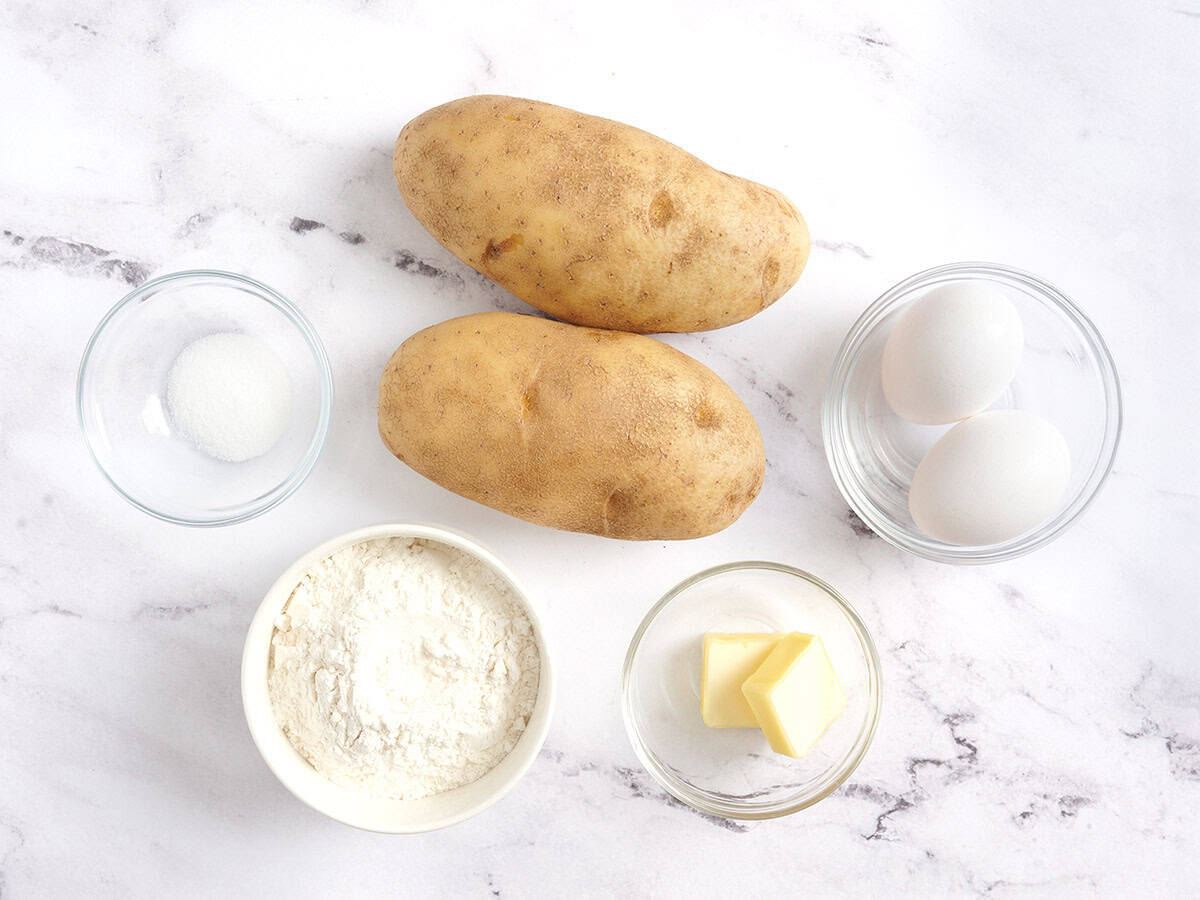
The term "gnocchi" is derived from the Italian word "nocca," meaning knuckle, or "nodo," meaning knot. This nomenclature reflects the traditional shape and size of the dumplings. Over centuries, the recipe has been refined to its current four-ingredient standard: potatoes, flour, egg yolks, and salt. This simplicity belies the technical precision required to prevent the common pitfalls of the dish, such as a "gluey" or "heavy" texture.
The Scientific Foundation of Texture: Ingredient Analysis
Culinary experts at the Nashville Test Kitchen emphasize that the success of potato gnocchi is determined long before the water reaches a boil. The selection of the potato variety is the most critical variable in the process.
The Role of Starch and Moisture
Russet potatoes are the industry standard for gnocchi due to their high starch and low moisture content. When baked, the starch granules in Russets remain separate, resulting in a light, mealy texture. Conversely, waxy potatoes—such as Red Bliss, fingerlings, or new potatoes—contain more moisture and sugar. Using waxy potatoes leads to a gummy consistency because the excess water requires more flour to stabilize the dough, which in turn activates gluten and toughens the dumpling.
The Binder: Egg Yolks
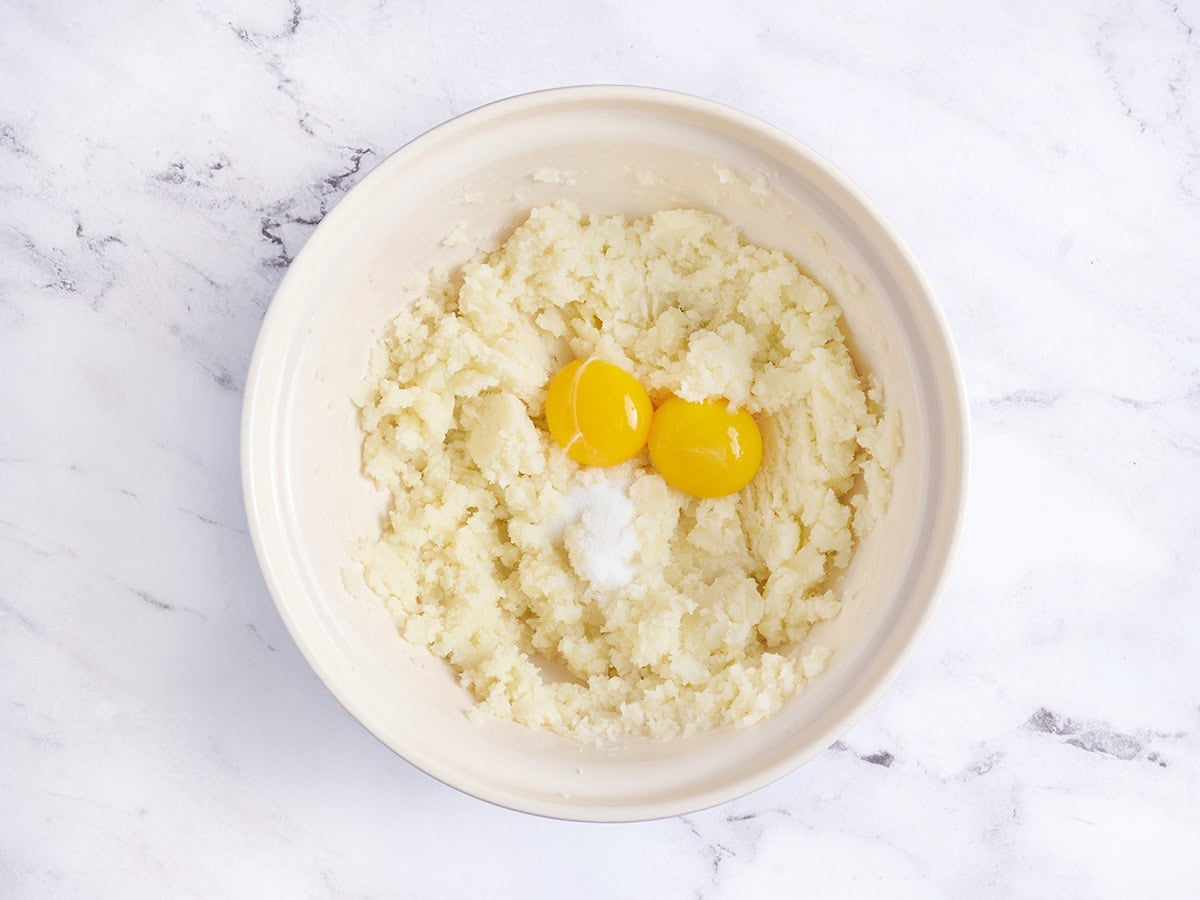
While some traditionalists advocate for eggless gnocchi, the inclusion of egg yolks provides essential fat and protein that act as a binder. The yolk assists in emulsifying the dough, offering a richer flavor profile and ensuring the gnocchi maintains its structural integrity during the boiling process.
Flour Integration and Gluten Management
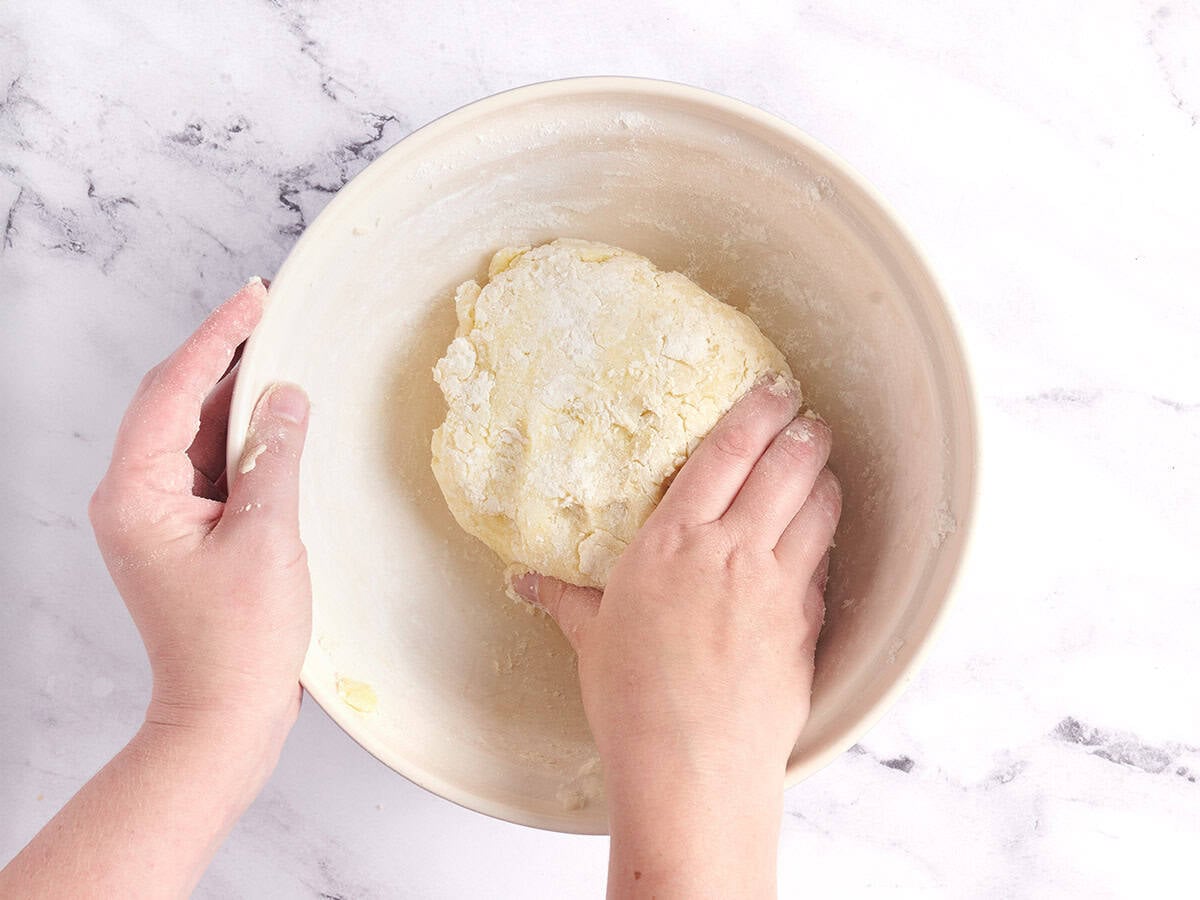
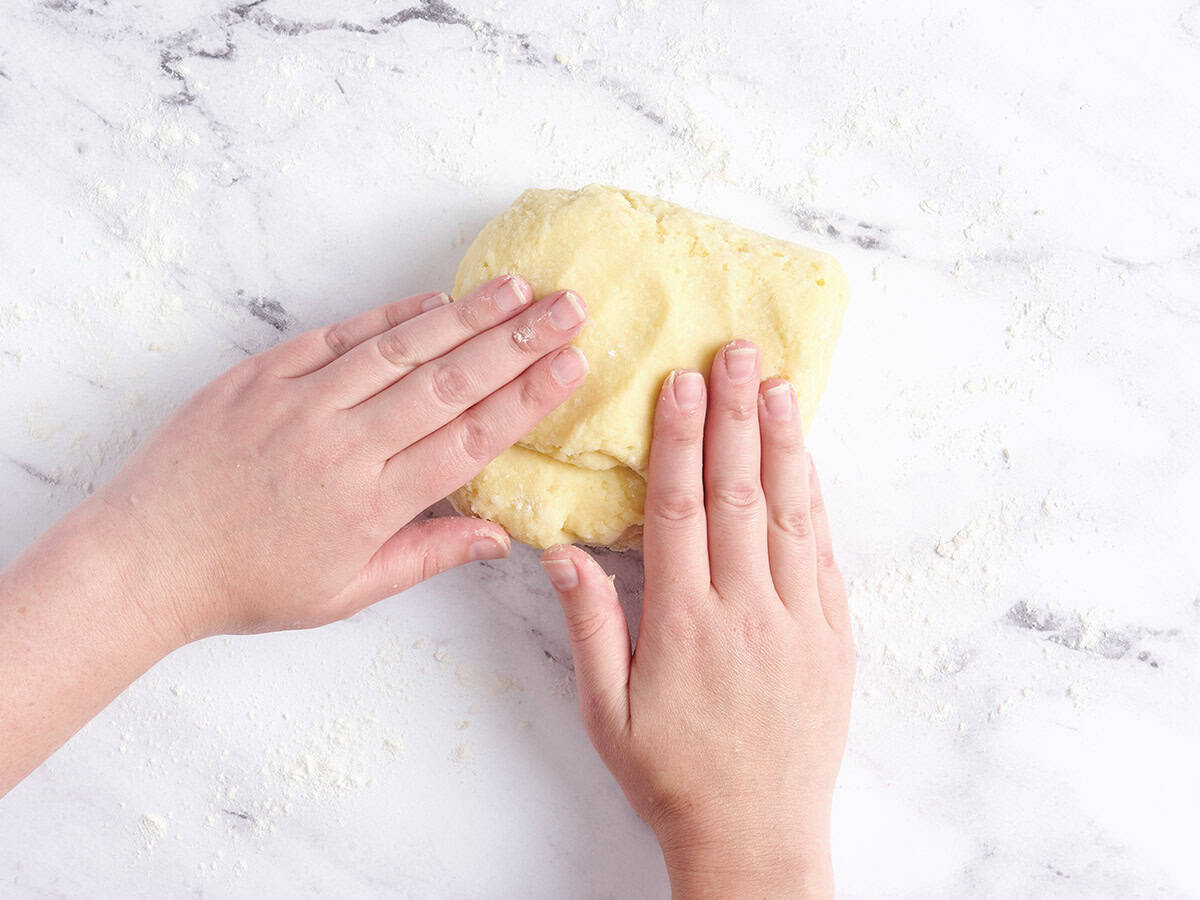
The addition of flour must be handled with extreme care. The Nashville Test Kitchen reports that environmental factors, including kitchen humidity and the exact size of egg yolks, necessitate a "by-feel" approach to flour measurement. The objective is to achieve a dough that is soft and slightly tacky but not sticky. Over-kneading the dough is a common error; excessive mechanical action develops the gluten in the flour, transforming a delicate dumpling into a rubbery one.
Chronological Methodology: From Field to Table
The production of gnocchi follows a strict chronological sequence designed to minimize moisture and maximize fluffiness.
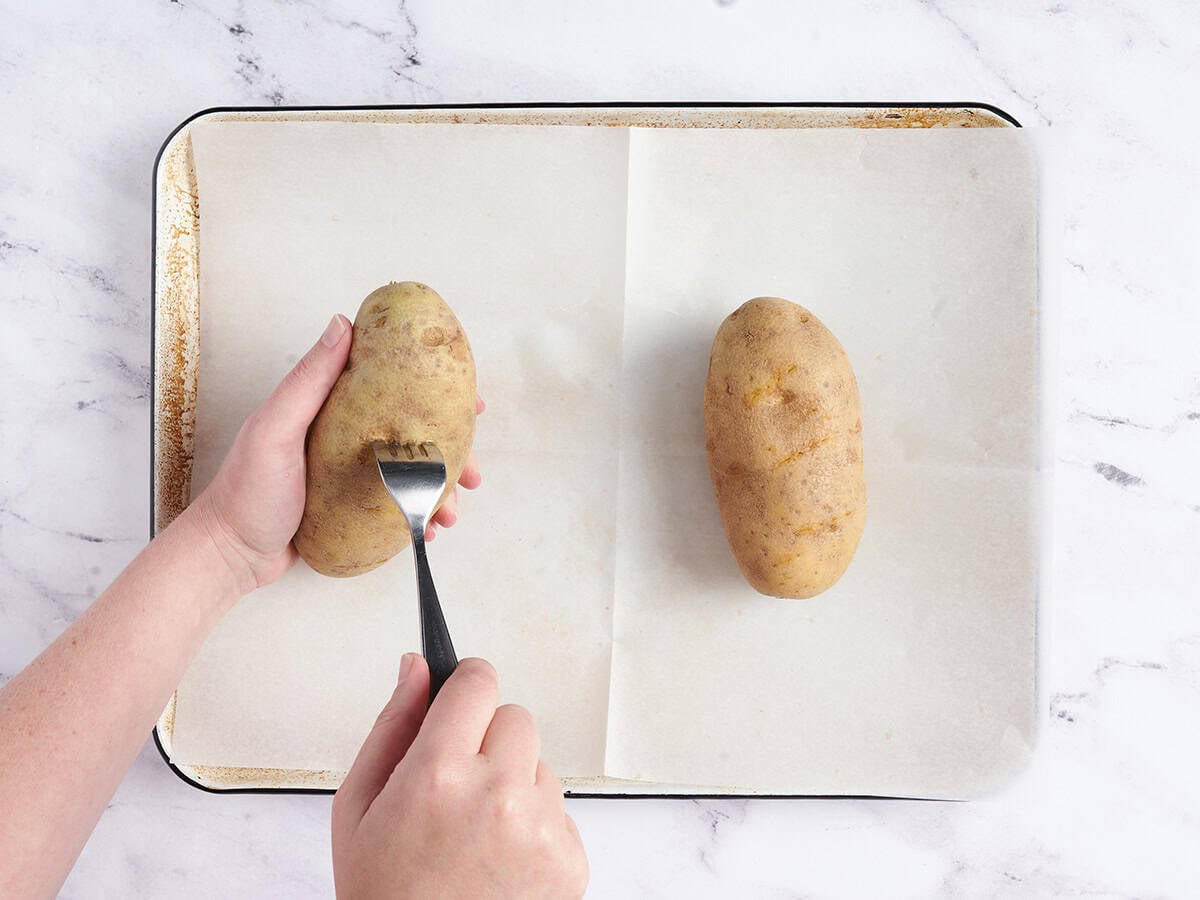
- Thermal Preparation: The process begins with baking the potatoes at 400°F (204°C). Piercing the skins allows steam to escape, further reducing internal moisture. Boiling potatoes in water—a common shortcut—is generally discouraged by professionals as it introduces unwanted hydration into the starch.
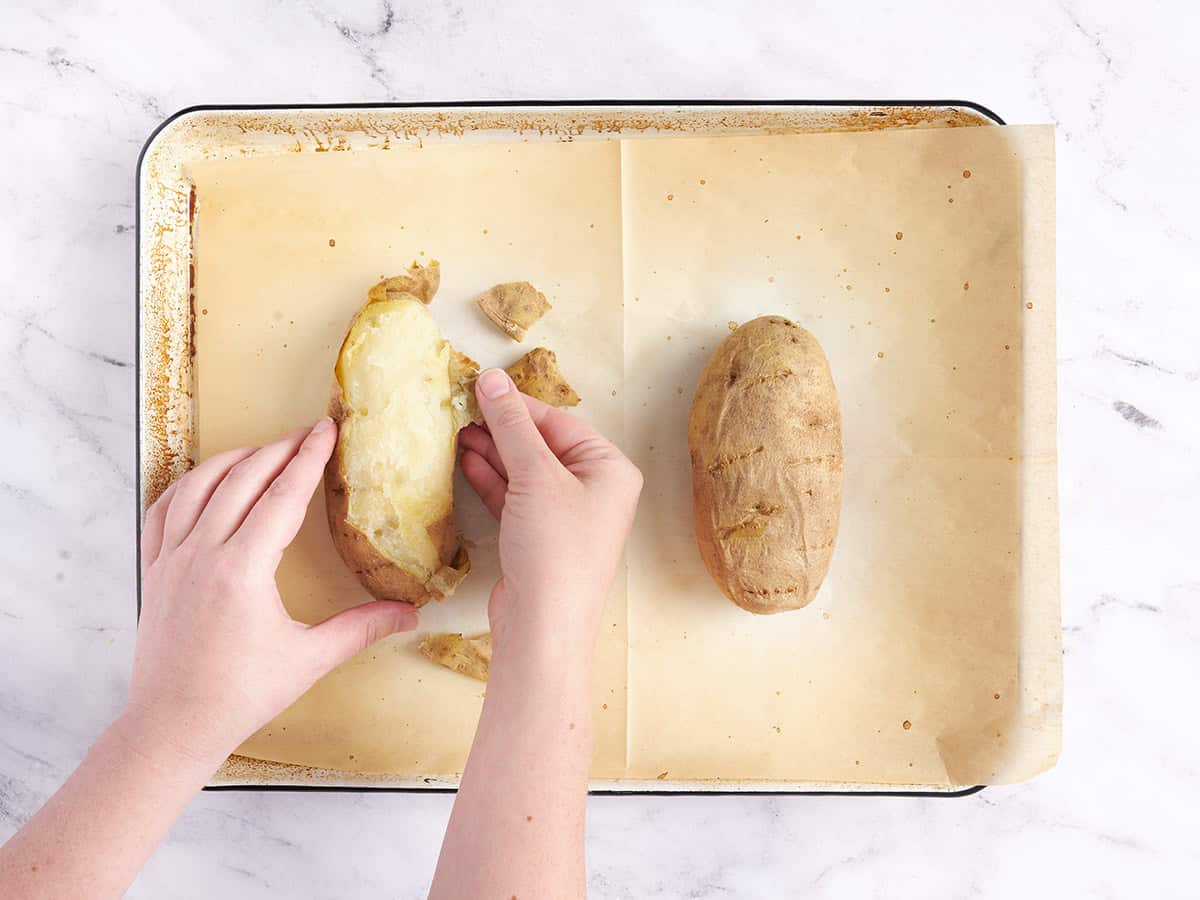
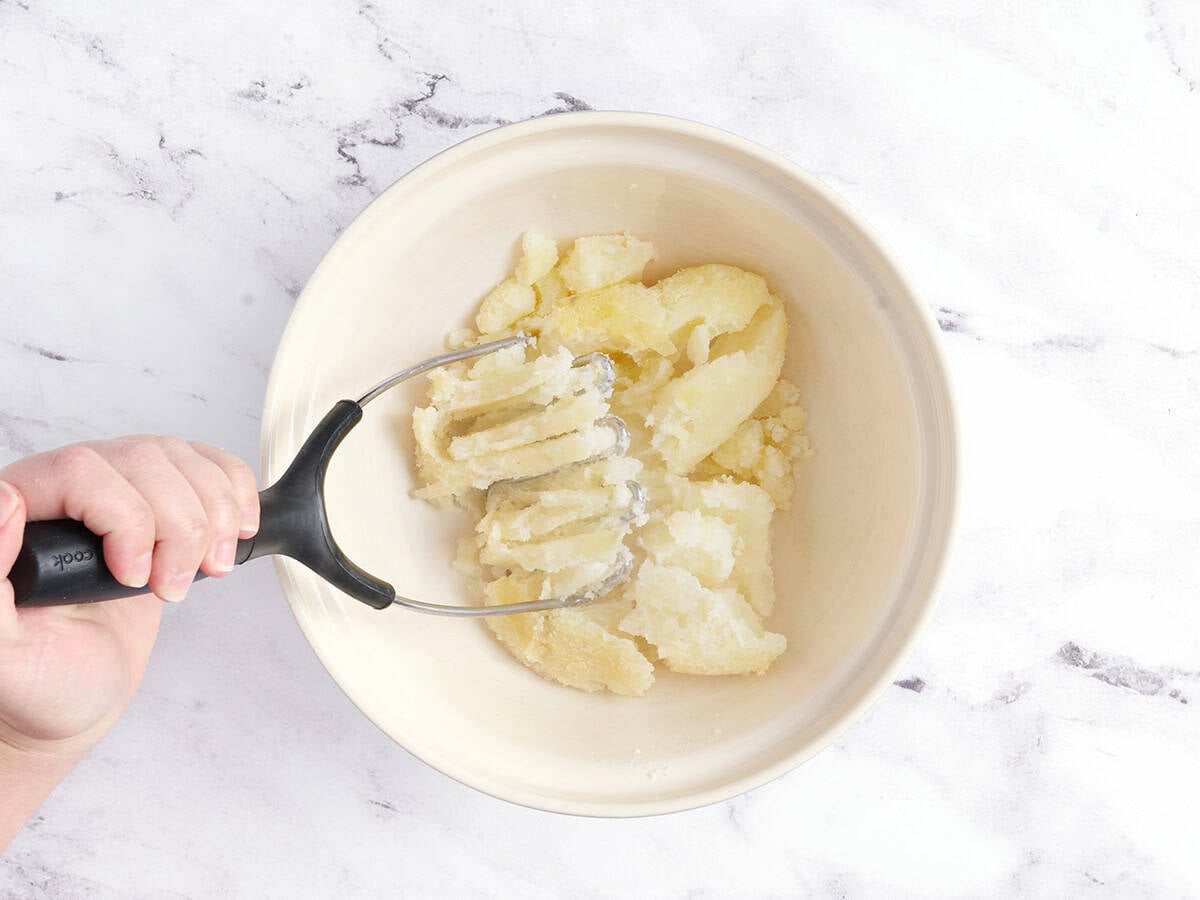
- Processing: Once fork-tender, the potatoes are peeled while still warm. Immediate processing through a ricer or food mill is essential. This tool aerates the potato, creating a fine, lump-free foundation.
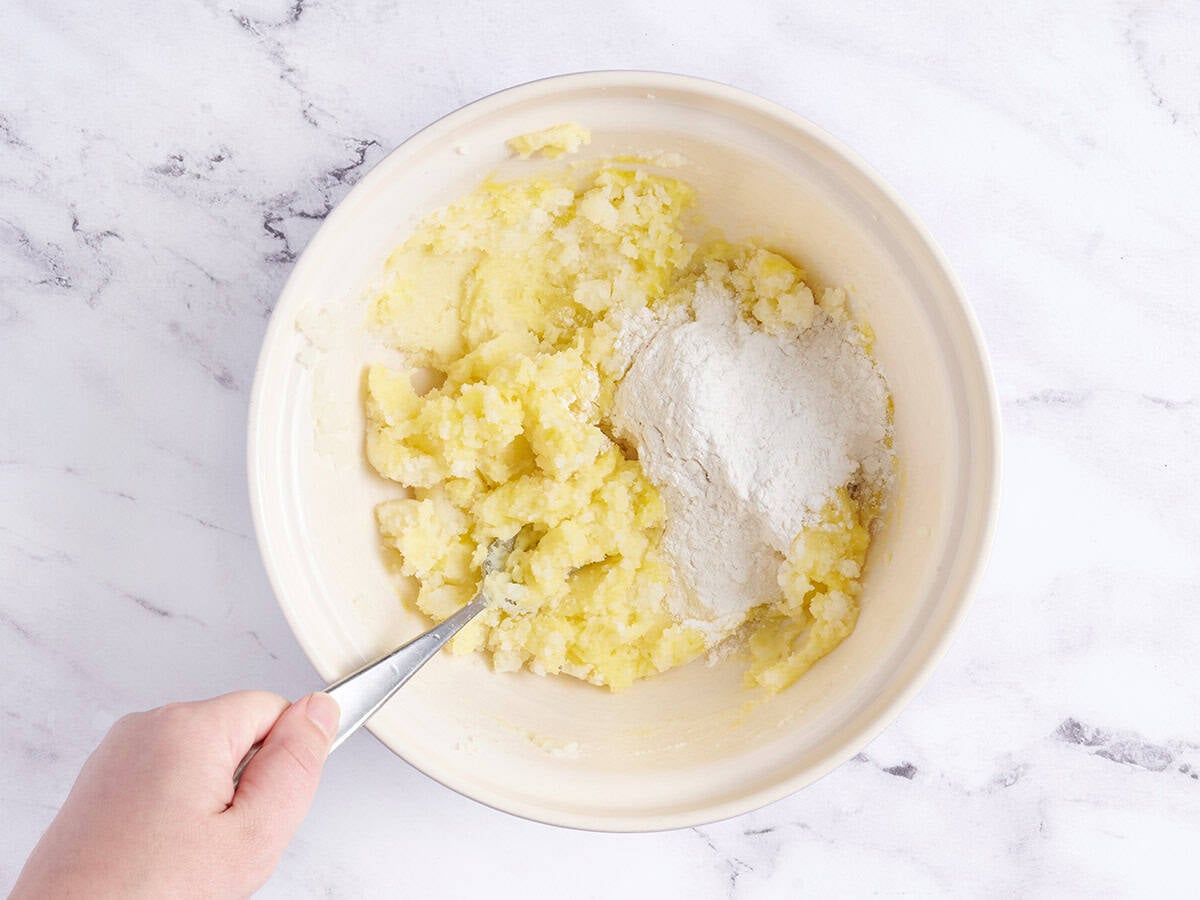
- Dough Formation: The riced potatoes are combined with salt and egg yolks before the gradual incorporation of flour. The dough is kneaded for approximately one minute—just enough to achieve homogeneity.
- The Resting Phase: A ten-minute rest period allows the flour to hydrate fully and the gluten to relax. This step is crucial for the subsequent rolling process, preventing the dough from snapping back or tearing.
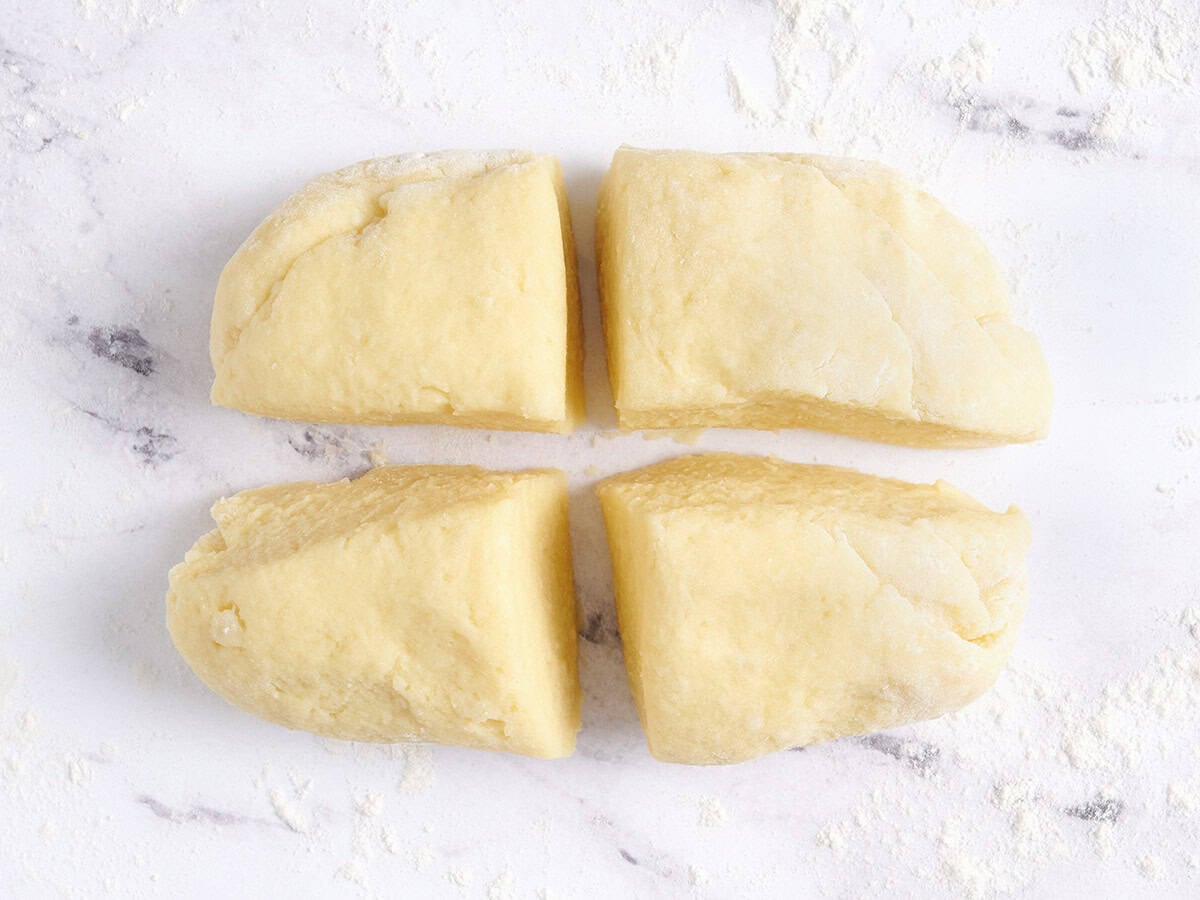
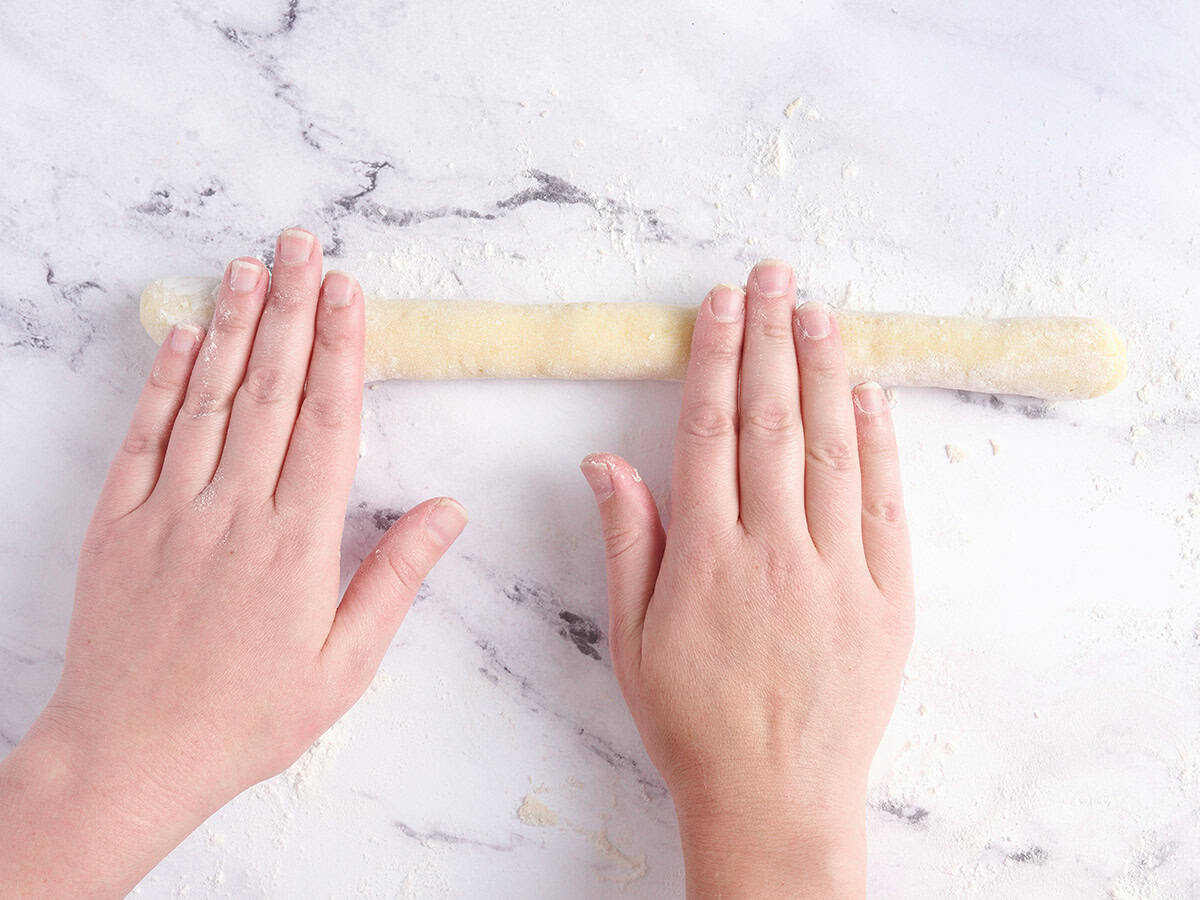
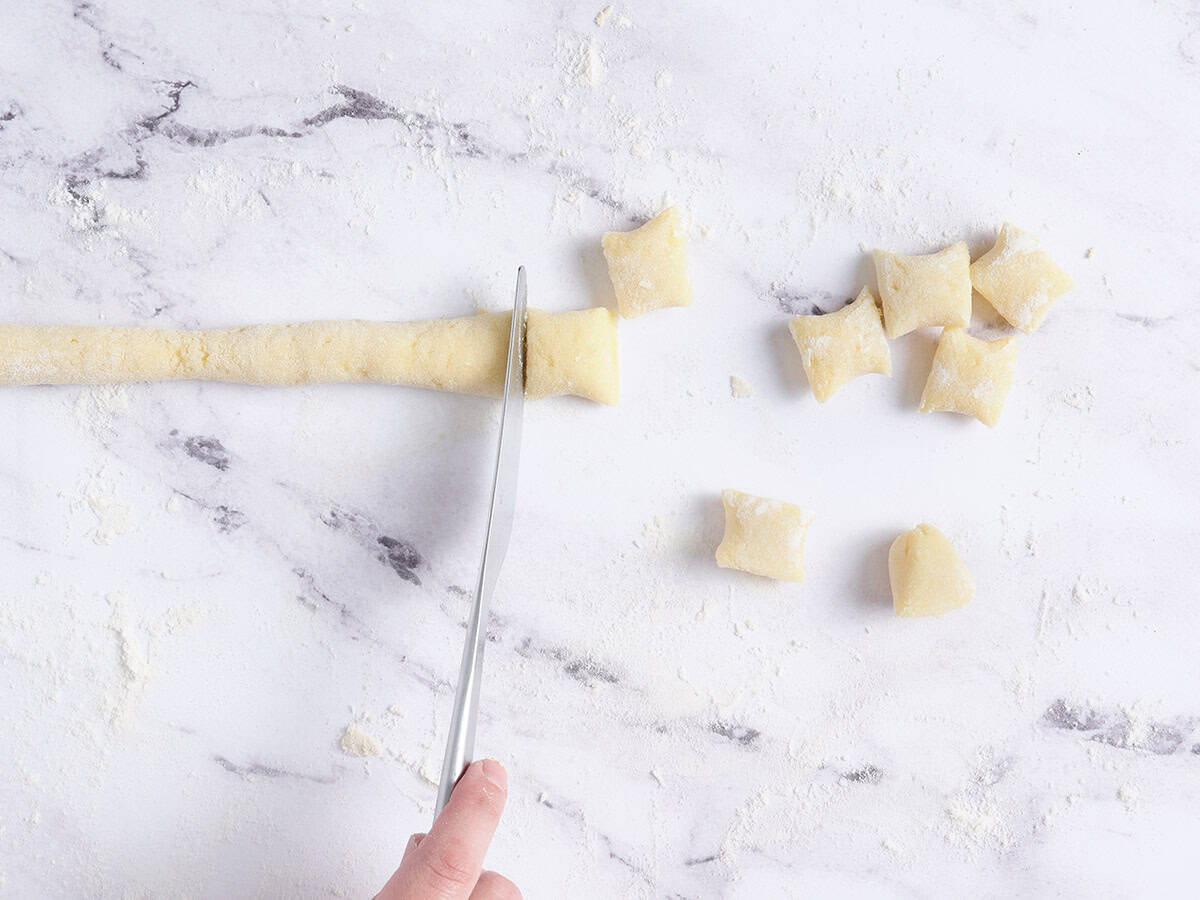
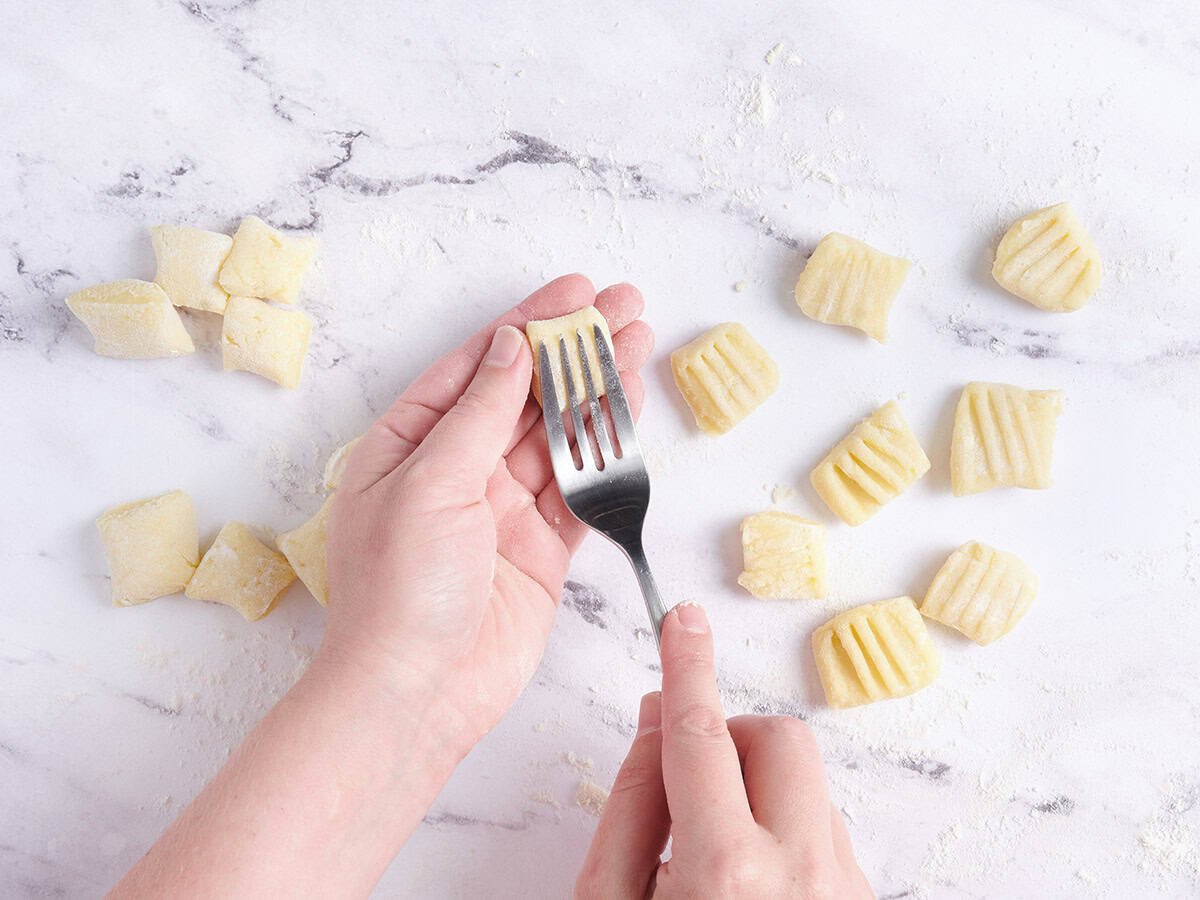
- Shaping and Grooving: The dough is rolled into ropes (approximately 1/2 to 3/4 inch thick) and cut into segments. The final aesthetic and functional touch involves rolling each piece over the tines of a fork. This creates "ridges" or grooves, a technical requirement that increases the surface area for sauces to cling to.
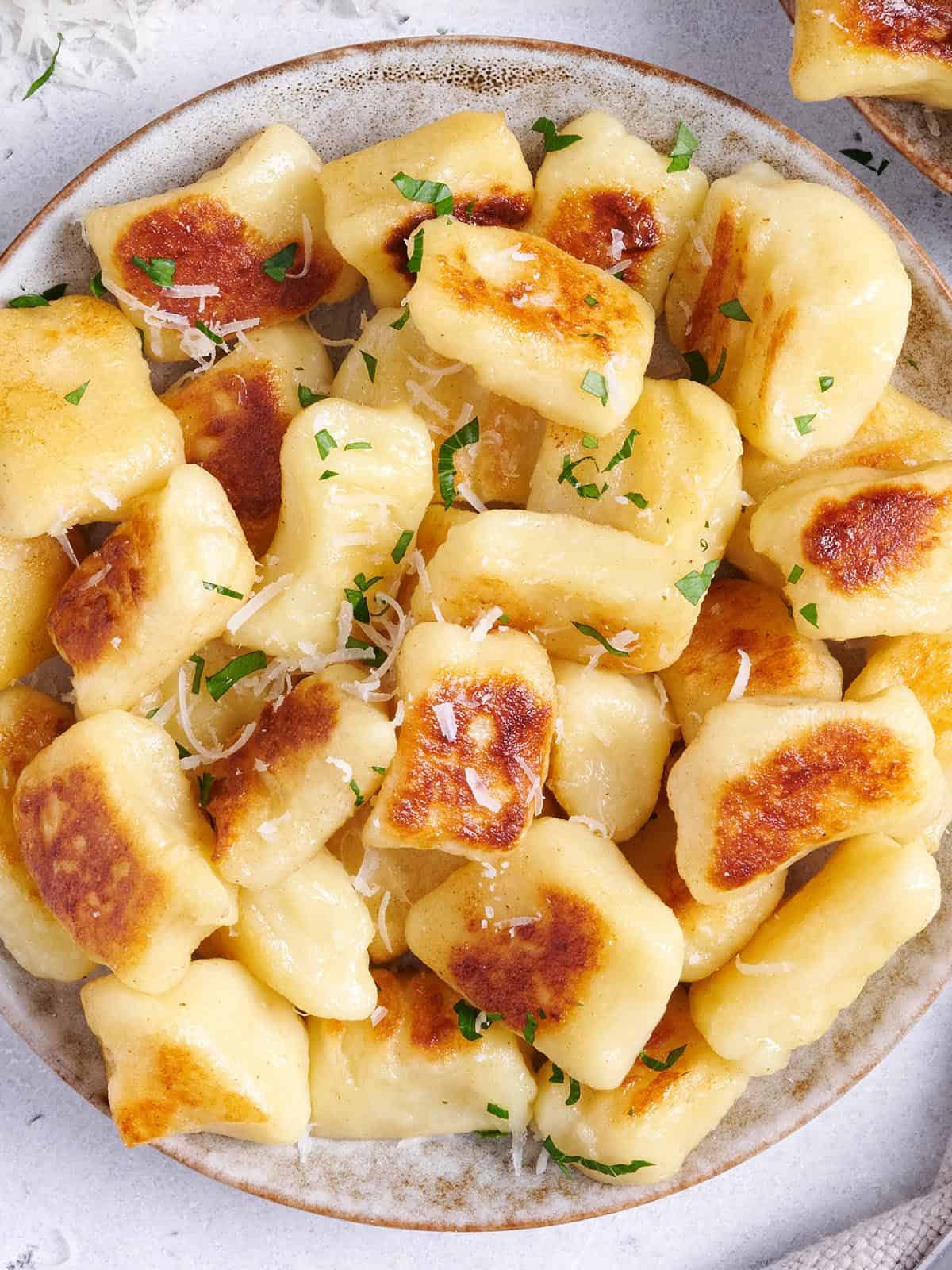
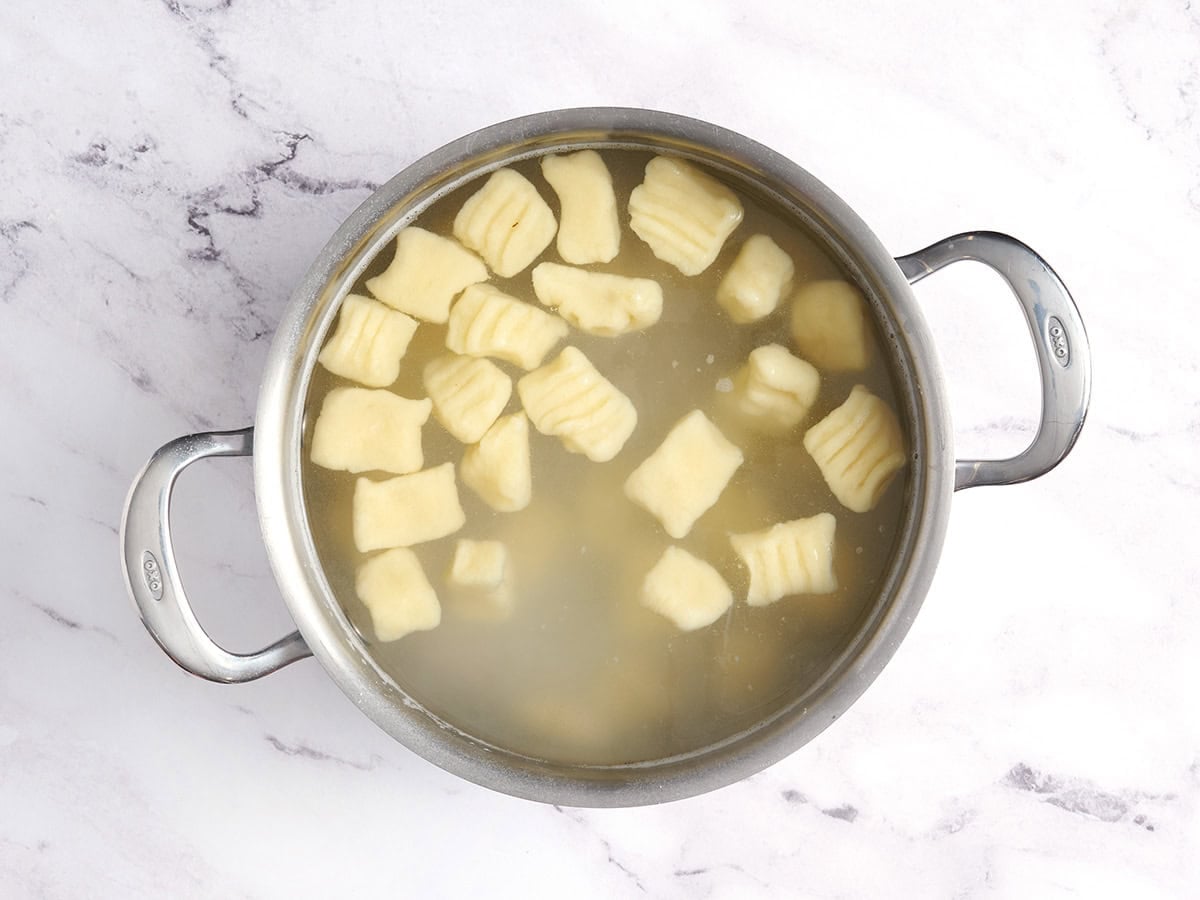
- Boiling and Searing: Gnocchi are boiled in small batches. Their "doneness" is signaled by buoyancy; once they float to the surface (typically within two minutes), they are removed. To elevate the texture, a secondary cooking phase—searing in browned butter—adds a Maillard reaction crust that provides a textural contrast to the soft interior.
Economic Analysis and Cost-Efficiency
In an era of rising food costs, homemade potato gnocchi stands out as a high-value, low-cost meal. Data provided by Budget Bytes illustrates the significant economic advantage of DIY preparation compared to retail or restaurant options.
Cost Breakdown:
- Total Recipe Cost: $2.04
- Cost Per Serving: $0.68 (based on three servings)
- Nutritional Density: Approximately 398 calories per serving, providing 10g of protein and 65g of carbohydrates.
In comparison, a standard package of shelf-stable or refrigerated gnocchi at a grocery store typically ranges from $4.00 to $7.00, often containing preservatives and stabilizers that compromise texture. In a restaurant setting, a similar potato gnocchi dish frequently commands a price point between $18.00 and $26.00. By producing the dish at home, consumers can achieve a 90% cost reduction while maintaining a higher artisanal quality.
Preservation and Storage Logistics
The fragility of fresh gnocchi requires specific storage protocols. For immediate leftovers, an airtight container in the refrigerator is sufficient for up to three days, with a sauté-reheat method recommended to restore texture.
For long-term storage, "flash-freezing" is the professional standard. Uncooked gnocchi are arranged in a single layer on a tray and frozen until solid before being transferred to a vacuum-sealed bag. This prevents the dumplings from clumping together. Frozen gnocchi can be boiled directly from the freezer, requiring only an additional minute of cook time, making them an ideal "instant" meal for future use.
Broader Implications for Modern Home Cooking
The resurgence of interest in manual culinary skills like gnocchi-making reflects a broader shift in consumer behavior. As dining out becomes increasingly expensive, home cooks are seeking "restaurant-grade" experiences within their own kitchens. The process of making gnocchi also promotes a zero-waste philosophy; for instance, the discarded potato skins can be seasoned and air-fried into a secondary snack, maximizing the utility of the raw ingredients.
Furthermore, the "intuition-based" nature of the recipe serves as a pedagogical tool for developing culinary literacy. Learning to sense the "tackiness" of dough and the "fluffiness" of riced potatoes helps cooks transition from strict recipe adherence to a more profound understanding of food science.
Conclusion
Potato gnocchi is more than a simple meal; it is a testament to the efficacy of basic ingredients when paired with disciplined technique. Through the careful management of starch, moisture, and heat, the humble russet potato is transformed into a sophisticated culinary asset. With a production cost of less than one dollar per serving, it represents the pinnacle of affordable luxury, offering a superior alternative to mass-produced varieties. As the Nashville Test Kitchen’s rigorous testing confirms, the investment of time and "culinary intuition" yields a result that is, by all objective measures, worth the effort. By mastering this four-ingredient art form, the home cook gains not only a delicious meal but also a deeper connection to the historical and scientific traditions of global gastronomy.
