

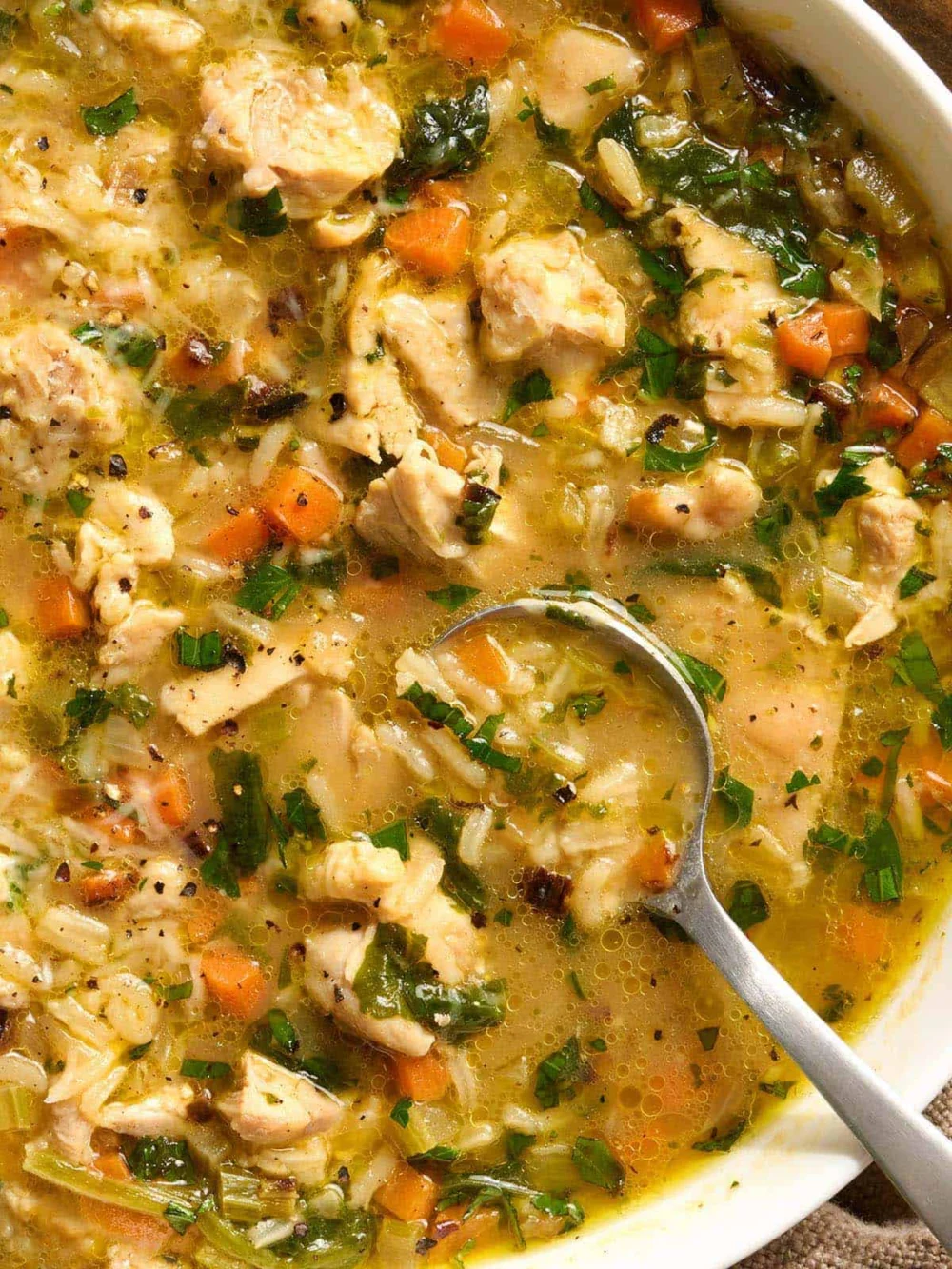
The Nashville-based culinary research facility known as the Nashville Test Kitchen has released a comprehensive report and recipe documentation for a Chicken Broth Bowl, a dish that sits at the intersection of contemporary social media trends and traditional budget-conscious home cookery. While the "broth bowl" terminology has recently gained significant traction across digital platforms such as TikTok and Instagram, culinary analysts note that the dish is fundamentally a refined iteration of classic chicken and rice soup. The release, spearheaded by culinary professional Jess Rice, aims to provide a nutrient-dense, high-protein meal option that maintains a strict cost-to-yield ratio, addressing the growing consumer demand for affordable yet healthful dining solutions in an era of fluctuating grocery inflation.
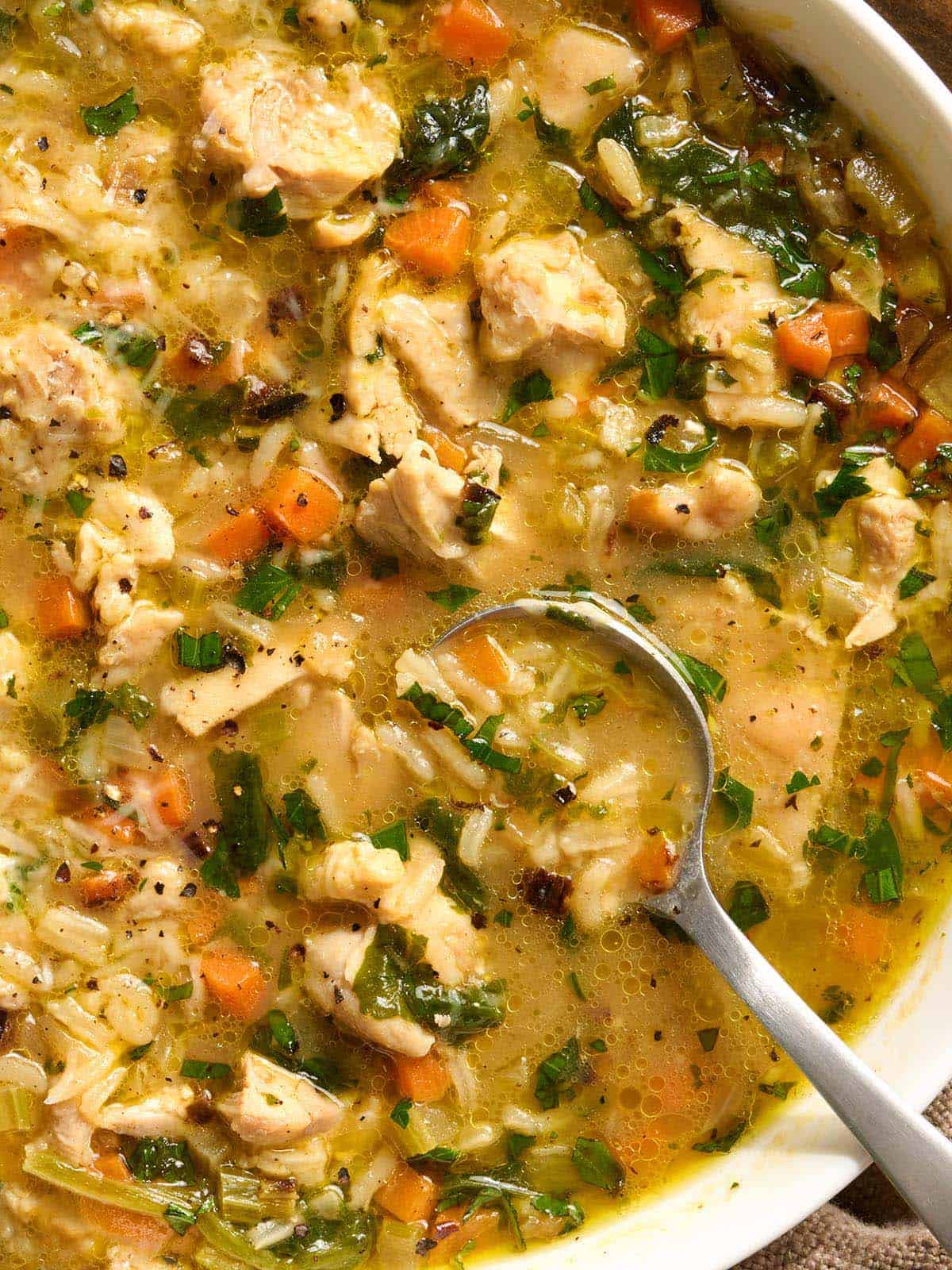
The Chicken Broth Bowl is positioned as a "hero" recipe for households seeking to maximize their pantry staples. By utilizing a foundation of long-grain white rice, a classic French mirepoix, and bone-in or boneless chicken thighs, the recipe achieves a sophisticated flavor profile without the requirement of expensive specialty ingredients. The Nashville Test Kitchen’s findings suggest that the total cost for a four-serving batch is approximately $7.53, equating to a per-serving cost of $1.89. This price point is significantly lower than the national average for fast-casual dining, which often exceeds $12.00 for similar "grain bowl" or "broth bowl" offerings.

Technical Specifications and Nutritional Profile
The nutritional analysis of the Chicken Broth Bowl reveals a balanced macronutrient distribution suitable for a wide range of dietary requirements. Each 1.5-cup serving contains approximately 299 calories, providing 27 grams of protein, 24 grams of carbohydrates, and 10 grams of fat. The high protein content—constituting 54% of the daily recommended value for an average adult—is primarily derived from the use of chicken thighs, a choice selected for both its economic value and its superior moisture retention compared to chicken breast meat.
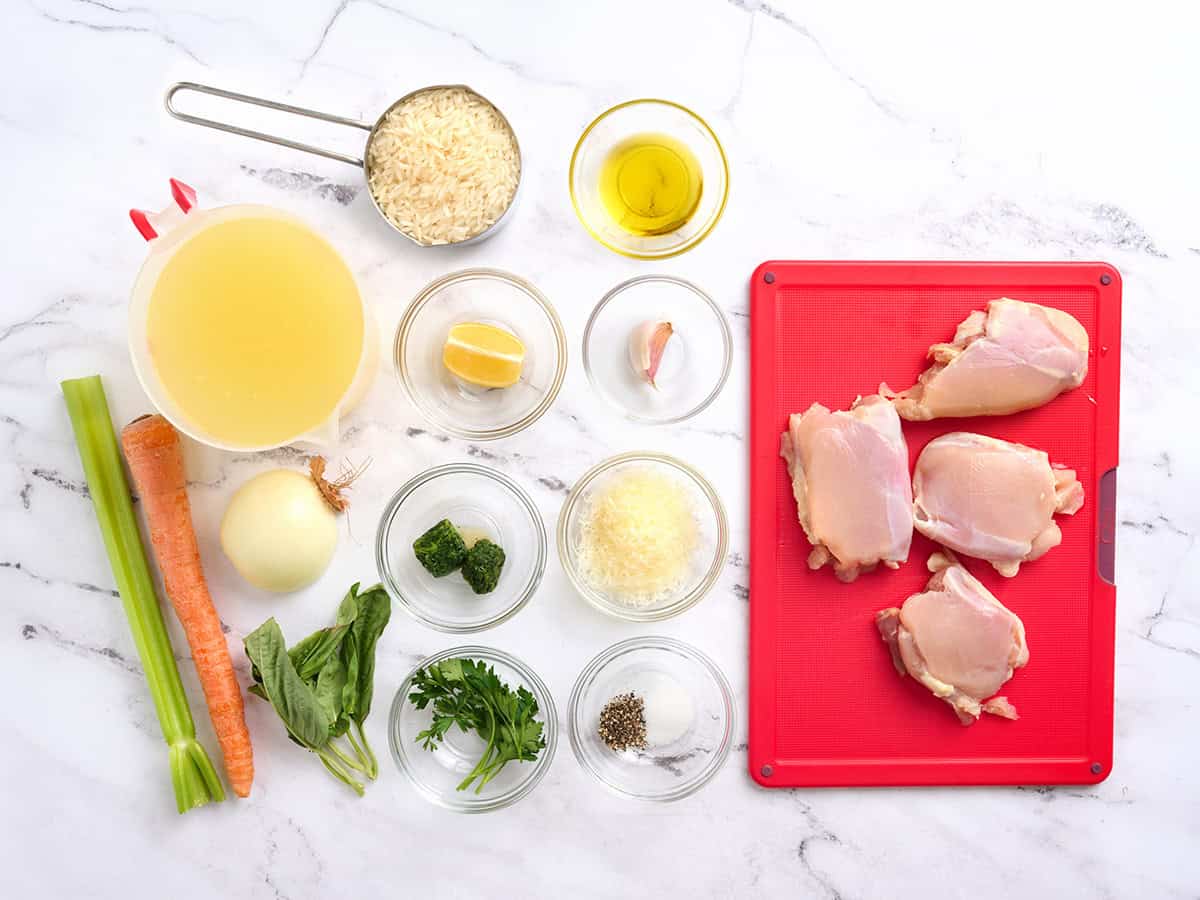
Furthermore, the inclusion of a mirepoix—a traditional aromatic base consisting of diced onions, carrots, and celery—ensures a high concentration of micronutrients and fiber. The addition of frozen spinach and fresh herbs such as basil and parsley contributes to the dish’s functional food status, offering antioxidants and essential vitamins with minimal impact on the overall budget. The sodium content is noted at 1,428 mg per serving, a figure that analysts attribute to the use of concentrated bouillon bases. However, the report suggests that home cooks can mitigate this by utilizing low-sodium or homemade stocks.
Chronology of Preparation and Culinary Methodology
The preparation of the Chicken Broth Bowl follows a strict one-pot methodology designed for maximum efficiency and flavor extraction. The process is divided into several distinct phases:
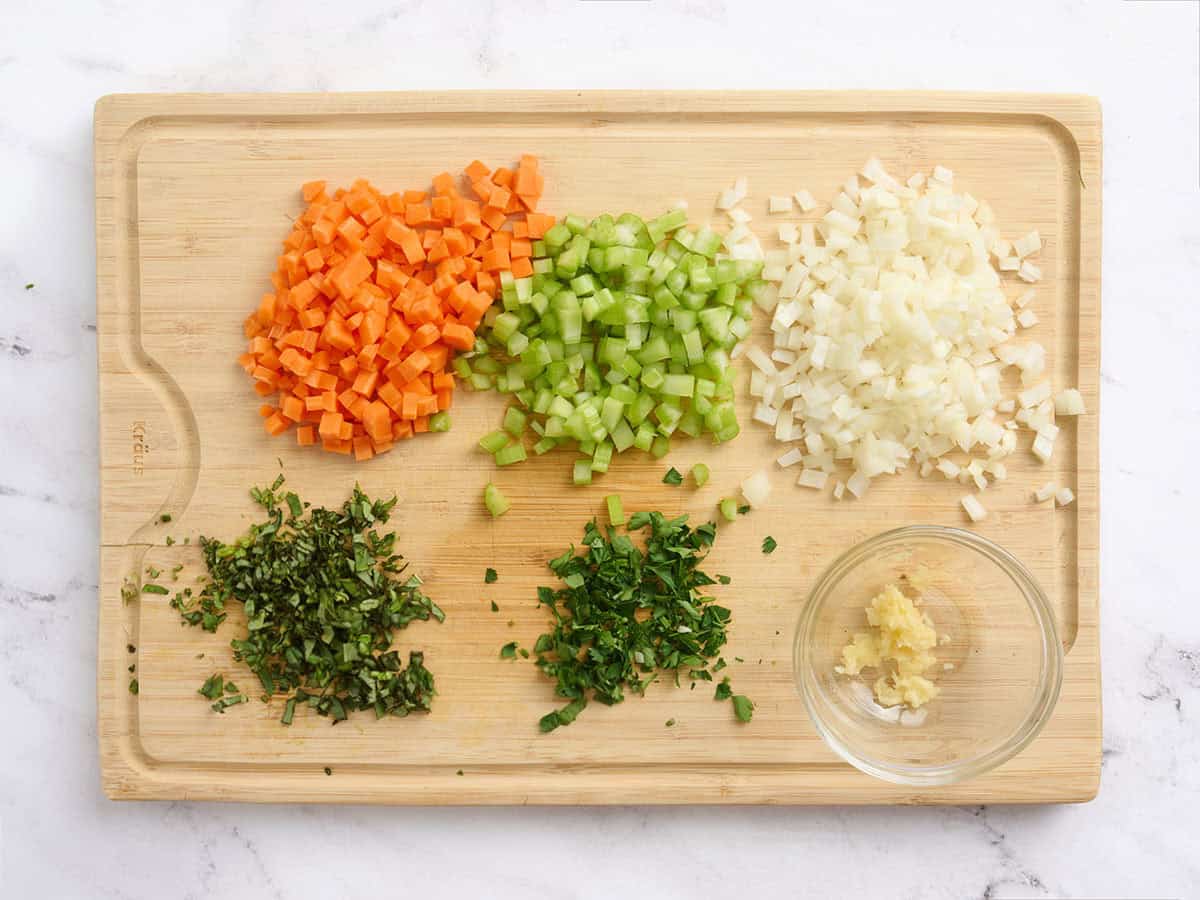
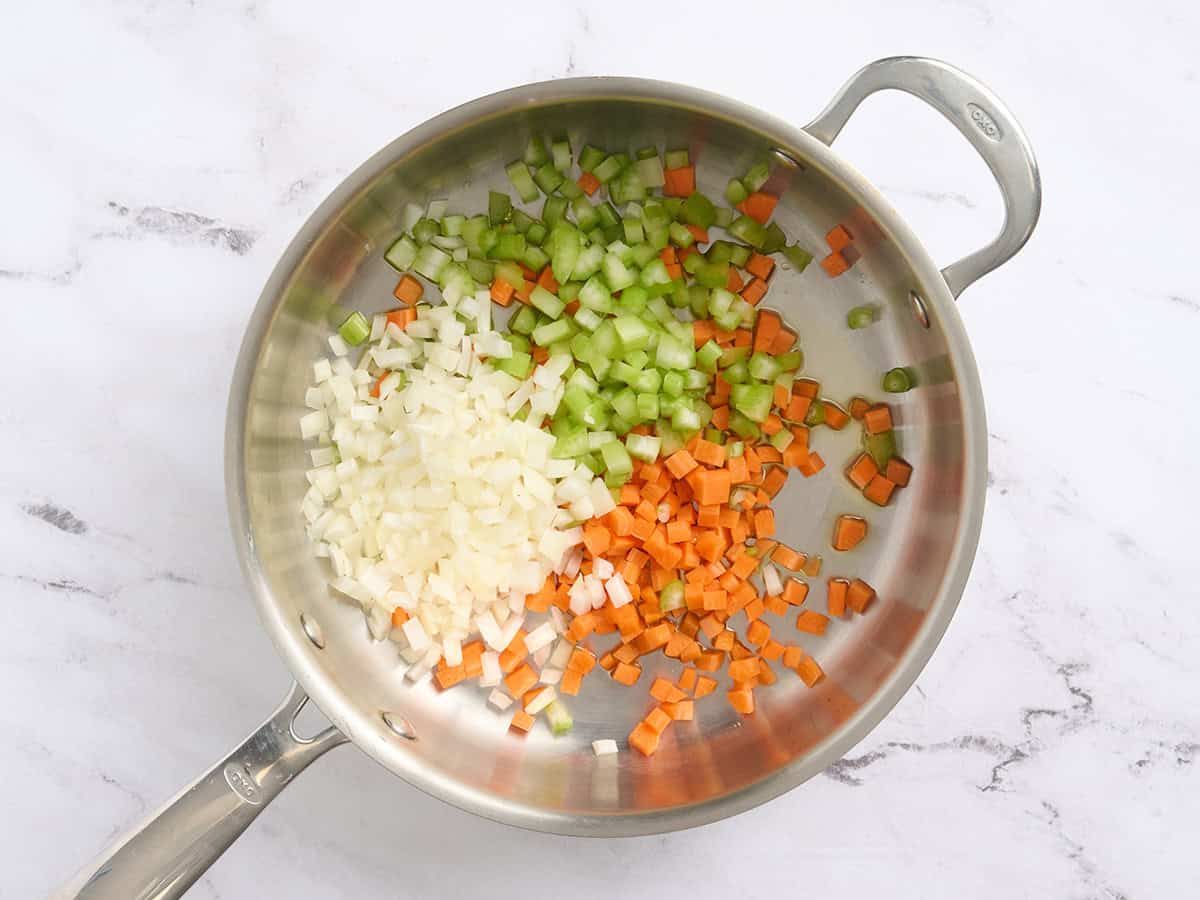
- Aromatic Preparation and Mise en Place: The initial phase involves the precision dicing of the mirepoix components and the mincing of garlic and fresh herbs. This foundational step is critical for ensuring even cooking and consistent flavor distribution.
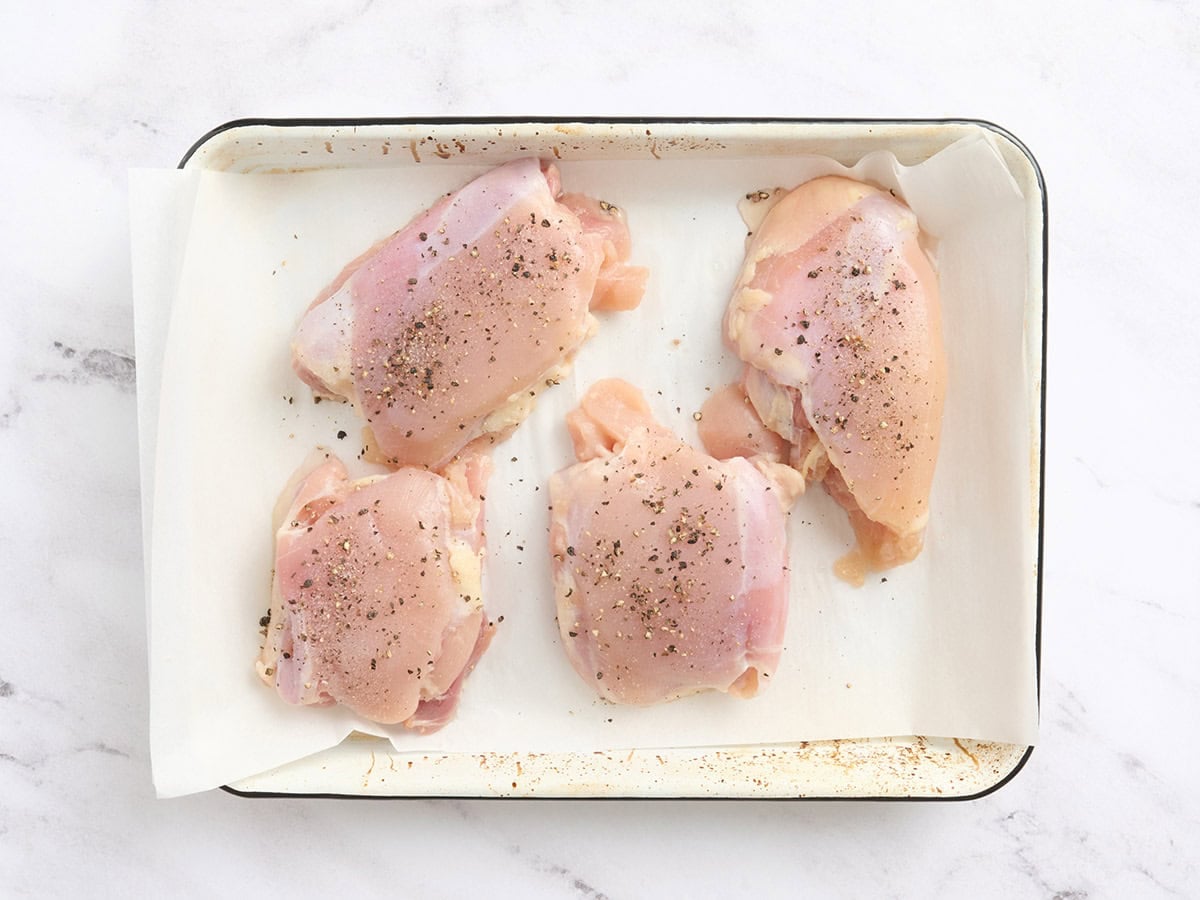
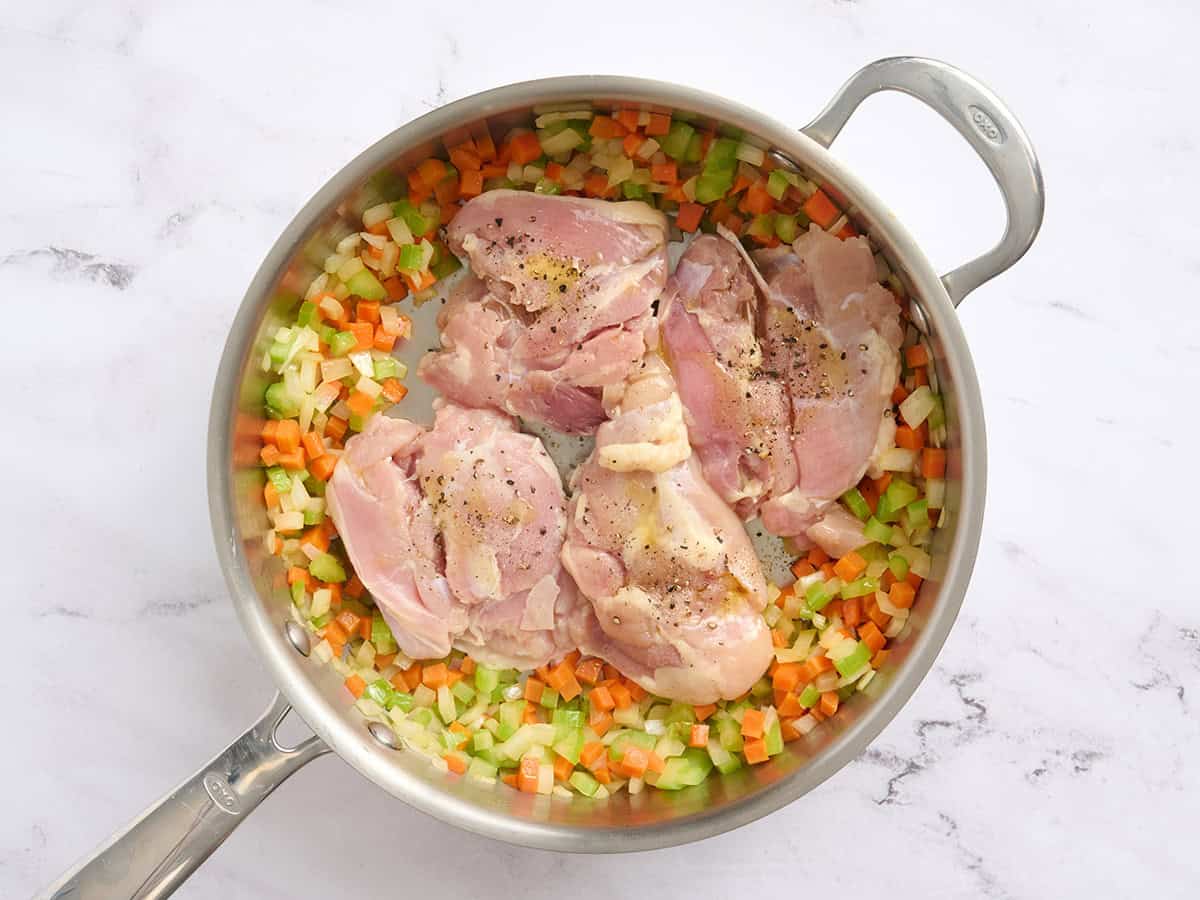
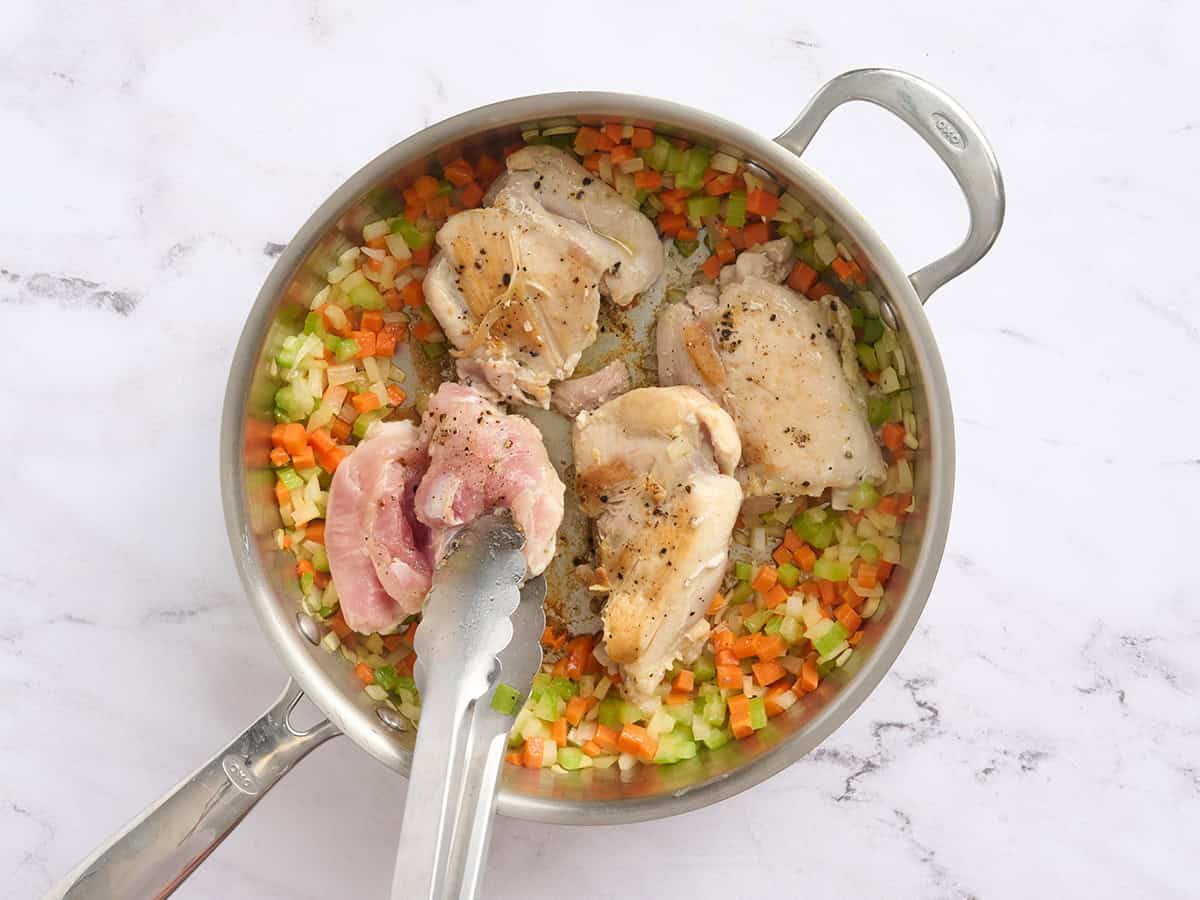
- Protein Searing and the Maillard Reaction: Four boneless chicken thighs are seasoned with salt and pepper and seared in olive oil over medium-high heat. This step utilizes the Maillard reaction—a chemical reaction between amino acids and reducing sugars—to create a savory crust on the meat, which eventually enhances the depth of the broth. The chicken is cooked to an internal temperature of 160°F before being removed to rest, allowing carry-over cooking to reach the USDA-recommended safe temperature of 165°F.
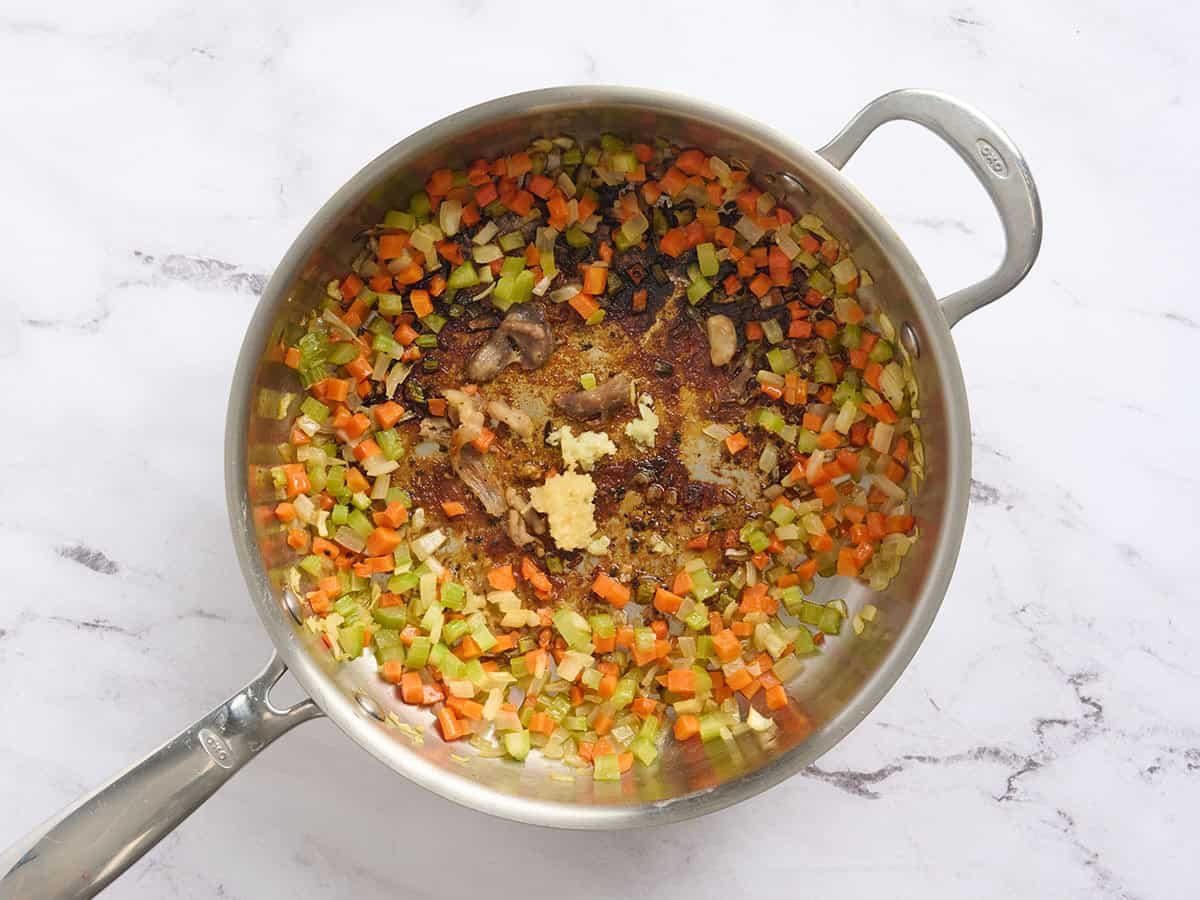
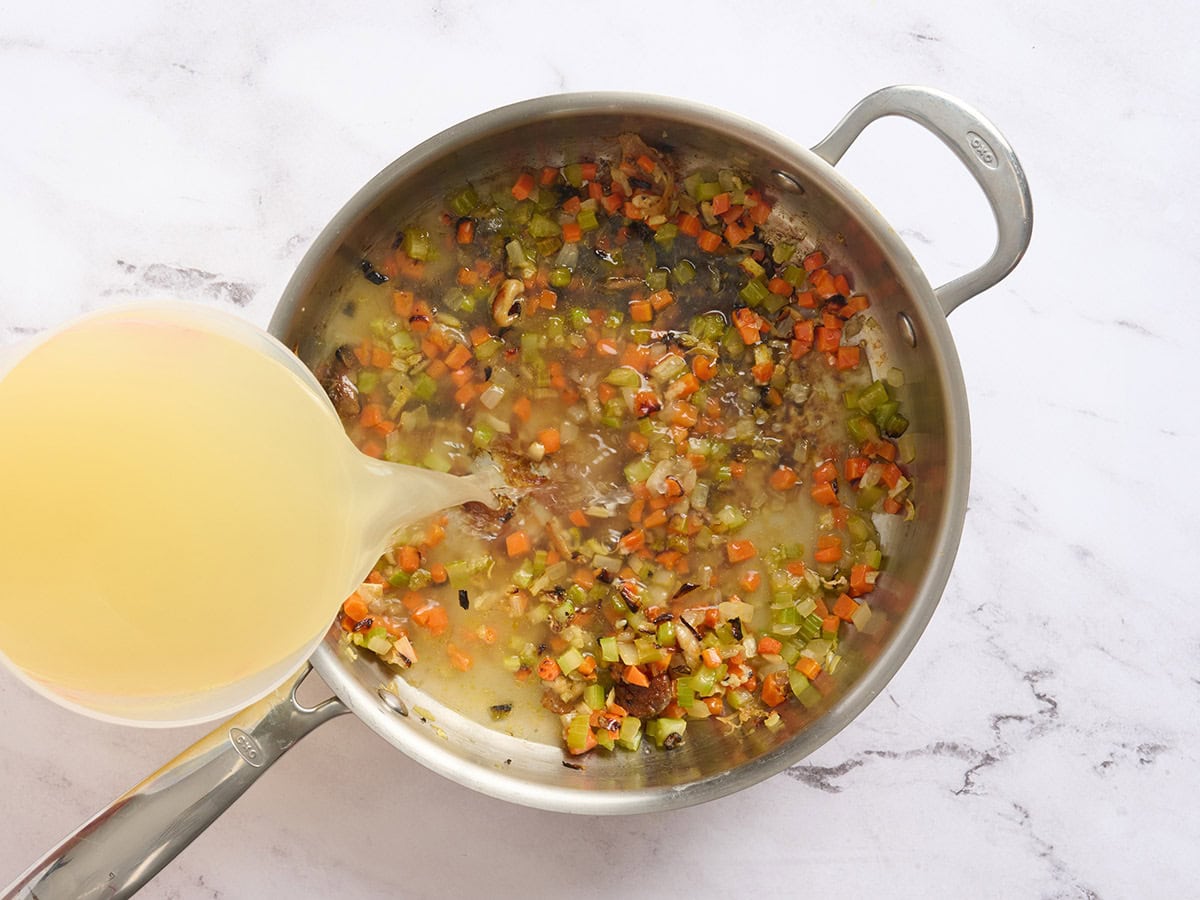
- Vegetable Sauté and Pan Deglazing: The mirepoix is sautéed in the remaining fats until softened. Garlic is added in the final minute to prevent burning. The pan is then deglazed with five cups of chicken broth, a process that lifts the "fond"—the caramelized bits of protein left on the bottom of the pan—integrating them into the liquid base.
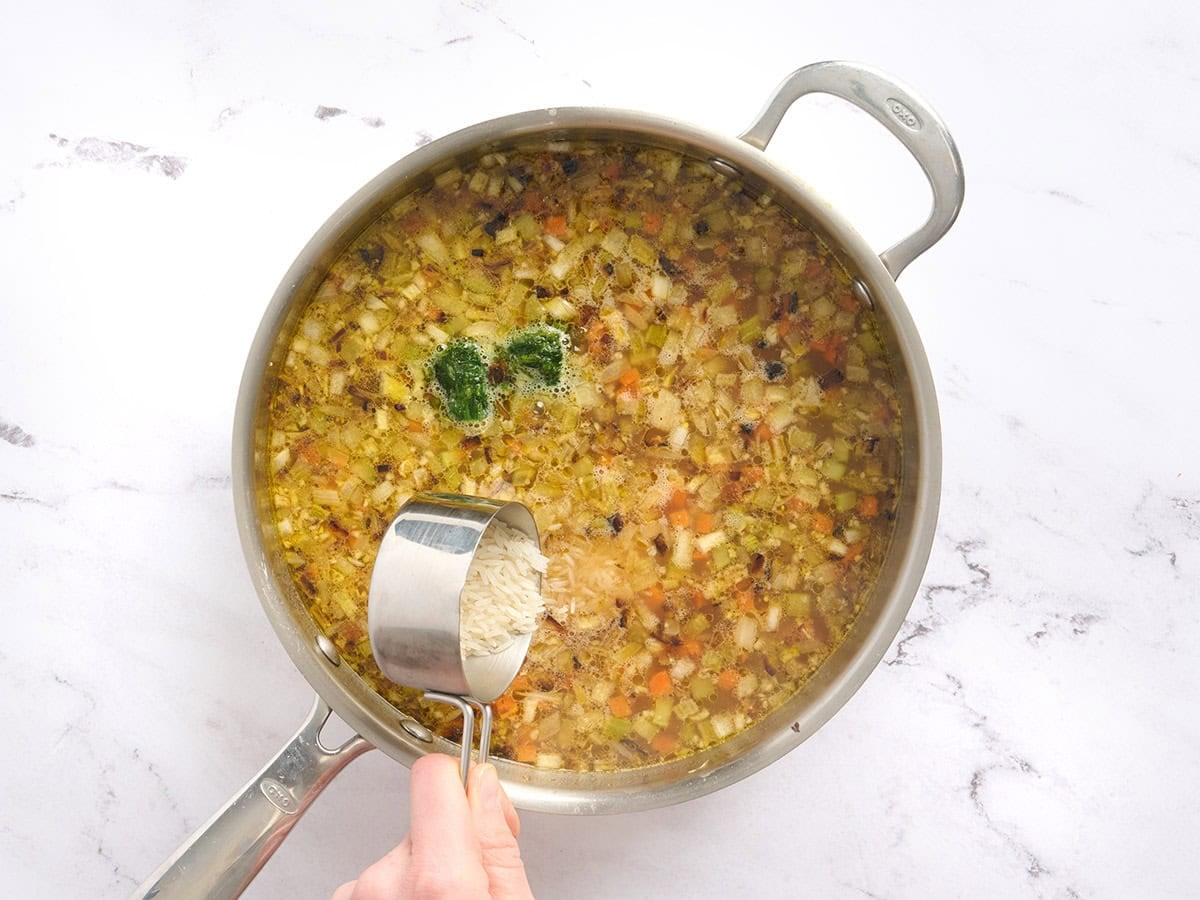
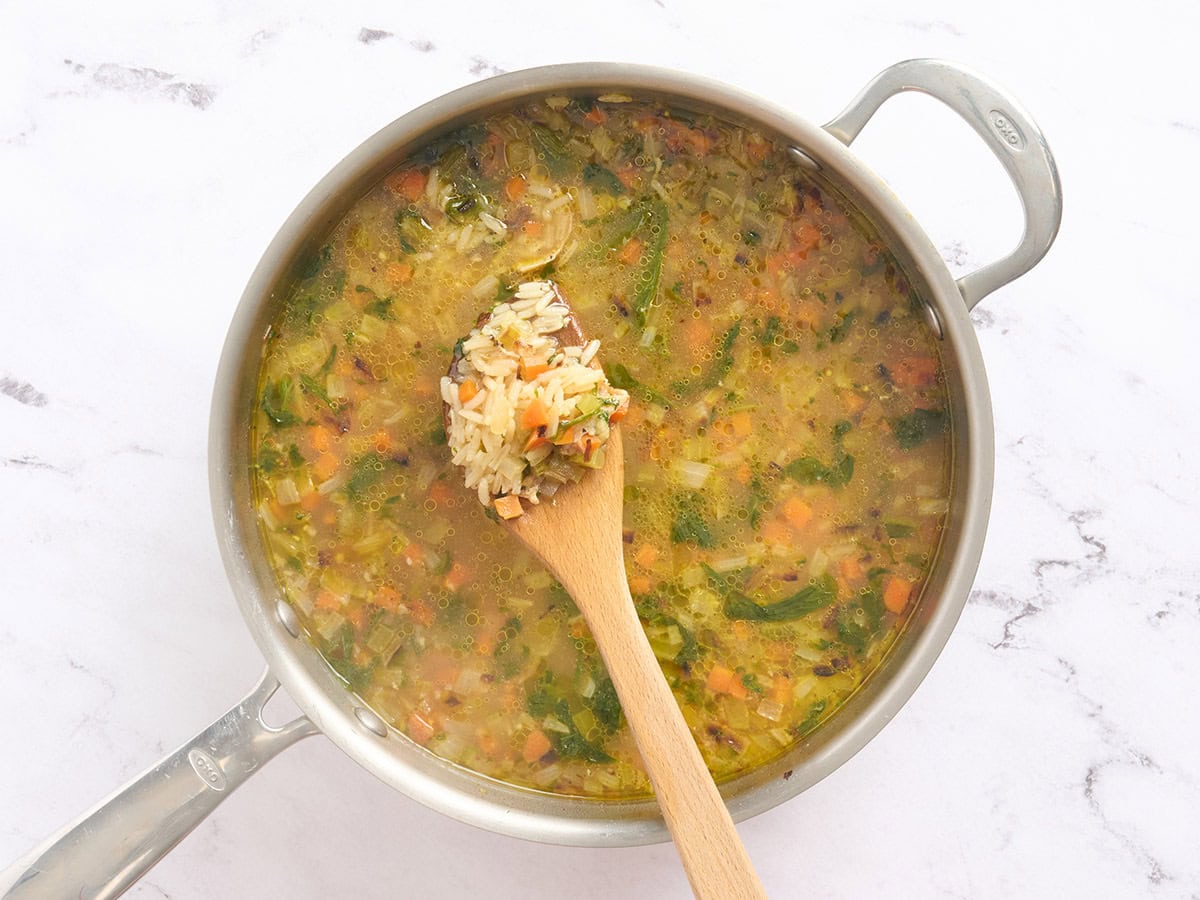
- Starch Integration and Simmering: Long-grain white rice and frozen spinach are introduced to the simmering liquid. The pot is covered and maintained at a low simmer for approximately 15 minutes. This allows the rice to absorb the flavored broth, effectively thickening the soup and increasing its satiety levels.
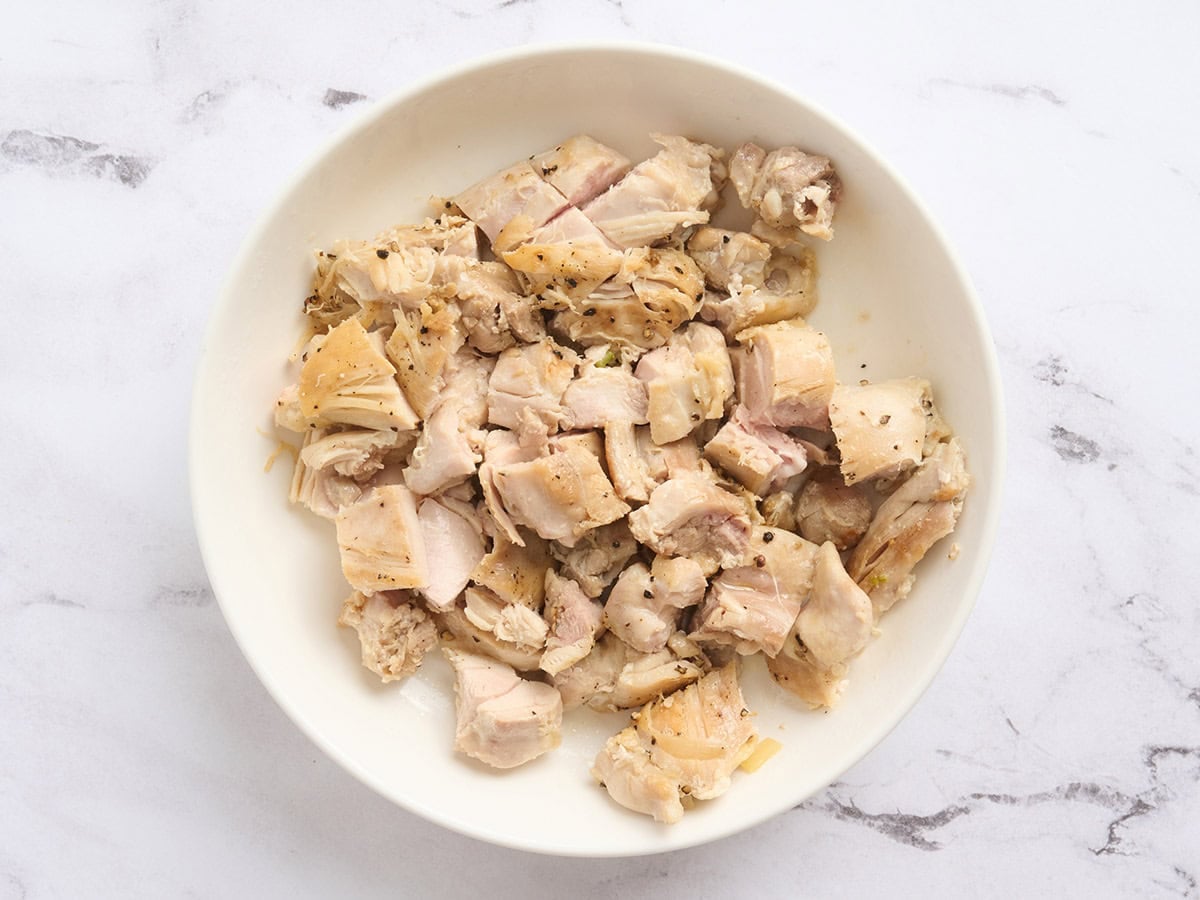
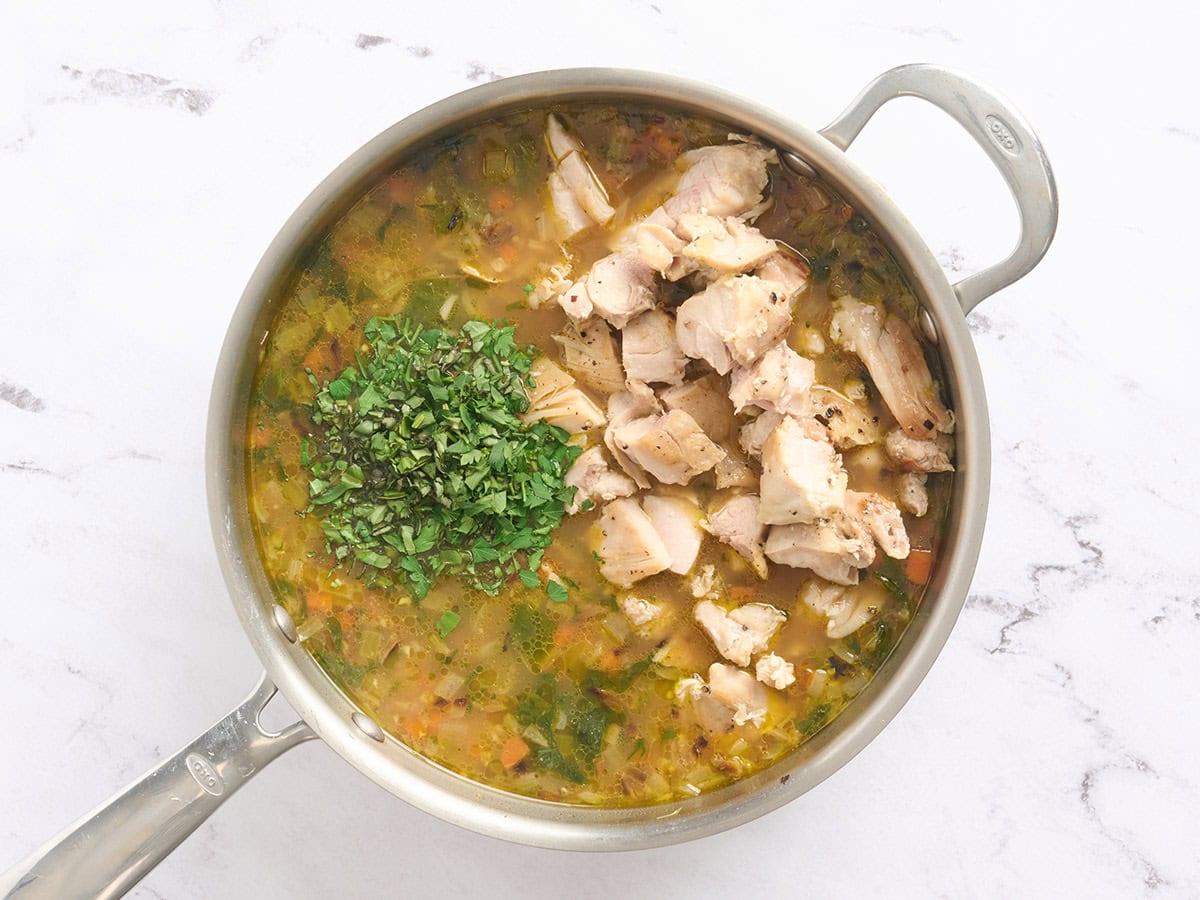
- Final Assembly: The rested chicken is sliced into bite-sized pieces and returned to the pot along with fresh parsley and basil. The final dish is garnished with grated Parmesan cheese and a squeeze of fresh lemon juice to provide acidity and brightness.
Economic Context and Market Data
The release of this recipe comes at a time when food at home (FAH) prices have seen historic volatility. According to recent data from the Bureau of Labor Statistics, while overall inflation has shown signs of cooling, the cost of poultry and certain fresh vegetables remains a primary concern for middle-to-low-income households. By focusing on "pantry heroes" like rice, which remains one of the most cost-effective caloric sources globally, the Chicken Broth Bowl provides a blueprint for economic resilience.
The choice of chicken thighs as the primary protein is also supported by market data. Historically, chicken thighs have traded at a significant discount to chicken breasts. In early 2024, wholesale prices for boneless, skinless thighs averaged between $0.50 and $1.00 less per pound than breasts. Additionally, the use of concentrated bases like "Better Than Bouillon" represents a strategic move toward "shelf-stable luxury," where a single purchase can provide the foundation for dozens of meals, reducing the per-unit cost of broth to pennies.
Institutional Perspectives and Expert Analysis
Jess Rice, a culinary educator and former Chef Professor at Niagara College, emphasizes that the "broth bowl" trend is a modern nomenclature for a timeless tradition. "Sometimes trends don’t make sense to me," Rice stated in the project documentation. "Isn’t a ‘broth bowl’ just another name for ‘soup’? Honestly, yes, but that doesn’t make this one-pot Chicken Broth Bowl any less nourishing."
Rice’s background as a restaurateur in Nashville, specifically her work with innovative plant-based and functional foods, informs the structure of this recipe. The Nashville Test Kitchen, where the recipe underwent rigorous testing, serves as a hub for developing "attainable excellence" in home cooking. The institution’s philosophy is built on the premise that high-quality, flavorful food should not be gatekept by high price points or complex techniques.
Industry observers suggest that the rebranding of soup as a "broth bowl" is a clever marketing evolution. By focusing on the "bowl" aspect, creators tap into the wellness industry’s emphasis on "functional bowls" and "power bowls," which are perceived as more substantial and health-focused than traditional canned soups. This psychological shift encourages younger demographics to engage with home cooking.
Broader Implications for the Home Cooking Landscape
The Chicken Broth Bowl represents a broader shift in American domestic life toward "one-pot" solutions. As the boundaries between work and home continue to blur for many professionals, the time allocated for meal preparation has diminished. One-pot meals reduce the "labor of cleanup," a significant barrier to entry for novice home cooks.
Furthermore, the versatility of the broth bowl framework—mirepoix + protein + green + grain—allows for significant customization based on regional availability and dietary restrictions. The Nashville Test Kitchen suggests several variations, including the use of beef broth with barley and kale, or vegetable broth with chickpeas and quinoa. This modular approach to recipe development empowers consumers to act as "culinary architects," adjusting the base formula to suit their specific economic and nutritional needs.
From a public health perspective, the promotion of such recipes is vital. With the rising prevalence of highly processed "ultra-processed foods" (UPFs) in the American diet, simple, whole-food-based recipes like the Chicken Broth Bowl offer a viable alternative. The high fiber and protein content, combined with the lack of artificial preservatives found in many store-bought soups, align with current USDA Dietary Guidelines for Americans.
Future Outlook and Conclusion
As the winter season progresses, the demand for "comfort foods" typically spikes. However, the 2024-2025 season is characterized by a "new pragmatism" in the kitchen. Consumers are no longer just looking for warmth; they are looking for value. The Chicken Broth Bowl, with its $1.89 price tag and high-density nutritional profile, is expected to remain a staple in the digital recipe ecosystem.
The Nashville Test Kitchen has indicated that it will continue to monitor grocery price trends to adjust its recipe outputs accordingly. The success of the Chicken Broth Bowl serves as a case study in how traditional culinary techniques can be successfully rebranded for a modern, social-media-driven audience without sacrificing the core principles of affordability and nutrition. In conclusion, while the name may be a product of contemporary trends, the substance of the dish remains rooted in the enduring logic of the well-managed household kitchen.
