

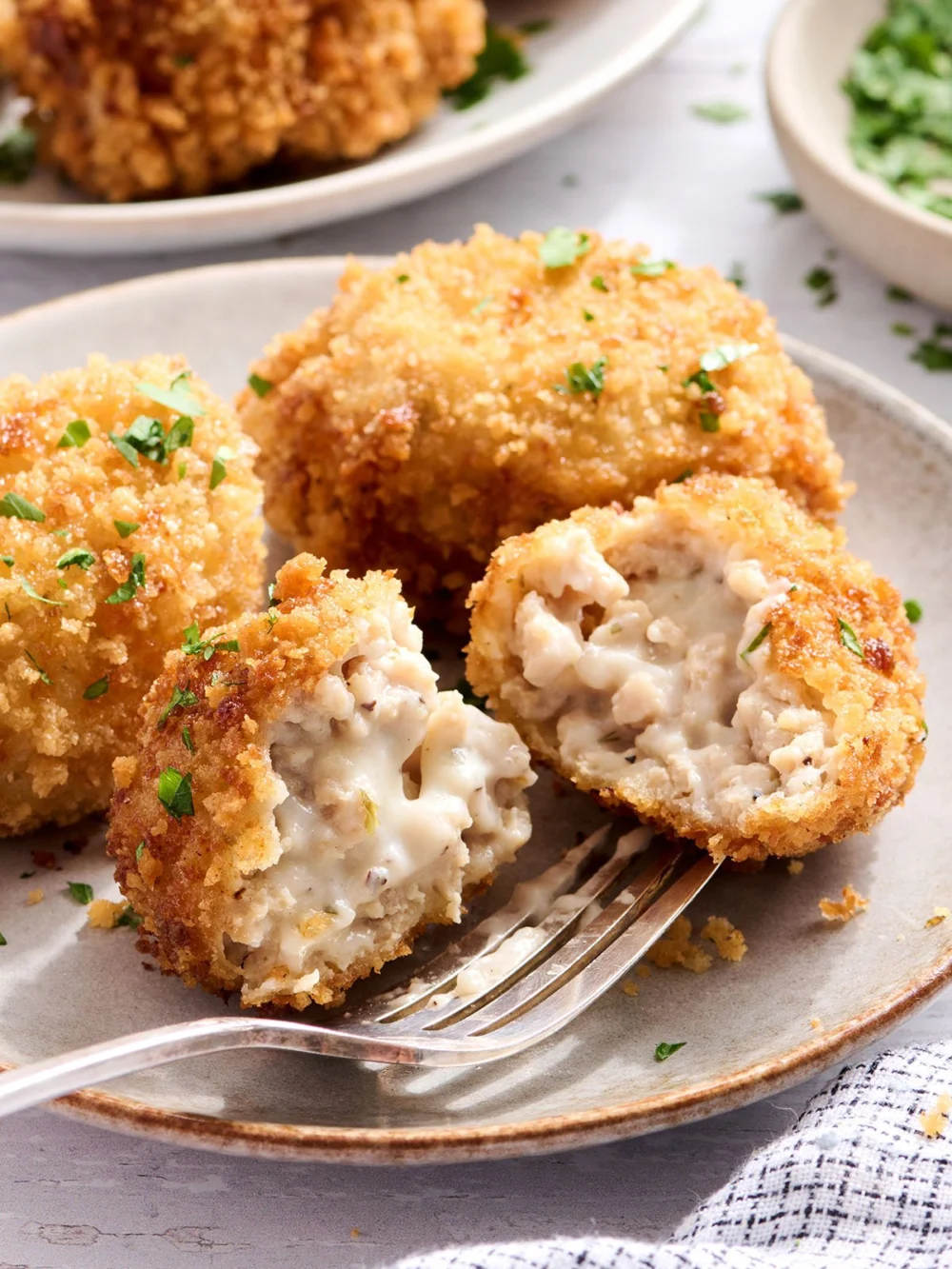
The modernization of classical European culinary techniques has reached a new milestone with the release of a refined protocol for chicken croquettes, a dish that bridges the gap between high-end gastronomy and domestic budget management. Developed within the Nashville Test Kitchen by recipe developer and former Per Se intern Melissa Nolan, this latest iteration of the chicken croquette emphasizes a rigorous "chill-and-freeze" methodology designed to eliminate the structural failures common in home-based deep-frying. The initiative reflects a broader movement in the culinary industry to democratize professional-grade techniques for a consumer base increasingly pressured by fluctuating food costs. By utilizing pantry staples and repurposing proteins, the recipe achieves a cost-efficiency of approximately $1.62 per serving, positioning it as a sophisticated alternative to processed convenience foods like commercial chicken nuggets.

The Historical Trajectory of the Croquette
The croquette occupies a unique position in Western culinary history, functioning as both a royal delicacy and a practical solution for food preservation. The term originates from the French verb croquer, meaning "to crunch," a reference to the contrast between the dish’s crisp exterior and its emulsified interior. While the first written record of a croquette recipe appeared in 1691 in the writings of François Massialot, the chef to Louis XIV, the dish underwent significant evolution during the 19th century under the influence of Marie-Antoine Carême. Carême is credited with refining the bechamel base, transforming the croquette from a simple fried ball into a vehicle for complex flavors.
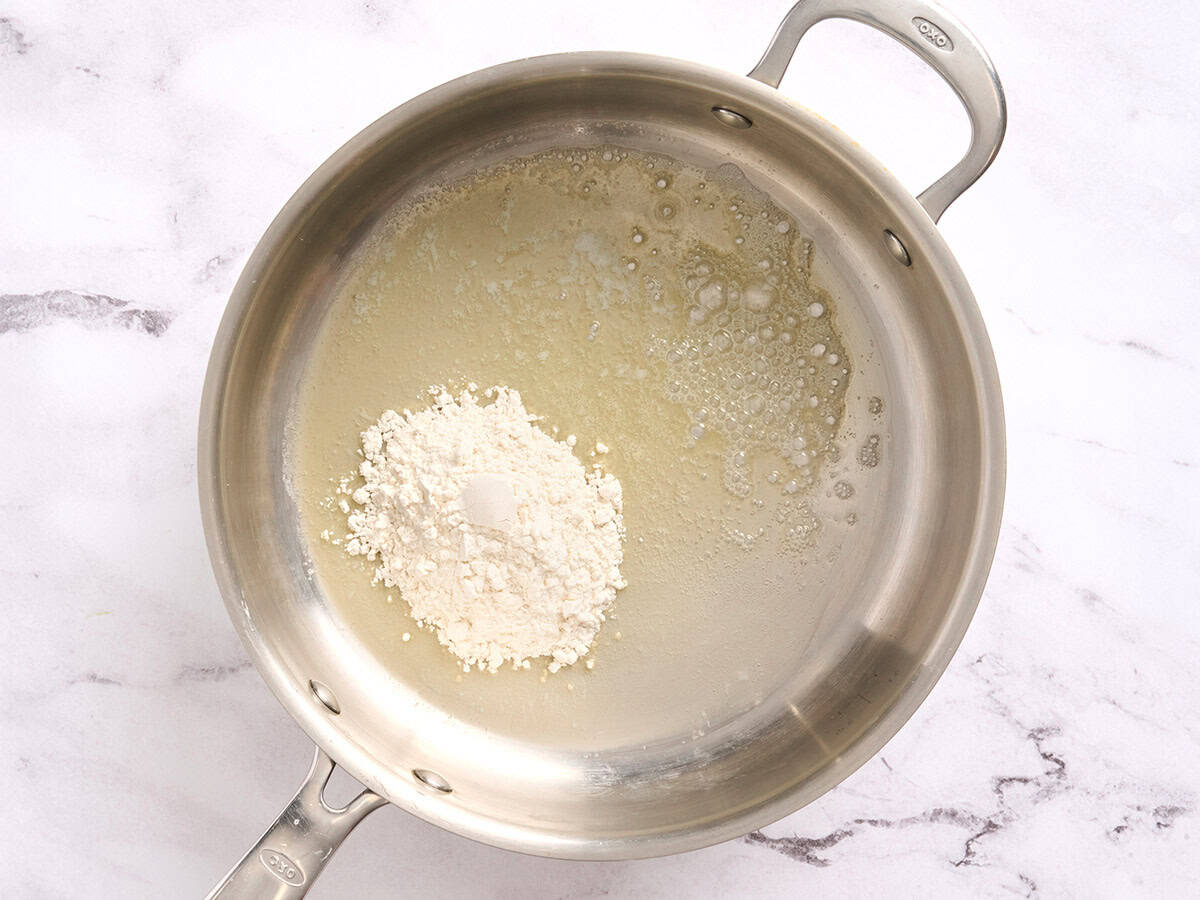
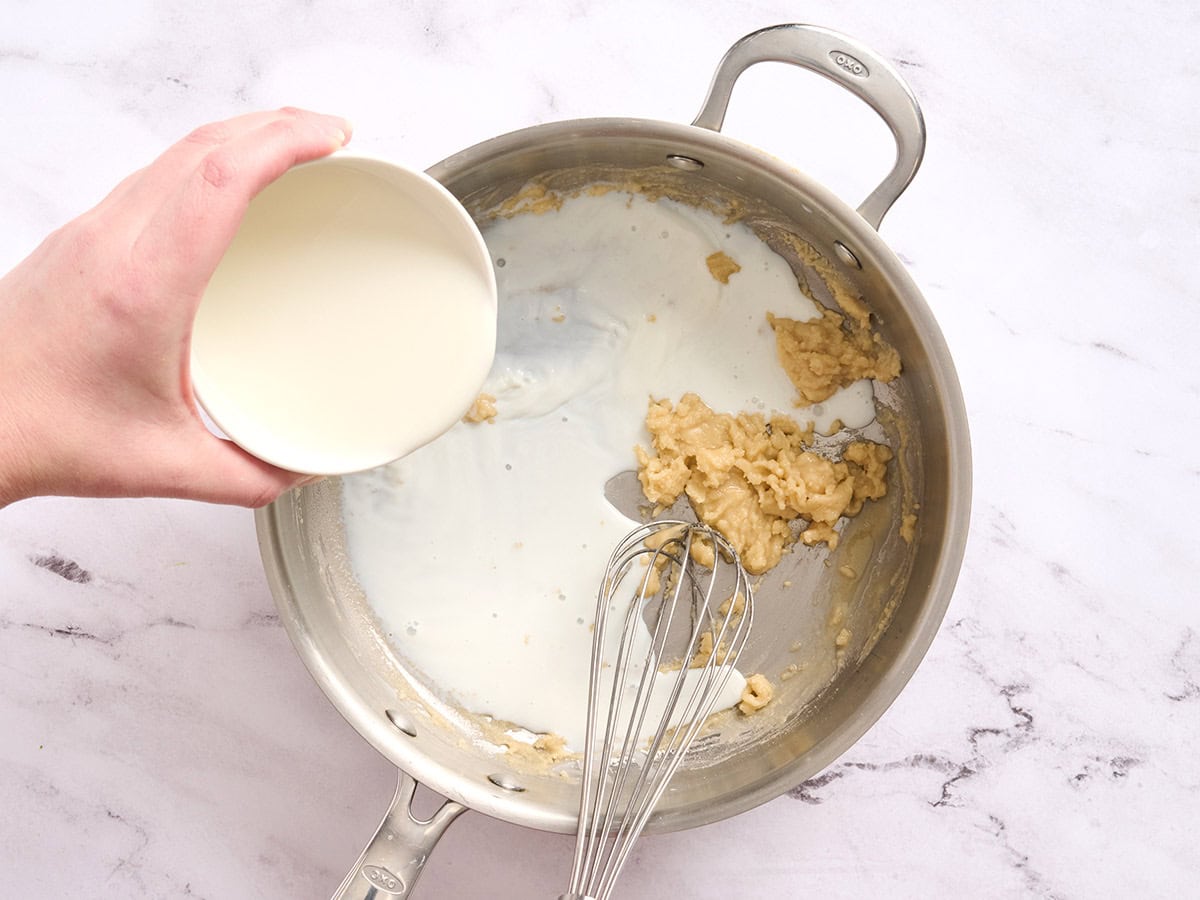
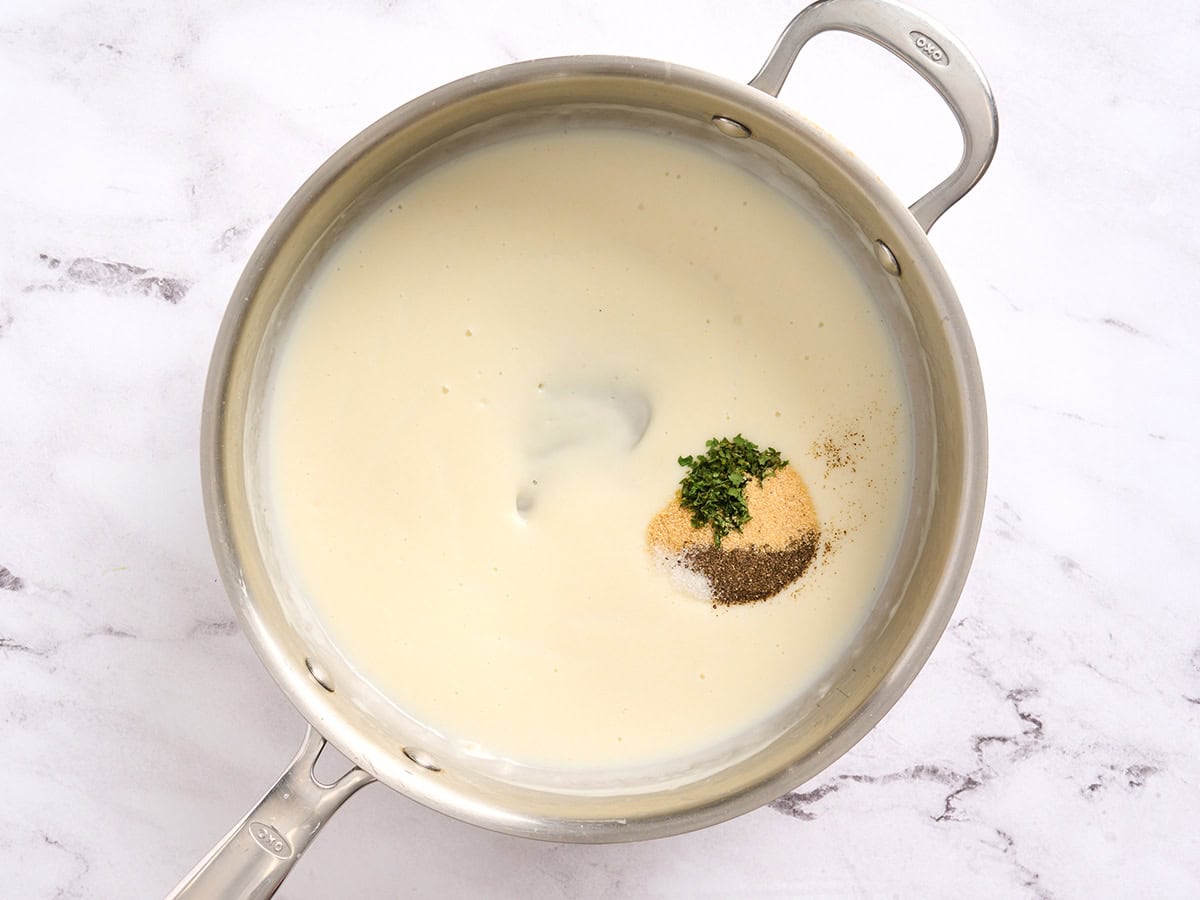
As French culinary influence spread throughout the 18th and 19th centuries, the croquette was adopted and adapted across Europe. In Spain, the croqueta became a cornerstone of tapas culture, often incorporating jamón serrano or salt cod. In the Netherlands, the kroket evolved into a popular street food, eventually leading to the invention of the "automatiek" vending machines. The Nashville Test Kitchen’s recent focus on the chicken-based variant honors these traditional French roots while addressing modern dietary preferences and economic constraints. The use of a thick bechamel—a roux of butter and flour cooked with milk—remains the technical heart of the dish, providing the creamy texture that distinguishes a true croquette from a standard breaded cutlet.
Technical Analysis of the Chill-and-Freeze Protocol
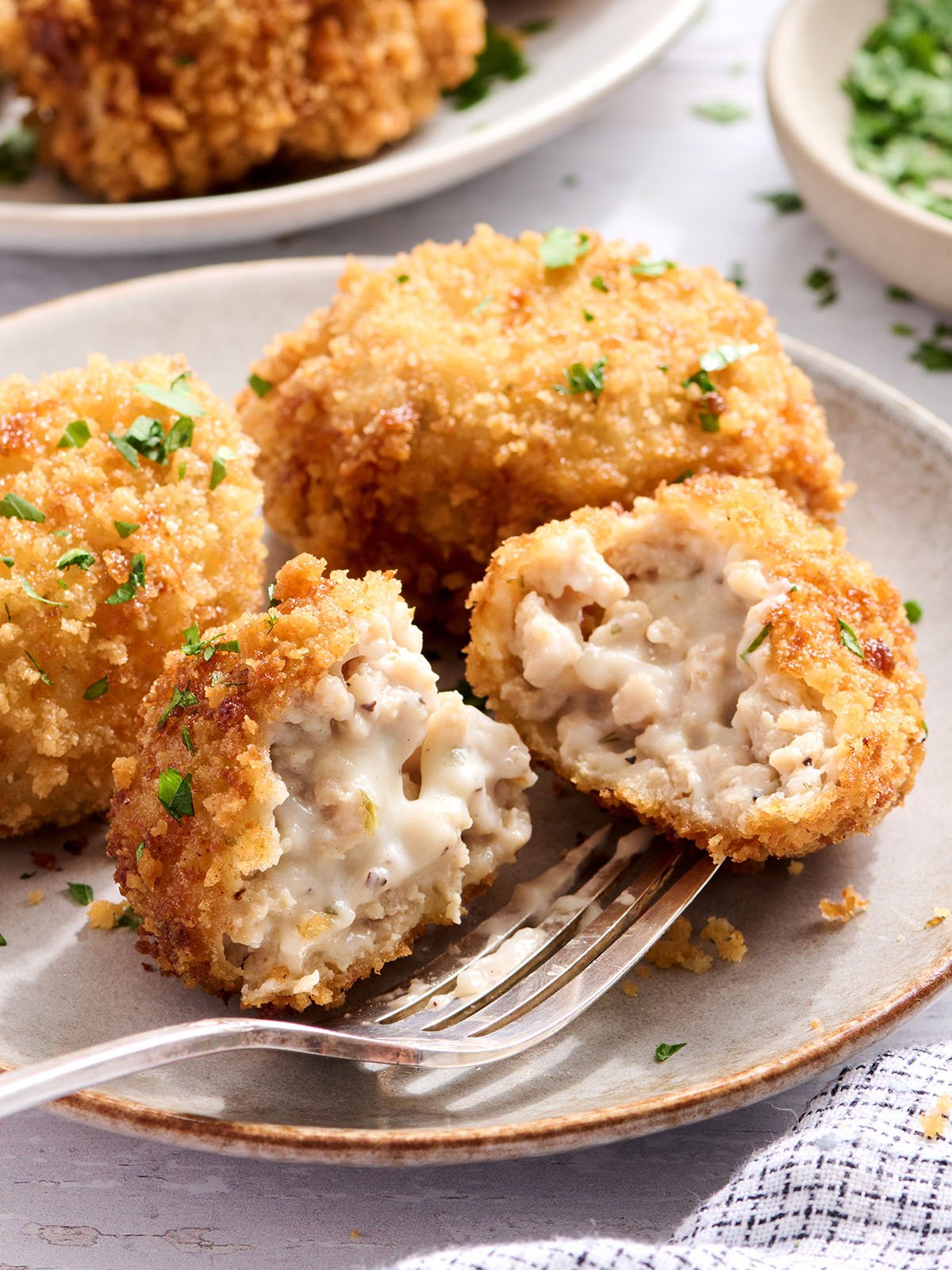
The primary challenge in domestic croquette production is the maintenance of structural integrity during the transition from the prep station to the frying oil. When the bechamel-based filling is too warm, the croquettes often suffer from "oozing," a phenomenon where the internal steam pressure ruptures the breading before the exterior has sufficiently hardened. To combat this, Nolan’s Nashville protocol introduces a mandatory multi-stage cooling process.
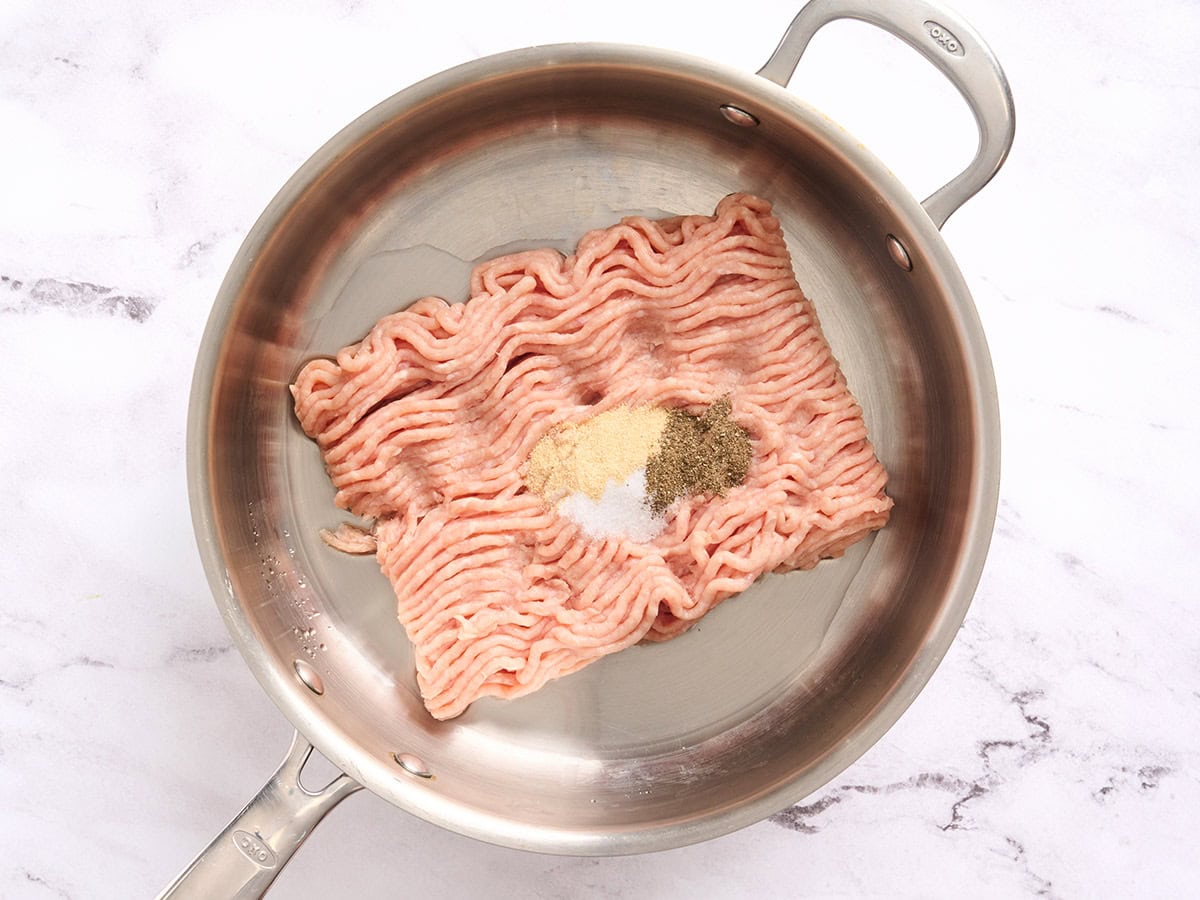
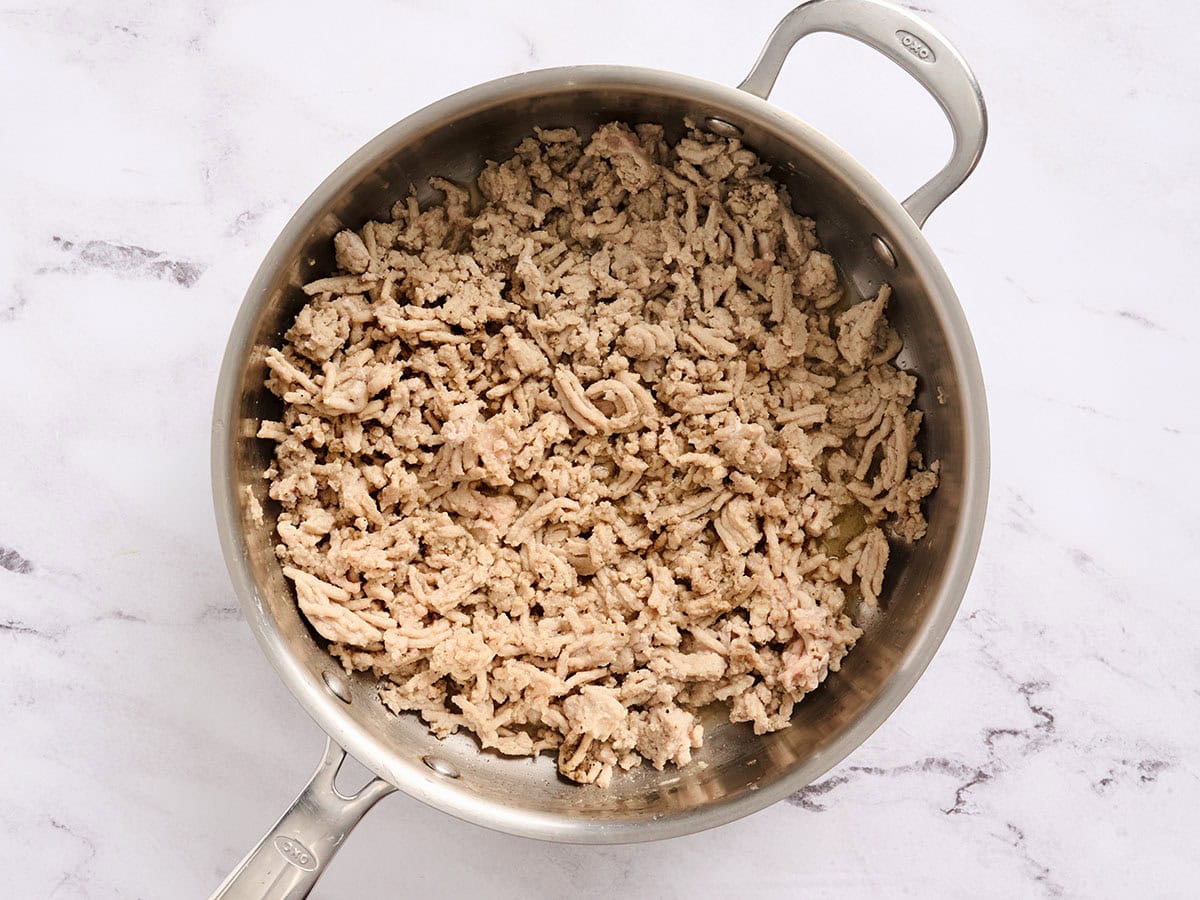
The chronology of production begins with the seasoning and cooking of ground chicken—typically an 8% fat lean variety—which is then integrated into a concentrated bechamel. Following the integration of the protein and the sauce, the mixture undergoes a 30-minute initial refrigeration. However, the critical innovation lies in the subsequent two-hour freezing stage after the croquettes have been shaped into their signature ovals. This stage ensures that the fat molecules within the bechamel are solidified, allowing the exterior panko coating to undergo the Maillard reaction and achieve maximum crispness before the interior reaches a liquid state.

From a food science perspective, this freezing step prevents the "blowout" effect. By the time the internal temperature of the frozen croquette reaches the point of liquefaction, the breading has already formed a rigid, hydrophobic barrier. This ensures a consistent result that matches the quality of professional restaurant appetizers while remaining accessible to the home cook.
Economic Breakdown and Market Context
The Nashville Test Kitchen has provided a detailed fiscal analysis of the chicken croquette, highlighting its viability in an era of high food inflation. The total cost for a batch of 14 croquettes, which provides four servings, is calculated at $6.48. At $1.62 per serving, the dish represents a significant saving compared to the national average cost of a fast-food chicken meal, which has risen significantly over the last 36 months.
Supporting data for this economic model includes:
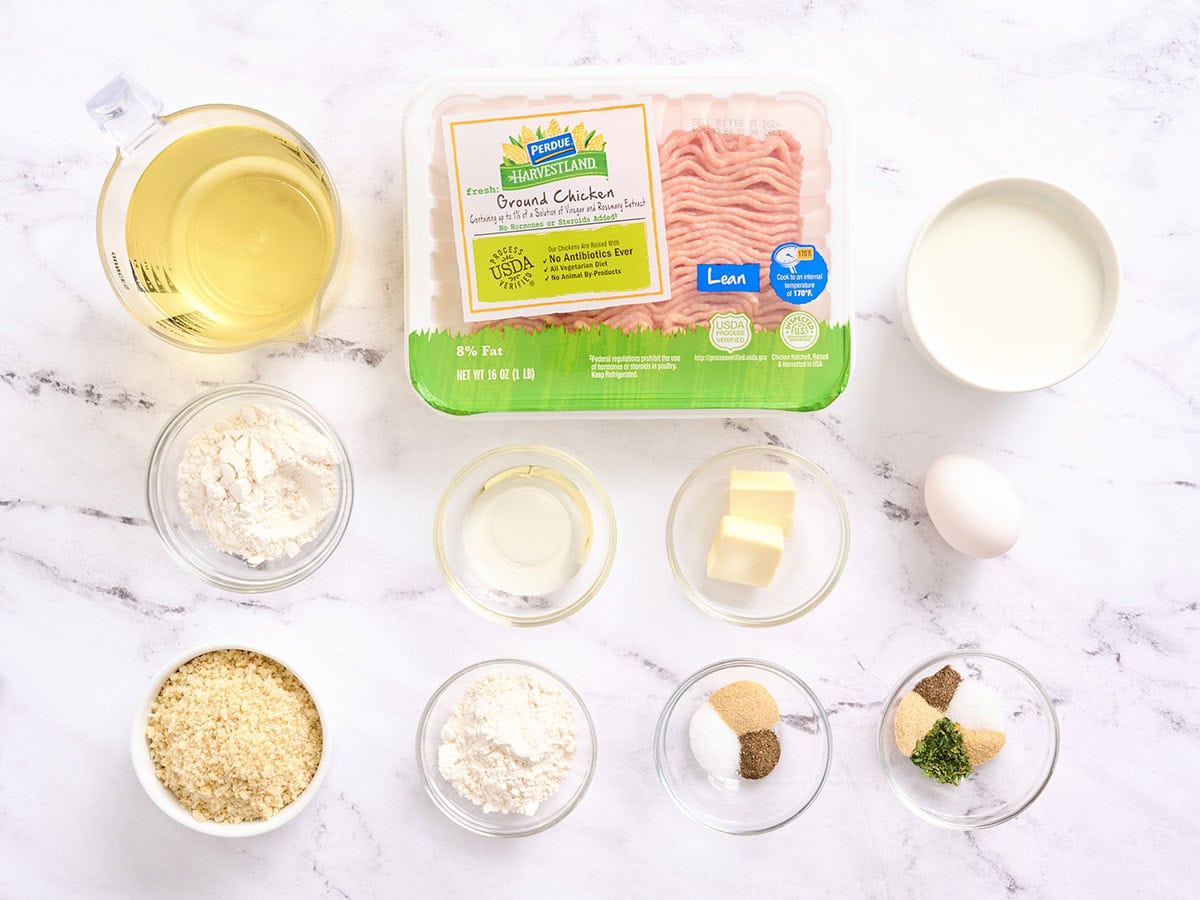
- Protein Efficiency: The recipe utilizes one pound of ground chicken, which is currently one of the more stable-priced proteins in the North American market.
- Pantry Integration: By relying on flour, butter, milk, and dried spices, the recipe minimizes the need for high-cost, specialized ingredients.
- Waste Reduction: The protocol allows for the substitution of leftovers, such as rotisserie chicken, which addresses the issue of household food waste. According to recent environmental studies, approximately 40% of food in the United States goes uneaten, and recipes that facilitate the "upcycling" of cooked proteins are increasingly seen as essential tools for sustainable living.
Industry analysts suggest that the "thrifty gourmet" trend is a direct response to the "K-shaped" recovery of the food sector, where consumers are cutting back on middle-tier dining out but are willing to invest time in high-quality home cooking.
Ingredient Specifications and Safety Standards
The selection of ingredients for the Nashville-style croquette is governed by specific chemical properties. For the frying medium, the protocol specifies oils with high smoke points, such as vegetable, canola, or peanut oil. These fats can sustain temperatures of 350°F to 365°F without undergoing thermal decomposition, which can produce off-flavors and harmful free radicals.
The choice of breading also plays a vital role in the final texture. While traditional breadcrumbs offer a dense coating, the use of panko—a Japanese-style breadcrumb made from crustless bread—is recommended for its larger surface area. This increased surface area allows for more oil contact, resulting in a lighter, airier "crunch" that aligns with the linguistic origins of the dish.
Nutritional data provided by the development team indicates that a single chicken croquette contains approximately 156 calories, with 8 grams of protein and 11 grams of fat. While deep-fried, the portion-controlled nature of the croquette allows it to be integrated into a balanced meal when paired with high-fiber sides such as roasted broccoli or fresh salads.
Expert Commentary and Professional Background
The development of this recipe by Melissa Nolan brings a high level of technical expertise to the "Budget Bytes" platform. Nolan, a graduate of Johnson and Wales University, previously interned at Per Se, Thomas Keller’s three-Michelin-starred establishment in New York City. Her transition from ultra-luxury dining to recipe development for the general public represents a significant shift in the culinary landscape.
"The goal is to apply the rigors of a professional kitchen—precision, temperature control, and patience—to the everyday challenges of the home cook," Nolan stated during the release of the Nashville Test Kitchen findings. Her background in hospitality and anthropology informs a perspective that sees food not just as sustenance, but as a cultural artifact that should be both high-quality and financially sustainable.
Observers in the culinary education sector have noted that the clarity of Nolan’s instructions helps to demystify complex French techniques. By explaining the why behind the chilling and freezing stages, the protocol functions as a form of "stealth education," teaching home cooks the principles of food science under the guise of a simple dinner recipe.
Broader Implications for the Food Industry
The success of such detailed, technique-driven "budget" recipes has broader implications for the food industry. As more consumers master these methods, the demand for pre-packaged, low-quality frozen appetizers may see a decline. Conversely, there is a growing market for high-quality base ingredients, such as better-quality butter and specialized flours, as home cooks seek to elevate their results.
Furthermore, the emphasis on make-ahead steps—where the croquettes are frozen before frying—aligns with the modern consumer’s need for "batch cooking" and meal prep. The ability to prepare a large quantity of croquettes and fry them as needed provides a level of convenience that rivals fast food while maintaining the nutritional and flavor profiles of a home-cooked meal.
In conclusion, the chicken croquette, as refined by the Nashville Test Kitchen, serves as a case study in the modern culinary synthesis of tradition, science, and economy. By reclaiming a 17th-century French staple and optimizing it for the 21st-century kitchen, developers have provided a blueprint for sophisticated, cost-effective domestic dining. As the global food economy continues to face challenges, the reliance on technical skill over expensive ingredients is likely to remain a dominant theme in the evolution of the modern diet.
