

The global landscape of household economics has undergone a significant transformation over the last three years, as fluctuating supply chains and inflationary pressures have forced consumers to reconsider their dietary habits and grocery expenditures. According to data from the Bureau of Labor Statistics, the Consumer Price Index for food at home has seen marked increases, prompting a resurgence in the popularity of shelf-stable, nutrient-dense staples. Among these, canned tuna has emerged as a primary solution for families seeking high-quality lean protein without the premium price tag associated with fresh seafood. This shift in consumer behavior is supported by rigorous culinary testing and nutritional analysis, as evidenced by a comprehensive new portfolio of 14 tuna-based recipes developed to maximize flavor, affordability, and versatility.
The Economic and Nutritional Case for Canned Tuna
The reliance on canned tuna is not merely a matter of convenience; it is a strategic economic choice. While fresh Atlantic salmon or tuna steaks can retail for upwards of $15 to $25 per pound depending on the region and season, canned tuna frequently remains accessible at a fraction of that cost, often averaging under $2.00 per five-ounce serving. From a nutritional perspective, the United States Department of Agriculture (USDA) notes that canned tuna is an excellent source of vitamin B12, selenium, and vitamin D. Furthermore, it provides essential Omega-3 fatty acids, which are critical for cardiovascular health and cognitive function.
Experts at the Nashville Test Kitchen, a facility dedicated to the empirical testing of affordable meal solutions, have spent considerable time refining the application of canned tuna in modern diets. Their findings suggest that the perceived "blandness" of canned seafood is a result of improper preparation rather than an inherent flaw in the ingredient. By utilizing various binders, acids, and aromatics, the kitchen has demonstrated that canned tuna can serve as the foundation for gourmet-level meals that are suitable for weeknight dinners, meal-prep lunches, and high-protein snacks.
Chronology of Culinary Adaptation: From Pantry Staple to Centerpiece
The evolution of tuna recipes reflects broader trends in American and international cuisine. Historically, canned tuna was synonymous with the mid-century "casserole era," characterized by heavy creams and canned soups. However, the modern culinary timeline shows a distinct move toward "fresh-pantry fusion," where shelf-stable proteins are paired with fresh produce and global spices.
Hot Meals and Comfort Classics
The first category of the newly released recipe collection focuses on cooked applications that transform the texture of the fish.
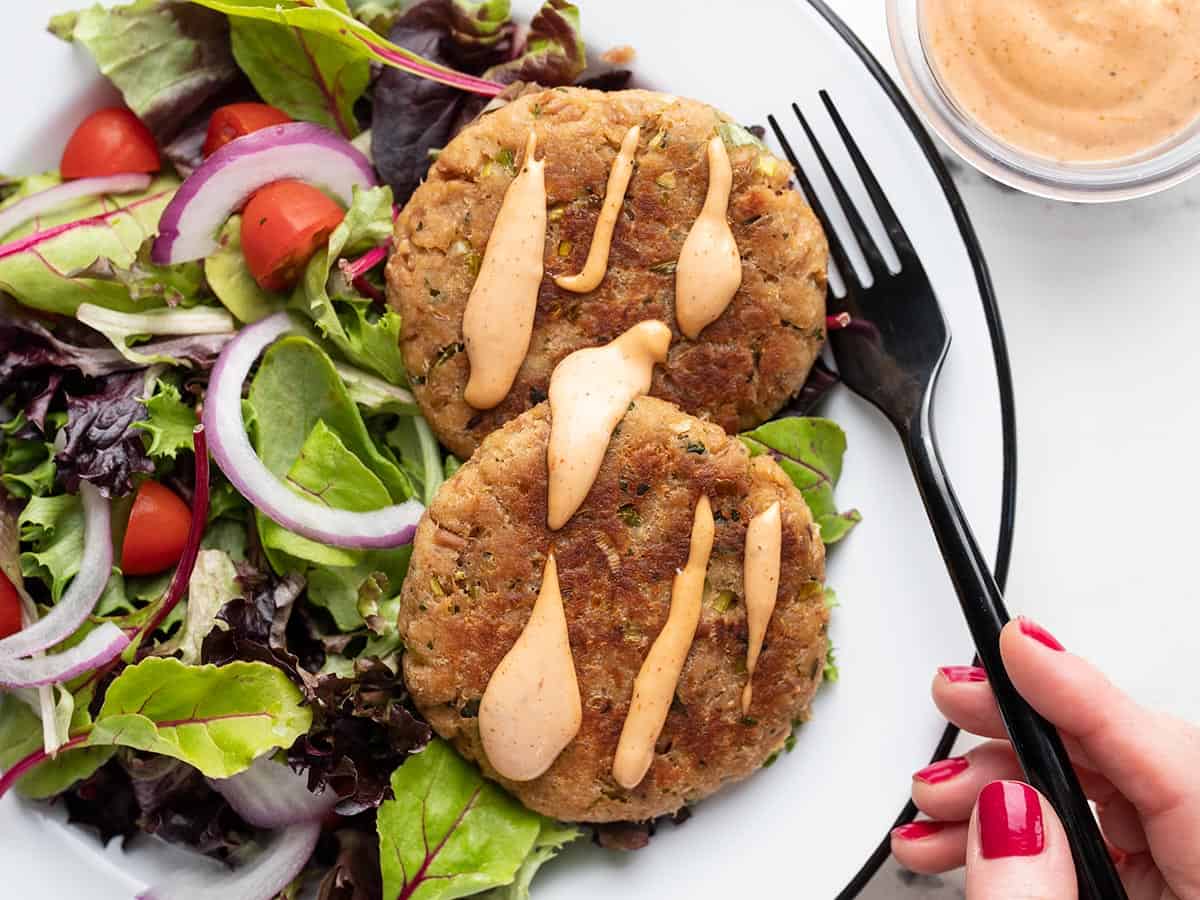
- Tuna Patties: This preparation addresses the primary concern of texture. By incorporating breadcrumbs and mayonnaise as binders, the tuna is transformed into a savory cake that can be pan-fried to achieve a crisp exterior. Analysts suggest this is a viable substitute for more expensive crab cakes, offering a similar mouthfeel at a 75% lower cost.
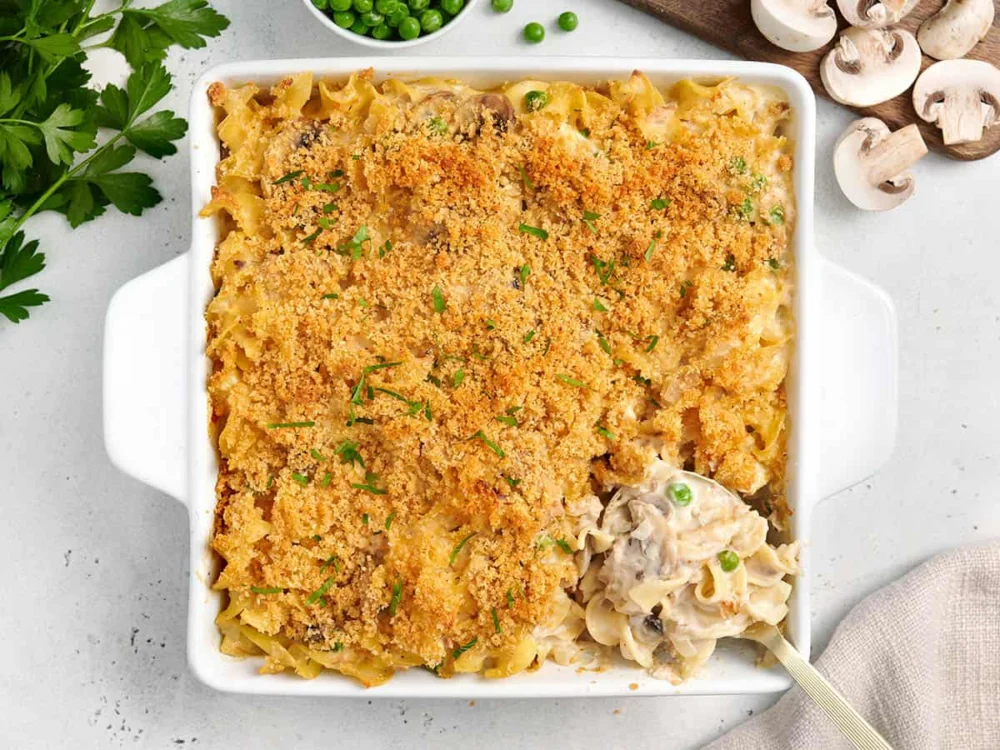
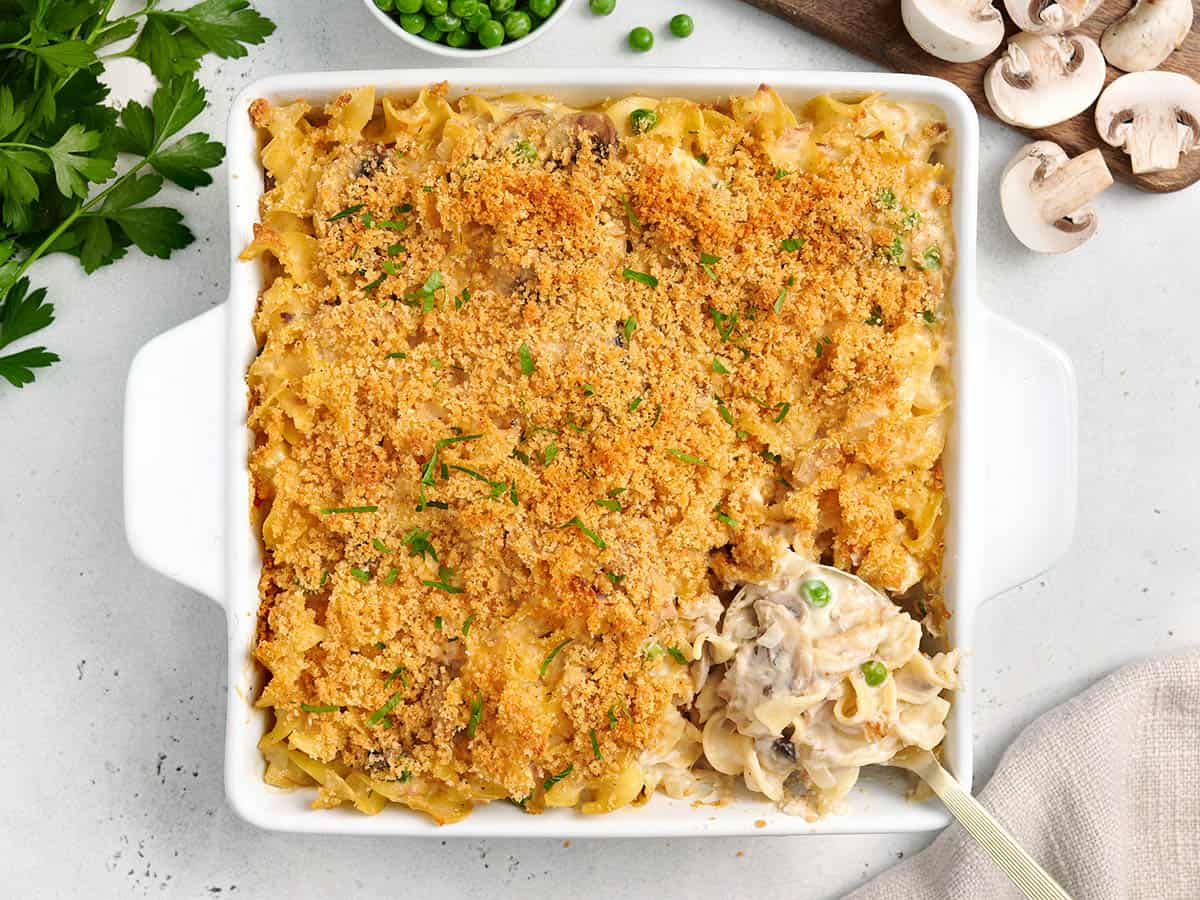
- Tuna Noodle Casserole: A reimagining of the classic American dish. The Nashville Test Kitchen recommends a "from-scratch" approach, utilizing a homemade mushroom sauce rather than condensed cans to reduce sodium intake and improve flavor profiles.
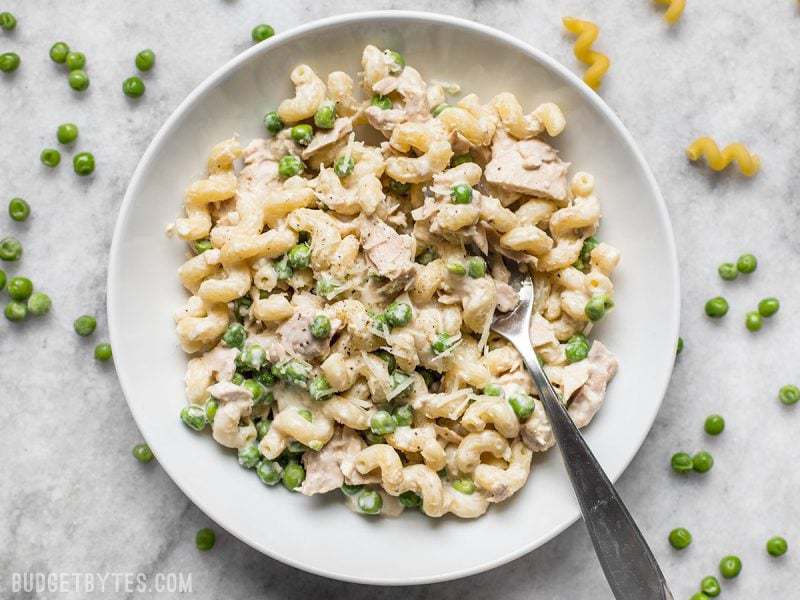
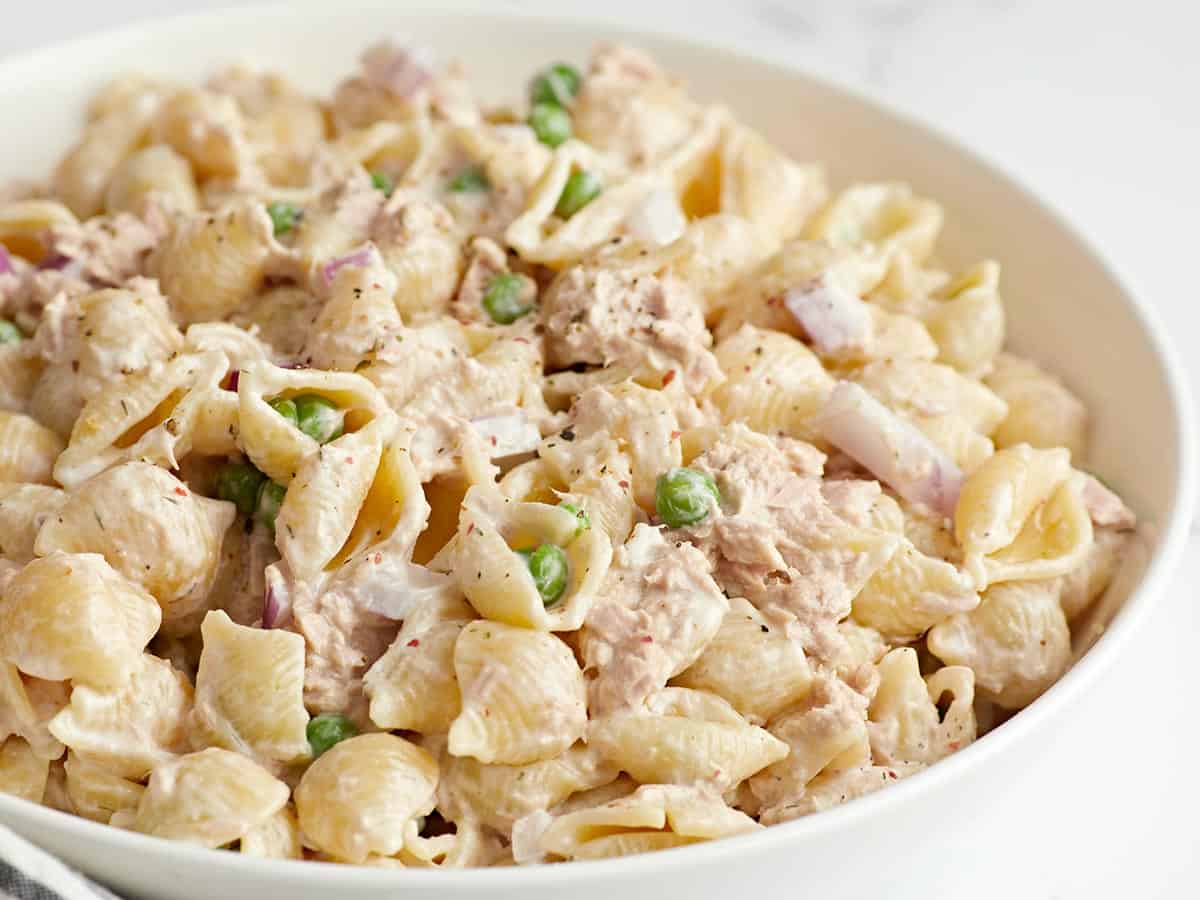
- Creamy Tuna Pasta with Peas: This recipe leverages the "pantry pasta" trend, using frozen peas and Parmesan cheese. It serves as a high-protein alternative to traditional Alfredo dishes, providing a more balanced macronutrient profile.
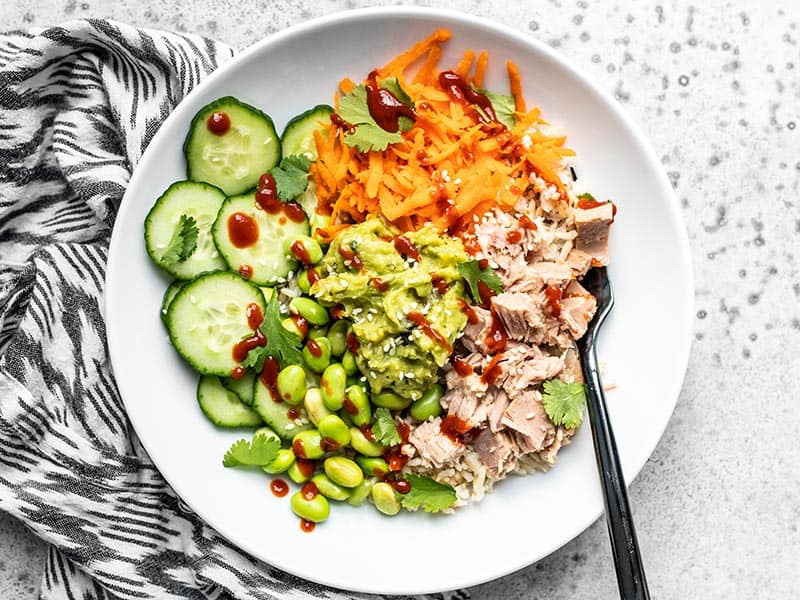
- Spicy Tuna Guacamole Bowls: Representing the "modern bowl" movement, this dish requires no reheating, making it an ideal candidate for office-based meal prepping. It combines the healthy fats of avocado with the lean protein of tuna, catering to the growing demand for low-carbohydrate, high-fiber options.
The Sandwich and Wrap Evolution
Sandwiches remain the most frequent application for canned tuna, yet modern iterations have focused on structural integrity and flavor complexity to prevent the "soggy sandwich" syndrome often associated with the dish.
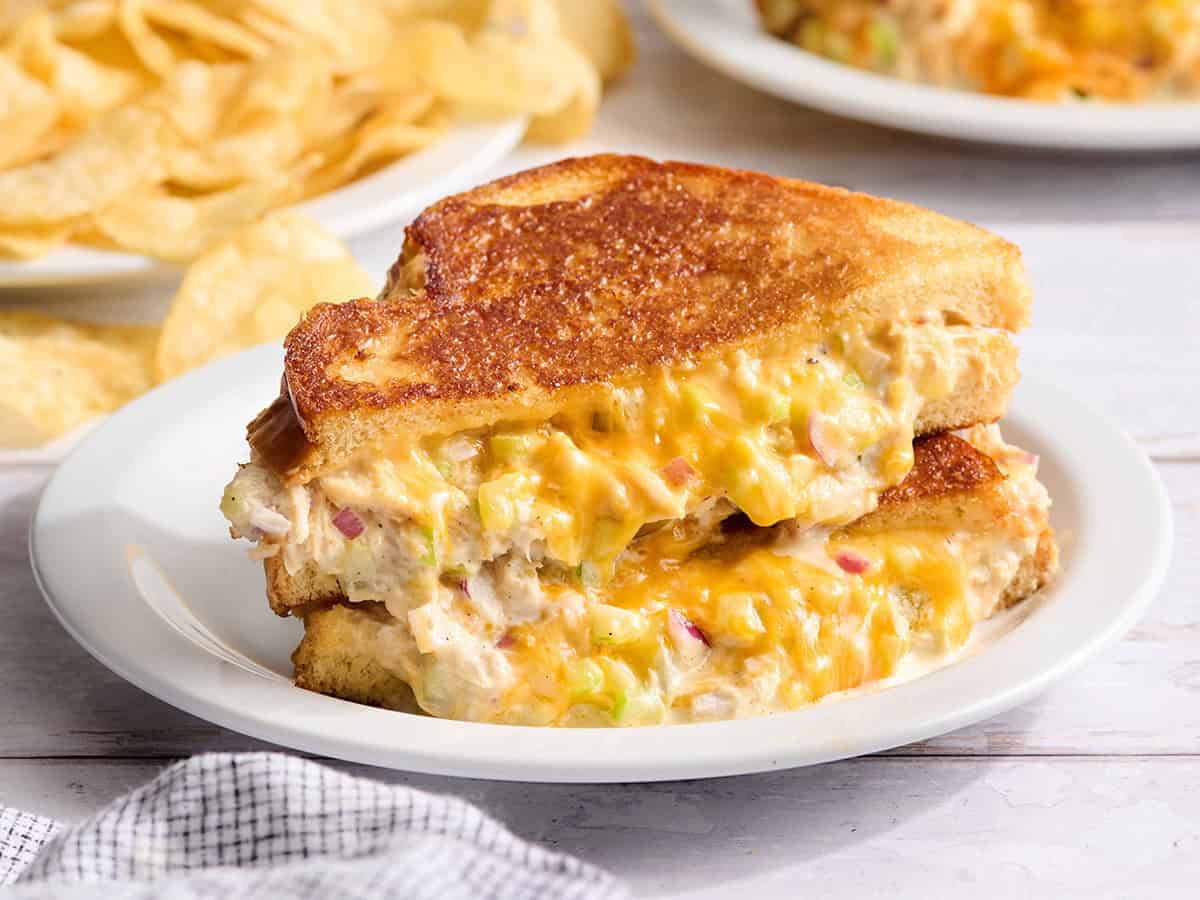
- Classic Tuna Melt: Utilizing sourdough and sharp cheddar, this preparation elevates the tuna melt to a gourmet standard. The inclusion of red onion and pickles provides a necessary acidic counterpoint to the rich, melted cheese.
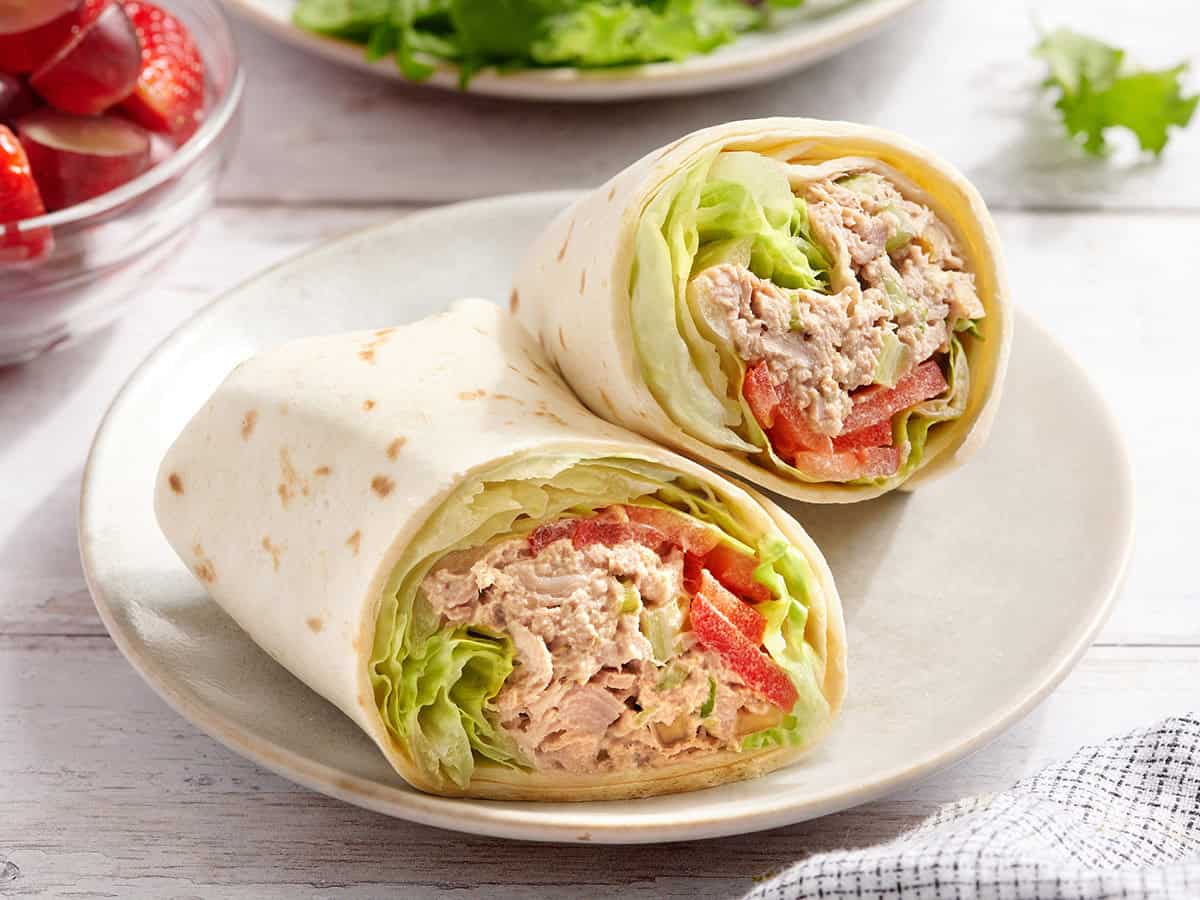
- Tuna Wraps: The innovation in this recipe lies in the "lettuce barrier" technique. By placing a layer of romaine between the tortilla and the tuna salad, the moisture of the fish is contained, allowing the wrap to remain firm even when prepared 24 hours in advance. This has significant implications for the school-lunch sector, where meal durability is a primary concern for parents.
Diversifying the Salad Category
The remaining eight recipes in the collection focus on cold salads, moving beyond the traditional mayonnaise-heavy "tuna salad" to include vinaigrette-based and internationally inspired options.
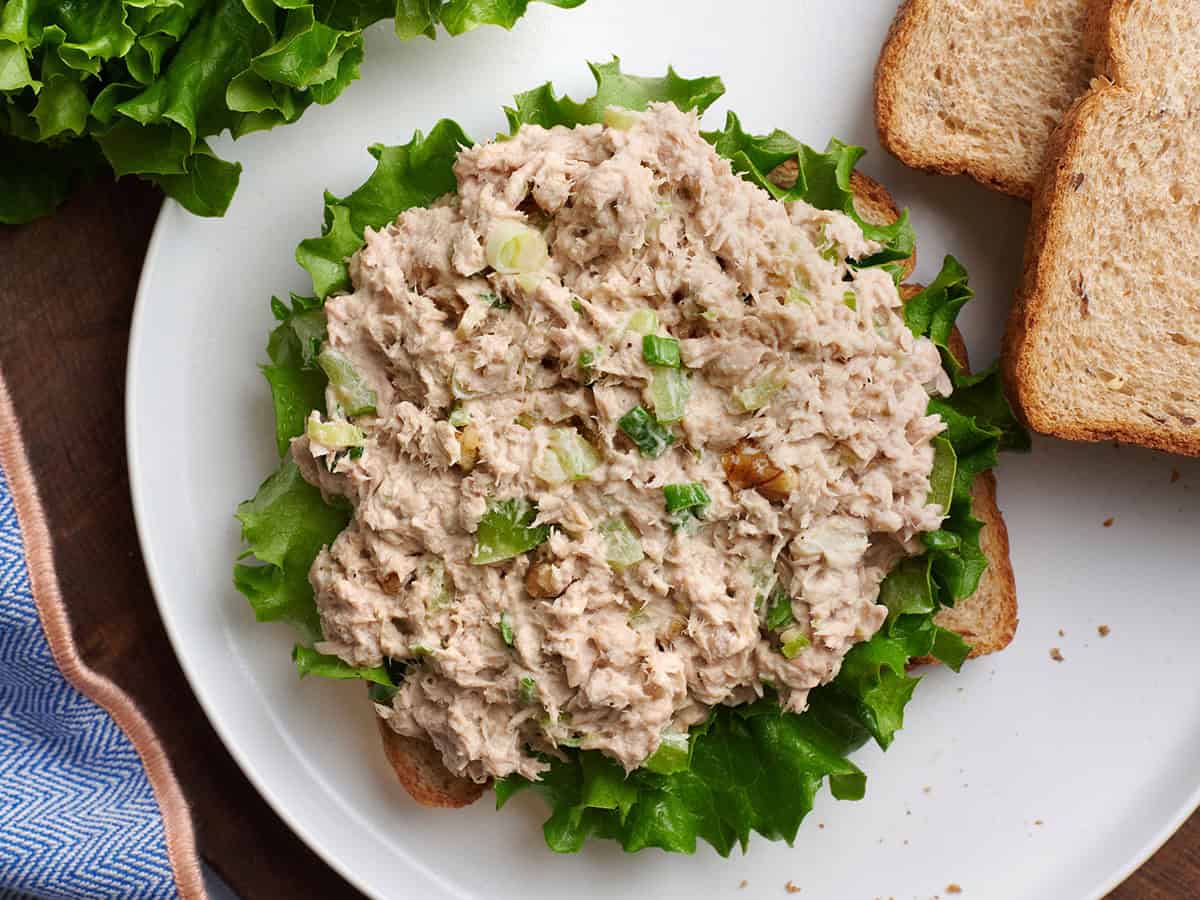
- Classic Tuna Salad: The "gold standard" of the collection, this version emphasizes texture through the addition of walnuts and celery, moving away from the "mushy" consistency that often deters younger consumers.
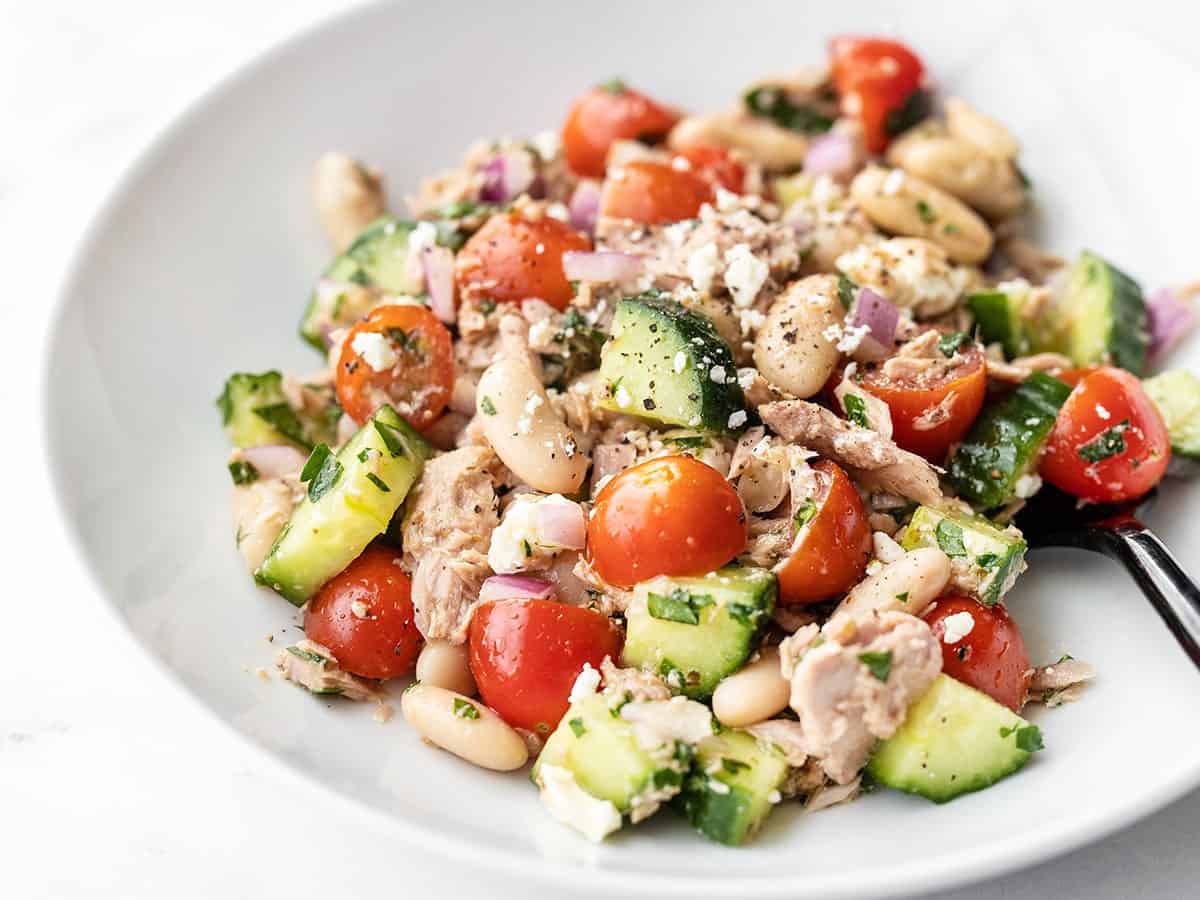
- Mediterranean Tuna Salad: Eschewing mayonnaise entirely, this recipe uses a lemon-herb vinaigrette. This aligns with the Mediterranean Diet—frequently cited by health organizations as the world’s healthiest eating pattern—by focusing on heart-healthy fats and fresh vegetables.
- Tuna Pasta Salad with Peas: Designed for high-volume settings such as potlucks or large family gatherings, this dish provides a cost-effective way to feed a crowd while maintaining nutritional density.
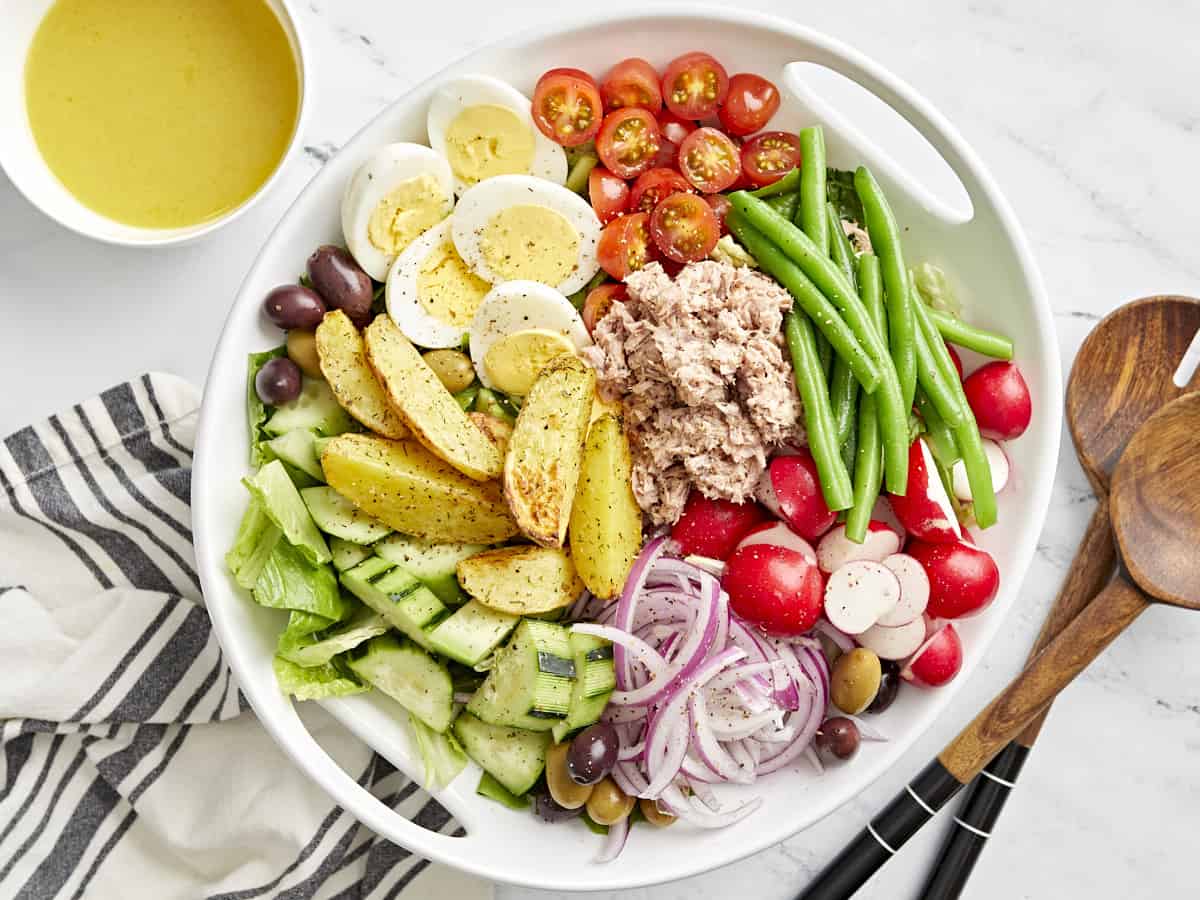
- Niçoise Salad: A budget-friendly take on the French classic. By using canned tuna instead of seared fresh ahi, the dish becomes accessible to the average household while retaining the sophisticated combination of olives, green beans, and hard-boiled eggs.
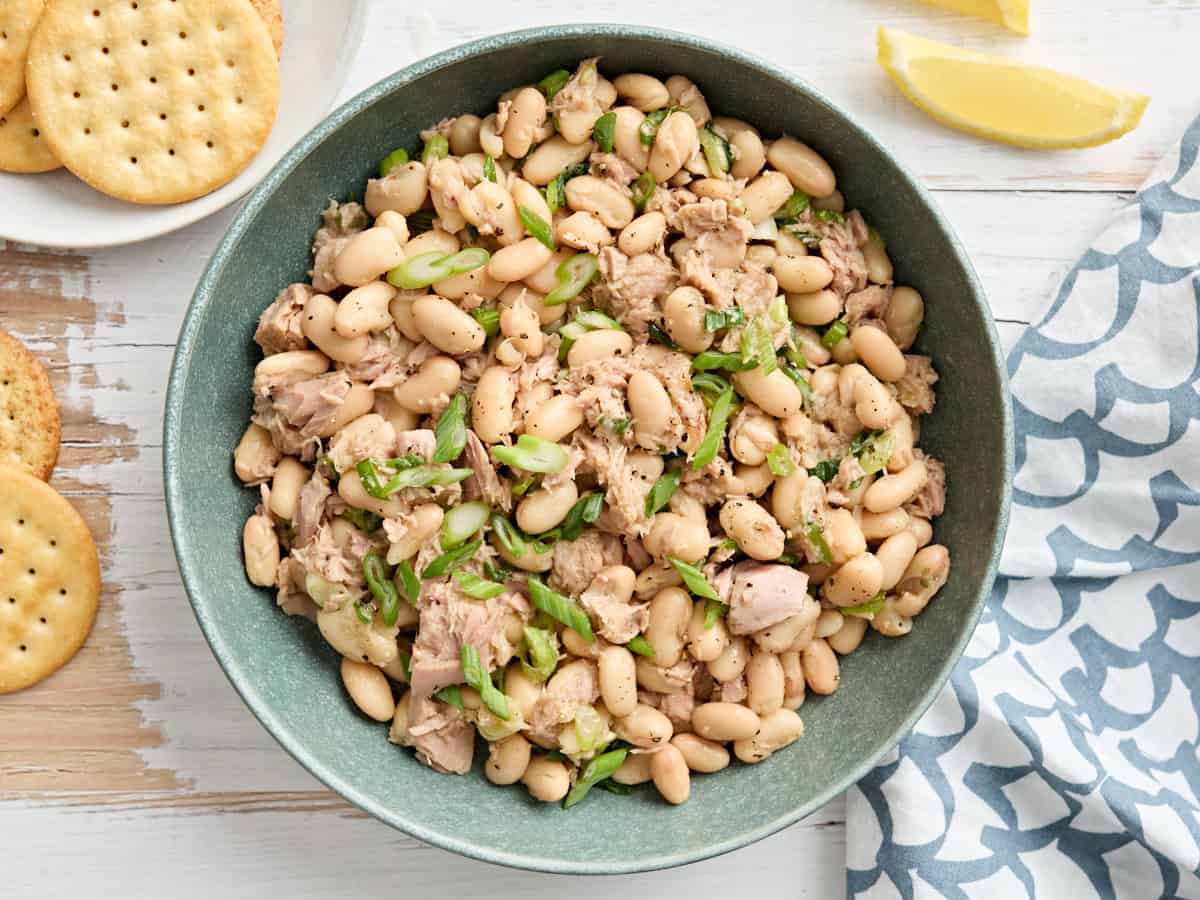
- Tuna and White Bean Salad: This recipe is a "pantry powerhouse," combining two shelf-stable proteins. The synergy between animal protein and plant-based fiber from the beans creates a highly satiating meal that aids in weight management and digestive health.
- Sesame Tuna Salad: Incorporating soy sauce, toasted sesame oil, and brown sugar, this dish caters to the increasing consumer interest in East Asian flavor profiles.
- Gochujang Tuna Salad: Utilizing the trendy Korean fermented chili paste, this recipe offers umami depth and a moderate heat level, appealing to the "adventurous eater" demographic.
- Sweet and Spicy Mayo-Free Tuna Salad: This final entry uses a vinegar and smoked paprika base, providing a bold alternative for those with egg allergies or those seeking a lower-calorie dressing option.
Supporting Data and Industry Analysis
Market research indicates that the "shelf-to-table" movement is not a temporary trend. A report from Grand View Research suggests that the global canned tuna market is expected to expand at a compound annual growth rate (CAGR) of 4.3% through 2027. This growth is driven by the increasing number of working professionals who prioritize "ready-to-eat" or "easy-to-prepare" meals that do not compromise on protein content.
Nutritional analysts have also weighed in on the safety of increased tuna consumption. While mercury concerns have historically limited tuna intake, the Nashville Test Kitchen and various health experts advocate for the use of "Light Tuna" (typically Skipjack) over "White Tuna" (Albacore) for those who consume the fish multiple times per week, as Skipjack generally contains lower mercury levels. This nuanced understanding of the product allows consumers to integrate these 14 recipes into a long-term dietary strategy safely.
Official Responses and Culinary Impact
Jess Rice, a culinary educator and former Chef Professor, has spearheaded the effort to disseminate these recipes. Rice emphasizes that "culinary excellence is not reserved for those with unlimited budgets." Her work at the Nashville Test Kitchen focuses on "food theory and classic techniques," applying high-level kitchen science to basic ingredients. The response from the home-cook community has been overwhelmingly positive, with many reporting that the diversity of the 14-recipe roundup has prevented "flavor fatigue"—a common reason why people abandon budget-friendly eating plans.
Broader Implications for Food Security
The implications of this recipe collection extend beyond individual meal planning. In the broader context of food security, the ability to transform a $1.00 can of fish into a nutritionally complete, culturally diverse meal is a vital skill. Community food banks and nutrition assistance programs have long distributed canned tuna; however, without the culinary knowledge to prepare it in varied ways, these resources are often underutilized.
By providing a roadmap for 14 distinct meals, this initiative empowers consumers to view their pantry not as a collection of "emergency rations," but as a versatile toolkit for healthy living. As food prices continue to be a central topic of national discourse, the focus on "Budget Bytes"—the intersection of fiscal responsibility and culinary quality—represents a pragmatic path forward for the modern consumer. The 14-recipe framework serves as a testament to the fact that with the right techniques, the most humble of ingredients can become the foundation of a sophisticated and healthful diet.
