

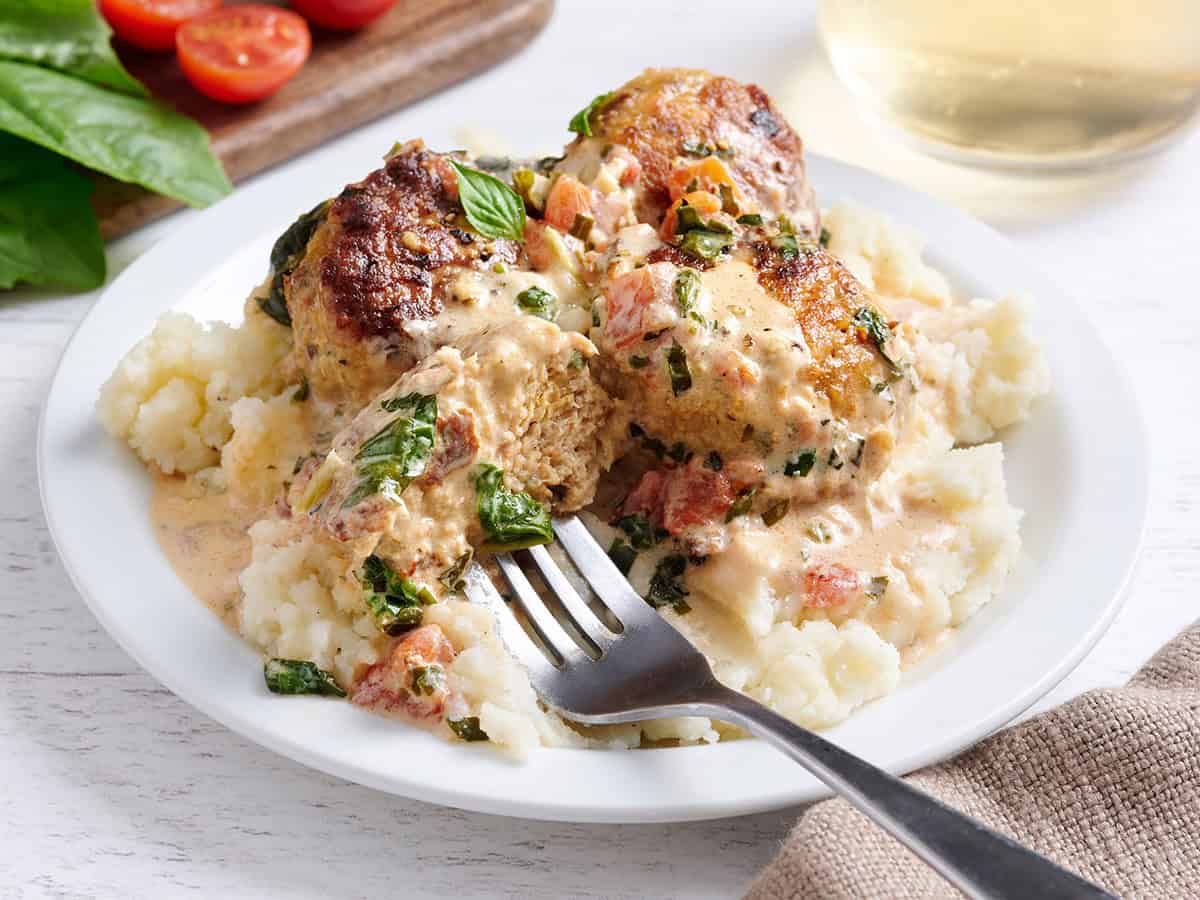
The culinary landscape of 2024 and 2025 has been significantly shaped by the "Marry Me" flavor profile, a viral sensation characterized by a rich, creamy Tuscan-style sauce featuring sun-dried tomatoes, garlic, and Parmesan cheese. Originally popularized through chicken cutlet recipes, the concept has evolved into various iterations, with the latest development being the Marry Me Chicken Meatball. This adaptation, refined in the Nashville Test Kitchen by culinary professional Jess Rice, seeks to balance the indulgence of high-end Italian-American cuisine with the practical constraints of modern household budgets. By utilizing ground chicken and strategic pantry staples, the recipe achieves a restaurant-quality result at a calculated cost of approximately $2.70 per serving, offering a viable alternative to escalating dining-out expenses.
The Evolution of the Marry Me Culinary Trend
The "Marry Me Chicken" phenomenon first gained traction in the mid-2010s, largely attributed to an editor at the food publication Delish who remarked that the dish was so delicious it warranted a marriage proposal. Since then, the recipe has become a cornerstone of digital food media, circulating extensively on platforms such as TikTok and Instagram. The transition from whole chicken breasts to meatballs represents a significant shift in both texture and economic accessibility. Ground chicken often retails at a lower price point than organic or premium-cut breasts and offers a versatile canvas for incorporating moisture-retaining ingredients that might otherwise be difficult to integrate into a solid cut of meat.
Industry analysts suggest that the enduring popularity of this flavor profile lies in its use of high-umami ingredients. Sun-dried tomatoes, aged Parmesan, and garlic create a complex savory base that appeals to a broad demographic. The meatball iteration further optimizes this by increasing the surface area for the sauce to adhere to, ensuring that every bite carries the signature richness that defined the original viral trend.
Technical Composition and Ingredient Analysis
The development of the Marry Me Chicken Meatball involves specific culinary techniques designed to overcome the inherent leaness of poultry. Unlike beef or pork, ground chicken—particularly the 8% fat variety recommended for this dish—can become dry and tough if not handled with precision.
To counteract this, the recipe employs a multi-faceted approach to moisture retention:
- Emulsified Fats: The inclusion of a single tablespoon of mayonnaise provides an oil-in-water emulsion that coats the protein fibers, preventing them from tightening too aggressively during the cooking process.
- Umami Anchors: A small quantity of soy sauce is utilized not for its cultural flavor profile, but as a source of liquid salt and glutamate, which enhances the perception of juiciness.
- Textural Binding: Toasted breadcrumbs and a large egg provide the necessary structure to ensure the meatballs remain tender rather than rubbery.
The sauce itself is a study in classic saucier techniques, beginning with a deglazing process. After the meatballs are seared, the pan is deglazed with chicken broth—specifically a concentrated base like Better Than Bouillon—to incorporate the fond (the browned bits of protein) back into the liquid. This ensures that no flavor is lost and provides a deep, savory foundation for the heavy cream and Parmesan cheese that follow.
Chronology of Preparation: From Prep to Plate
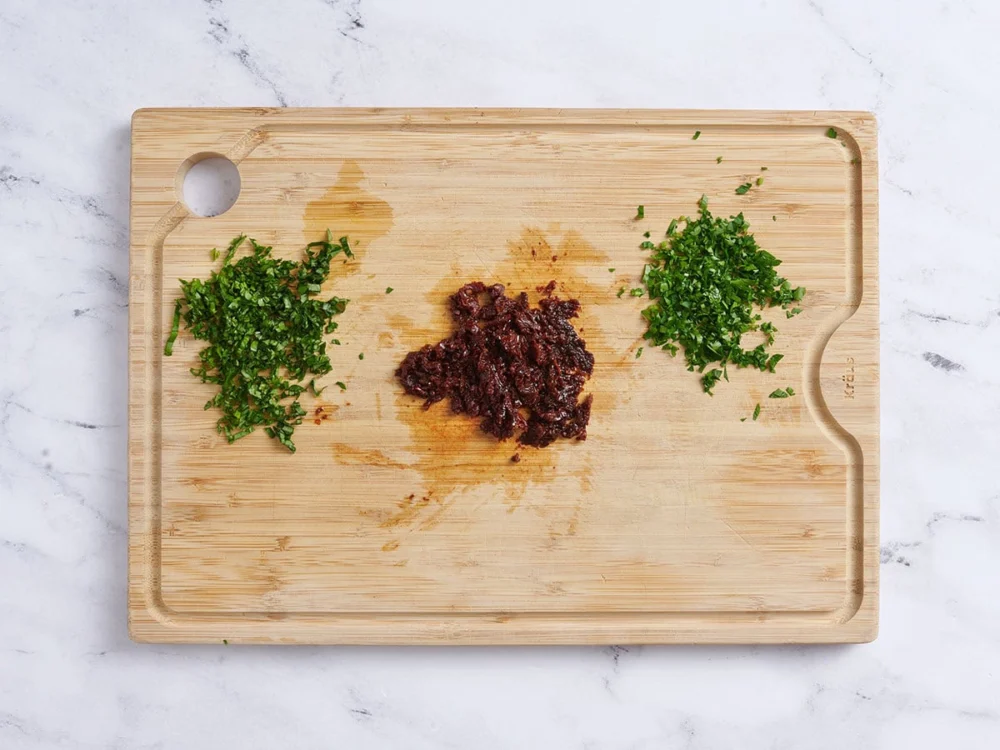
The production of this meal follows a logical progression designed to maximize efficiency in a home kitchen environment. The process begins with the preparation of fresh aromatics, including the mincing of sun-dried tomatoes, fresh basil, and parsley.
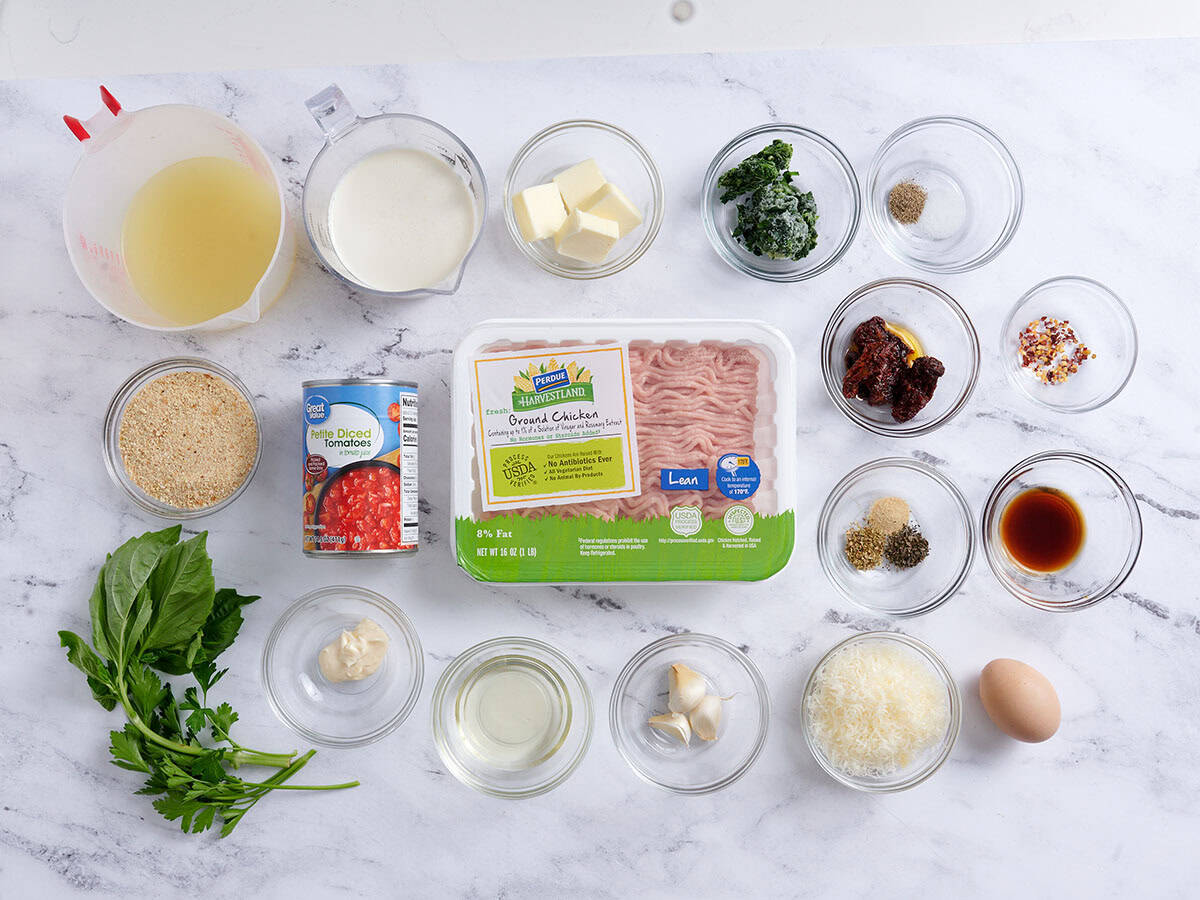
Phase I: The Meatball Construction
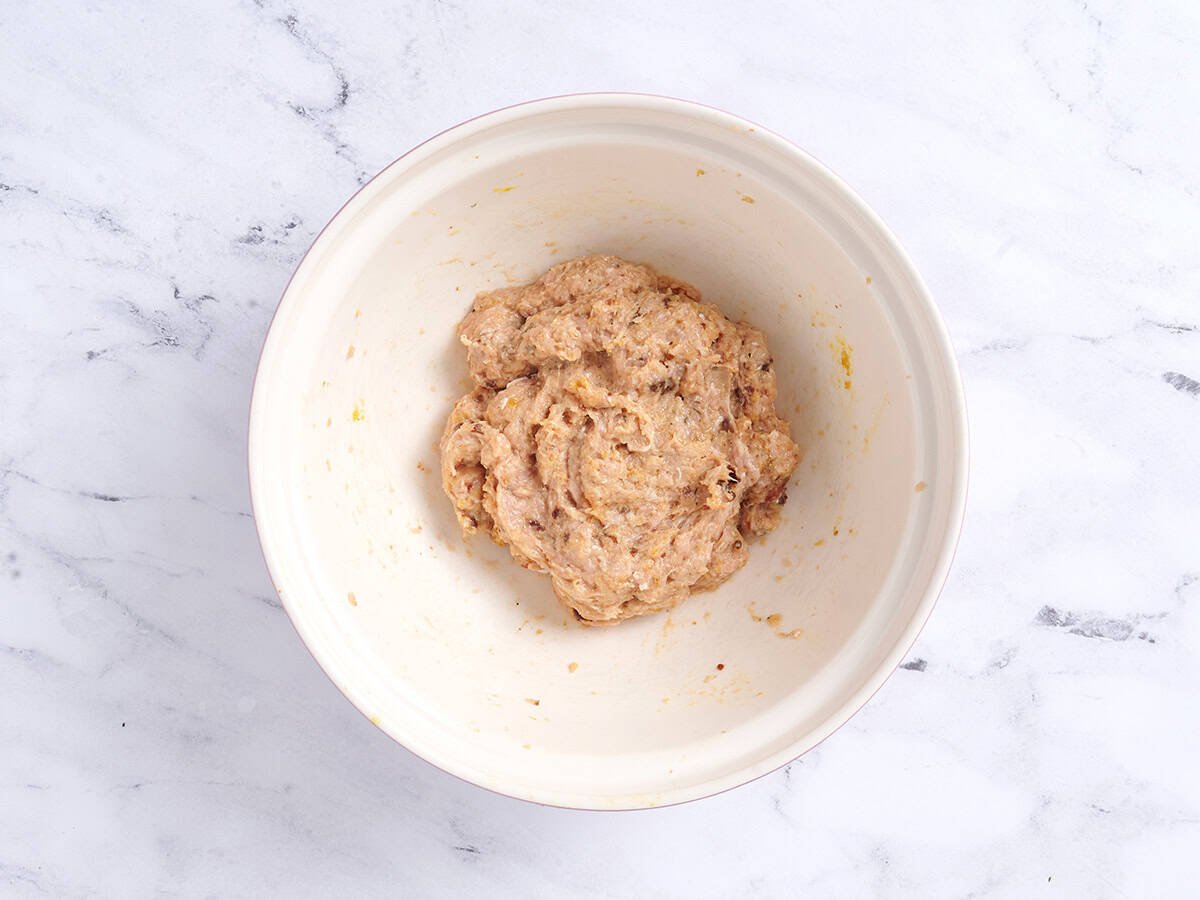
The first active step involves toasting breadcrumbs in salted butter. This unconventional move adds a nutty depth to the meatballs that raw breadcrumbs cannot achieve. Once cooled, these are combined with one pound of ground chicken, the prepared herbs, dried spices (oregano and basil), garlic powder, salt, pepper, mayonnaise, and soy sauce. The mixture is combined gently to avoid overworking the proteins, which can lead to a dense final product.
Phase II: Searing and Development of Fond
Using a standard four-ounce scoop, the mixture is portioned and placed into a heated pan with vegetable oil. The meatballs are seared for approximately four minutes per side. It is important to note that the meatballs are not cooked through at this stage; rather, the goal is the Maillard reaction—a chemical reaction between amino acids and reducing sugars that gives browned food its distinctive flavor.
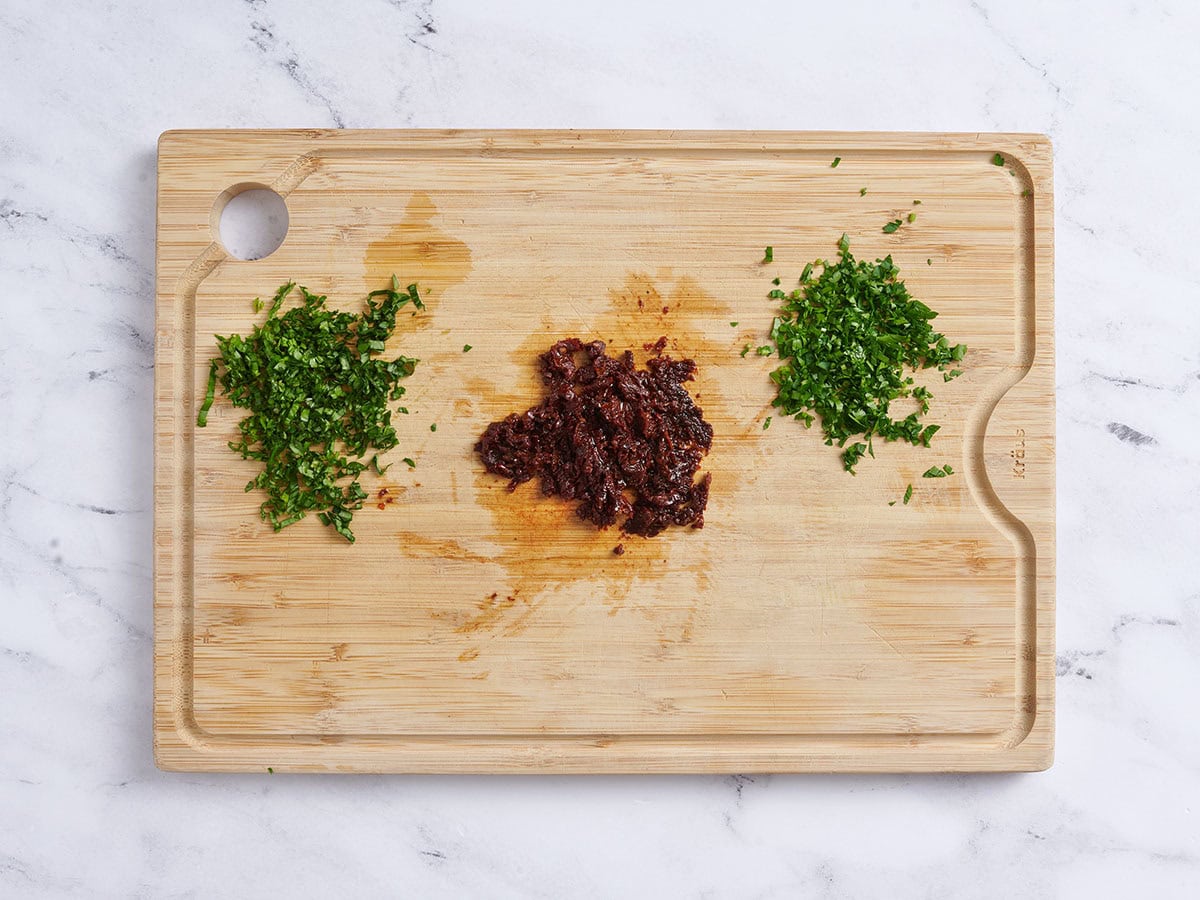
Phase III: Sauce Emulsification and Final Simmer
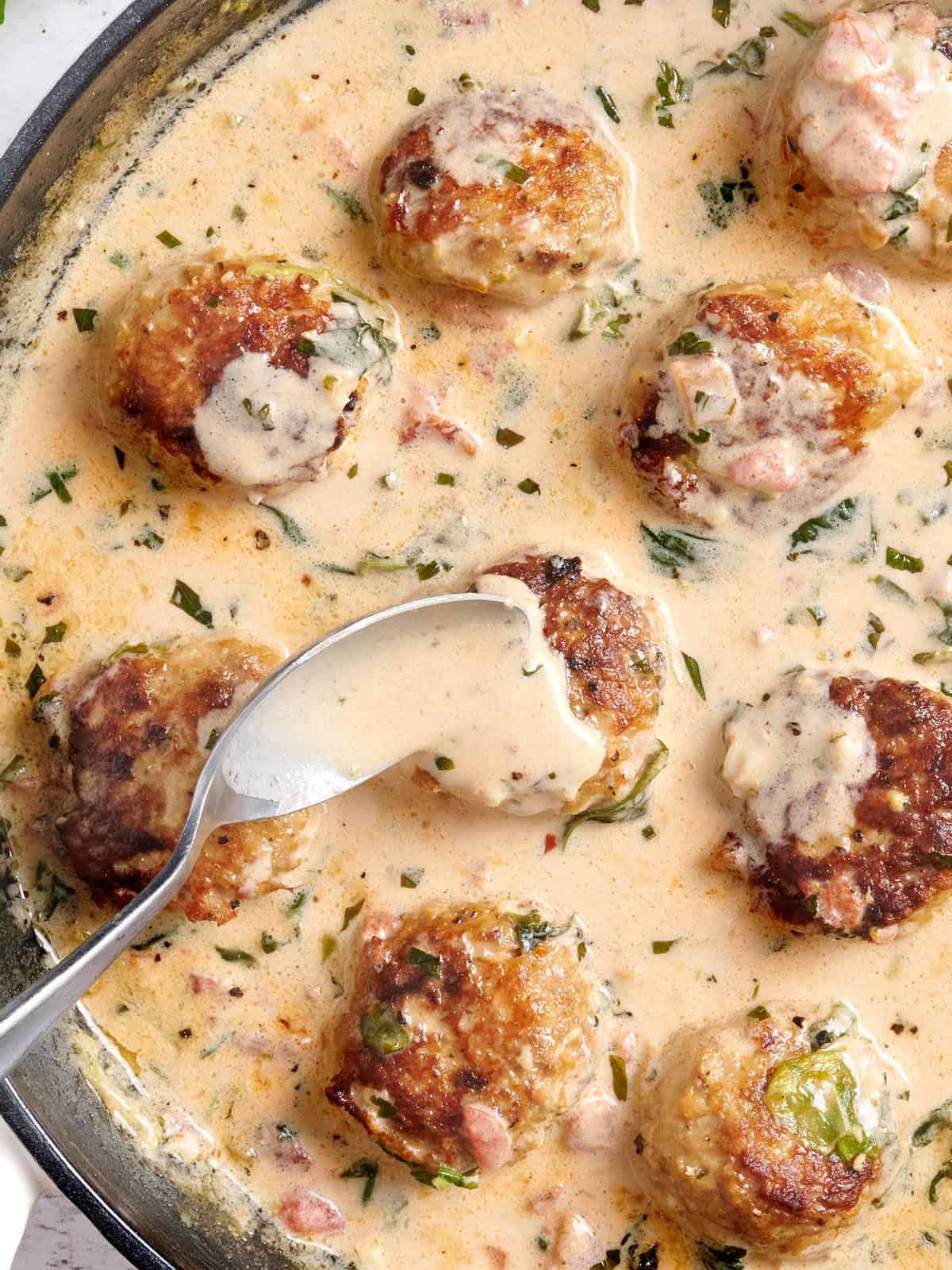
The meatballs are temporarily removed to allow for the creation of the garlic-Parmesan sauce. Garlic and chili flakes are sautéed in butter before the introduction of chicken broth. After a brief reduction, heavy cream is added at room temperature to prevent curdling. The final additions—strained diced tomatoes, frozen spinach, and grated Parmesan—create a thick, vibrant sauce. The meatballs are then reintroduced to the pan to finish cooking, a process that typically requires an additional 15 to 20 minutes until an internal temperature of 165°F is reached.
Economic Impact and Value Proposition
As of early 2025, the Consumer Price Index for food at home has shown continued volatility, forcing many consumers to seek "luxury-adjacent" experiences within their own kitchens. The Marry Me Chicken Meatball recipe serves as a case study in high-value meal planning. With a total recipe cost of $10.81, the dish provides four substantial servings.
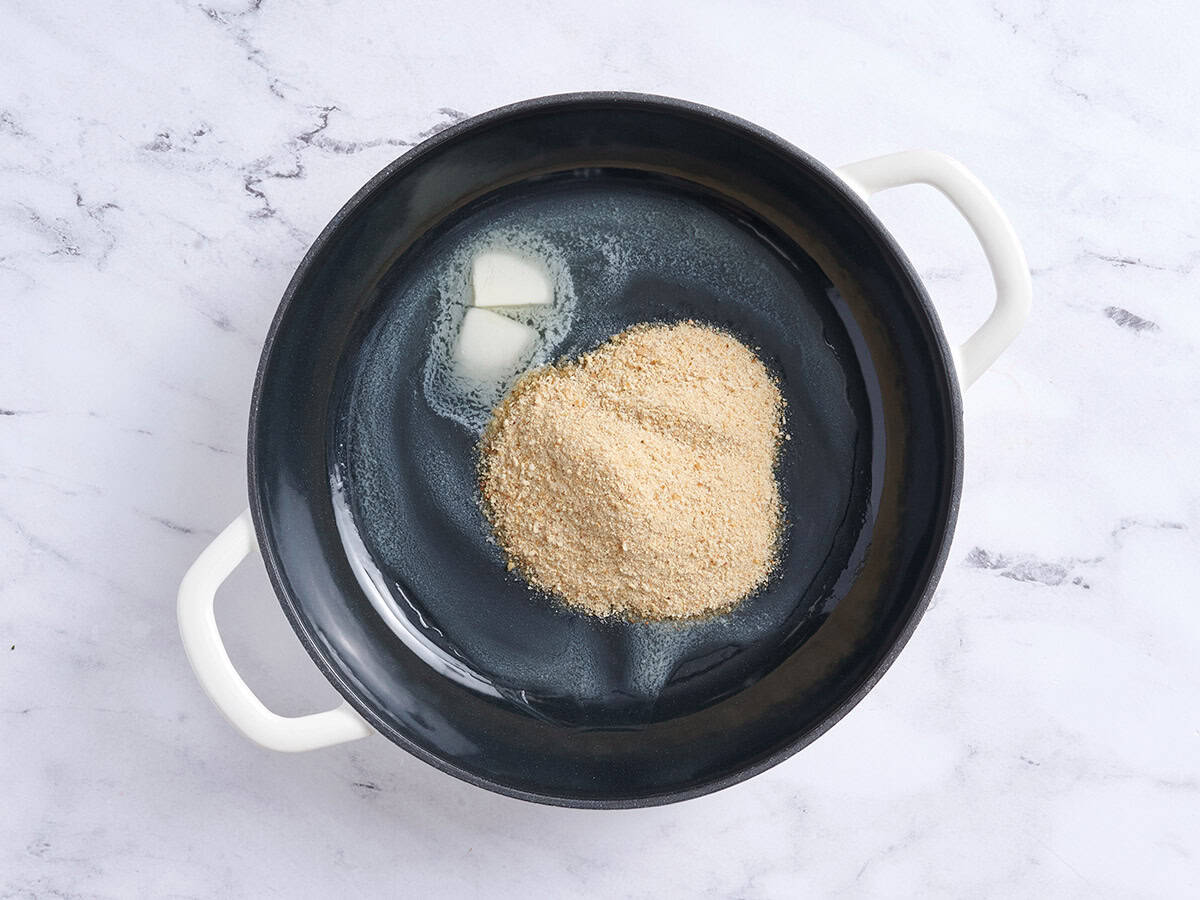
When compared to a similar entrée at a mid-range Italian-American restaurant chain, where a poultry-based pasta dish can range from $18.00 to $24.00 per person, the home-cooked version represents a nearly 85% cost savings. Furthermore, the recipe’s emphasis on "sneaky vegetables"—incorporating frozen spinach and canned tomatoes—adds nutritional volume without significantly increasing the price per serving. Spinach, often sold in large frozen bags, remains one of the most cost-effective ways to introduce iron and Vitamin K into a heavy cream-based meal.
Nutritional Profile and Dietary Considerations
The nutritional data for a single serving of Marry Me Chicken Meatballs indicates a high-protein, high-fat profile, consistent with comfort food standards. Each serving contains approximately:
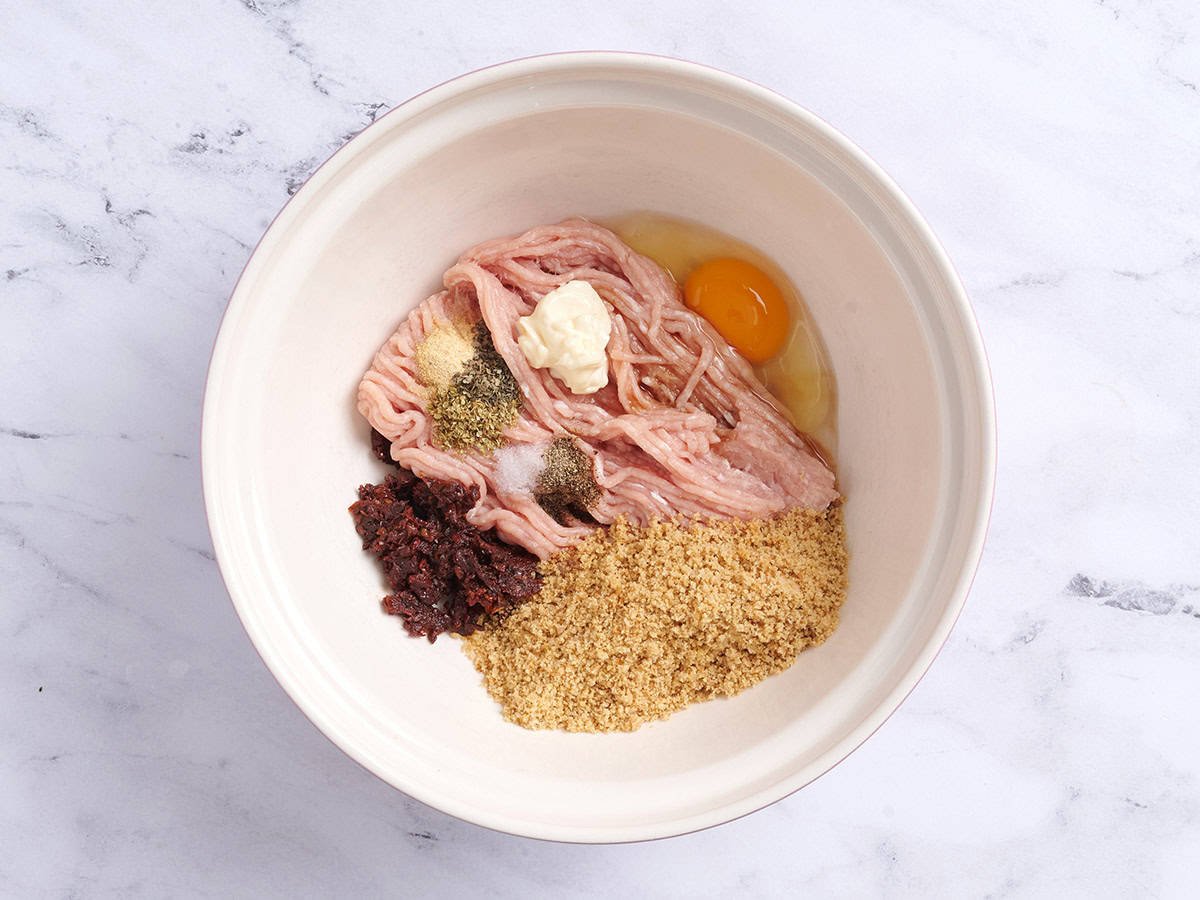
- Calories: 726 kcal
- Protein: 32g
- Total Fat: 57g
- Carbohydrates: 24g
- Sodium: 1129mg
The high protein content (64% of the daily value) makes it a satiating option, while the fat content is largely driven by the heavy cream and Parmesan cheese. For consumers monitoring sodium intake, the use of low-sodium chicken broth and reduced-sodium soy sauce are recommended adjustments. From a dietary perspective, the dish is relatively low in carbohydrates for a main course, though this changes depending on the chosen side dish, such as pasta or mashed potatoes.
Broader Implications for Meal Prep and Food Security
The practicality of this recipe extends beyond a single dinner. The Nashville Test Kitchen highlights the "freezer-friendly" nature of the meatballs. By freezing the raw, shaped meatballs on a parchment-lined sheet before transferring them to a bag, home cooks can create a "ready-to-cook" protein source that lasts up to three months. This aligns with modern meal-prepping trends aimed at reducing food waste and managing time-poverty among working families.
However, the authors caution against freezing the completed dish. Cream-based sauces are notorious for separating or becoming grainy upon thawing and reheating due to the breakdown of the fat-protein emulsion. This technical limitation encourages a "hybrid" approach to meal prep: preparing the meat component in bulk while making the sauce fresh at the time of consumption.
Conclusion: The Intersection of Viral Media and Culinary Utility
The transition of "Marry Me Chicken" from a social media trend to a standardized test-kitchen recipe signifies the maturation of digital food culture. What began as a catchy name has been deconstructed into a reliable culinary formula that prioritizes flavor density and economic efficiency. By incorporating professional techniques—such as toasting breadcrumbs and using mayonnaise for moisture—this recipe bridges the gap between amateur home cooking and professional culinary standards. As grocery prices continue to influence household decision-making, the ability to produce restaurant-style meals like Marry Me Chicken Meatballs for under $3.00 per serving remains a critical skill for the modern consumer.
