

The culinary landscape is witnessing a significant resurgence in home baking, particularly with a growing enthusiasm for "copycat" desserts—homemade renditions of beloved store-bought classics. This trend, highlighted by a recent compilation of 12 such recipes from renowned baker Sally McKenney, transcends mere replication, aiming to elevate familiar flavors with from-scratch ingredients and artisanal techniques. From the iconic chocolate sandwich cookie to frosted pastry tarts, home bakers are increasingly seeking to infuse mass-produced favorites with superior texture, richer taste, and the unmistakable quality of homemade craftsmanship, marking a broader shift towards personalized and authentic culinary experiences. This movement underscores a collective desire to revisit childhood memories through food, enhanced by the control and satisfaction of creating these treats in one’s own kitchen. The appeal lies not just in nostalgia, but in the promise of a product that often surpasses its commercial counterpart in freshness and depth of flavor.
The Enduring Appeal of Copycat Creations
The phenomenon of copycat recipes is deeply rooted in consumer psychology, blending familiarity with a desire for improvement. For decades, packaged desserts have held a special place in collective memory, often associated with comfort, celebrations, and everyday indulgences. Brands like Oreo, Pop-Tarts, and Little Debbie have become cultural touchstones, their flavors instantly recognizable. However, as dietary awareness increases and the desire for higher-quality ingredients grows, many consumers are turning to homemade alternatives. The "copycat" movement directly addresses this by offering a bridge between the cherished memories evoked by these treats and the modern demand for transparency in ingredients and elevated taste profiles.

This trend is not new, but its current popularity is amplified by the pervasive influence of food blogs, social media platforms, and online recipe communities. These digital spaces provide accessible, step-by-step guides, often accompanied by high-quality photography and video tutorials, empowering even novice bakers to tackle seemingly complex recipes. The sharing economy of online culinary content fosters a sense of community, where bakers exchange tips, troubleshoot challenges, and celebrate successes, further fueling the widespread adoption of these recipes. The accessibility of ingredients and specialized tools, combined with a cultural emphasis on DIY projects, has transformed home baking from a necessity into a hobby and an artistic expression.

A Chronology of Culinary Recreation: From Cookies to Cakes
The evolution of copycat desserts mirrors broader trends in the food industry and consumer preferences. Initially, the focus might have been on simple cookies, but it has expanded to more intricate pastries and cakes, reflecting a growing confidence and skill level among home bakers.

- Early 2000s: The Dawn of Digital Recipes and Cookie Clones: With the rise of the internet, home bakers began actively searching for ways to replicate restaurant dishes and popular packaged snacks. Early popular copycat recipes often involved straightforward cookie formulations. Recipes for homemade versions of classic sandwich cookies, like Oreos, quickly gained traction. These early attempts focused on matching the flavor profile using readily available ingredients, often emphasizing a richer cocoa flavor for the cookie and a creamier filling. The relatively simple construction of sandwich cookies made them an ideal starting point for aspiring copycat creators.
- Mid-2000s to Early 2010s: Expanding Horizons – Pastries and Pies: As home baking skills progressed and online resources proliferated, the scope of copycat recipes broadened to include more complex items such as pastries and tarts. The homemade Pop-Tart, for instance, became a popular project, allowing bakers to customize fillings and frosting while ensuring a flaky, buttery crust often superior to its mass-produced counterpart. This era saw a greater emphasis on scratch-made components, like homemade pie crusts, to elevate the overall quality.
- Mid-2010s to Present: Gourmet Upgrades and Iconic Confections: The current phase of the copycat trend sees bakers tackling increasingly ambitious projects, including multi-layered cakes and cream-filled confections. The demand for bakery-quality results at home has led to detailed recipes for treats like chocolate cake rolls (Swiss rolls) and cream-filled chocolate cupcakes reminiscent of Hostess products. These recipes often involve multiple components—sponge cakes, various fillings, and ganaches—demonstrating a sophisticated approach to home baking. The inclusion of such recipes in best-selling cookbooks, as highlighted by McKenney’s work, validates their mainstream appeal and elevates their status from internet curiosities to culinary staples.
Detailed Examples: Elevating Familiar Favorites

The specific examples provided in the original compilation offer a glimpse into the diverse range of treats being reimagined:

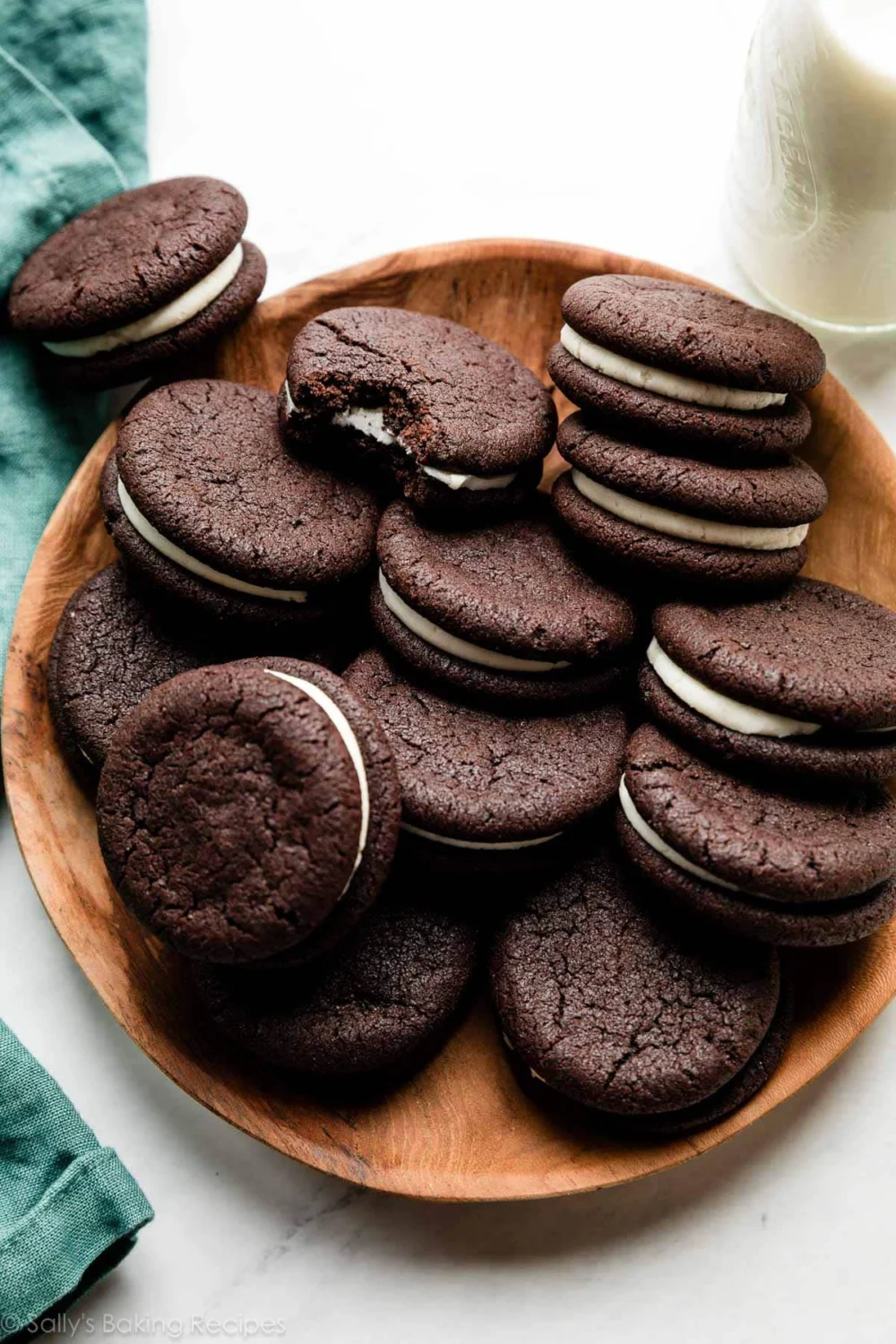
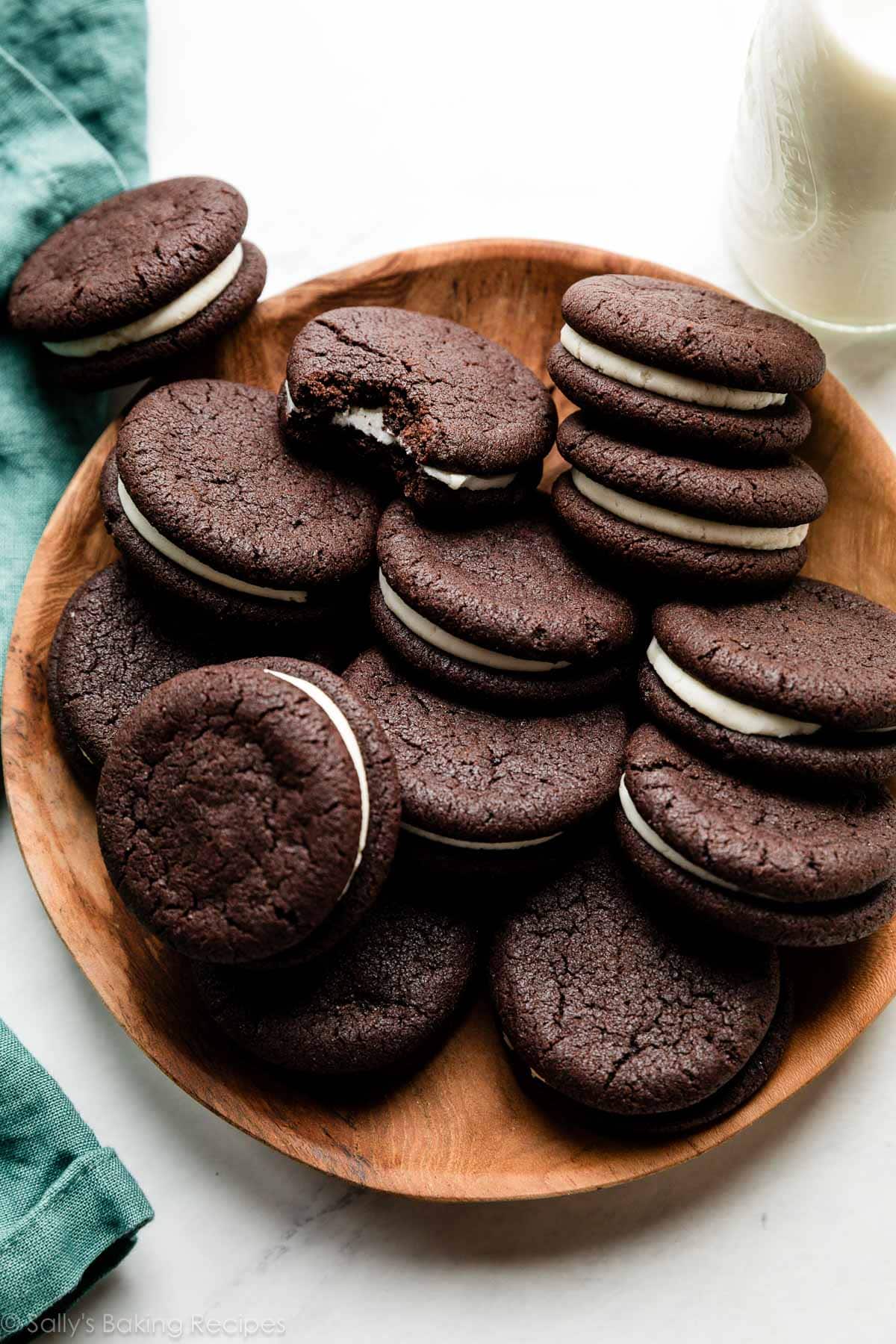
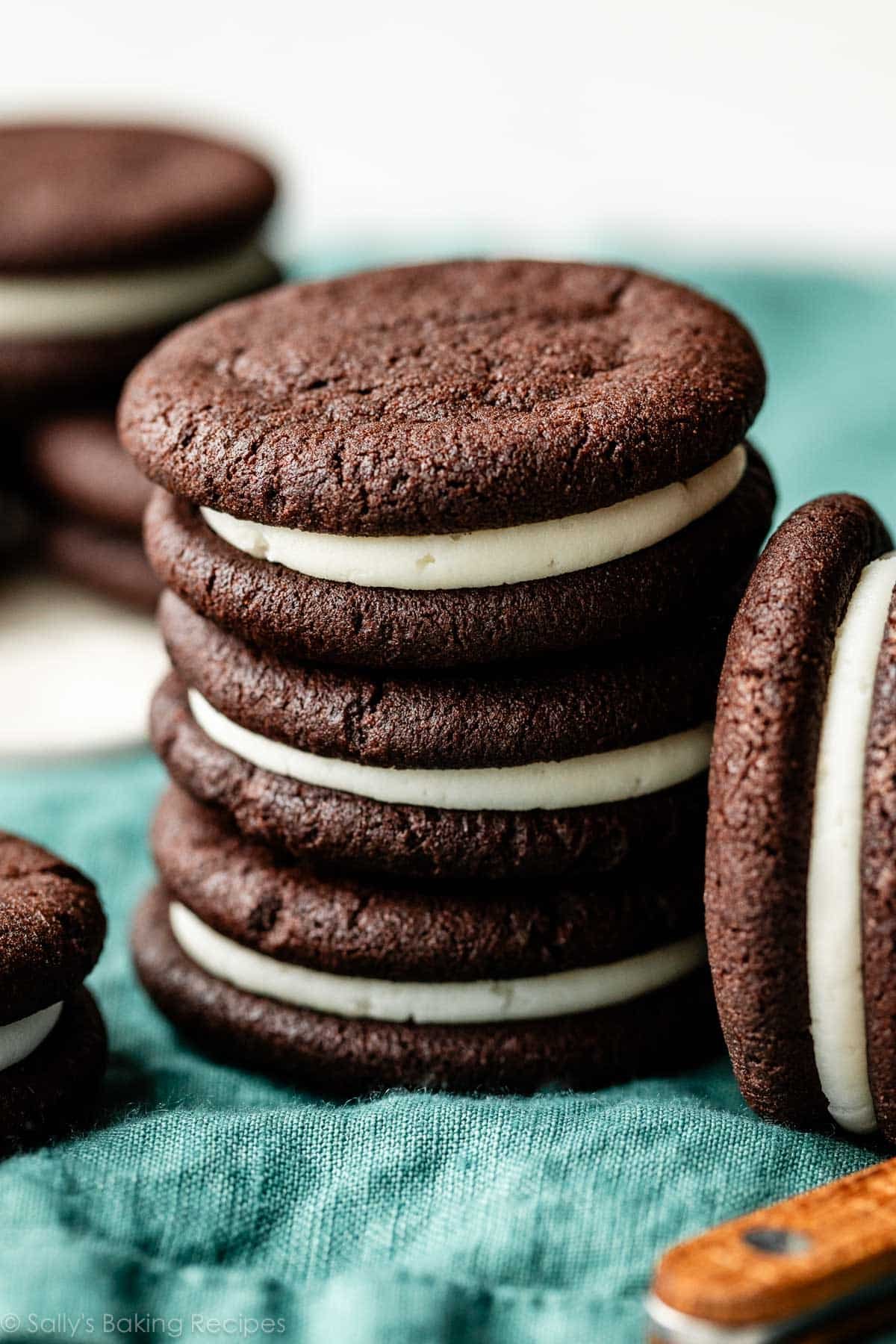
- Homemade Oreos: The iconic chocolate sandwich cookie benefits immensely from a homemade approach. Recipes often call for Dutch-processed cocoa powder to achieve that signature dark color and deep chocolate flavor, paired with a rich, buttery vanilla cream filling. The key improvements typically include a less crumbly cookie texture and a more luxurious, less artificial-tasting filling.
- Frosted Brown Sugar Cinnamon Pop-Tarts: Moving beyond the breakfast aisle, these homemade tarts are a prime example of turning a convenience item into a gourmet experience. Utilizing an all-butter pie crust ensures a flaky, tender pastry, while the filling, often made with real brown sugar, cinnamon, and a touch of butter, offers a more robust and nuanced flavor than its commercial equivalent. The homemade frosting provides a delicate sweetness that perfectly complements the spiced interior.
- Homemade Oatmeal Cream Pies: These soft, chewy oatmeal cookies sandwiched with a sweet, fluffy cream filling are a nostalgic staple. The homemade version typically features cookies with a richer blend of spices (cinnamon, nutmeg), a more pronounced oat flavor, and a cream filling that is lighter and less cloyingly sweet, often incorporating marshmallow fluff or meringue for an ethereal texture.
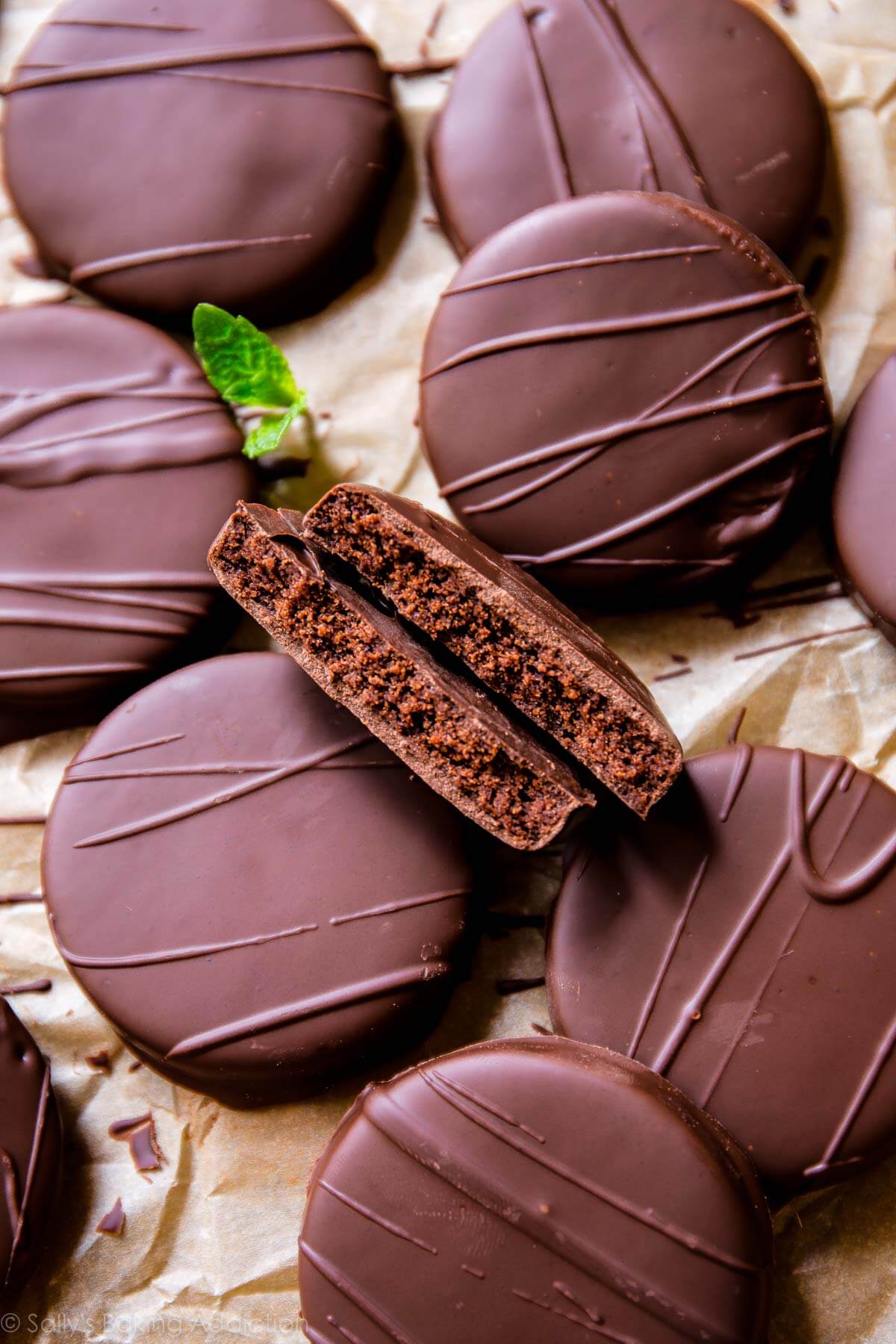
- Thin Mint Cookies: Replicating these beloved Girl Scout cookies involves baking crisp chocolate wafers and then coating them in a vibrant mint chocolate shell. Home bakers often use high-quality chocolate and natural mint extract, resulting in a more intense and authentic flavor profile compared to the sometimes waxy texture and artificial taste of the original.
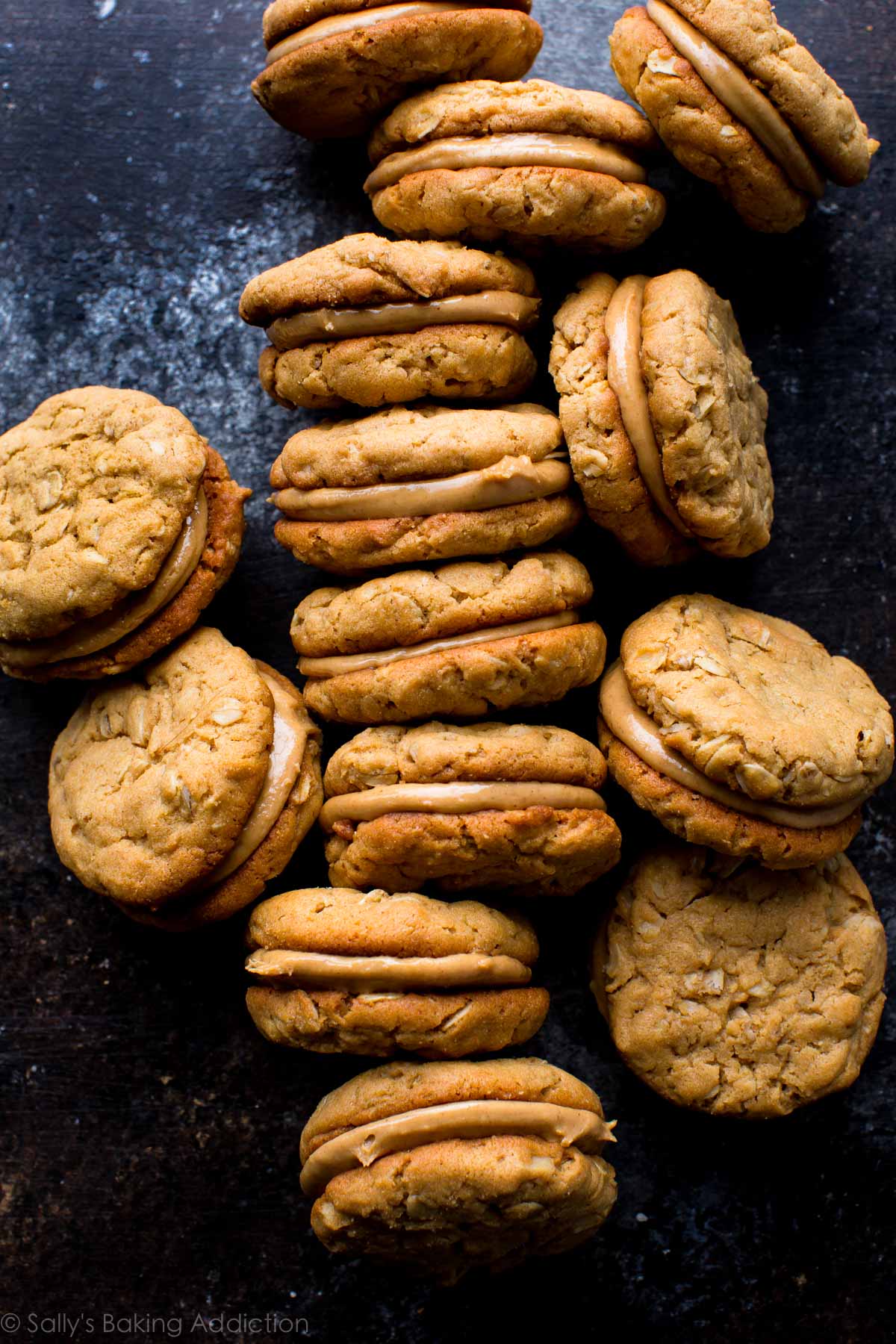
- Peanut Butter Cookie Sandwiches (Nutter Butters): The homemade rendition of these distinctive peanut-shaped cookies focuses on achieving the perfect balance of crispy cookie and creamy, robust peanut butter filling. Recipes often enhance the peanut flavor in both components, using a mix of smooth and crunchy peanut butter in the filling for added texture.
- Cream-Filled Chocolate Cupcakes (Hostess-style): These are a testament to the sophistication of modern copycat baking. They involve a moist, deeply chocolatey cupcake base, a luscious whipped vanilla buttercream filling, and a glossy, two-ingredient chocolate ganache topping. The homemade version prioritizes real dairy and high-quality chocolate, resulting in a significantly more indulgent and satisfying dessert.
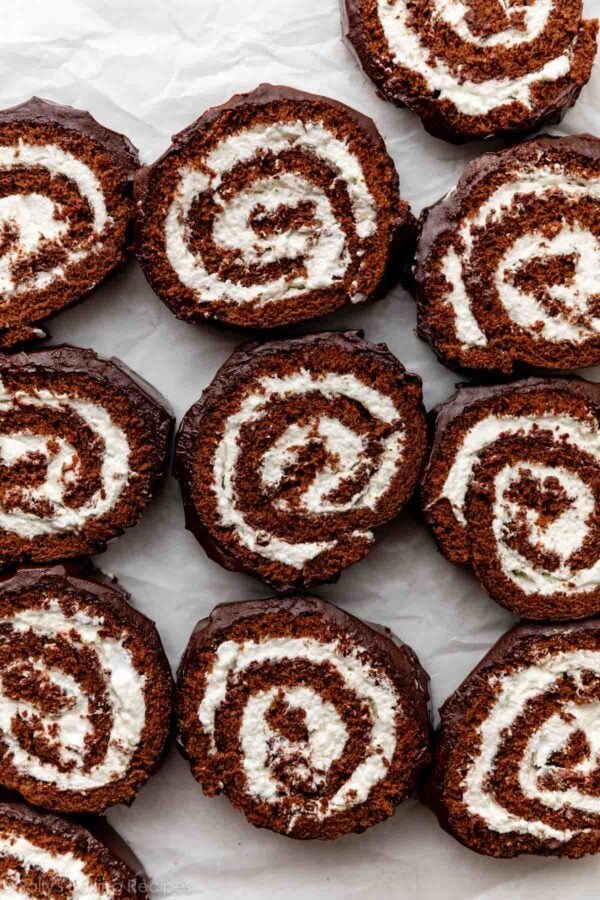
- Chocolate Cake Roll (Swiss Roll): This classic combines a light, airy chocolate sponge cake with a sweet vanilla whipped cream and a dark chocolate ganache. The challenge and reward of a homemade Swiss roll lie in perfecting the delicate sponge and the rolling technique, yielding a dessert that is both visually impressive and exquisitely balanced in flavor and texture.
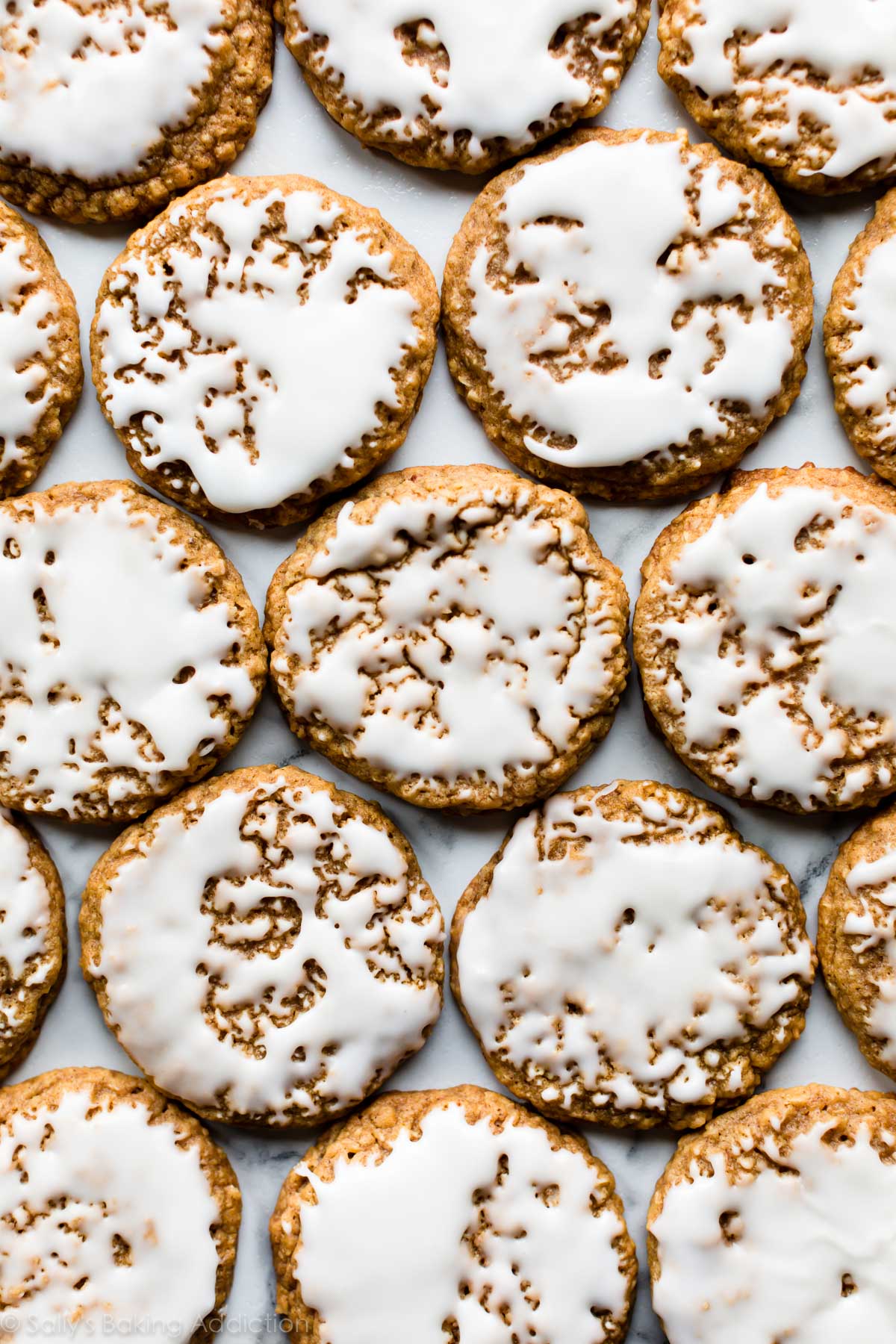
- Iced Oatmeal Cookies: These old-fashioned cookies, with their soft centers, chewy edges, and spiced flavor, are enhanced by a simple vanilla icing. The homemade version often uses a blend of rolled oats for texture and a carefully balanced spice mix, making them a comforting and flavorful treat.
- Mini Animal Cracker Cookies: Turning a simple sugar cookie into cinnamon-kissed animal crackers with icing and sprinkles allows for a playful and customizable take on a childhood favorite, showcasing how even basic ingredients can be transformed.
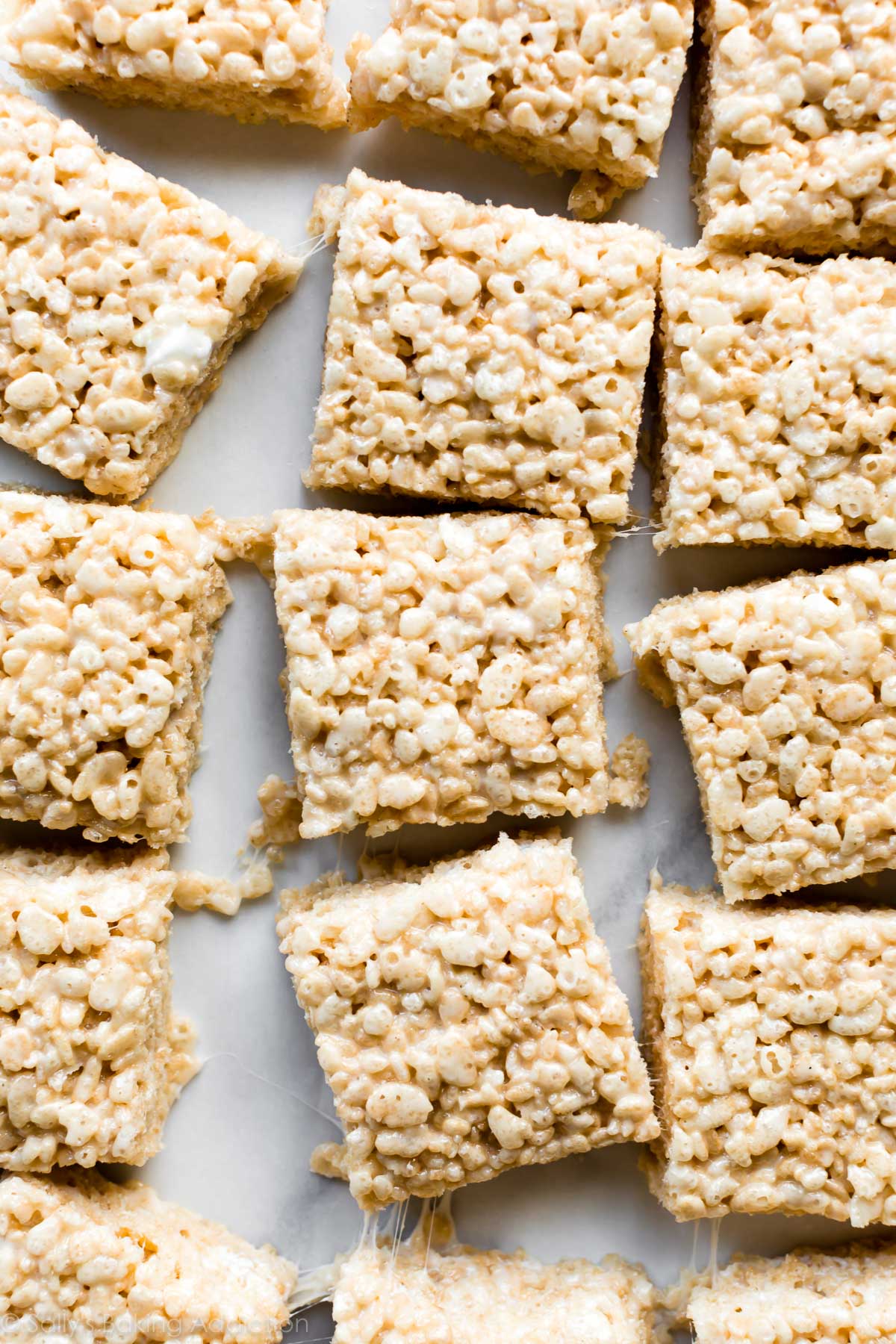
- Rice Krispie Treats: While seemingly simple, a homemade version can be significantly elevated by adjusting the butter and marshmallow ratios, and adding a touch of vanilla extract and a pinch of salt. These subtle enhancements transform a basic snack into a truly irresistible confection with superior chewiness and flavor.
- Ice Cream Cake: Replicating a store-bought ice cream cake means combining favorite ice cream flavors with layers of crushed cookies (like Oreos), homemade hot fudge, and whipped cream. The ability to customize flavors and ingredients makes the homemade version a truly personal and often more decadent experience.
- Striped Fudge Cookie Sandwiches: A direct homage to Keebler, these cookies focus on rich chocolate cookies and a creamy fudge filling, often with a distinctive striped pattern. The homemade version emphasizes a deep chocolate flavor in the cookie and a smooth, luxurious fudge that melts in the mouth.
Driving Factors: Beyond Taste and Nostalgia

While taste and nostalgia are primary motivators, several other factors contribute to the popularity of copycat desserts:
- Ingredient Control and Health Consciousness: Consumers are increasingly mindful of what goes into their food. Homemade versions allow for control over sugar content, fat types, and the complete avoidance of artificial colors, flavors, and preservatives common in packaged goods. This caters to a growing desire for "cleaner" eating and accommodates dietary restrictions or allergies.
- Cost-Effectiveness: In many cases, baking from scratch can be more economical than regularly purchasing premium packaged desserts, especially when making larger batches for family or events. This economic incentive resonates with budget-conscious households.
- The Joy and Therapeutic Value of Baking: For many, baking is a deeply satisfying hobby. The process itself, from measuring ingredients to the aroma of fresh baking, can be therapeutic and a creative outlet. Successfully replicating a beloved treat provides a sense of accomplishment and pride.
- Educational Aspect: Copycat recipes often teach fundamental baking techniques that can be applied to other culinary endeavors. They encourage experimentation and build confidence in the kitchen.
- Sustainability and Waste Reduction: Home baking can sometimes lead to less packaging waste compared to buying multiple individual packaged snacks, aligning with broader environmental concerns.
Expert Insights and Industry Implications
Culinary experts and food industry analysts observe that the enduring appeal of copycat desserts reflects a broader consumer trend towards authenticity, personalization, and a return to traditional culinary skills. "The modern consumer values quality and transparency," states a recent report from the National Food & Beverage Association (NFBA). "While convenience foods remain a market staple, there’s a clear segment actively seeking out ways to replicate and even improve upon these items at home, driven by health concerns, cost savings, and the sheer enjoyment of baking."
This trend presents both challenges and opportunities for the commercial food industry. While some might view it as competition, it also signifies an enduring love for classic flavor profiles. Manufacturers could respond by:

- Offering Premium Ingredient Kits: Providing pre-portioned, high-quality ingredients for popular copycat recipes, combining convenience with the homemade experience.
- Developing "Clean Label" Versions: Introducing packaged desserts with simpler ingredient lists, fewer artificial additives, and clearer sourcing information to appeal to health-conscious consumers.
- Collaborating with Food Bloggers: Partnering with influential bakers and food personalities to create official "elevated" versions of their products or to promote the use of their ingredients in homemade recipes.
- Emphasizing Heritage and Craft: Marketing their existing products by highlighting their history, traditional recipes, or quality ingredients, thereby tapping into the same nostalgic sentiment that drives copycat baking.
For ingredient suppliers, the copycat trend is a boon, driving demand for staples like specialty flours, high-quality cocoa, extracts, and dairy products. Appliance manufacturers also benefit from increased interest in stand mixers, baking sheets, and other kitchen tools.
Conclusion

The resurgence of copycat desserts is more than just a fleeting trend; it represents a fundamental shift in how consumers interact with their food. By combining the emotional resonance of classic store-bought treats with the superior quality and satisfaction of homemade baking, these recipes offer a compelling alternative for those seeking to enrich their culinary experiences. As home bakers continue to refine their skills and share their creations, the copycat movement is set to remain a vibrant and influential force in the world of sweets, continually pushing the boundaries of what can be achieved in the home kitchen and cementing the enduring appeal of nostalgia, crafted with care. The dedication to transforming familiar packaged favorites into bakery-style delights underscores a timeless appreciation for delicious food, made with passion and precision.
