

The Nashville Test Kitchen Methodology and Economic Context
All culinary procedures detailed in this review have undergone rigorous empirical testing within the Nashville Test Kitchen to ensure they meet standards for affordability, ease of execution, and flavor profile. The testing phase is critical, as it addresses common variables such as heat conductivity in different pan materials and the atmospheric conditions that affect egg coagulation. This professional vetting process is essential for translating complex culinary theory into actionable home practices.
From an economic perspective, eggs represent one of the most efficient "protein-per-dollar" purchases available on the market. According to data from the U.S. Bureau of Labor Statistics, while egg prices experienced significant volatility in 2023 and early 2024 due to outbreaks of Highly Pathogenic Avian Influenza (HPAI), they remain significantly more affordable than traditional meat-based breakfast proteins such as bacon or pork sausage. The ability to "stretch" a single dozen eggs into multiple meals through the addition of grains, legumes, and seasonal vegetables is a primary strategy recommended by financial and nutritional advisors for maintaining food security in low-to-middle-income households.
Foundational Egg Cookery: The Science of the Basics
The mastery of basic egg preparations serves as the groundwork for all advanced breakfast cookery. These methods rely heavily on the control of temperature and timing to achieve specific textures in the albumen (egg white) and the vitellus (yolk).
1. Hard-Boiled and Soft-Boiled Precision
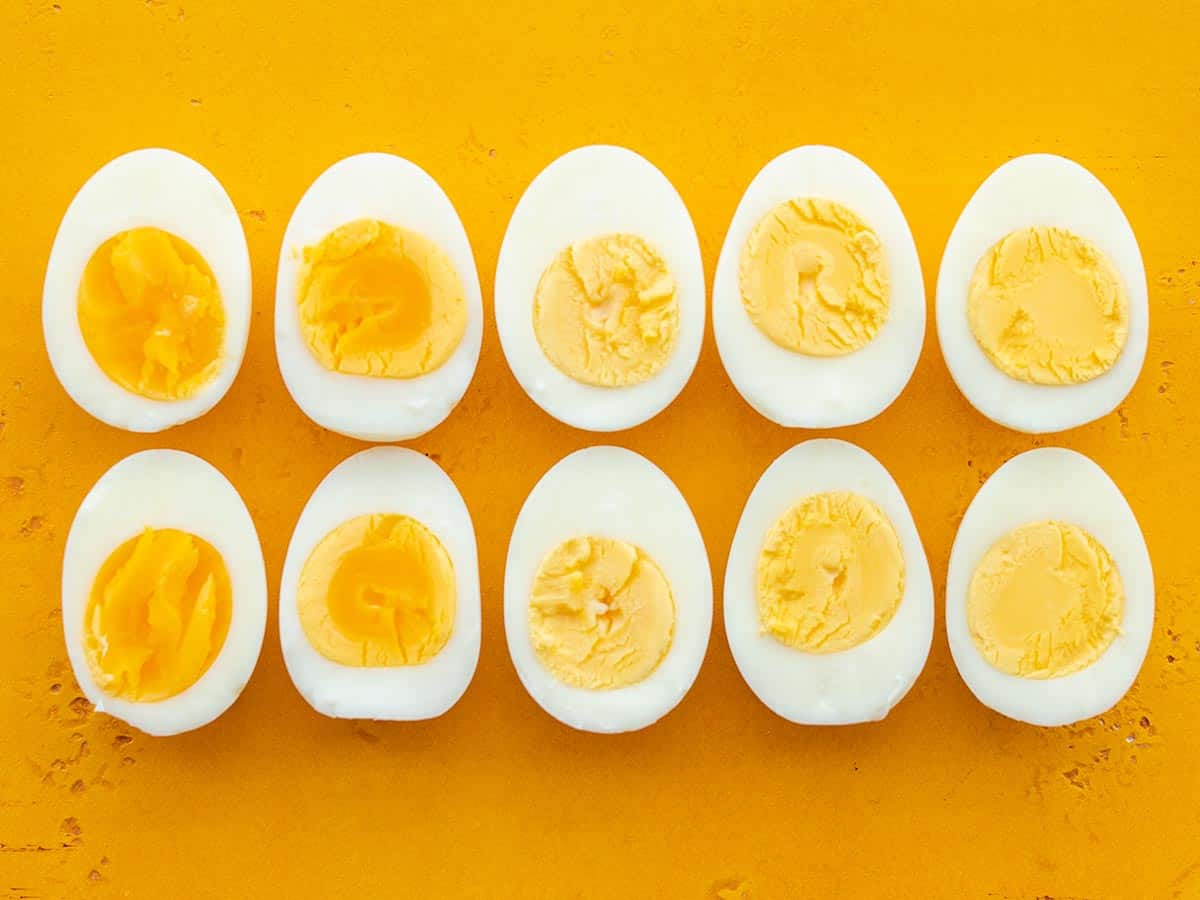
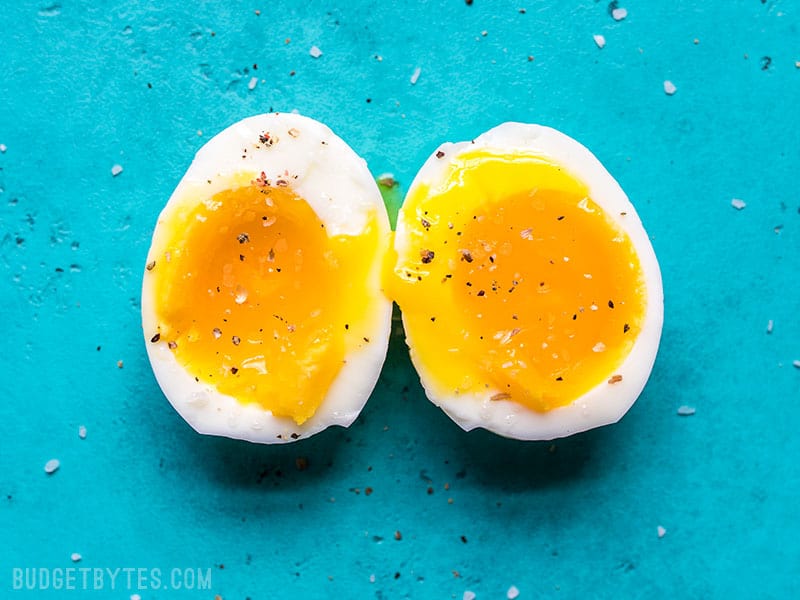
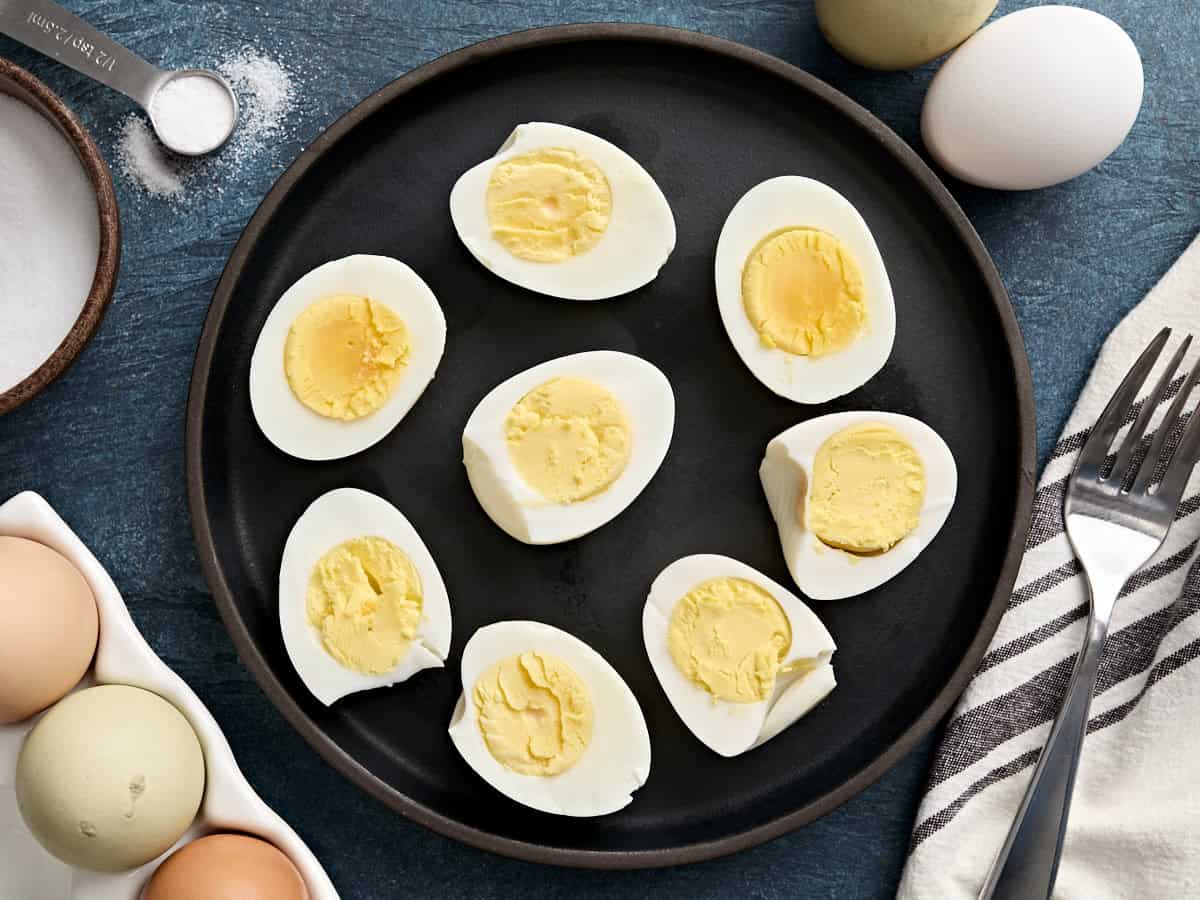
The hard-boiled egg is a staple of the "grab-and-go" nutritional model. The Nashville Test Kitchen utilizes a hot-water-bath method to prevent the formation of ferrous sulfide—the greenish ring around the yolk caused by overcooking. By transitioning eggs directly from boiling water to an ice bath, the internal temperature is stabilized, ensuring a creamy yolk and easy-to-peel shell. Conversely, the soft-boiled egg, often referred to as a "six-minute egg," requires a shorter duration to achieve a jammy, liquid-gold center. This preparation is frequently utilized in high-end bistro settings and serves as a sophisticated yet low-cost addition to avocado toast or English muffins.
2. The Mechanics of Scrambling and Frying
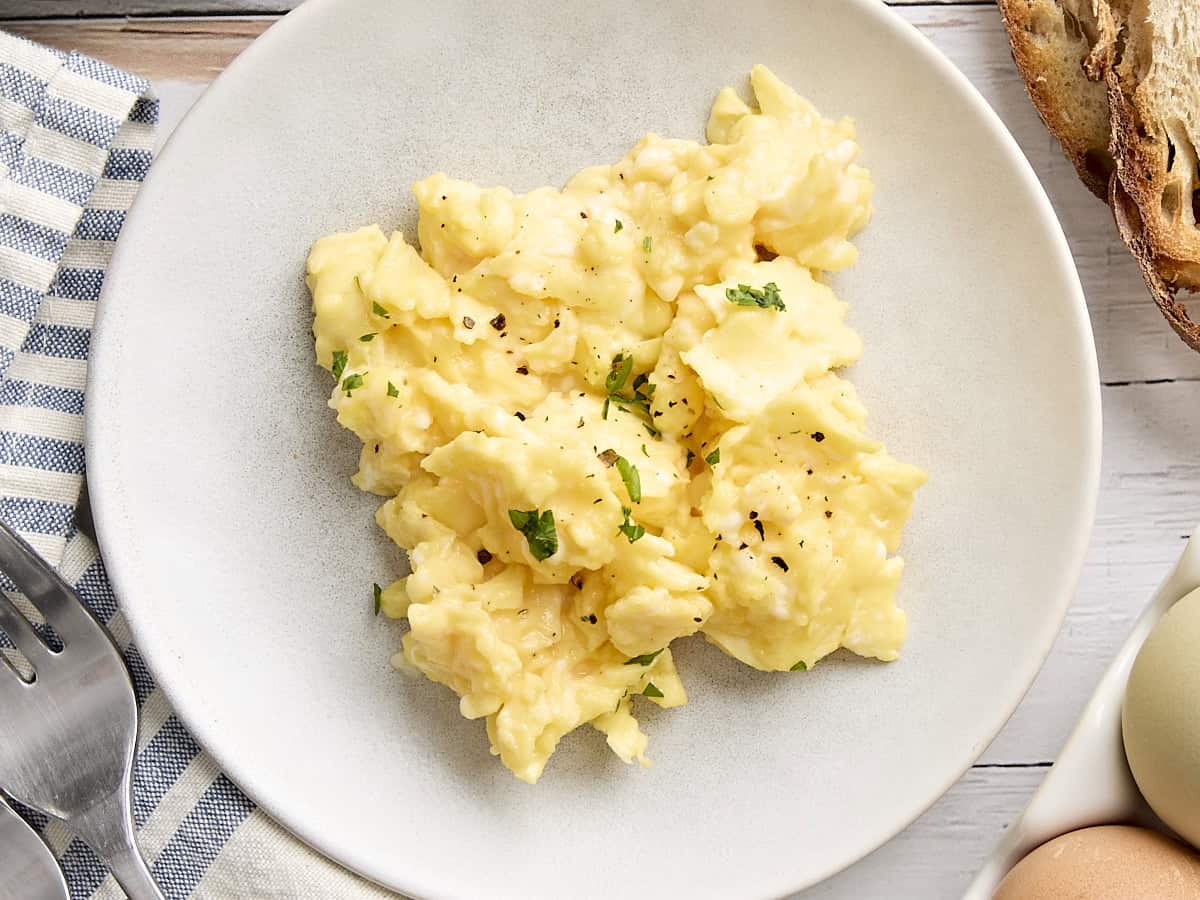
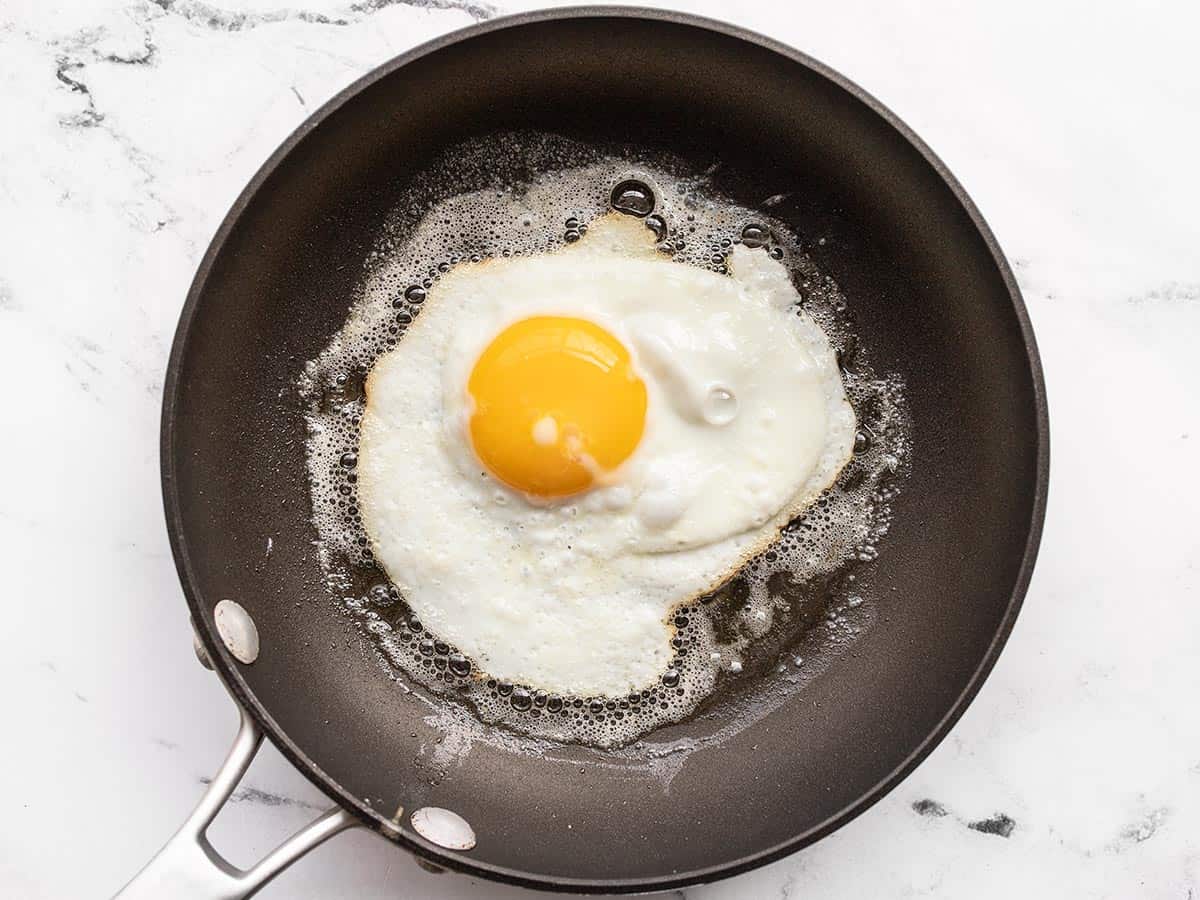
Scrambled eggs are often misunderstood as a high-heat dish; however, professional standards dictate a "low and slow" approach. This method preserves the moisture content of the egg, resulting in tender curds rather than a rubbery texture. Similarly, fried eggs—classified into sunny-side up, over-easy, over-medium, and over-hard—demand precise heat management. The goal is to set the whites completely while maintaining the integrity of the yolk, a process that requires a well-seasoned non-stick surface or a traditional cast-iron skillet.
3. Advanced Techniques: Poaching and Air-Fried Variations
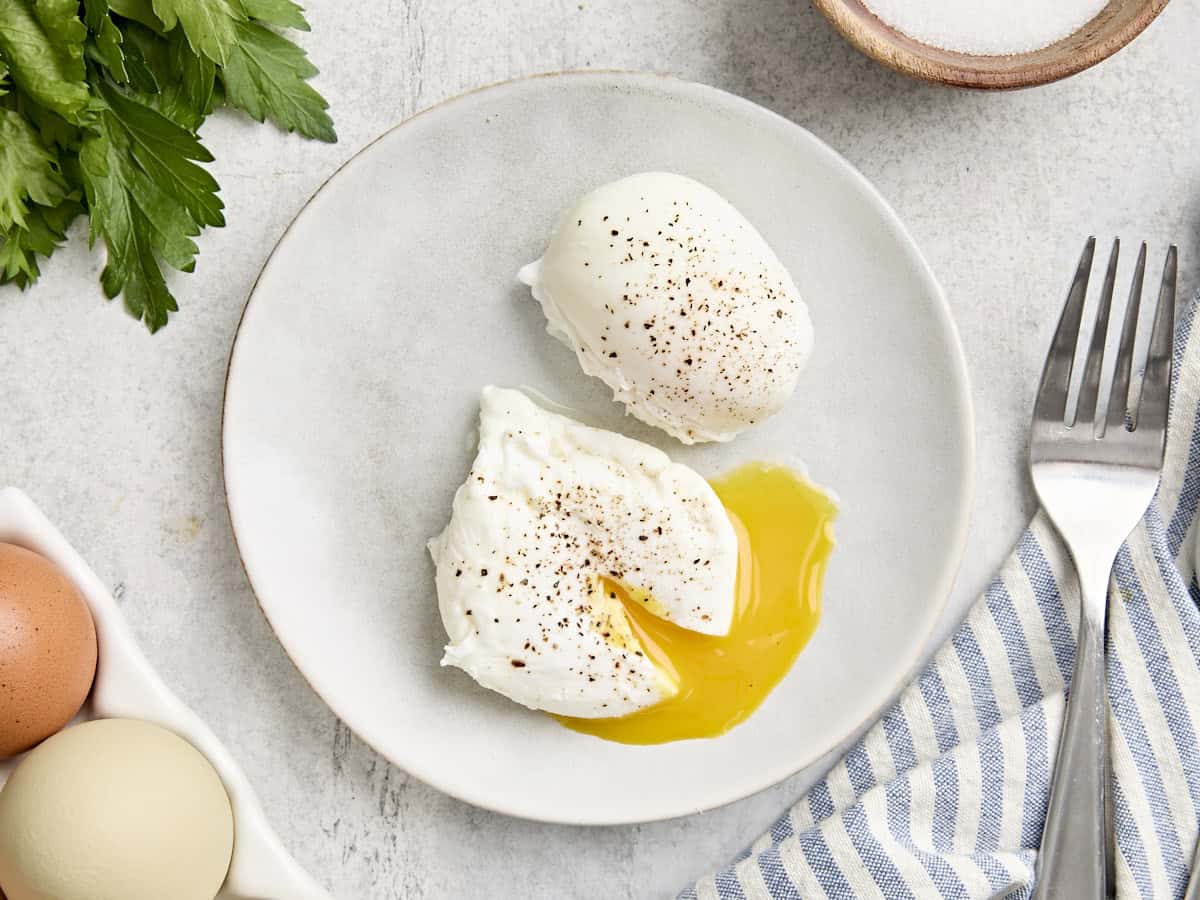
Poaching is considered the pinnacle of egg technique, requiring the suspension of a raw egg in simmering water without the support of a shell. This method produces a delicate texture favored in dishes like Eggs Benedict. A more recent technological innovation involves the use of air fryers to produce "boiled" eggs. This dry-heat convection method offers a hands-off alternative to traditional stovetop boiling, reflecting the growing trend of integrating small kitchen appliances into daily meal routines for increased efficiency.
Breakfast and Brunch Innovations: Scaling for Sustenance
Beyond the basics, eggs serve as the structural foundation for more complex, multi-ingredient dishes that are suitable for larger groups or "breakfast-for-dinner" scenarios. These recipes often incorporate pantry staples to enhance volume and flavor.
4. The Frittata and the Versatility of Leftovers
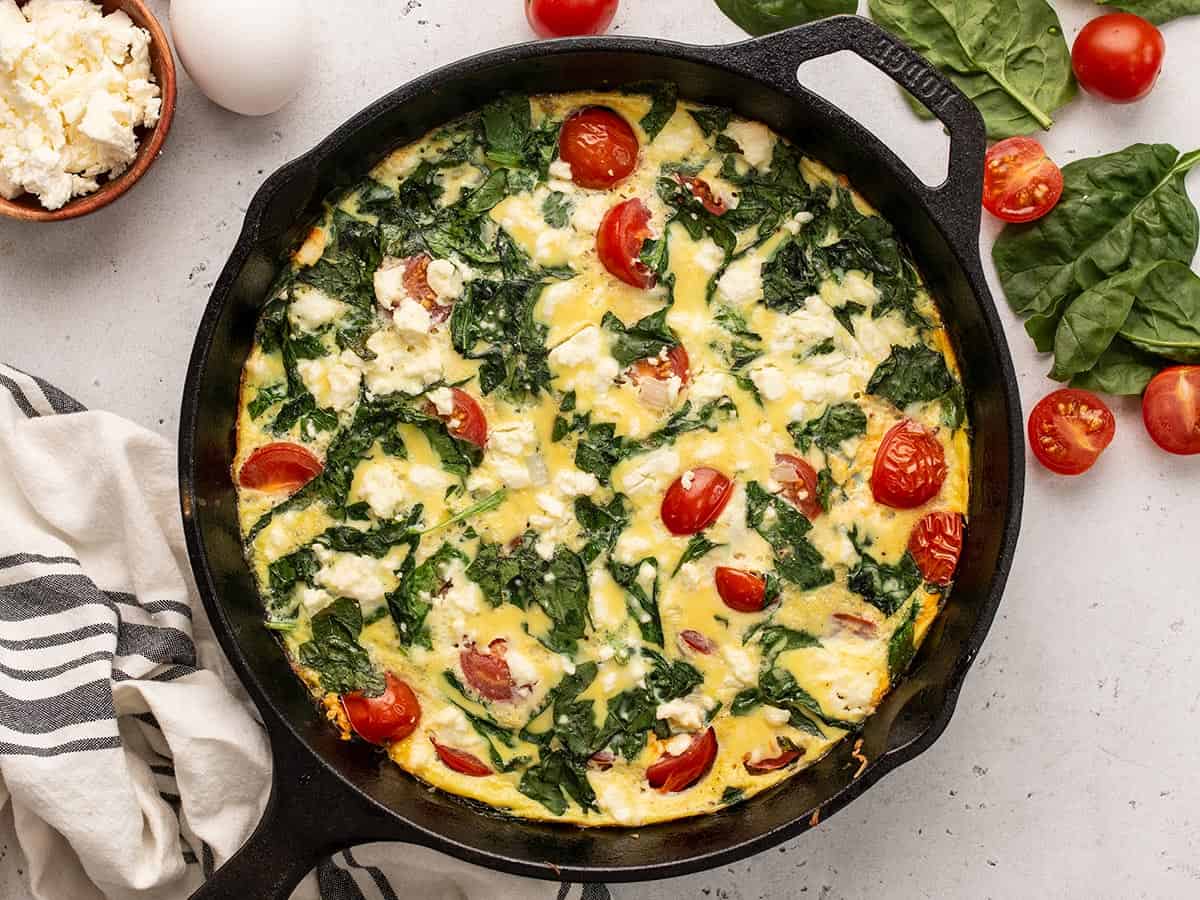
The frittata is an Italian-style open-faced omelet that serves as an effective vehicle for minimizing food waste. By combining beaten eggs with residual vegetables, cheeses, and meats, cooks can create a nutrient-dense meal that scales easily. Unlike the traditional French omelet, which requires significant dexterity to fold, the frittata is finished in the oven, making it a more accessible option for novice cooks.
5. Cultural Staples: Shakshuka and Chorizo Hash
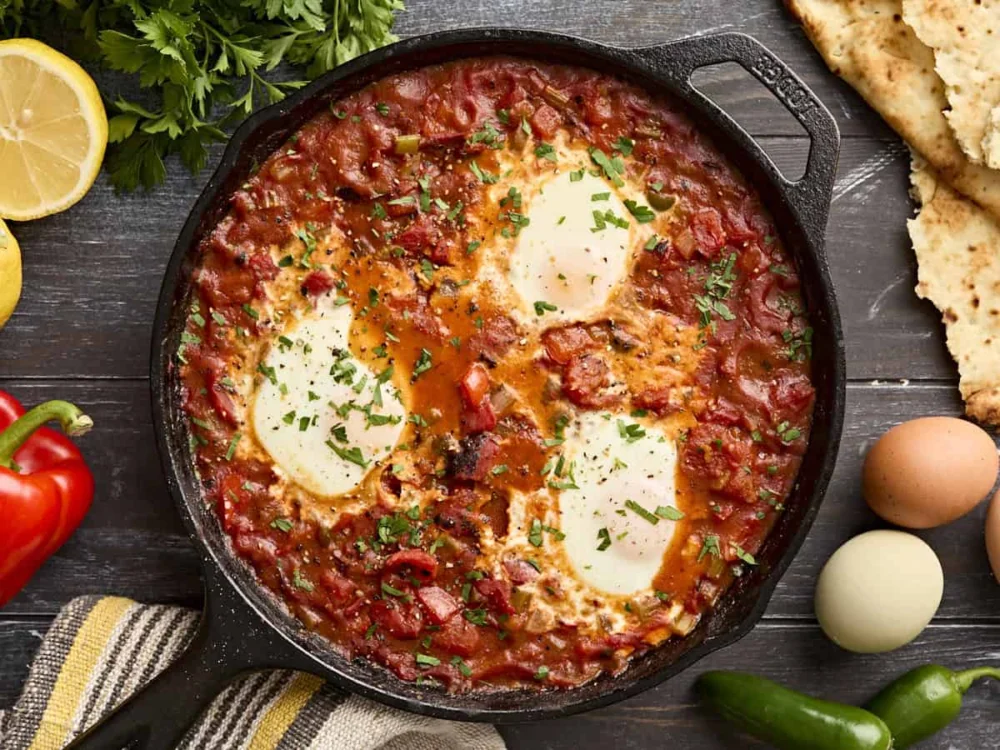
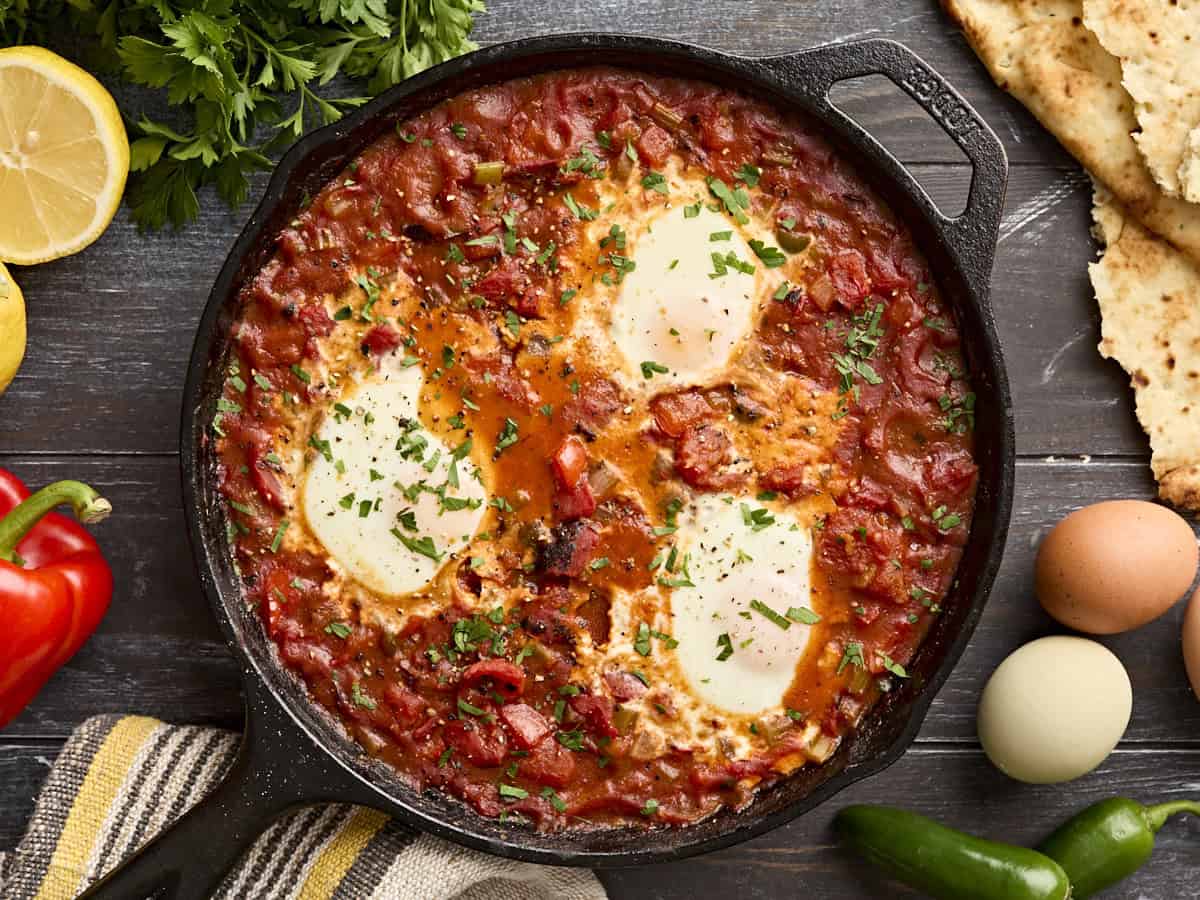
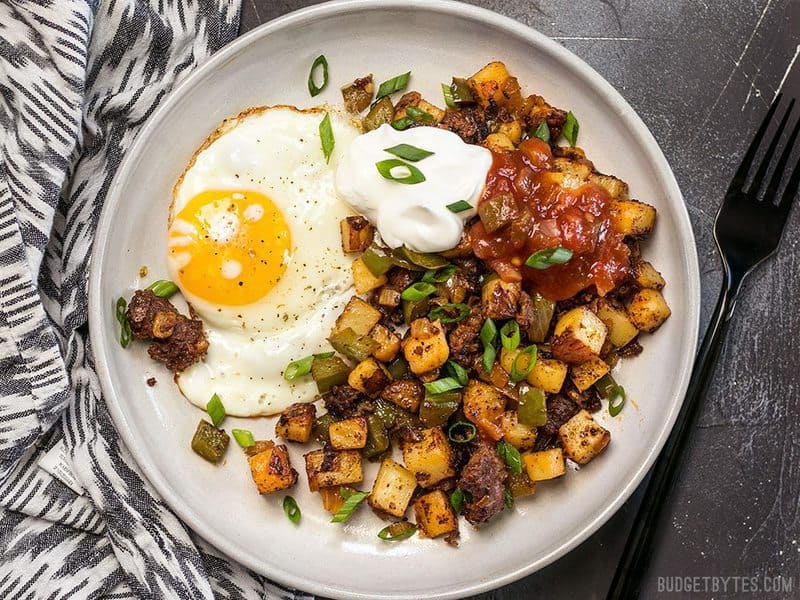
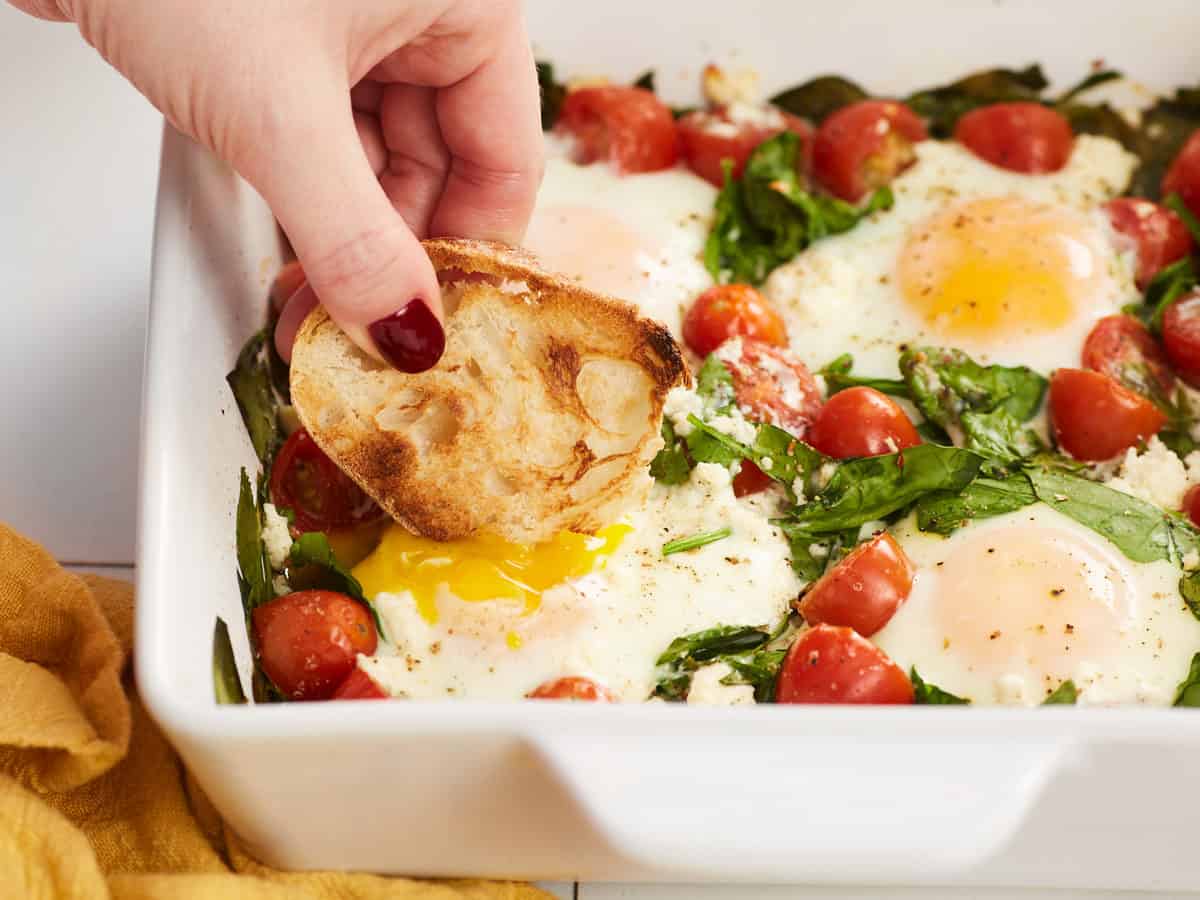
Shakshuka, a dish with deep roots in North African and Middle Eastern cuisines, has seen a surge in global popularity. It involves poaching eggs directly in a simmering sauce of tomatoes, peppers, onions, and warm spices such as cumin and paprika. This one-pan meal is not only visually striking but also highly economical, as it relies on canned tomato products and basic aromatics. Similarly, the Chorizo Potato Breakfast Hash utilizes the high fat content of Mexican-style chorizo to crisp potatoes, creating a high-calorie, high-protein meal that sustains energy levels throughout the day.
6. The Science of Hollandaise
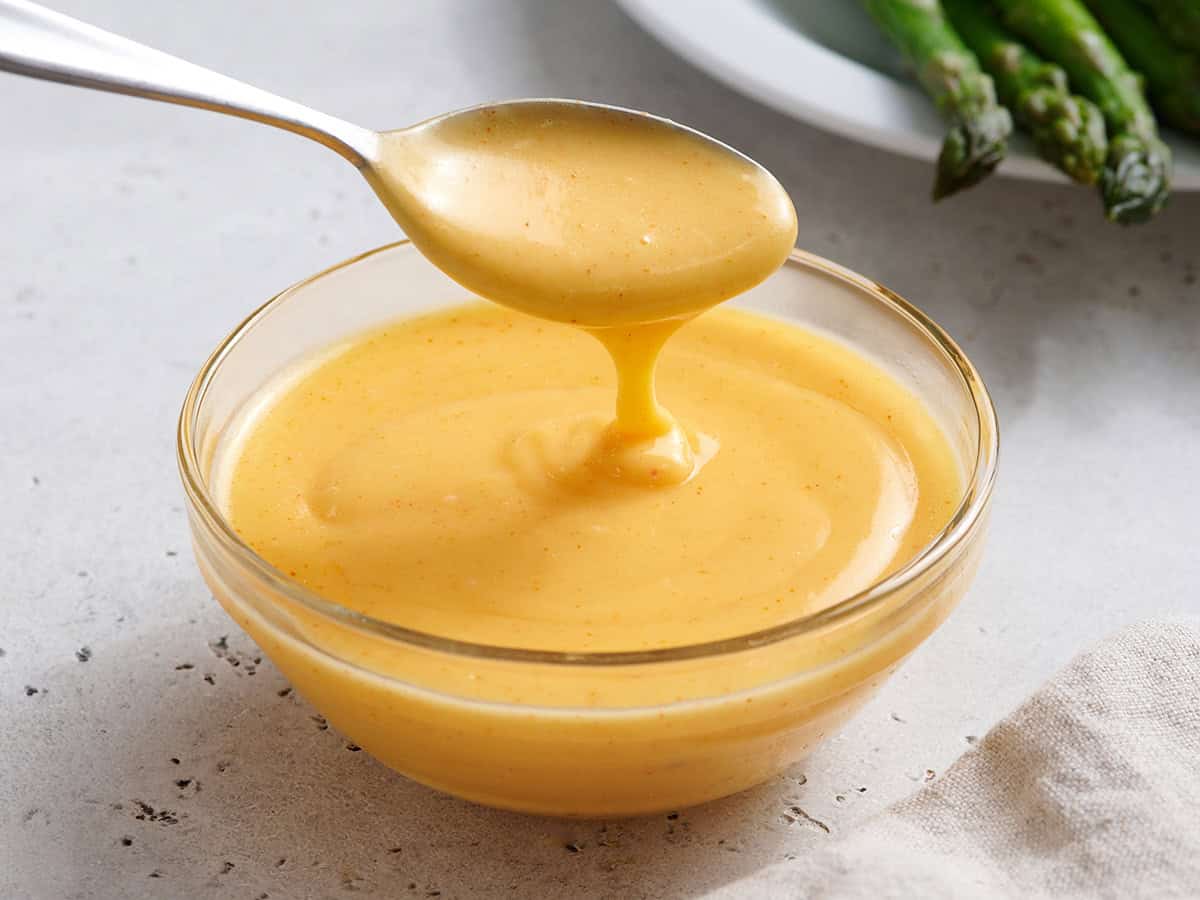
Hollandaise sauce is one of the five "mother sauces" of classic French cuisine. It is a warm emulsion of egg yolk, melted butter, and lemon juice. While historically considered difficult to master due to the risk of the sauce "breaking," modern techniques involving steady whisking over low heat have made this rich accompaniment more achievable for the home chef, allowing for a professional-grade brunch experience at a fraction of the restaurant cost.
Meal-Prep Strategies and Long-Term Nutritional Planning
As the modern workforce increasingly prioritizes time management, meal-prepping has transitioned from a niche fitness trend to a mainstream household necessity. Eggs are uniquely suited for this practice due to their ability to be frozen or refrigerated without significant degradation of quality.
7. High-Protein Egg Muffins and Freezer Burritos
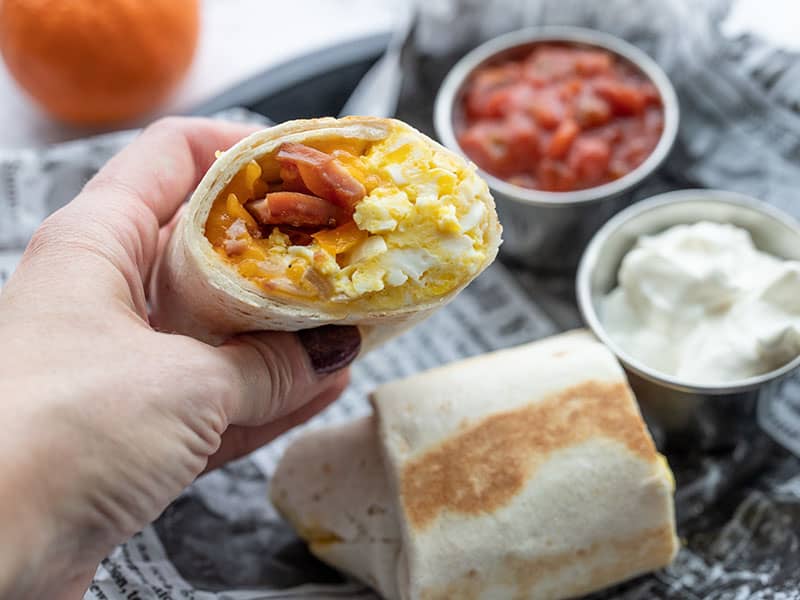
Egg muffins, often baked in standard cupcake tins, provide a portable, crustless alternative to quiche. These are particularly favored by individuals adhering to low-carb or ketogenic diets. For those requiring more complex carbohydrates, freezer-friendly breakfast burritos offer a comprehensive meal solution. By wrapping scrambled eggs, beans, and cheese in flour tortillas, consumers can prepare a week’s worth of breakfasts in a single session, significantly reducing the temptation to purchase expensive fast-food alternatives during the work week.
8. Egg Salad and Rice-Based Bowls
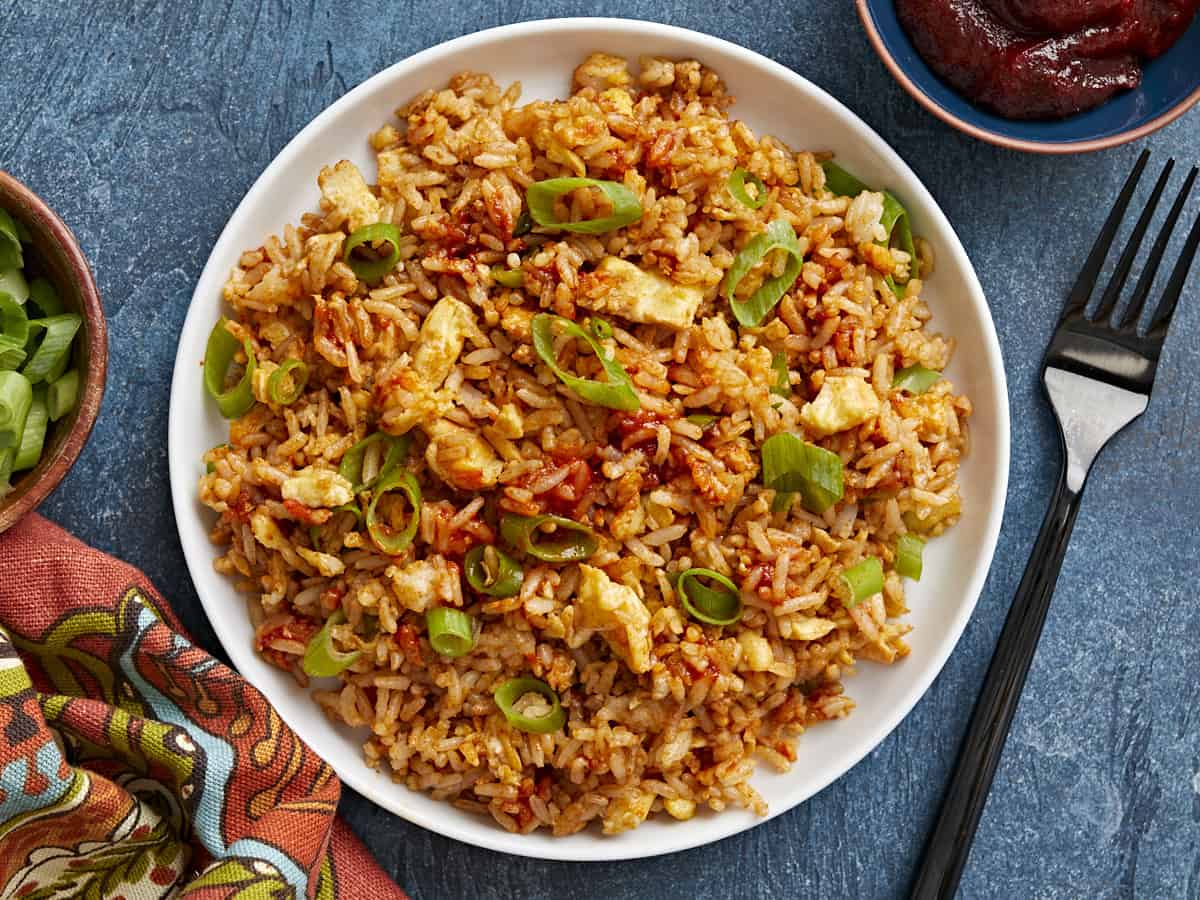
While often associated with lunch, egg salad serves as a rapid, high-protein breakfast when served on whole-grain toast. Furthermore, the integration of scrambled eggs with white or brown rice—a common practice in many Asian cuisines—provides a filling and extremely low-cost meal. This combination offers a complete amino acid profile and is an excellent way to utilize leftover grains.
Broader Impact and Implications for Food Security
The reliance on egg-based recipes extends beyond mere culinary preference; it is a matter of public health and economic resilience. Eggs contain essential nutrients often under-consumed in the standard American diet, including choline, which is vital for brain health, and lutein, which supports ocular function.

Chef Jess Rice, a contributor to the Nashville Test Kitchen and a former Professor of Culinary Arts, notes that instructing home cooks in these techniques empowers individuals to take control of their nutritional outcomes. Rice’s background as a restaurateur and private chef to high-profile clients informs the "Budget Bytes" philosophy: that gourmet-quality nutrition should not be gated by high income.
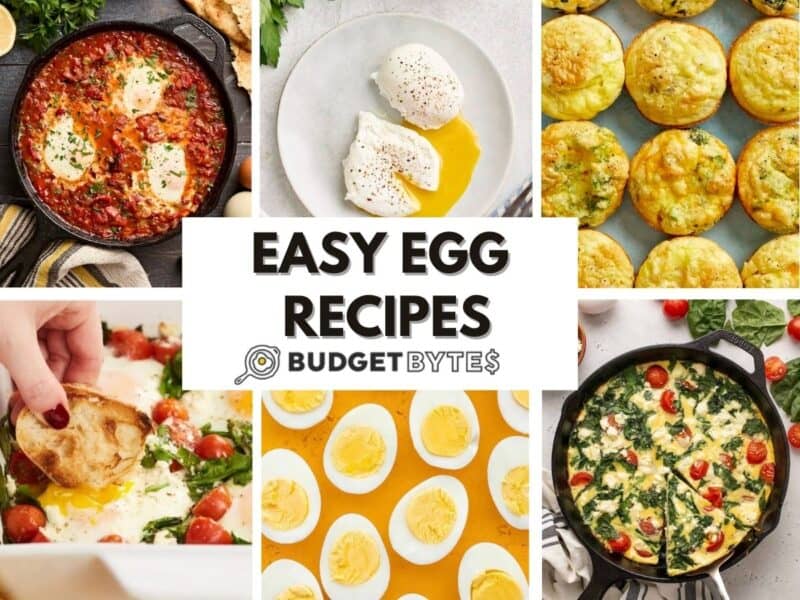
As global food systems face ongoing challenges from climate change and supply chain disruptions, the egg will likely remain a critical commodity. The ability to transform this simple ingredient into 15 distinct, flavorful, and nourishing meals is a vital skill set for the modern consumer. By prioritizing these recipes, households can ensure they are meeting their protein requirements without compromising their financial stability. The ongoing research at facilities like the Nashville Test Kitchen continues to validate the egg’s position as the most versatile and indispensable tool in the kitchen.
