

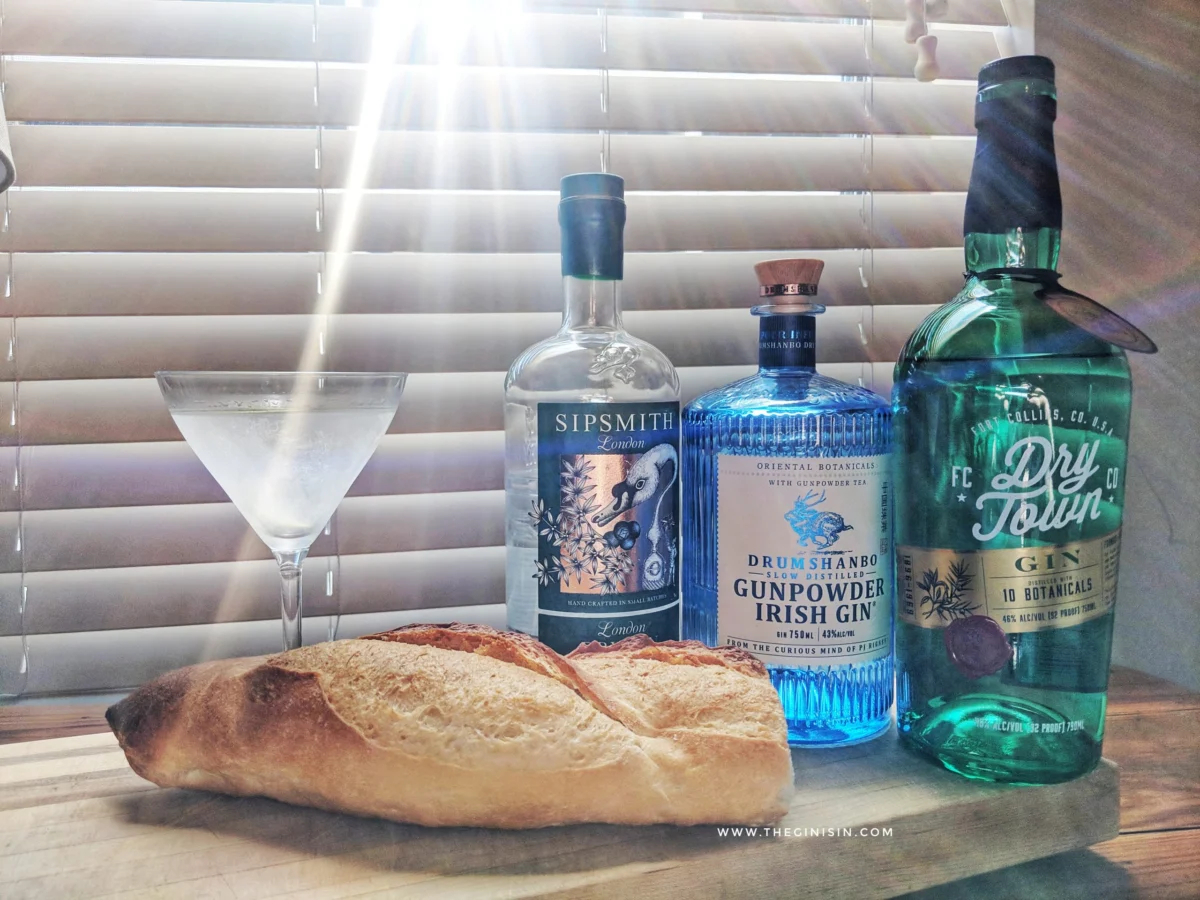
The global spirits industry has faced increasing scrutiny from health-conscious consumers regarding the presence of gluten in distilled beverages, particularly those derived from traditional grains such as wheat, barley, and rye. Despite the common use of these gluten-containing ingredients in the mash bill of many premium gins, scientific consensus and regulatory bodies, including the Celiac Disease Foundation and the U.S. Food and Drug Administration (FDA), confirm that the distillation process effectively removes gluten proteins. This technical reality ensures that pure, distilled gin is safe for individuals with celiac disease and non-celiac gluten sensitivity, provided no gluten-containing flavorings or additives are introduced after the distillation process is complete.
The Molecular Mechanics of Distillation and Protein Separation
To understand why gin is gluten-free, one must examine the molecular mechanics of the distillation process. Gluten is a complex of proteins—specifically gliadin and glutenin—found in the endosperm of cereal grains. These proteins are characterized by their high molecular weight and lack of volatility. During the production of gin, a base spirit is created through the fermentation of grains or other carbohydrate sources. This "wash" contains the gluten proteins from the original grain source.
The transition from a gluten-containing wash to a gluten-free spirit occurs during the evaporation phase. In a still, the liquid is heated to a temperature that allows ethanol and volatile aromatic compounds to vaporize. Because gluten proteins are not volatile, they cannot transition into a gaseous state. As the steam rises and travels through the condenser, it leaves behind the heavy proteins, sugars, and minerals in the boiling vessel. The resulting condensate—the distilled spirit—is chemically distinct from the original mash, consisting almost entirely of water, ethanol, and the botanical oils that define gin’s flavor profile.
Research indicates that the gluten peptide is simply too large to be carried over in the steam. Even in high-proof distillation, where the vapor velocity is significant, the physical properties of the protein prevent it from entering the final distillate. This scientific principle applies to all distilled spirits, including whiskey and vodka, but it is particularly relevant to gin, which often utilizes wheat or barley as a neutral base.
Regulatory Evolution and Labeling Standards
The classification of distilled spirits as "gluten-free" has undergone significant regulatory evolution over the last decade. Historically, there was a degree of hesitation among regulators to allow gluten-free labeling on products derived from "prohibited grains" (wheat, rye, and barley), fearing that it might mislead consumers who equate the source ingredient with the final product.
In August 2020, the Alcohol and Tobacco Tax and Trade Bureau (TTB), which regulates alcohol labeling in the United States, updated its policy to align with FDA standards. This ruling (No. 2020-2) officially authorized spirits producers to use the "gluten-free" claim on labels for distilled spirits made from gluten-containing grains, provided the distillation process followed good manufacturing practices to prevent cross-contamination. This shift was a response to overwhelming scientific evidence proving that distillation is an effective method for removing gluten.
Prior to this ruling, many gin producers were forced to use vague language or avoid the "gluten-free" claim entirely, leading to widespread consumer confusion. The 2020 policy change provided a clear legal framework for brands like Tanqueray, Hendrick’s, and Bombay Sapphire—many of which use grain bases—to reassure their customer base.
A Chronology of Scientific and Consumer Awareness
The timeline of gluten awareness in the spirits industry reflects a broader shift in public health and food science.
- Early 2000s: Increased diagnosis of celiac disease leads to heightened scrutiny of all food and beverage categories. Spirits made from grains are initially viewed with suspicion by the medical community due to a lack of empirical testing on distilled liquids.
- 2013: The FDA issues a landmark ruling on gluten-free labeling for fermented foods, though it initially excludes distilled spirits from the "inherently gluten-free" category if they originated from grain.
- 2014-2018: Advancements in mass spectrometry and competitive ELISA (Enzyme-Linked Immunosorbent Assay) testing allow researchers to verify the absence of gluten peptides in distilled spirits with parts-per-million (ppm) precision.
- 2020: The TTB issues Ruling 2020-2, providing the final regulatory green light for gluten-free claims on distilled grain spirits.
- 2021-Present: The "Gin Renaissance" continues, with craft distillers increasingly utilizing alternative bases such as grapes, potatoes, and apples to appeal to the "naturally gluten-free" market, despite the safety of grain-based alternatives.
Addressing Post-Distillation Contamination and Additives
While the distillation process itself is a foolproof method of gluten removal, the risk of gluten presence in gin is not entirely zero. The primary concern for those with extreme sensitivity is post-distillation contamination. This can occur in two ways: through the addition of flavorings or through cross-contact in the facility.
Most traditional gins are "London Dry" style, meaning all flavors must be introduced during the distillation process itself via botanicals like juniper, coriander, and citrus peel. Because these botanicals are distilled along with the spirit, London Dry gins are universally gluten-free. However, "Compound Gins" or certain modern "Old Tom" styles may have flavorings, sweeteners, or coloring agents added after the final distillation. If these additives contain barley malt or other gluten-derived stabilizers, the spirit may no longer be safe for celiac consumption.
Furthermore, facilities that produce both distilled spirits and fermented beverages (like beer) must adhere to strict cleaning protocols. If a gin is bottled on a line that previously processed a high-gluten malt beverage without a thorough "clean-in-place" (CIP) cycle, trace amounts of gluten could theoretically be introduced. Most major distillers maintain dedicated lines for spirits to mitigate this risk.
Comparative Analysis of Base Ingredients
While the end result of distillation is gluten-free, the choice of base grain remains a point of interest for both distillers and consumers. The following data highlights the most common base materials used in global gin production:
- Wheat: Favored for its soft, slightly sweet mouthfeel. It is the most common base for premium gins.
- Barley: Often used in "Genever" styles and some craft gins, providing a maltier, more robust profile.
- Rye: Known for its spicy, peppery notes, rye is gaining popularity in contemporary American gin styles.
- Corn: Frequently used in American-made gins; corn is naturally gluten-free even before distillation.
- Grape/Potato: These non-grain bases are utilized by brands like G’Vine (grape) or Chase (potato) to market a "naturally gluten-free" product from start to finish.
According to market analysis, while "naturally gluten-free" bases (grapes/potatoes) have seen a 12% growth in niche markets, wheat-based gins still dominate over 70% of the global market share. The persistence of wheat-based gin speaks to the industry’s confidence in the distillation process as a purification method.
Clinical Perspectives and Gastrointestinal Irritation
A common point of confusion among consumers is why they may experience symptoms similar to a "gluten reaction" after consuming gin. Medical professionals note that alcohol itself is a known gastrointestinal irritant. Ethanol can increase intestinal permeability (often referred to as "leaky gut") and cause inflammation of the stomach lining (gastritis).
For individuals with celiac disease, these symptoms can be easily mistaken for gluten exposure. Furthermore, many cocktails involve mixers—such as certain pre-made syrups or bitters—that may contain gluten-containing stabilizers or barley-based caramel coloring. Consequently, health experts recommend that those with sensitivities focus not only on the gin itself but on the purity of the mixers and the environment in which the drink is prepared.
Strategic Outlook for the Gin Industry
The spirits industry is increasingly transparent regarding its production methods as consumer demand for clean labels grows. Distillers are now more likely to provide detailed "mash bill" information and certifications on their websites. This transparency serves a dual purpose: it educates the consumer on the science of distillation and builds brand loyalty among the celiac community, which represents approximately 1% of the global population, alongside a much larger segment of gluten-avoidant consumers.
The consensus among toxicologists and food scientists remains firm: the heat-driven separation of molecules during distillation is one of the most effective purification methods in food production. As long as the integrity of the post-distillation environment is maintained, gin remains a safe and versatile option for those avoiding gluten. The challenge for the industry moving forward lies in combating misinformation and ensuring that the distinction between "grain-derived" and "gluten-containing" is clearly understood by the public.
